

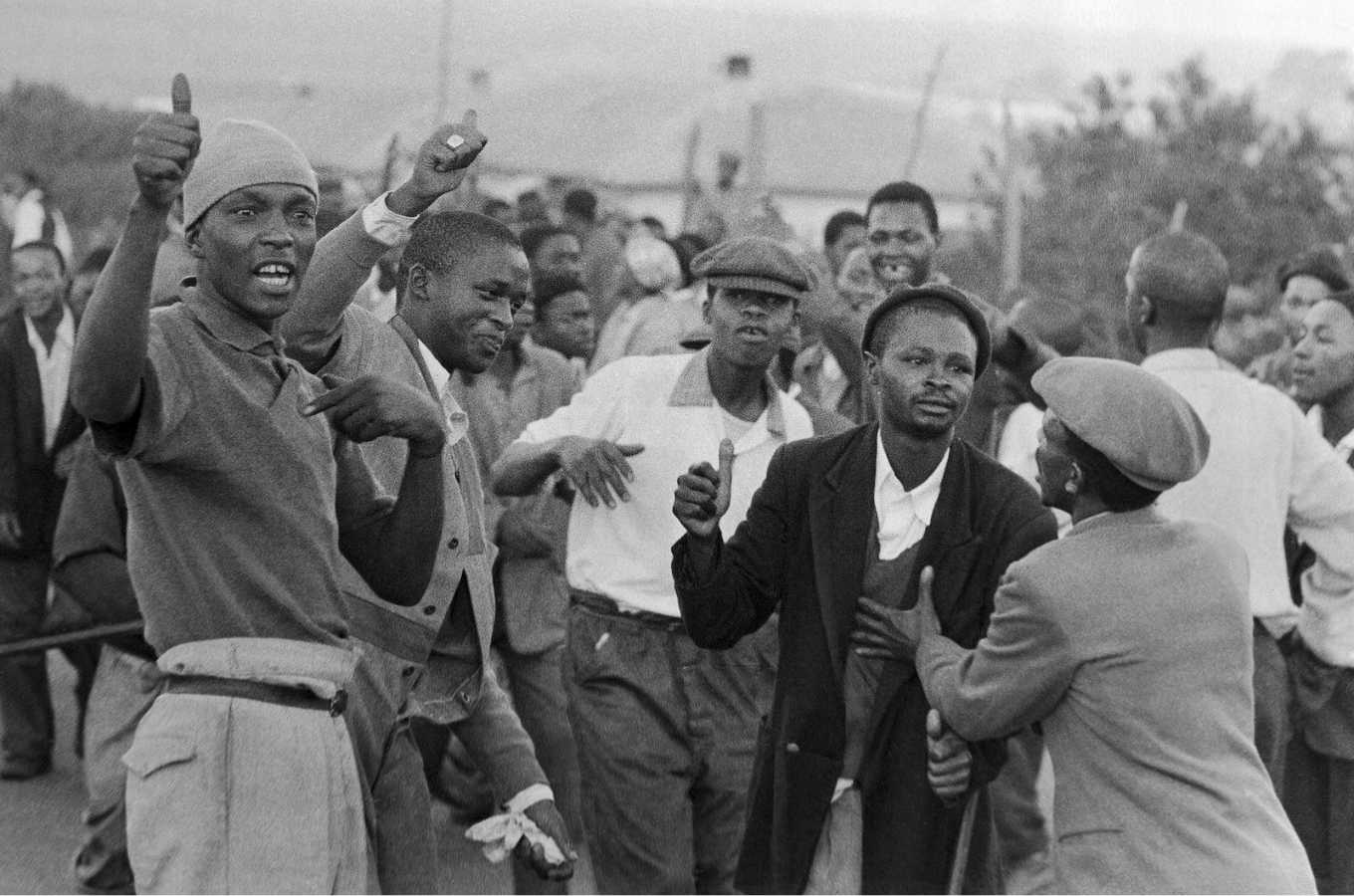
What if the way we’ve been talking about apartheid has been hiding the real story all along?
In a bold new essay for Boston Review, Panashe Chigumadzi (author of These Bones Will Rise Again and Sweet Medicine) drops a bombshell: our obsession with apartheid as the framework for understanding South African oppression has actually obscured something much deeper, the foundational violence of settler colonialism and slavery that structured the whole system from the jump.
The Land Question traces a devastating timeline from 1492’s so-called “discovery” of the New World, through the 1493 Papal Bull that gave European settlers the “right” to conquer Indigenous lands, all the way to the rise of chattel slavery and its afterlives today. Chigumadzi argues that by focusing so heavily on apartheid, the global left has missed how structural dispossession is baked into the liberal international order we’re still living under.
Here’s the kicker: South Africa didn’t start as just “a society with slaves”, it was a full-blown slave society where enslaved people outnumbered the settlers. And you can’t understand apartheid-era laws like the Masters and Servants Acts without understanding the master-slave relations at the Cape centuries earlier. Slavery wasn’t a footnote; it was the blueprint.
Chigumadzi also calls out how Black South African intellectuals, especially Black feminist scholars and artists, have been erased from global conversations about apartheid, even though they’ve been doing the crucial work of illuminating slavery’s afterlives in the post-apartheid era. She shouts out the groundbreaking contributions of Gabeba Baderoon, Desiree Lewis, Yvette Abrahams, Zoë Wicomb, Pumla Dineo Gqola, Yvette Christiansë, Rayda Jacobs, Berni Searle, Dianna Ferrus, and Gail Smith.
This isn’t just academic theory, it’s a paradigm shift that changes how we understand power, land, and liberation today.

COMMENTS -
Reader Interactions