

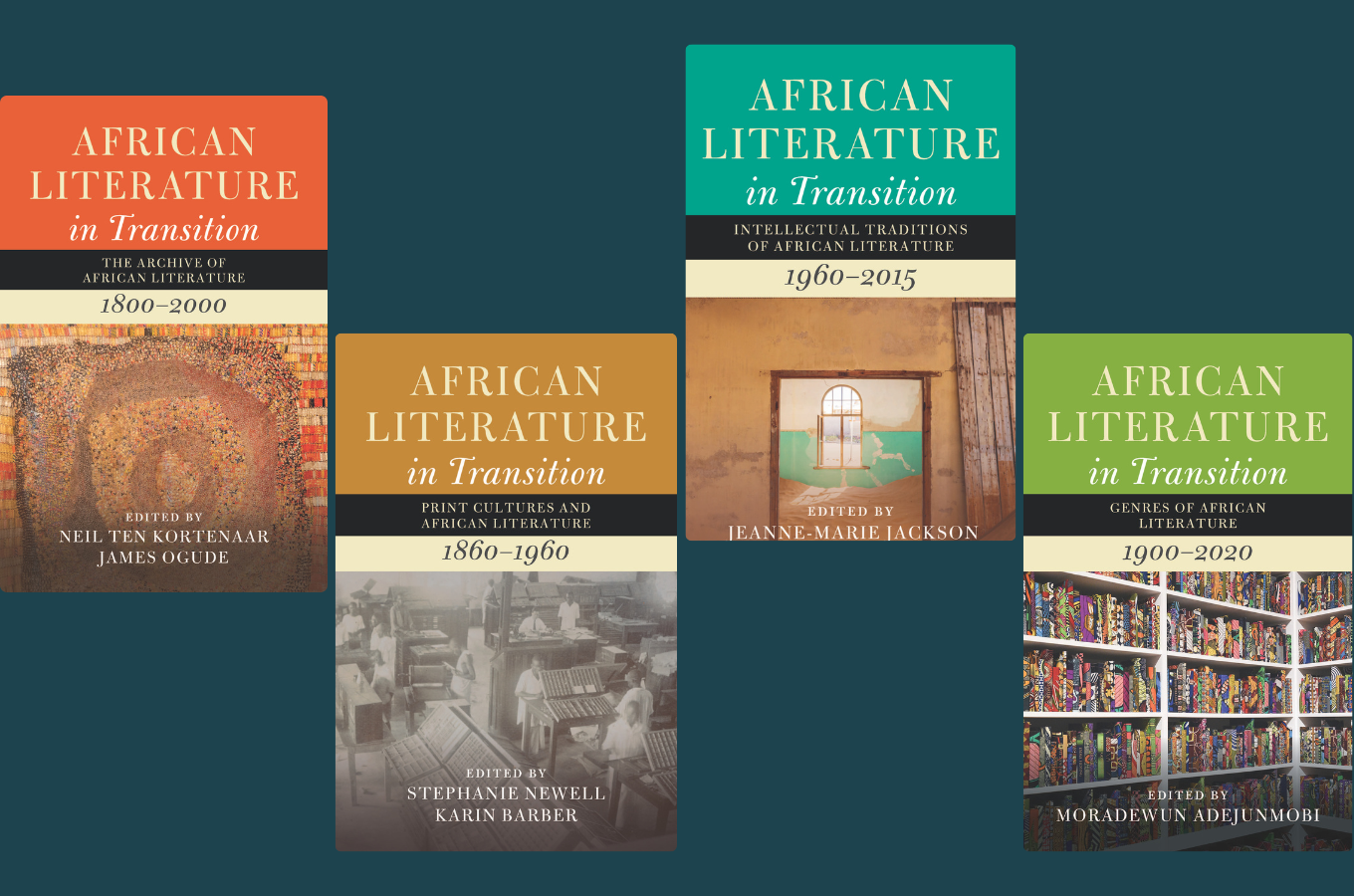
In what promises to be one of the most significant scholarly interventions in African literary studies this decade, Cambridge University Press is releasing African Literature in Transition, a five-volume series that reimagines how we understand, teach, and engage with African literary traditions. Led by Professor Ato Quayson of Stanford University, alongside editors Neil ten Kortenaar (University of Toronto), James Ogude (University of Pretoria), Stephanie Newell (Yale University), Karin Barber (University of Birmingham), Jeanne-Marie Jackson (Johns Hopkins University), Cajetan Iheka (Yale University), and Moradewun Adejunmobie (University of California-Davis) , this ambitious project spans three centuries of African literary production—from 1800 to 2020—and crosses linguistic, geographical, and generic boundaries to present a comprehensive, continent-wide vision of African literature. This is not simply another literary history. African Literature in Transition represents a fundamental reconceptualization of the field itself.
What makes this series truly unprecedented is its scope. Rather than focusing on a single national tradition or linguistic heritage, the collection brings together African literature “from across the continent in the same frame,” as the editors note. It encompasses texts in African, European, and Arabic languages. It traces literary production from the colonial archive to contemporary digital culture. It moves fluidly between canonical works and the innovative productions of local printing presses. And it does all this while maintaining rigorous attention to the material conditions, the printers, publishers, readers, and circulation networks, that made African literary culture possible.
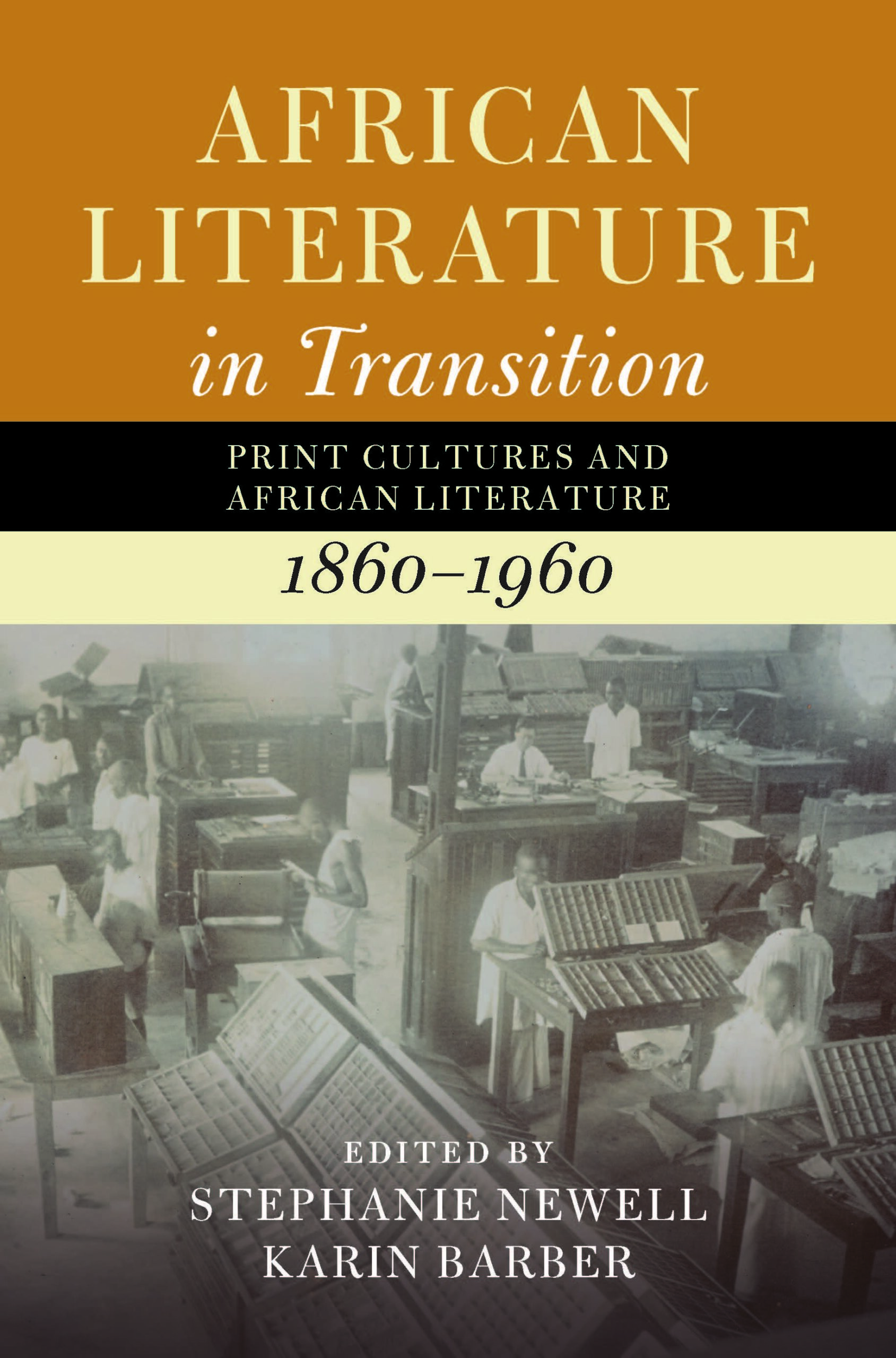
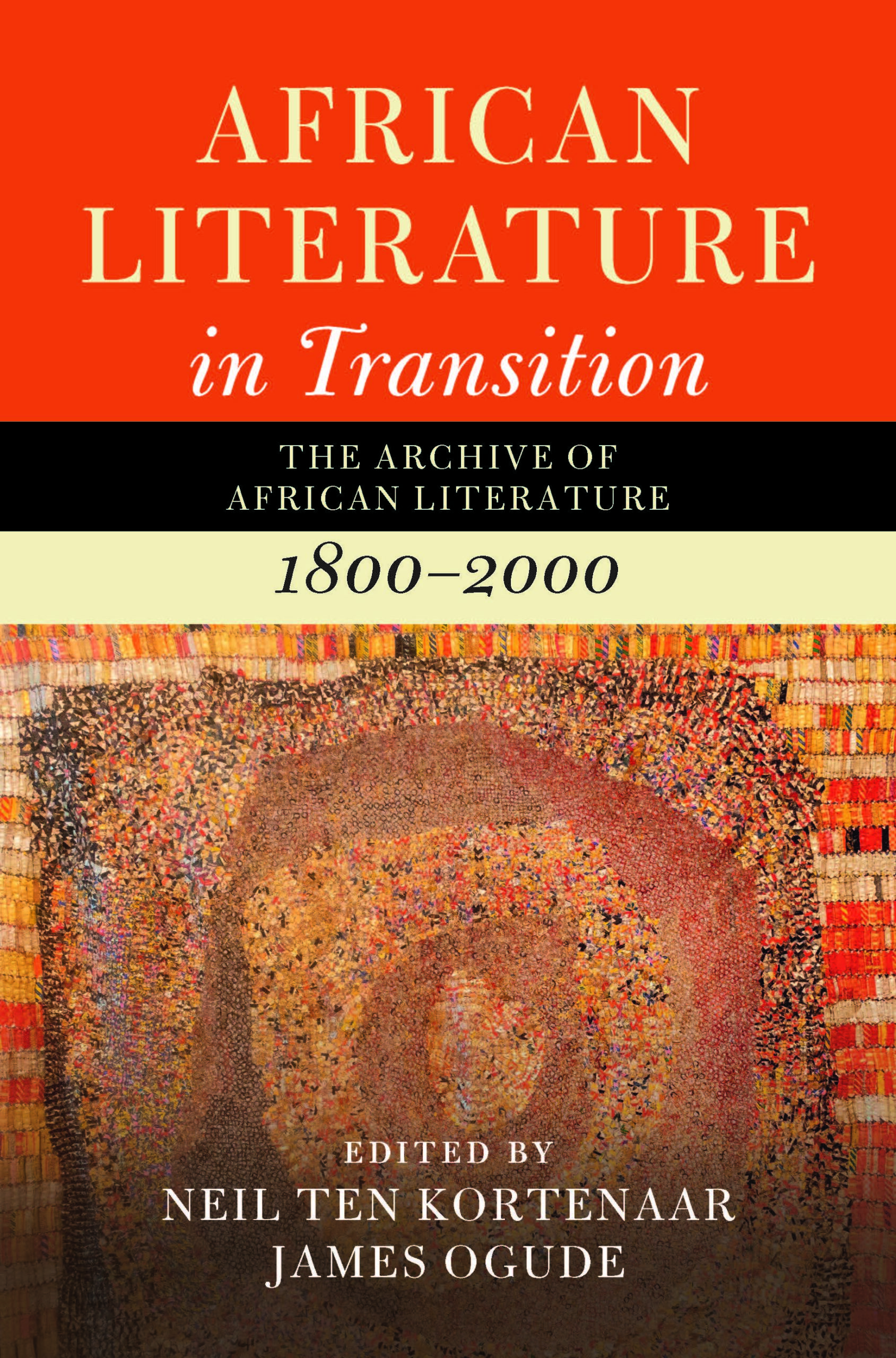
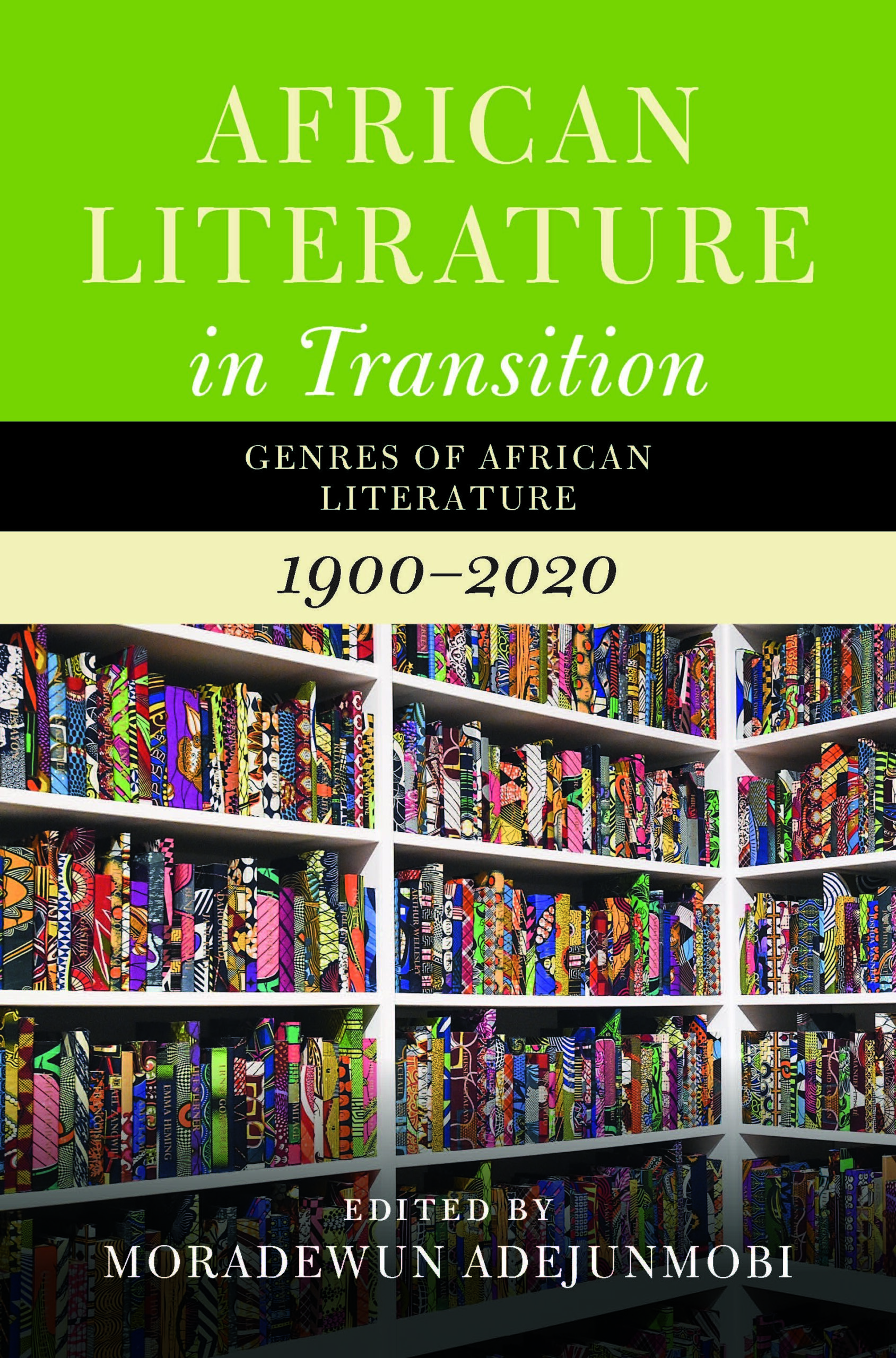
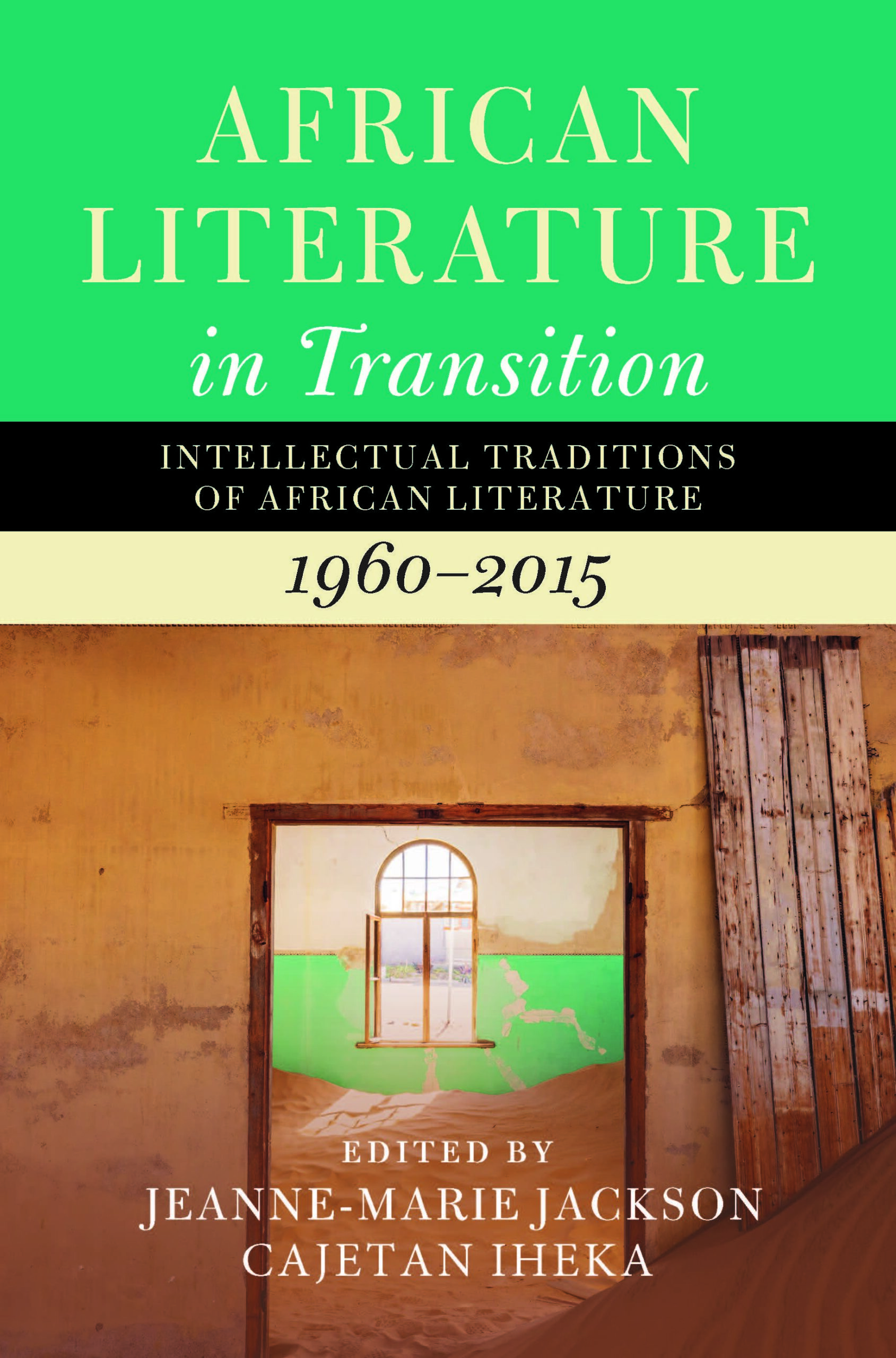
Each volume tackles African literature from a distinct angle, together forming a multidimensional portrait of the field.The series moves from archival foundations to contemporary genres across five volumes. Volume 1, edited by James Ogude and Neil ten Kortenaar, approaches African literature as collective memory, exploring how writers draw upon shared historical spaces and narratives. Volume 3, edited by Stephanie Newell and Karin Barber, reveals the dynamism of local printing presses across colonial Africa, showing that Anglophone writing is just one part of a wider multilingual field encompassing African, European, and Arabic languages. Volume 4, edited by Jeanne-Marie Jackson (Johns Hopkins) and Cajetan Iheka (Yale), provides a bird’s-eye view organized around key terms and movements rather than periods or national canons, demonstrating that African literature is worldly and transnational even at points of local engagement. Volume 5, edited by Moradewun Adejunmobi (UC Davis), offers an alternative history organized around genre formation, from memoirs and protest poetry to dictator novels, speculative fiction, and queer writing, showing how popular and high literary cultures have intersected across Africa since the early 1900s.
We at Brittle Paper are particularly excited about Volume 4, which includes an article by our own Editor-in-Chief, Dr. Ainehi Edoro-Glines, on African digital culture. Jackson and Iheka have assembled an impressive roster of contributors including Jill Jarvis, Tsitsi Jaji, Nathan Suhr-Sytsma, Stefan Helgesson, Kirk Sides, Michael Syrotinski, James Yékú, Mohammad Shabangu, and Madhu Krishnan, among others.
African Literature in Transition arrives at a critical moment. As African writers win major international prizes, as African literary festivals proliferate across the continent and beyond, as reading communities flourish online and offline, there is unprecedented global interest in African literature. By attending to both the local and the transnational dimensions of African literary production, African Literature in Transition provides the comprehensive framework that students, scholars, and general readers have long needed.
Moreover, the series shows how “literature and literary criticism interact to advance a broader field of knowledge.” These volumes don’t simply catalog texts; they demonstrate how African writers and critics have collectively theorized literature, memory, history, and cultural production. They reveal the intellectual work that African literature performs.
With Volume 1 expected this October 2025 and the other volumes following, this is a multi-year publishing that will reshape African literary studies. Under the leadership of Professor Ato Quayson and his co-editors, African Literature in Transition promises to be the definitive reference for African literary studies for years to come.
We’ll be watching closely as each volume appears, and we can’t wait to see how this monumental series transforms conversations about African literature worldwide.




COMMENTS -
Reader Interactions