

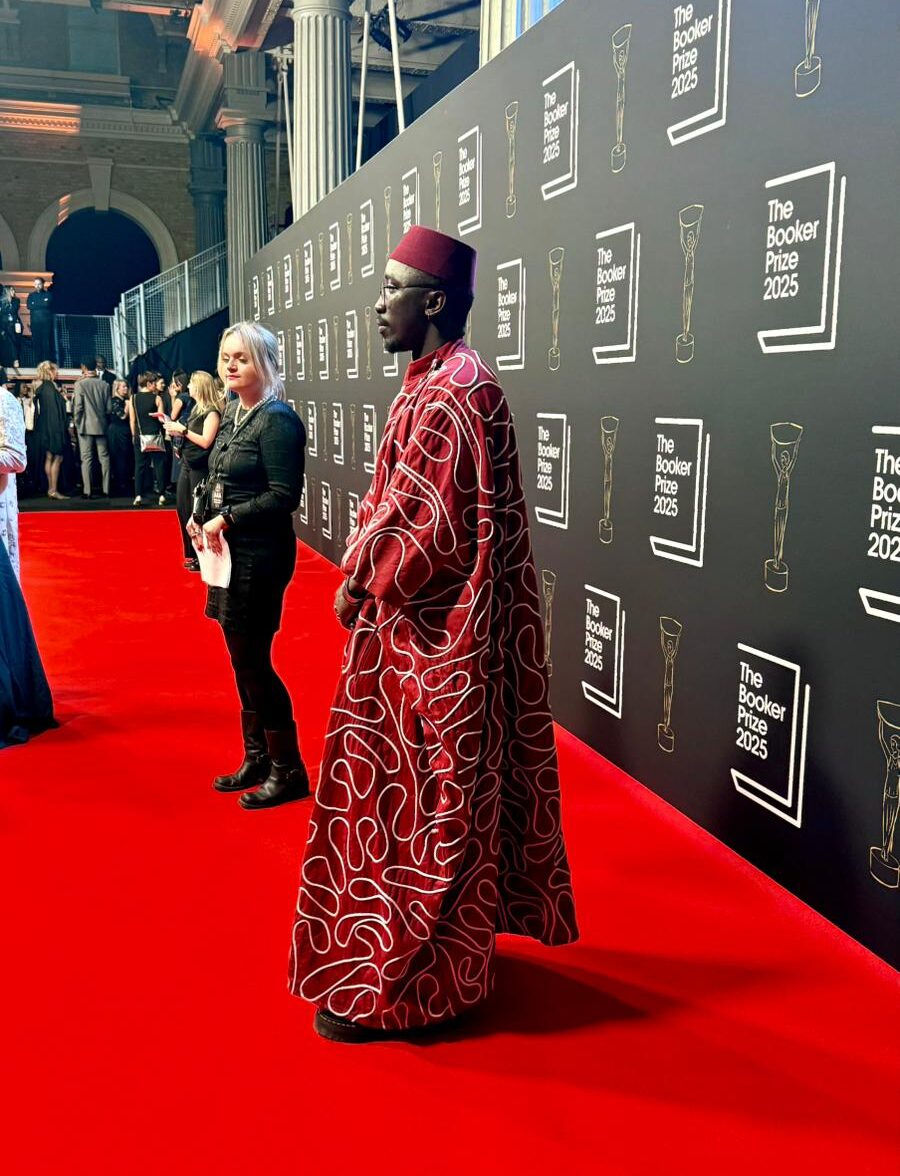
The Booker Prize ceremony just wrapped, and it delivered plenty to talk about. The big win went to David Szalay for Flesh, but the night carried a strong African presence. Nigerian novelist Ayobami Adebayo served on this year’s judging panel alongside Hollywood actress Sarah Jessica Parker, Chris Power, Kiley Reid and chair Roddy Doyle. On the red carpet, Bernardine Evaristo, Adjoa Andoh and Ellah Wakatama all turned up looking great and shared their thoughts on books and reading with British content creator and red-carpet host Shabaz Ali.
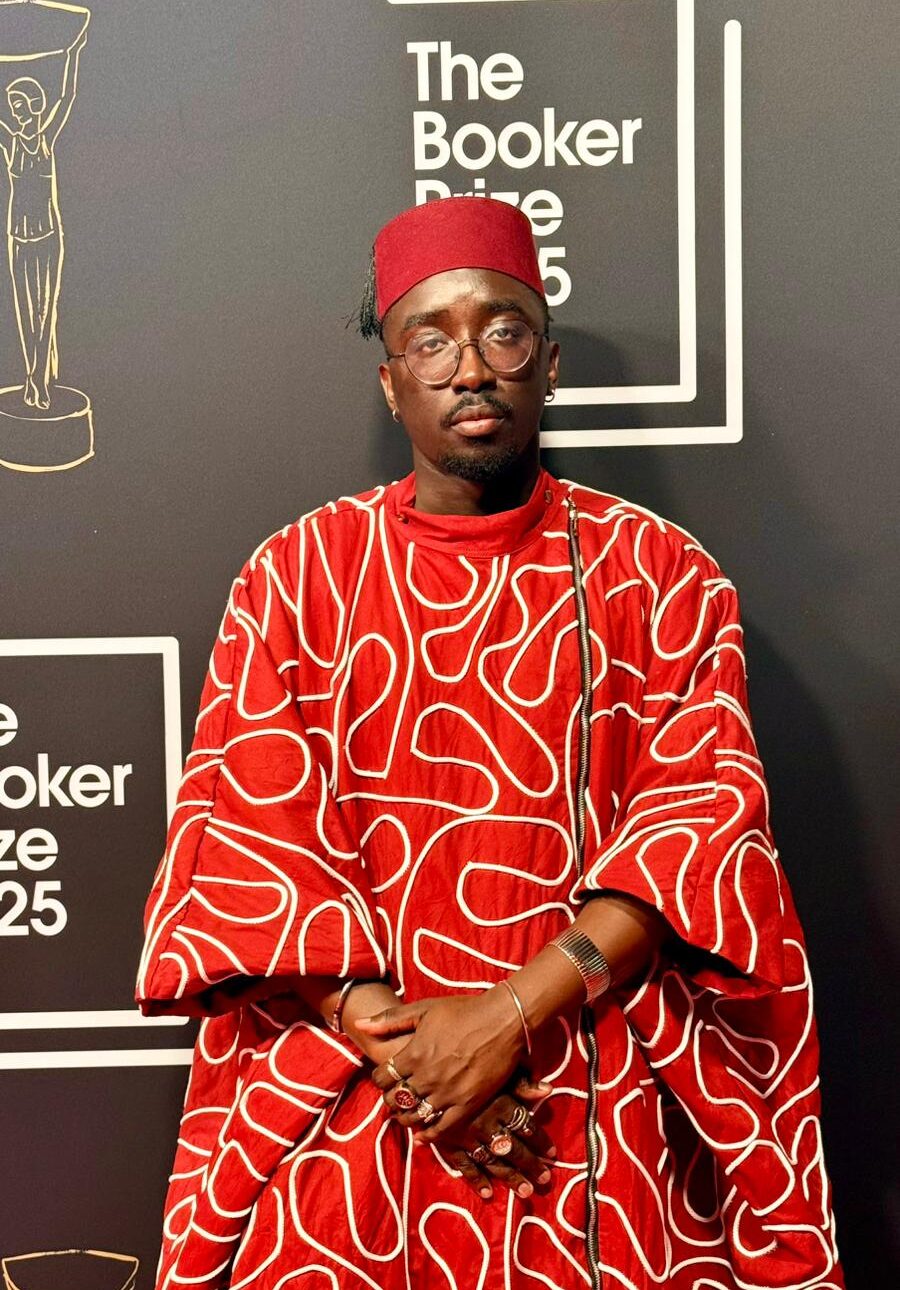
Kenyan writer and editor Troy Onyango was also part of the evening. Readers know him as the founder of Lolwe, a judge for the International Booker and the author of For What Are Butterflies Without Their Wings. He is also a committed fashion lover. We could not take our eyes off his flowing red ensemble covered in white, sinuous patterns, paired with a matching red cap and beautiful jewellery. The Booker red carpet usually leans toward classic Western formalwear, yet Troy arrived in African design with a stylish confidence that more than held the space.
We loved the look and wanted to hear the story behind it, so we reached out to ask about the clothes and the inspiration. He also spoke about what fashion means for him within the African literary scene. Here is our conversation.
Brittle Paper
The Booker stage is often dominated by Western formalwear. What did it mean for you to show up in African attire in that context?
Troy Onyango
I wanted to show up in something that truly represents me and my African identity. I have hated the formal suits since they made us wear them in law school. They made me feel constricted and, granted there are many wonderful suits out there, the standout ones are very expensive and out of my price range. Embracing my Africanness, supporting an African brand and saving some money while at it is a win on all fronts.
Brittle Paper
Who made the outfit? And was there an inspiration behind it?
Troy Onyango
The out was made by Paris-based Nigerian designer Muftau Femi Ajose of Cute-Saint. The brand “is a contemporary African fashion brand rooted in culture, sustainability, and soulful design.” I actually saw a similar outfit on Ghanaian-American NFL player Jeremiah Owusu-Koramoah and messaged the designer on IG to ask if I could get it.
I have a closet of various items I have picked up on my trips that I value so much. Some of my favourite outfits are from Liquid Lemn (Kenya) and Mafi Mafi (Ethiopia) and Atelier Valenciado (Cote d’ivoire). I am obsessed with Nigerian brands like Orange Culture and Bernard Samuel and Kenyan brands like Katush and Sevaria.
Brittle Paper
Were there particular design choices: fabric, pattern, jewelry: that hold special significance for you?
Troy Onyango
I’m so lucky to have my longterm friend Gavin Agaitano who makes most of my clothes from scratch and serves as my stylist! I love jewellery, especially my silver bracelet from Ghana and my armband from Côte d’Ivoire. Recently on my trip to Algiers I got some traditional Algerian wear that I love so much.
Brittle Paper
You’re known in the African literary space for having a distinct sense of style. Figures like Chimamanda Ngozi Adichie and Alain Mabanckou have similarly claimed fashion as part of their literary presence. How do you see your own style in conversation with that tradition and within the broader relationship between African literature and fashion?
Troy Onyango
I’m a big fan of Alain Mabanckou’s writing because he’s just so brilliant and his personal style is 10/10! I would love to tour his closet one day (I imagine it’s a walk-in closet!) He’s such an inspiration and I have his instagram favourited so I see his posts as soon as they are posted. I admire Chimamanda for her style and it’s just so wonderful to see how she spotlights African brands on a global stage! I also admire Ellah Wakatama’s singular and unique style. There’s just wonderful style across!
I think there’s an intrinsic and intricate relationship between African literature and African textiles and you can see that in both the evolution and interactions. I have many coffee table books on African fashion and I like to go back to pre-colonial African fashion and look at what we used to wear and how it can be adapted to the modern times. In a similar way, that’s how we look at the large parts of our precolonial literatures and how they come into the modern global literary conversations.


COMMENTS -
Reader Interactions