

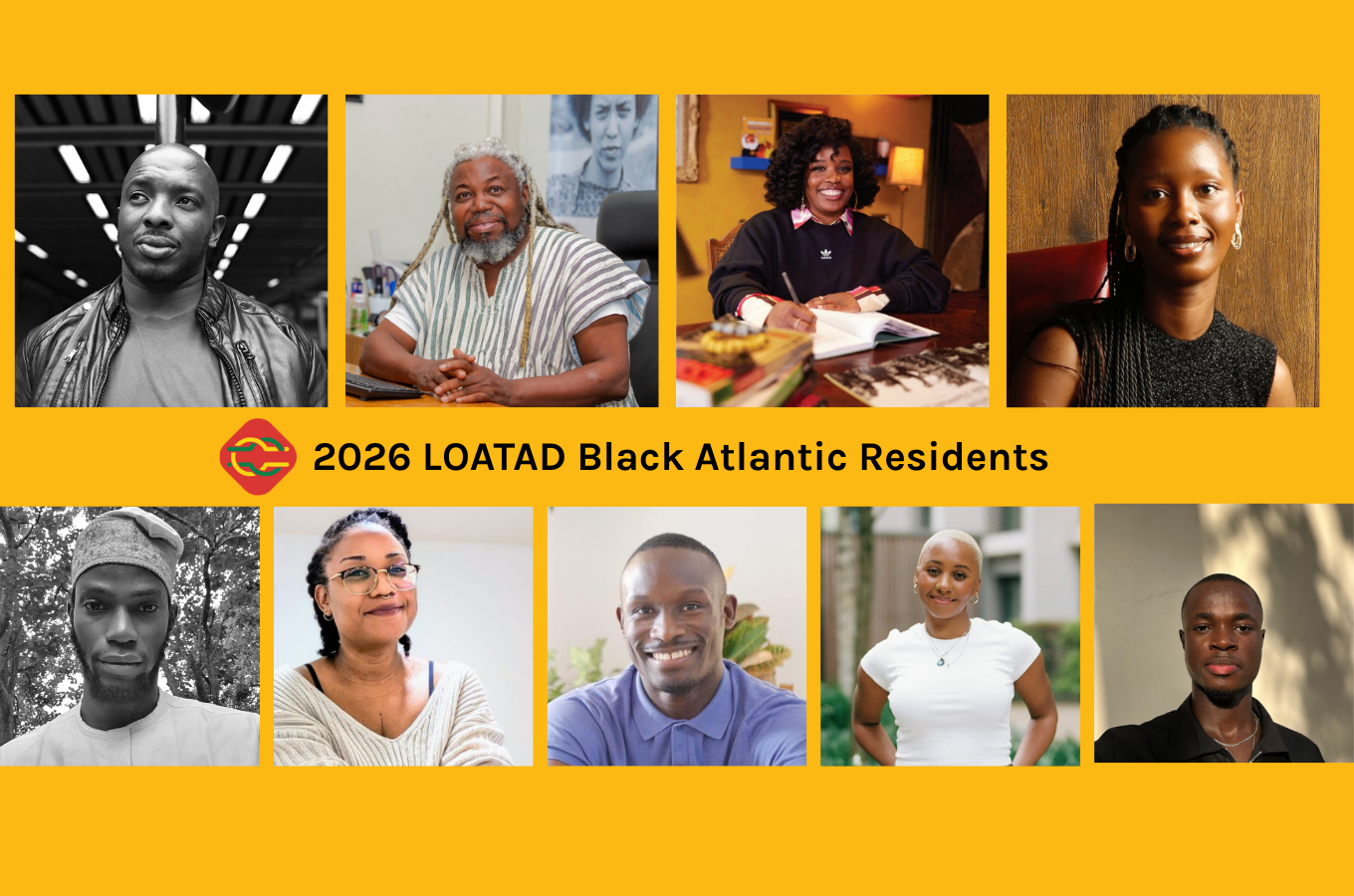
 The Library of Africa and the African Diaspora has selected nine writers for its 2026 Black Atlantic Residency in Accra, choosing from over 300 applications across the continent and diaspora.
The cohort brings together established and emerging voices working across poetry, fiction, scholarship, and cultural journalism, all tasked with responding to the provocative question: “What is Africa to the world?” Among them are Dr. Kimberly F. Monroe, whose forthcoming book examines Assata Shakur’s influence on global freedom movements, Nick Makoha, the Ugandan poet and RSL Fellow releasing his new collection this year. Ghana’s Nana Sandy Achampong arrives with three decades of work spanning over thirty publications, while Christopher Armoh represents a younger generation through his poetry and BOYS & BOOKS literacy initiative.
The residency, supported by Hawthornden Foundation, also includes Dr. Khadija Koroma, who bridges mental health advocacy and literary practice through her Sierra Leone-based NGO; Amandla Thomas-Johnson, a Cornell PhD candidate researching revolutionary solidarities in Grenada; and Trinidadian researcher Avah Atherton, whose digital storytelling platform preserves Caribbean memory. Nigerian poet Abubakar Ibrahim, winner of the 2025 Jacar Press Chapbook Contest, joins Tanzanian culture writer Karen Chalamilla, an Emergic Critic at the National Book Critics Circle, rounding out a group whose collective work spans biological research, oral history, mental health destigmatization, and the documentation of Black Power movements.
The judges—writer Edwige-Renée Dro, historian Joseph Ben Kaifala, and scholar Dr. Aza Weir-Soley—selected writers whose practices demonstrate how African and diasporic intellectual traditions continue shaping global conversations about freedom, identity, and cultural memory.
This marks the third and final cohort of the LOATAD Black Atlantic Residency, cementing the program’s role in fostering transnational dialogue among African and diasporic writers at a critical moment for Pan-African literary exchange. The 2026 residents will work both independently and collaboratively, their diverse methodologies, from archival research to community storytelling, from digital preservation to visual poetry, will reflect the capacious ways contemporary writers engage with Africa’s global presence. What distinguishes this cohort is not just geographic range but disciplinary breadth: scientists turned poets, journalists turned scholars, activists turned authors, all converging in Accra to interrogate how Africa has shaped and continues to reshape world culture, politics, and imagination. Congratulations to all selected residents!



COMMENTS -
Reader Interactions