
There are different kinds of stories I have consistently been told about humans who grew up too fast. I believed them, but none looked exactly like mine. Sometimes it scares me how easily those stories travel from one body to another, how quietly they settle inside people until they begin to feel inherited. Worse still, there are many more stories like them that I have learned to resonate with deeply. Most times, I am still trying to understand the true state of becoming what we have been told to believe, a cycle constantly reaching for the softest parts of us.
I know there are children who survive difficult things without becoming broken, but sometimes it is hard to believe because the world has already created one language for pain. Once a child grows up too fast, people begin to speak about them like a finished tragedy. They call them strong when they stop asking for help. They call them mature when survival steals parts of their softness too early. But I have seen something else.
*
Just today, I called my mother far from home, and she promised to send me money to get something for myself, even though it was my first time confidently asking. I have never really known how to ask loudly for things meant for me. Maybe that is what happens when you grow up watching love arrive more through sacrifice than through abundance. As an African daughter slowly growing into herself at twenty one, I am still learning that needing people does not make you weak. Sometimes I still hear hesitation in my own voice whenever I need something badly. As though survival trained me to shrink my needs before they reached other people.
*
The first time I asked my mother for something, I was thirteen. I did not ask for it. But somehow, I asked for it. I had distinctions in all my subjects during my third term examinations in Junior Secondary School One (JSS1).
I saw her in the kitchen that afternoon, making lunch and dinner at the same time because my mother was one busy woman who believed deeply in hard work. The kitchen smelled like stew, hot oil, and smoke settling softly into the walls. Soon, she would rush back to her kiosk to finish orders from customers at home and abroad. She was either Iya Sarah, Mummy Mary, or Iya Tailor. And in school they would fondly say, “Your mummy is not a tailor; she is a fantastic fashion designer!” I think part of me wanted the world to honour me too because I came from her.
My mother worked with colours every day. Different fabrics passed through her hands like living things. Bright materials hung around her kiosk quietly waiting to become something else. She knew how to look at something unfinished and imagine what it could become before anybody else could see it. Even now, I think that was one of the first ways I learned hope.
I walked into the kitchen holding my results behind my back because my mother loved surprises, and I wanted my result to feel like a note of appreciation. I never really said thank you the way children usually did with their literate mothers whenever they performed well in school, because somehow I learned success from a serious minded tailor. Every detail in her clothes carried care. The way she would quietly pause, like someone solving impossible equations, thinking through problems with a mind refusing to give up, until even mistakes in the cloth found their way back into something beautiful, turning problems into solutions before they could become failures — until the ending itself became a message.
She looked at me curiously, probably wondering what I had done this time. Then I showed her my result card. God knows she could not read anything written there. But she understood. We shared a secret smile. Then she handed me a piece of beef that was halfway cooked. My mother adored when we took things from her and loved them carefully, like they mattered. I could tell she was happy because my smile stretched all the way to my ears. I was shy, so I ran into our room to finish the meat and admire my results for the rest of the day. The room felt brighter that evening. That moment stayed warm inside me for years. Enough to outlive perfection.
*
But somewhere along the line, a family came apart quietly. Not loudly. Not all at once. Just slowly enough for everybody to continue living while something important disappeared from the middle of us.
She and my father no longer lived the same life. My mother went her way, my father stayed, for reasons too heavy to easily explain. And the woman I learned patience and hard work from lent me her strength before I was old enough to carry it properly. Sometimes, I remember how tired she looked returning from work. The silence became longer in the house after that. Phone calls became shorter. Even laughter began sounding careful. And somehow, the strength she placed inside me began to look like her own exhaustion.
She left carrying responsibilities that were too heavy to name, leaving me to grow into what she could no longer carry, while life kept asking for more than one person could hold, and suddenly, nobody cared who had once been stronger. I think that was when I started misunderstanding strength. Because the people I knew who survived the hardest things rarely looked broken in the dramatic ways people described. They still laughed. Still cooked. Still answered phone calls. Still showed up for others. Still sent money when they could. Still carried life on their backs like it was ordinary. But somewhere inside all that survival, space disappeared
*
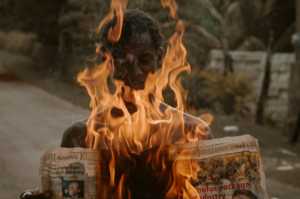
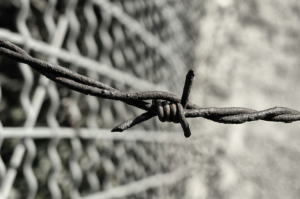
Nobody talks about how even strength needs room to inhale. About how emotions suffocate when life only teaches them survival. About how people can continue living while slowly forgetting that softness, rest, tenderness, anger, joy, and grief all deserve air too. Nobody talks about how children, that people call “broken,” are sometimes just children whose emotions have survived in black and white for too long. So, when people talk about “broken children,” they are often referring to people like me — a child who comes from a home that is described as fractured, or from a difficult situation, or from a family that did not stay whole in the way the world expects.
But that label is not the truth of who we are. Because having a broken home, or going through difficult things, does not automatically make a person broken. So, the next time you think of broken children, do not think of me. Think instead of people still trying to live every single day fully. Because honestly, if you see children out there without stable support, still holding hands with life, still smiling through things, still believing, still existing, still trusting the process, still finding reasons to laugh when laughter feels unnecessary, still calling their mothers for money, still calling their fathers to say they are angry at the way things turned out, still showing up as themselves without rehearsing their existence, then nobody is truly broken. Not even the children on the streets people quickly reduce to sadness. They embody strength. And I refuse to accept the idea that their situations define them as broken. And I refuse to believe the painful endings people have declared over them as though they are natural laws. Because nobody is truly broken.
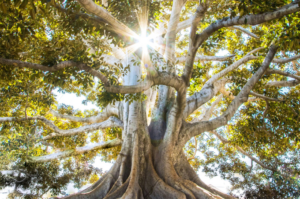
Some people are only waiting for enough space, enough tenderness, enough safety for their emotions to finally breathe colours again. Maybe that is why I still remember that kitchen so clearly. The smell of stew. The half-cooked beef in my hand. My mother standing in the middle of heat, fabric, tiredness, and love. Back when emotions still had enough room to breathe in colours.


Vicky Krafties August 06, 2026 06:38
I just finished reading this and i really can relate to it...you did a beautiful job with this article Rose I'm rooting for youuu