

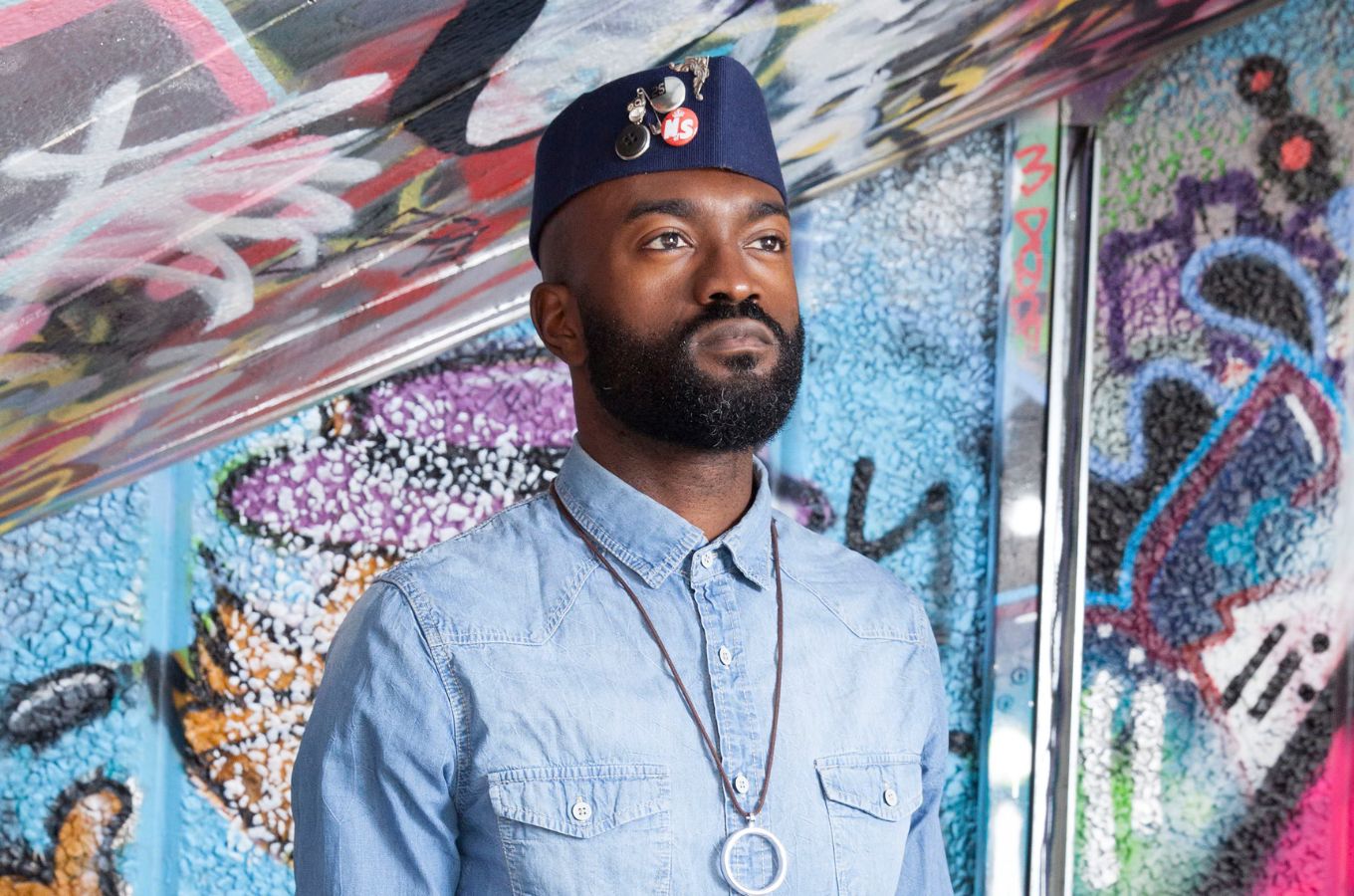
In November 2025, poet Inua Ellams returned to Benin City, Nigeria, for his second residency at the Museum of West African Art. He was looking forward to working with The Onoma Circle, the collective of poets and artists he’d founded during his first residency. He was looking forward to hosting his curated events Redacted and The R.A.P Party, and seeing the museum’s first exhibition, “Nigeria Imaginary: Homecoming.” Benin is where his father grew up, where his people are from, “one of few corners of the world I can partially call home.” But at the airport, a text told him not to come. The museum wasn’t safe. Protesters had stormed it.
Ellams summarizes the historical undertone of the crisis at MOWAA. The crisis at MOWAA sits at the intersection of colonial violence and contemporary disputes over restitution. In 1897, Britain invaded Benin City, destroyed much of it, and looted thousands of items from its stores and altars. Those treasures scattered across European and American museums, some behind glass, some proudly displayed outside buildings like trophies of conquest. When Nigeria and the Oba of Benin finally began demanding their return, a new conflict emerged: Who do they belong to? The Nigerian government argued they belonged to the republic, to all Nigerians. The Oba believed they belonged to his kingdom, his family, to him personally. This clash created a stalemate that western institutions exploited to keep the loot longer. Even after the Nigerian government stepped back and acknowledged the Oba as custodian, the atmosphere remained charged, “as if a storm cloud, dark and ever ready to burst.”
Ellams arrived with pen in hand, asking questions meant to spark poetry, just as protesters shut down the exhibition he’d come to see. But during his first residency, he’d already intuited something. He didn’t ask The Onoma Circle to write about MOWAA, he asked them to imagine their own museums. What would they preserve? Who would they invite to their opening? What questions would they ask visitors? “Don’t you think stories / Are gateways to histories?” wrote Eghonghon Grace Imuetinyan. “Did you feel how culture sits on the tongue— / heavy, sweet, untranslatable?” asked Benita Oseremi Obajuobalo.
Ellams draws the connection explicitly: What is a poem if not a glass case? A collection, a small museum? A memory, a looted item? Aren’t books scattered across collections, stationary behind closed doors or showcased as talismans of conquests? The questions multiply, refusing easy answers. While MOWAA’s public opening remains tentative, The Onoma Circle continues. Ellams secured a major commission for them from the Ethnographic Museum of Zurich, which holds items from Benin it will repatriate this year. The collective is writing poems for each one. His next collection, Of All The Boys, will feature poems about his trip to Benin, attempting to encase “the stuff of storm clouds—a shifting mist of questions.”
For the full essay, including the collective’s poems and Ellams’ reflections on identity, displacement, and what it means to build museums from words, read his piece at Apples and Snakes.



COMMENTS -
Reader Interactions