

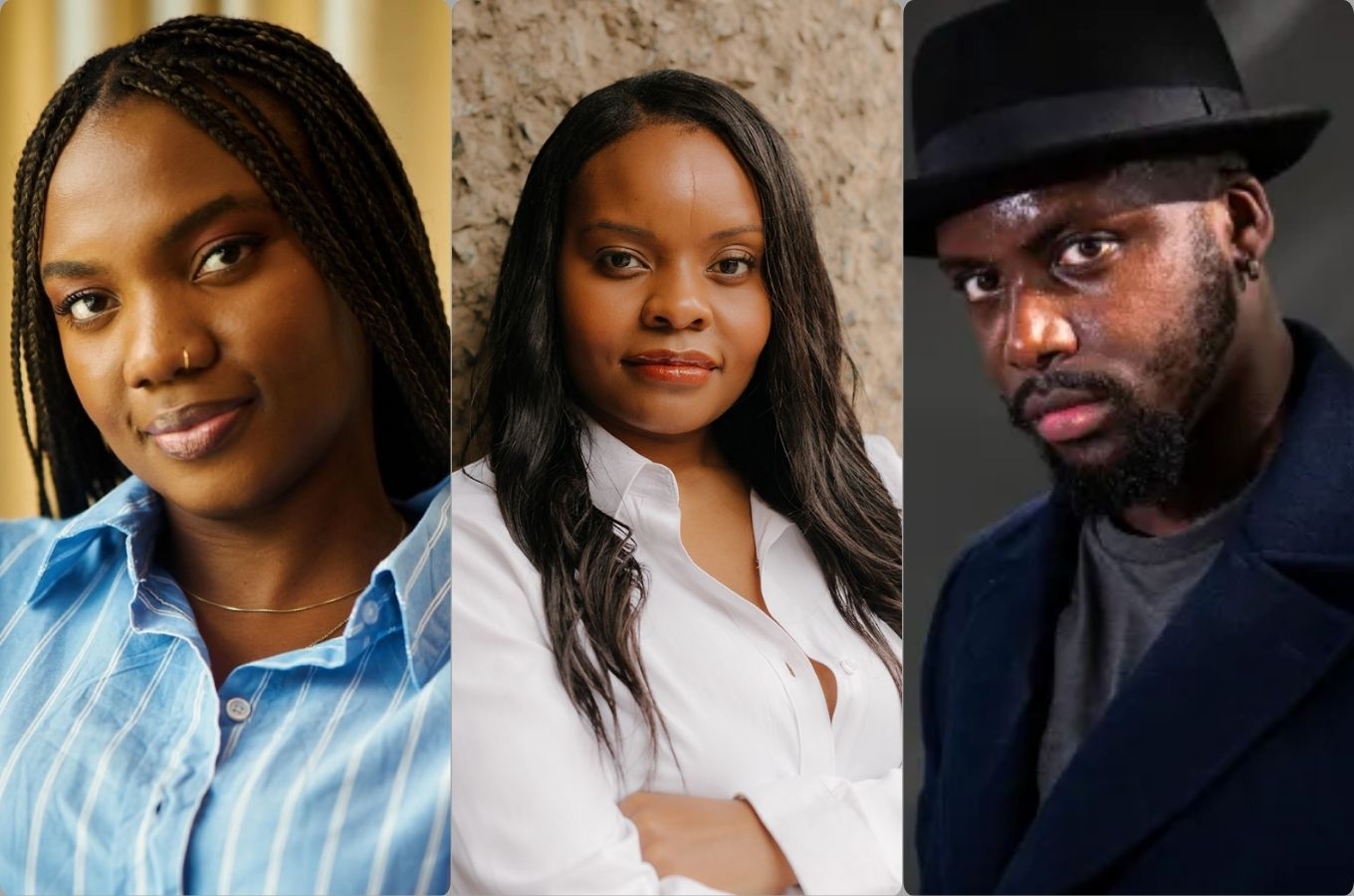
Three writers of African descent have made the 2026 longlist for the Swansea University Dylan Thomas Prize, one of the world’s most prestigious literary awards for writers aged 39 and under, worth £20,000.
Nigerian writer Esther Ifesinachi Okonkwo, British-Ghanaian writer Derek Owusu, and British-South African poet Isabelle Baafi, who is of Jamaican and South African descent, are all in contention alongside nine other writers from across the UK, US, Ireland, and Pakistan. The twelve-title longlist spans novels, poetry collections, and short story collections, with an average age of 32 across all nominees.
The Swansea University Dylan Thomas Prize is one of the most significant literary prizes in the world for young writers, and one of the most genuinely international. Worth £20,000, it is open to writers aged 39 and under publishing in English across any form: novels, poetry, short stories, and drama are all eligible. Named after the Swansea-born poet who packed an extraordinary creative life into just 39 years, the prize honours his legacy by spotlighting the most electric literary voices of the present generation. Nominations span the globe, and the list of previous winners reads like a who’s who of contemporary literature: Caleb Azumah Nelson, Arinze Ifeakandu, Yasmin Zaher, Raven Leilani, Bryan Washington, Max Porter, and Kayo Chingonyi have all taken home the prize. This year’s edition is the 2026 iteration, and as usual, African and diaspora writers are well represented.
Okonkwo’s debut novel The Tiny Things Are Heavier, published by Bloomsbury Publishing, is the story of Sommy, a young Nigerian woman who arrives in Iowa for graduate school just two weeks after her brother’s suicide attempt, and must navigate guilt, homesickness, and the unforgiving complexity of belonging in two worlds at once. The book was named a Best Book of 2025 by Vogue, Harper’s Bazaar, and Forbes, with critics drawing comparisons to Chimamanda Ngozi Adichie’s Americanah. An MFA graduate of the Iowa Writers’ Workshop and a PhD holder from Florida State University, Okonkwo now serves as an Assistant Professor of Creative Writing at the University of Michigan-Dearborn. Her nomination marks a significant moment: she is one of seven debut writers on a longlist that the prize organisers describe as among the freshest in years.
Derek Owusu’s Borderline Fiction, published by Canongate, follows Marcus, a young Black man in London, at nineteen and at twenty-five, tracing in parallel the loops of love, self-destruction, and the search for authenticity across time. One of Granta’s Best of Young British Novelists 2023 and winner of the Desmond Elliott Prize for his debut That Reminds Me, Owusu is a returning presence at the Dylan Thomas Prize, having previously been longlisted in 2023 for Losing the Plot. Borderline Fiction has been praised as glaringly fresh and almost spiritual in its ambitions — an unflinching meditation on what it means to be a young Black man navigating love and identity in contemporary Britain. Joining him from the world of poetry is Isabelle Baafi, whose debut collection Chaotic Good (Faber), published in April 2025, has already earned the Jerwood Prize for Best First Collection and a T.S. Eliot Prize shortlist. Framed by the story of escape from a toxic marriage, the collection is a piercing examination of how power accumulates and shifts within home and community — incisive, formally dexterous, and quietly shattering.
The prize this year is judged by a panel chaired by Irenosen Okojie MBE — the award-winning Nigerian-British author of Curandera and Nudibranch — which feels fitting. The shortlist of six will be announced on 19 March, with a celebration in London on 13 May and the winner revealed on International Dylan Thomas Day, 14 May, at a ceremony in Swansea. We will be cheering Okonkwo, Owusu, and Baafi every step of the way.



COMMENTS -
Reader Interactions