

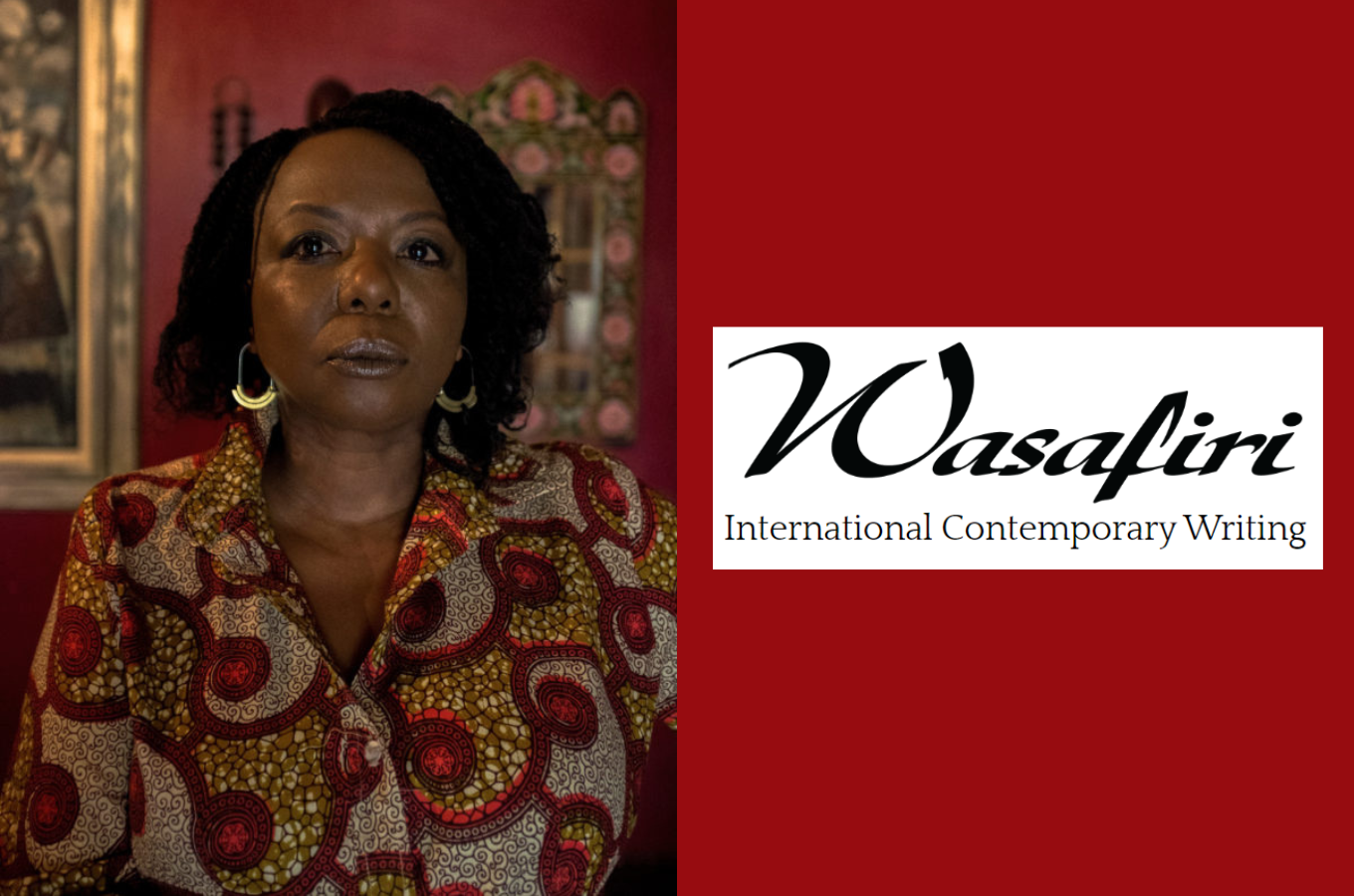
Ellah Wakatama is one of the most respected figures in contemporary publishing — Editor-at-Large at Canongate Books, Chair of the Board of Trustees for the Caine Prize for African Writing, and now Chair of Judges for the 2026 Queen Mary Wasafiri New Writing Prize. In a recent Q&A with Wasafiri, she opens up about what literary prizes actually do for writers, why translation matters to her personally, and what she’s hunting for in this year’s submissions. The interview is dense with the kind of clarity that comes from someone who has spent over 25 years inside the machinery of publishing and still approaches it with real feeling. Here are the core takeaways.
1. Prizes are not vanity exercises, they solve two concrete problems for writers. Wakatama is direct about what prizes actually do: money, provided the purse is decent, buys a writer time to imagine and to write, and beyond that, prizes function as an essential cog in the publishing machine, recognising and amplifying excellence and giving readers a route to discovery. In an industry she describes as too often chasing ways to replicate what’s already popular, she sees prizes like the Caine and the Queen Mary Wasafiri New Writing Prize as one of the few mechanisms that reliably surfaces work that is genuinely new.
2. Translation is not an abstract literary value for her, it’s lived experience. As a Shona-speaking, Zezuru person from Zimbabwe, Wakatama describes herself as already living in translation every day, decoding cultural, religious, and societal languages even within a language she has mastered. That personal vantage point is why she sees opening prizes to works in translation, something the Queen Mary Wasafiri Prize only began doing last year, as a way of deepening belief in shared humanity, invoking James Baldwin’s idea that writing exists to change the world.
3. Her editorial instinct starts with feeling, not strategy. Asked how she knows when she’s found great writing, Wakatama is unambiguous: her first and most important response to any piece of writing is emotional; whether she is elated by the prose style, captivated by the characters, and challenged by the themes. The real tell, she says, is staying awake reading at two in the morning, forgetting to breathe, and admits that doesn’t happen often enough. Only after that emotional hook does the business calculus of fit, market, and sales enter the picture.
4. What she’s looking for in this year’s entries comes down to three things. She is after innovation in form and approach, meticulous crafting, and what she calls a sense of meaning, whether the work feels urgent, relevant, and necessary. She’s also specifically drawn to writing that is vividly rooted in place, and to beautiful sentences. But she is equally clear that judging, for her, is a collaborative act, she enjoys being persuaded by her fellow judges and having her mind changed.
5. Her advice to emerging writers is almost defiantly simple. Asked what she would tell writers at the start of their careers, Wakatama doesn’t reach for anything elaborate: read, and read, look out the window and dream, read some more, and then start to write. No formula, no hack, just the unglamorous discipline of reading deeply before writing at all.
6. Her own reading list right now includes a major African literary critic. Among the books she’s most anticipating this year, Wakatama singles out Forest Imaginaries: How African Novels Think by critic and activist Ainehi Edoro, whom she admires hugely, anticipating it for the clarity and innovation Edoro brings to every project she undertakes. It’s a notable nod, Brittle Paper’s own founder, named by one of the industry’s most discerning editors as a book to watch.
The 2026 Queen Mary Wasafiri New Writing Prize is open for submissions until June 30, 2026. Read the full Q&A here.





COMMENTS -
Reader Interactions