

Nigeria is 66 today. Sixty-six years ago, the country gained independence and began its life as an independent nation. In the years since, Nigeria has lived through civil war, military rule, political upheaval, economic crises, COVID-19, the End of SARs protest, the ongoing Japa wave and so many more. Each era has brought its own questions about what it means to live here, to leave, to return, to belong, and to imagine a future in the country.
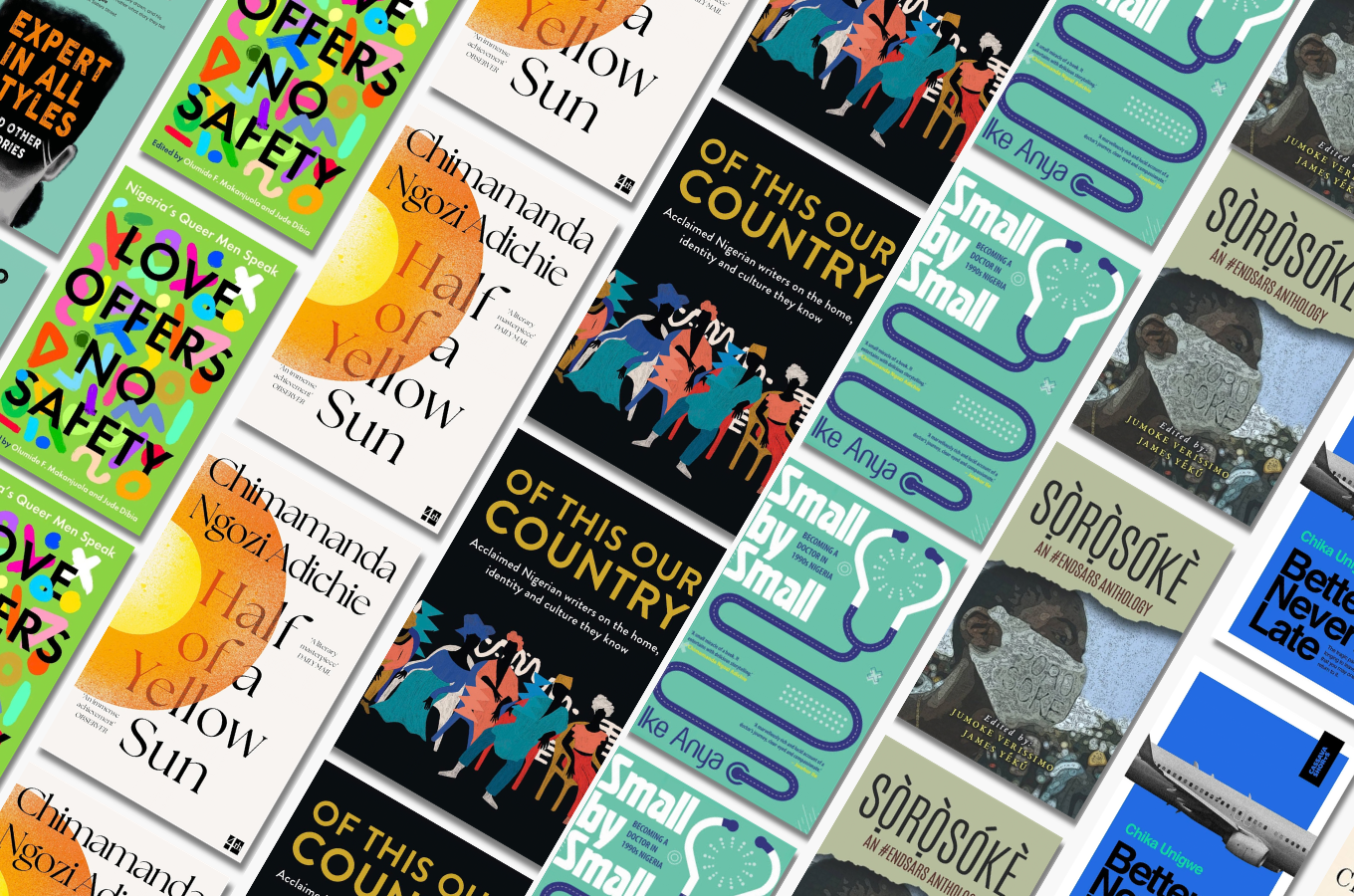
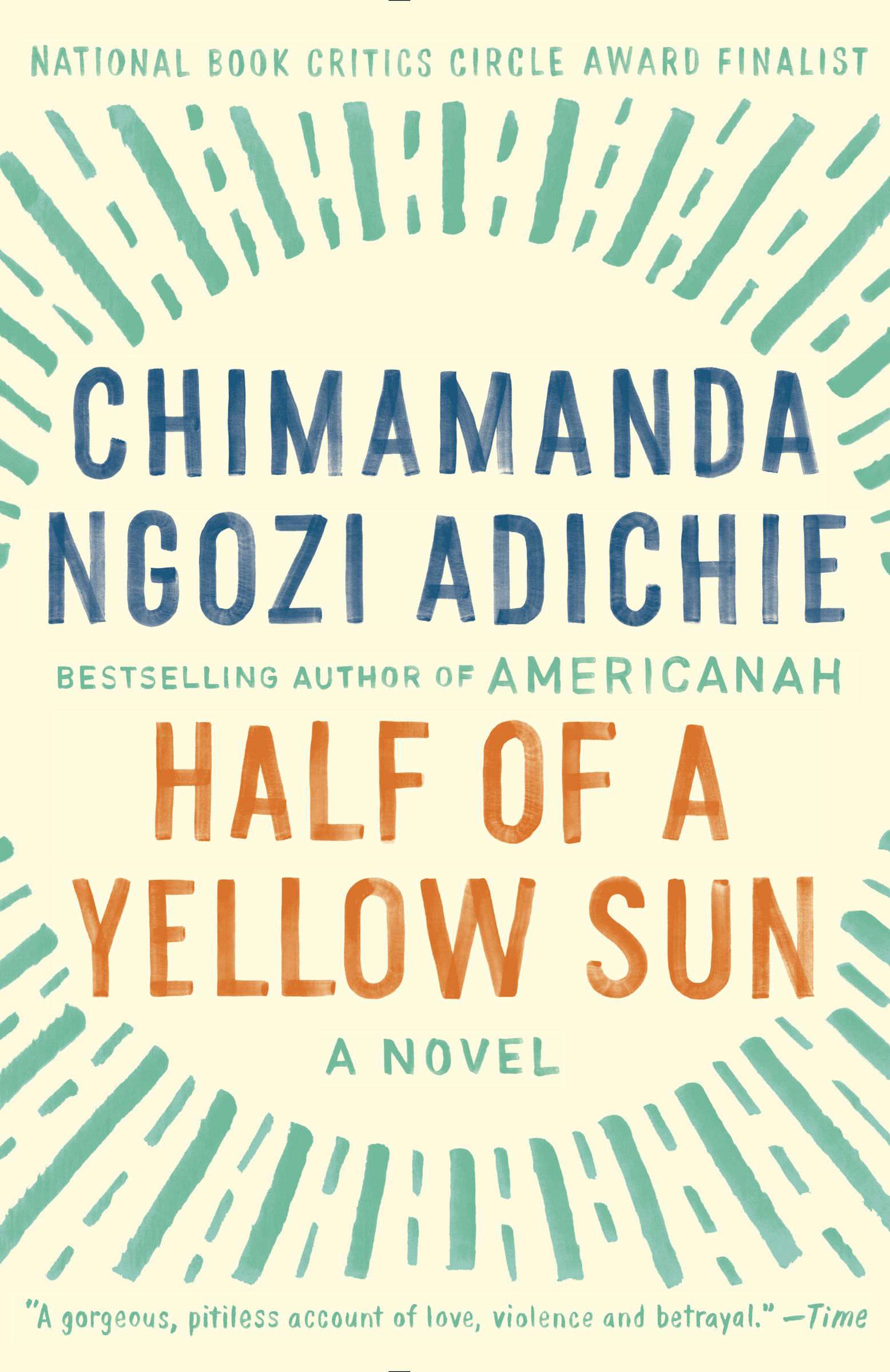
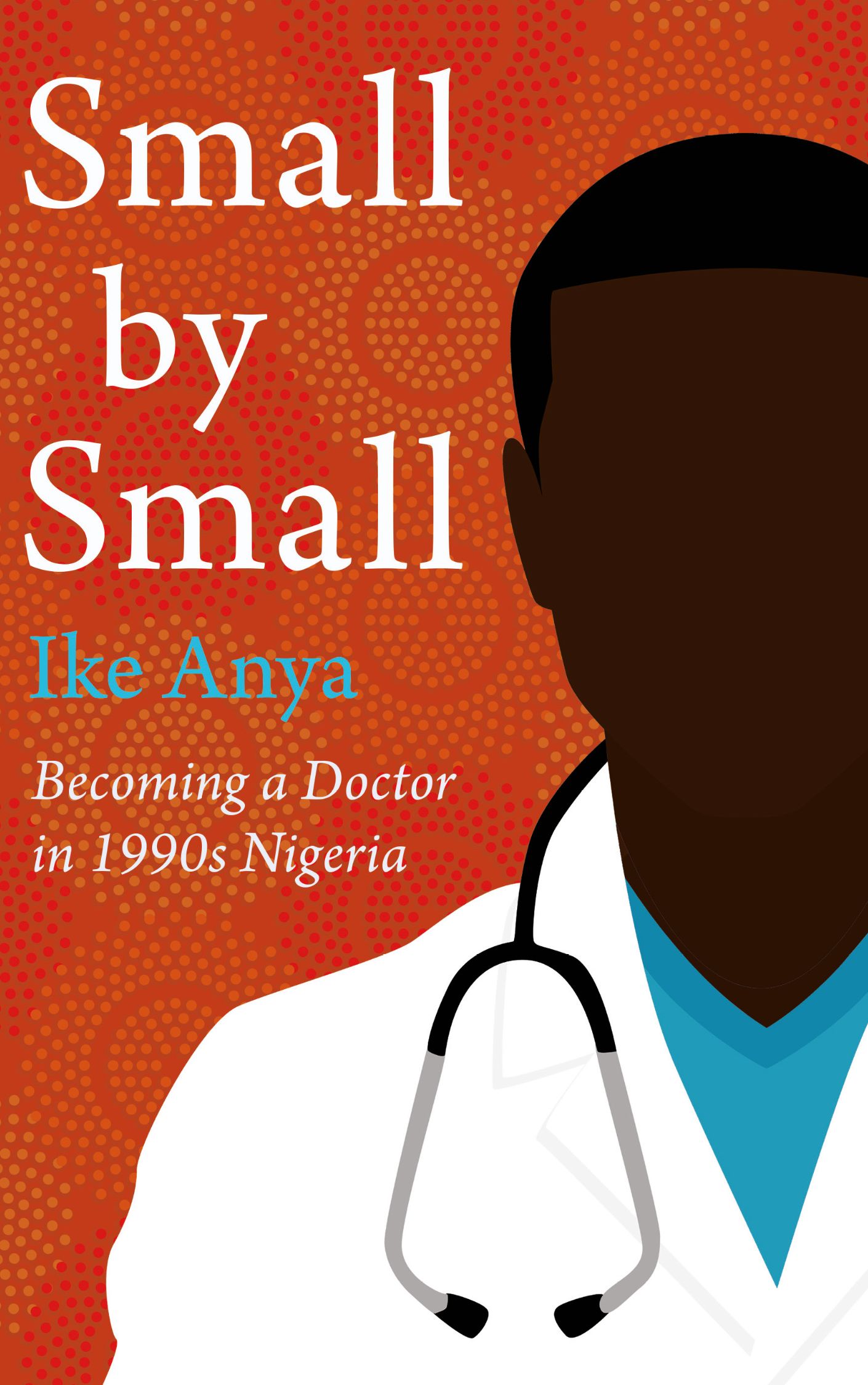
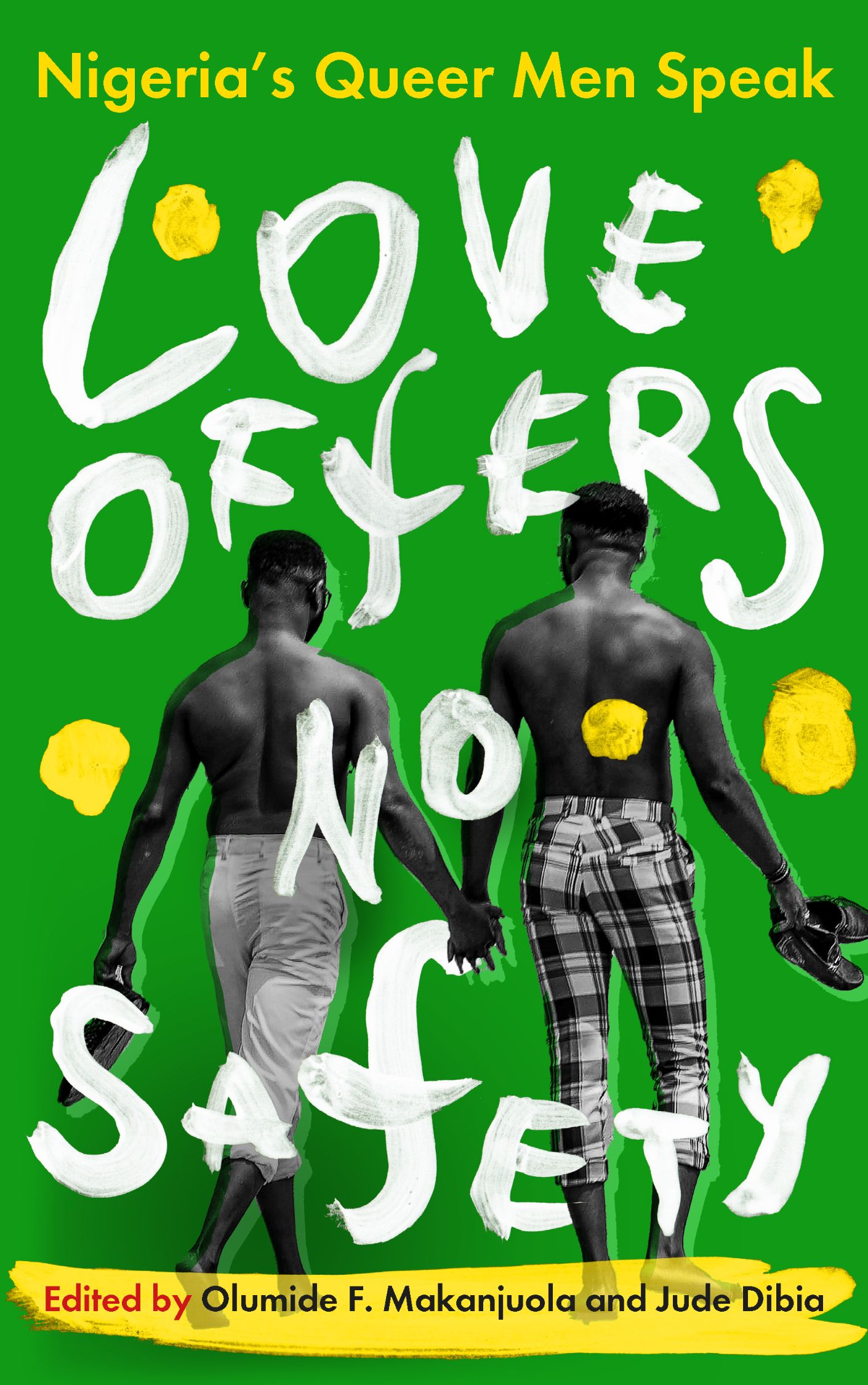
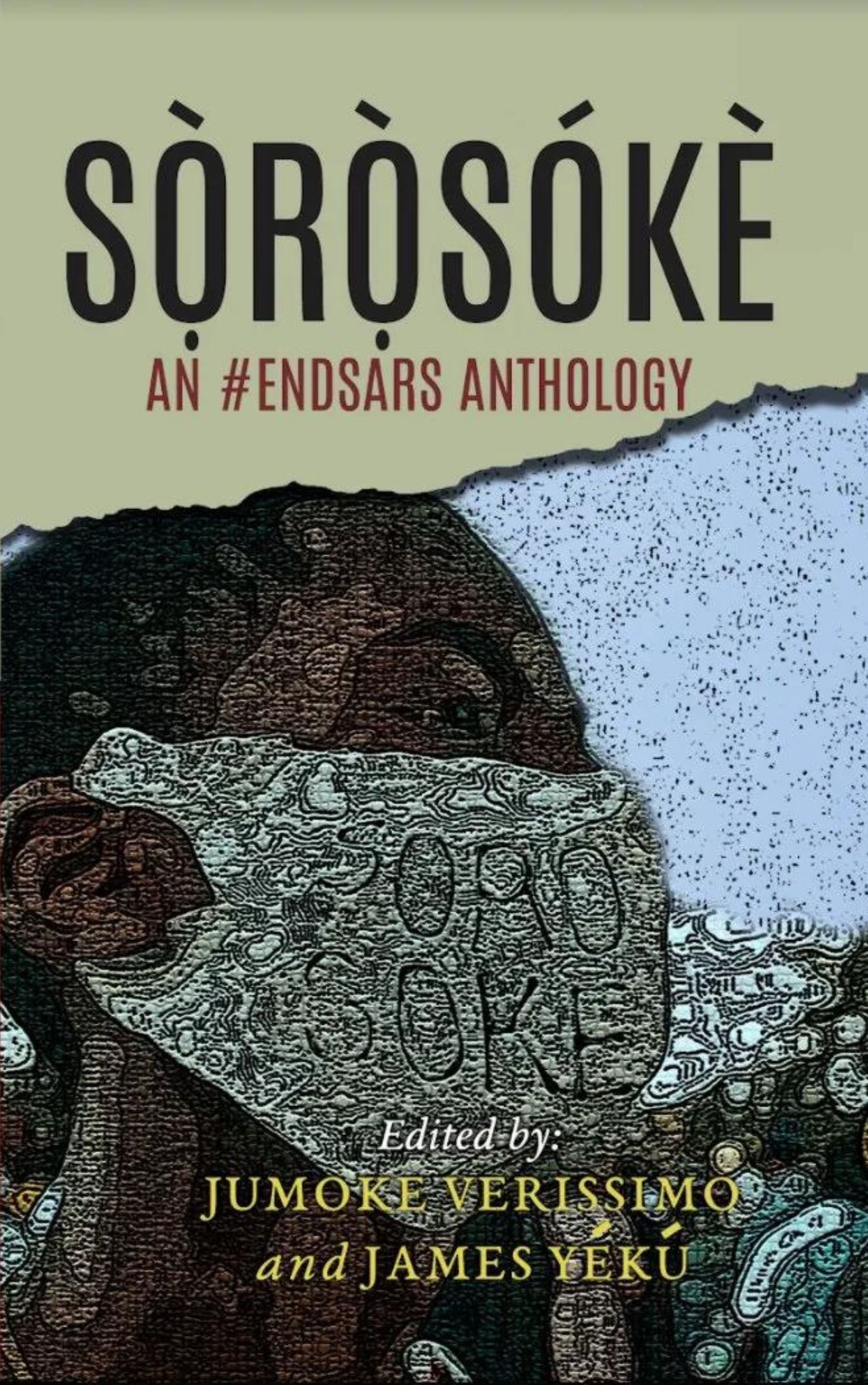
Nigerian writers have spent decades grappling with those questions. In Small by Small, Ike Anya looks back at becoming a doctor in 1990s Nigeria, capturing the political unrest, social changes, and everyday realities of the period. Chimamanda Ngozi Adichie’s Half of a Yellow Sun turns to the Biafran War, examining the human cost of a conflict that continues to shape Nigeria’s collective memory. Love Offers No Safety, an anthology of queer Nigerian writing, confronts the realities of homophobia and the ways Nigerian writers and queer people continue to negotiate love, identity, desire, and survival. Sọ̀rọ̀sókè: An #EndSARS Anthology, edited by Jumoke Verissimo and James Yeku, preserves the anger, grief, and resistance of another defining moment in the country’s recent history.
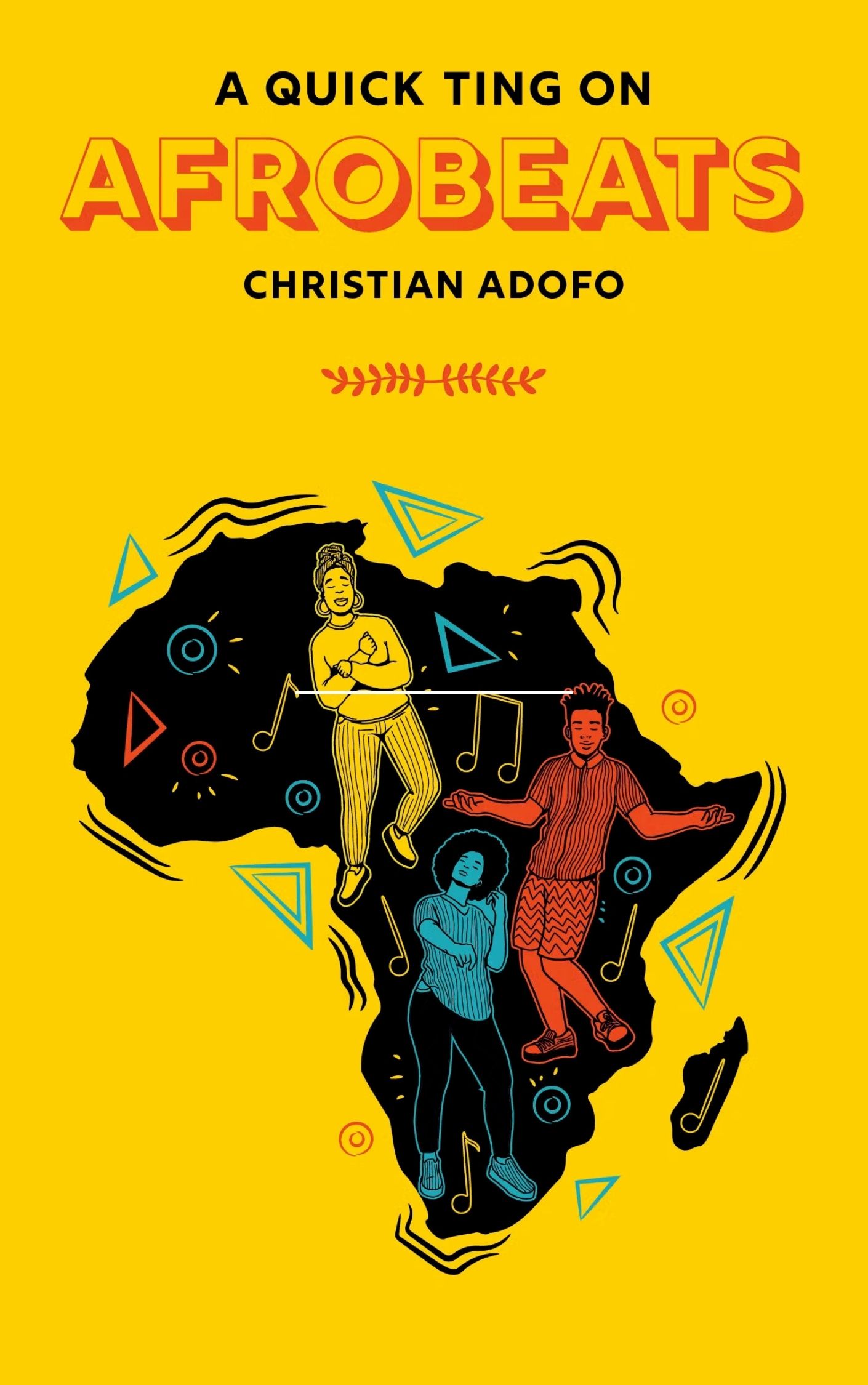
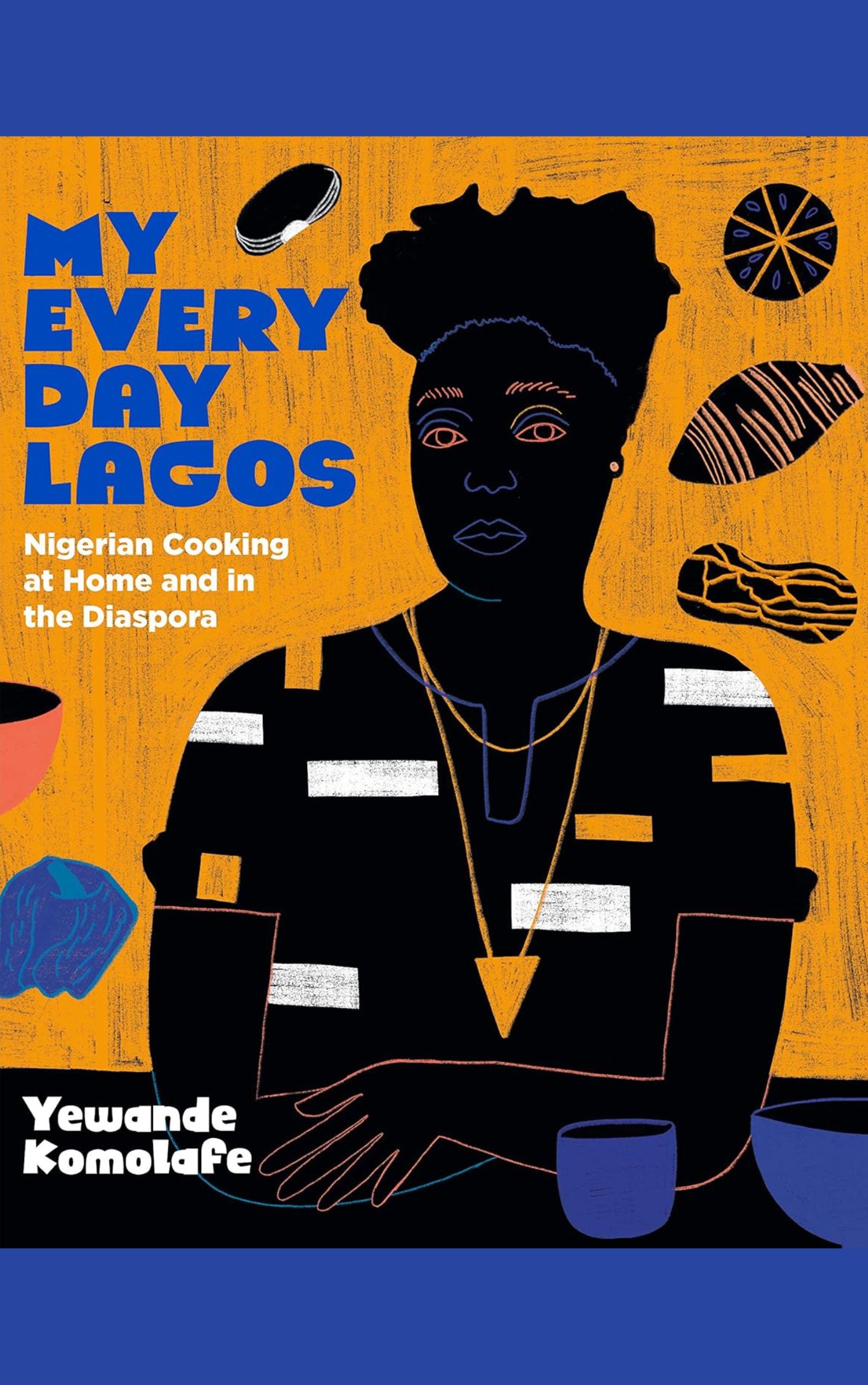
Other books look beyond the country’s crises to the things that make life here worth holding onto. Yewande Komolafe’s My Everyday Lagos celebrates Nigerian food and the many regional and cultural influences that shape the country’s cuisine, while tracing the author’s own relationship with Lagos and home. A Quick Ting On: Afrobeats by Christian Adofo traces the history and cultural evolution of a sound that has become one of Nigeria’s most recognisable global exports.
This is not a list that argues Nigeria is perfect. It is also not a catalogue of everything that has gone wrong. Instead, these books offer different ways of looking at the country: its history and its present, its crises and its culture, its disappointments and its possibilities. Together, they capture something about what it means to be Nigerian: to hold joy in one hand and sorrow in the other, to be frustrated by the country and still find reasons to celebrate it, and to keep trying to understand the place you call home.

COMMENTS -
Reader Interactions