

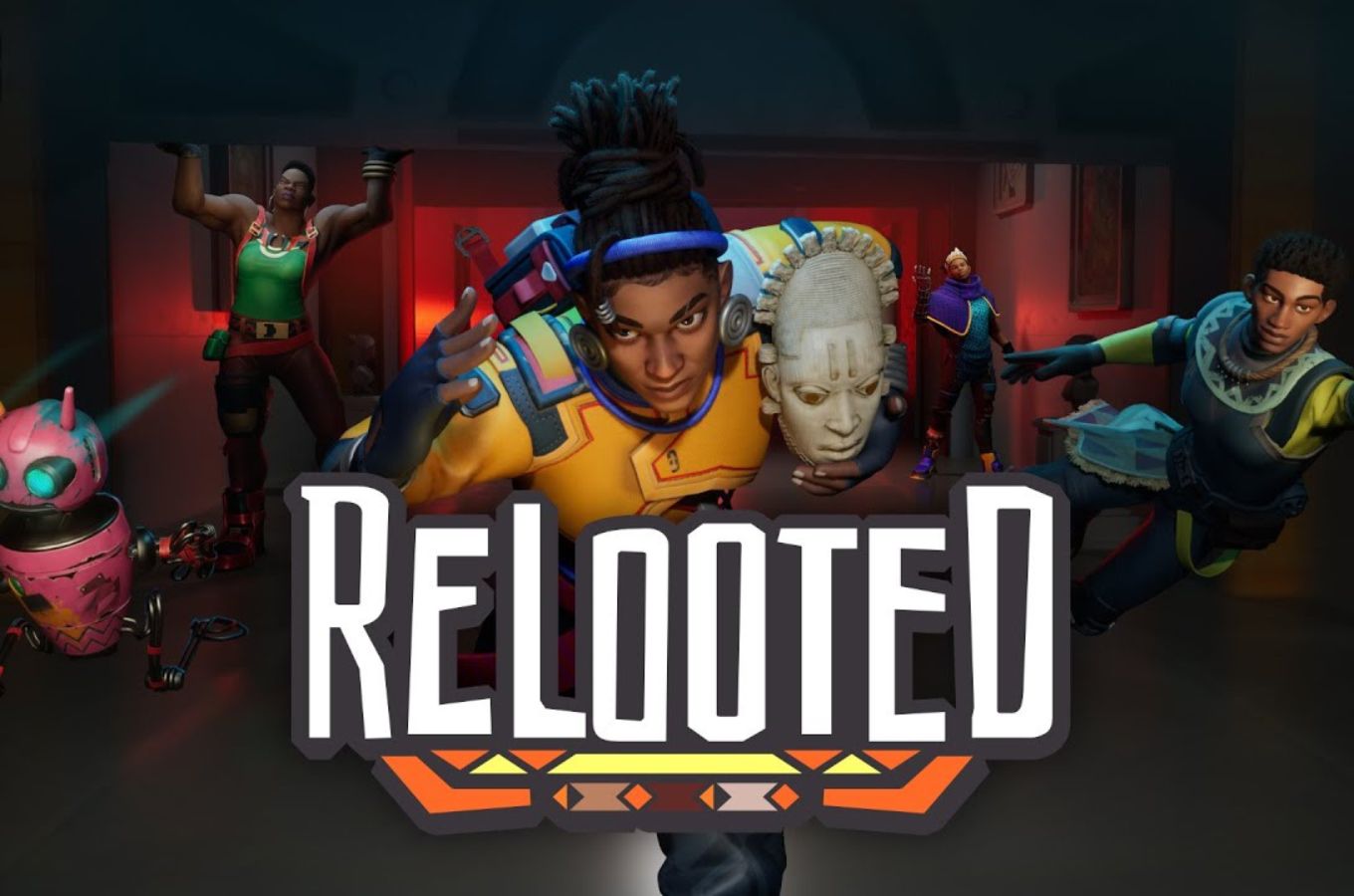
When South African game studio Nyamakop unveiled Relooted at Summer Game Fest in Los Angeles this June, they didn’t just reveal another heist game. They presented what may be gaming’s boldest statement on cultural repatriation, a medium where players actively reclaim stolen African artifacts from Western museums through elaborate digital heists.
Relooted is described as a heist game set in “an African Futurism-inspired 21st century, in the wake of a treaty that promised to repatriate African artifacts from Western museums. But a last-minute twist soured the deal, and now your team of crew members from different African countries must work to take back 70 artifacts.” The game’s premise is simple yet politically charged. Set in a near future where an international treaty stipulates that African artifacts must be returned to their countries of origin, players join a crew of Robin Hood-style thieves when museums fail to comply. In Relooted‘s near-future setting, Africans don’t wait for Western institutions to do the right thing, they take action themselves.
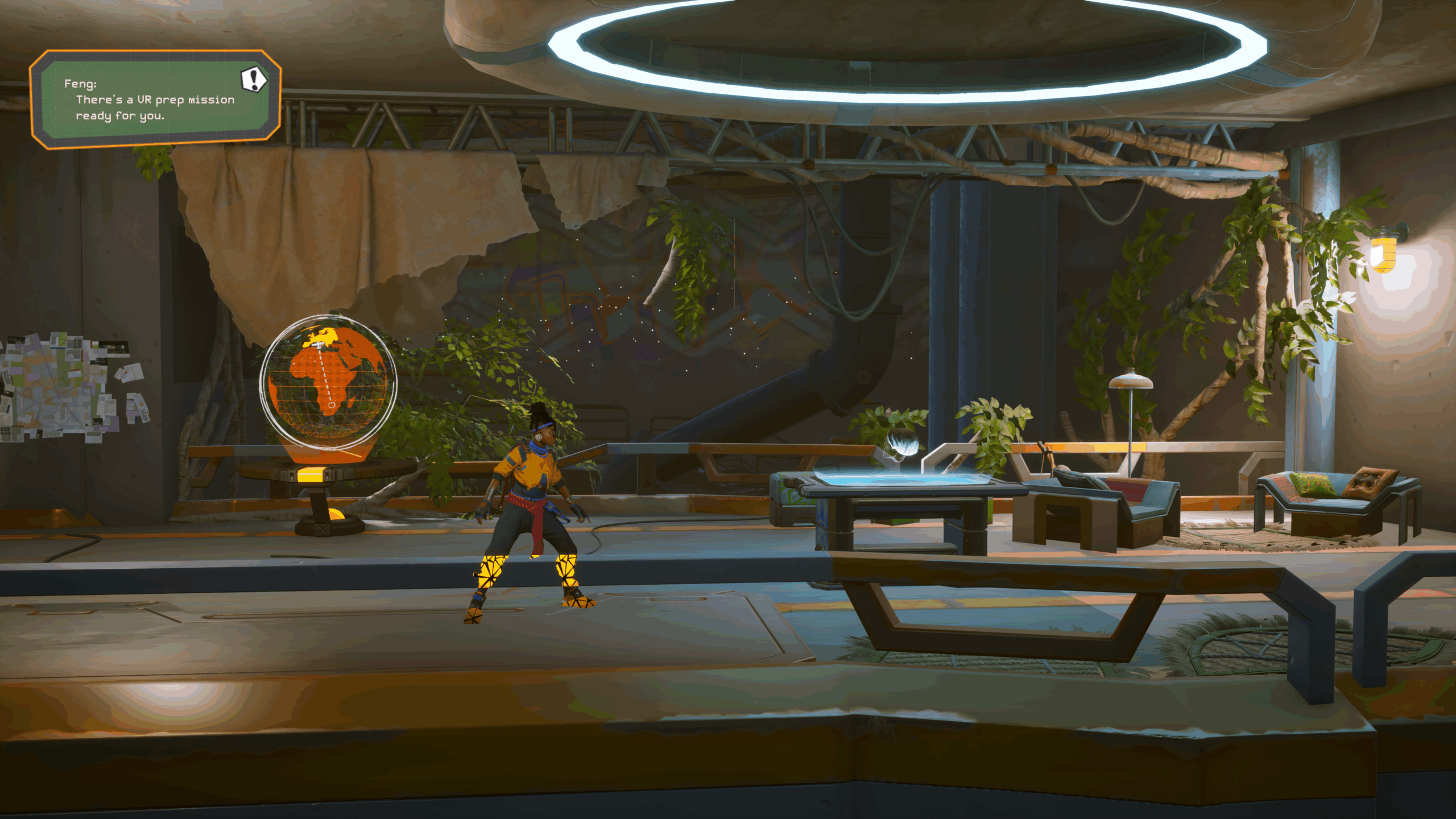
The side-scrolling puzzle platformer, reminiscent of early Tomb Raider or Prince of Persia games, tasks players with staging elaborate heists to retrieve what was never rightfully taken in the first place.
Players seek to reclaim real African artifacts from Western museums by recruiting crew members, planning escape routes, and executing daring museum break-ins. But beneath its slick gameplay mechanics lies a profound question: can interactive media succeed where decades of diplomatic efforts have struggled?
The numbers behind Relooted‘s fictional premise tell a sobering real-world story. Western collections are said to hold 90% of sub-Saharan African cultural heritage, a staggering figure that transforms the game from entertainment into advocacy. When major institutions like the British Museum house thousands of African artifacts, many acquired during colonial periods, Relooted becomes less about fantasy and more about frustrated justice.
This isn’t Nyamakop’s first foray into politically conscious gaming. The Johannesburg-based studio has built a reputation for creating games that engage with African identity and social issues. But Relooted represents their most direct confrontation with historical injustice, using the heist genre, traditionally associated with morally ambiguous protagonists, to reframe who the real criminals are in this scenario.
What makes Relooted particularly compelling is how it weaponizes the medium’s interactive nature. Unlike documentaries or academic papers about repatriation, the game places players in the role of active agent. This participatory element transforms abstract policy debates into visceral, personal experiences.
The game adopts a “Robin Hood-style mission” approach, deliberately invoking folklore’s most famous wealth redistributor. But where Robin Hood stole from rich individuals, Relooted‘s protagonists target institutions that have built entire identities around displaying other cultures’ treasures.
 The timing is significant. Real-world repatriation efforts have gained momentum in recent years, with institutions like the Smithsonian and various European museums beginning to return artifacts. France has committed to returning items to Benin, while Germany has announced plans to return Benin Bronzes. Yet progress remains frustratingly slow, hampered by bureaucracy, legal complexities, and institutional resistance.
Gaming communities, particularly younger demographics, might encounter arguments for repatriation through Relooted that they’d never encounter through academic or policy discussions. Relooted‘s approach raises intriguing questions about gaming’s role in social justice movements. Can interactive media generate meaningful pressure for real-world change? Or does it risk reducing complex historical injustices to entertainment?
Nyamakop’s game offers something increasingly rare: authentic African voices addressing African concerns through African creative vision. Relooted represents African creators telling African stories through African perspectives. In an industry still dominated by Western studios and narratives.
This creative agency mirrors broader trends in African cultural production, from Nollywood’s global expansion to the international success of African literature. Relooted continues this tradition of African creators refusing to wait for permission to tell their stories.
The game demonstrates how interactive media can engage with serious political topics without sacrificing their fundamental nature as entertainment. It proves that African game developers can tackle complex cultural issues while creating commercially viable products for global audiences.
In an era where museums still house millions of African artifacts obtained through colonial violence, Relooted‘s digital heists might be the kind of creative disruption the repatriation movement needs.
Add it to your wishlist here.





COMMENTS -
Reader Interactions