

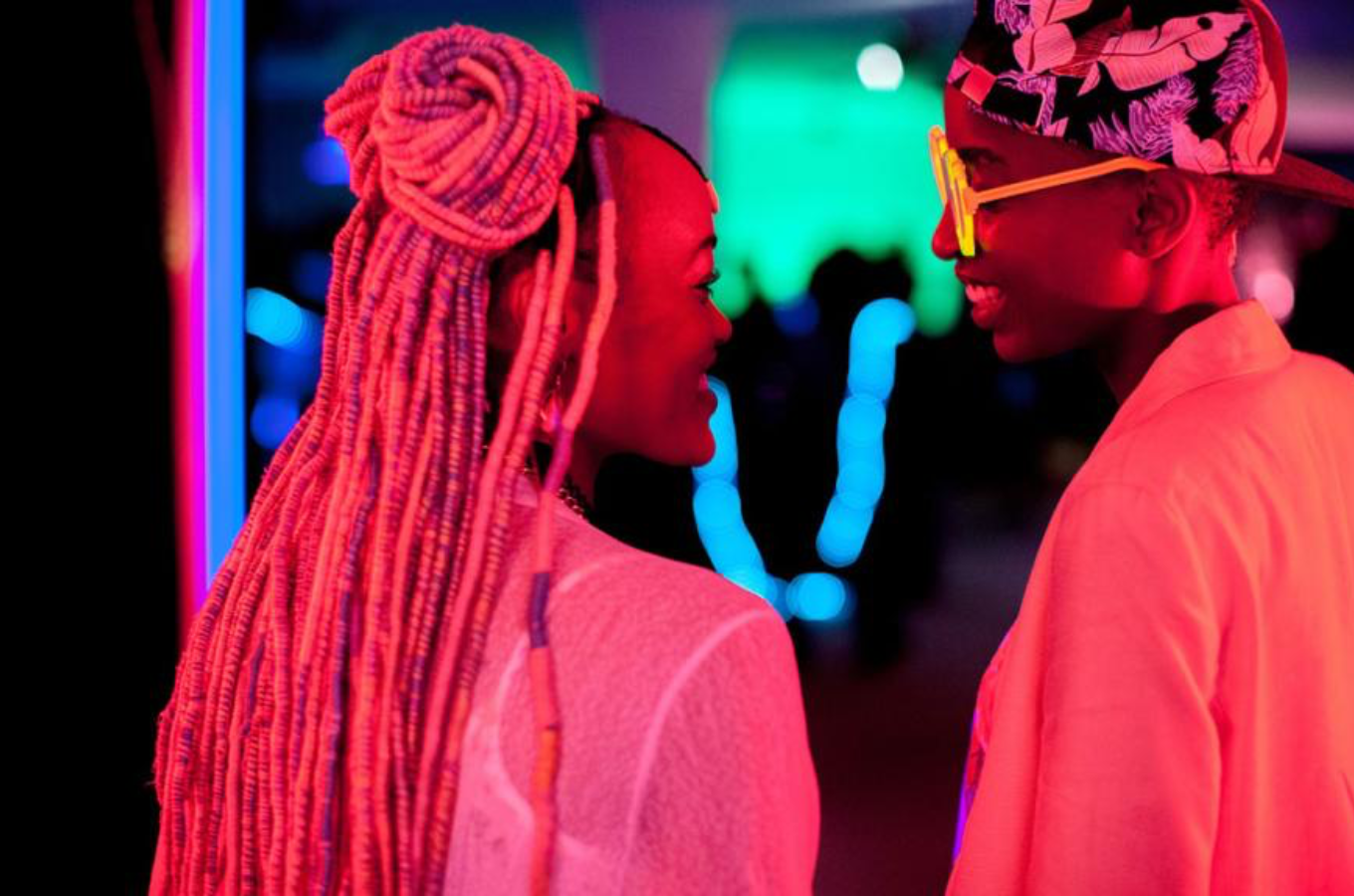
The Kenyan Court of Appeal has ruled that the 2018 ban on Wanuri Kahiu’s film Rafiki was unlawful, marking a significant victory for freedom of expression and LGBTQ+ representation in African cinema.
The three-judge bench found that the Kenya Film Classification Board exceeded its authority when it banned the film, which tells the story of two young women falling in love in Nairobi. The court determined that the board violated Kahiu’s constitutional rights to freedom of expression and artistic creativity, ruling that the ban was procedurally flawed and constitutionally unjustifiable. The decision comes seven years after Rafiki became the first Kenyan film selected for the Cannes Film Festival, only to be prohibited from screening in its home country.
The 2018 ban cited the film’s depiction of same-sex relationships as promoting homosexuality, which remains criminalized in Kenya under colonial-era laws. The Kenya Film Classification Board argued that Rafiki contravened national values and morality, refusing to grant it a classification certificate. Kahiu challenged the ban in court, arguing it violated her constitutional rights. In 2018, a High Court temporarily lifted the ban for seven days to allow the film to qualify for Academy Award consideration, but the full prohibition remained in effect. The film went on to screen internationally at festivals and theaters worldwide while remaining inaccessible to Kenyan audiences, creating the absurd situation where a Kenyan story about Kenyan characters could be watched everywhere except Kenya.
The Court of Appeal’s ruling establishes important precedent for artistic freedom in Kenya and potentially across East Africa. The judges emphasized that the classification board’s role is to classify films, not to act as moral arbiter prohibiting content based on subjective determinations about national values. The court found that the board failed to provide sufficient justification for why the film posed a threat warranting a complete ban rather than age restriction or content advisory. This distinction matters significantly for future cases, as it limits the board’s power to impose outright prohibitions on creative work and requires demonstrable harm rather than moral disapproval as grounds for censorship.
The ruling arrives amid ongoing debates about LGBTQ+ rights and representation across Africa, where queer content remains contested and often censored. Kenya’s legal framework criminalizes same-sex relationships, yet the court’s decision affirms that depicting such relationships in art does not constitute promotion and cannot be banned solely on grounds of moral objection. This creates tension between discriminatory laws and constitutional protections for expression, opening space for artists to create work reflecting lived realities even when those realities remain legally precarious. The decision may embolden other African filmmakers facing censorship for queer content, though implementation and enforcement remain uncertain.
For Kahiu and Kenyan cinema more broadly, the ruling represents vindication after years of legal struggle. Rafiki—adapted from Monica Arac de Nyeko’s short story “Jambula Tree”—has been celebrated internationally while remaining banned at home, a dynamic that highlighted how censorship often punishes local audiences more than filmmakers who can find distribution elsewhere. Whether the ruling translates into actual screening opportunities in Kenya depends on how the classification board responds and whether theaters will risk exhibiting the film given persistent social hostility toward LGBTQ+ content. Regardless, the legal precedent stands: banning art because it depicts marginalized communities is unconstitutional, and filmmakers have the right to tell stories that challenge dominant narratives about who belongs in the national imagination.







COMMENTS -
Reader Interactions