

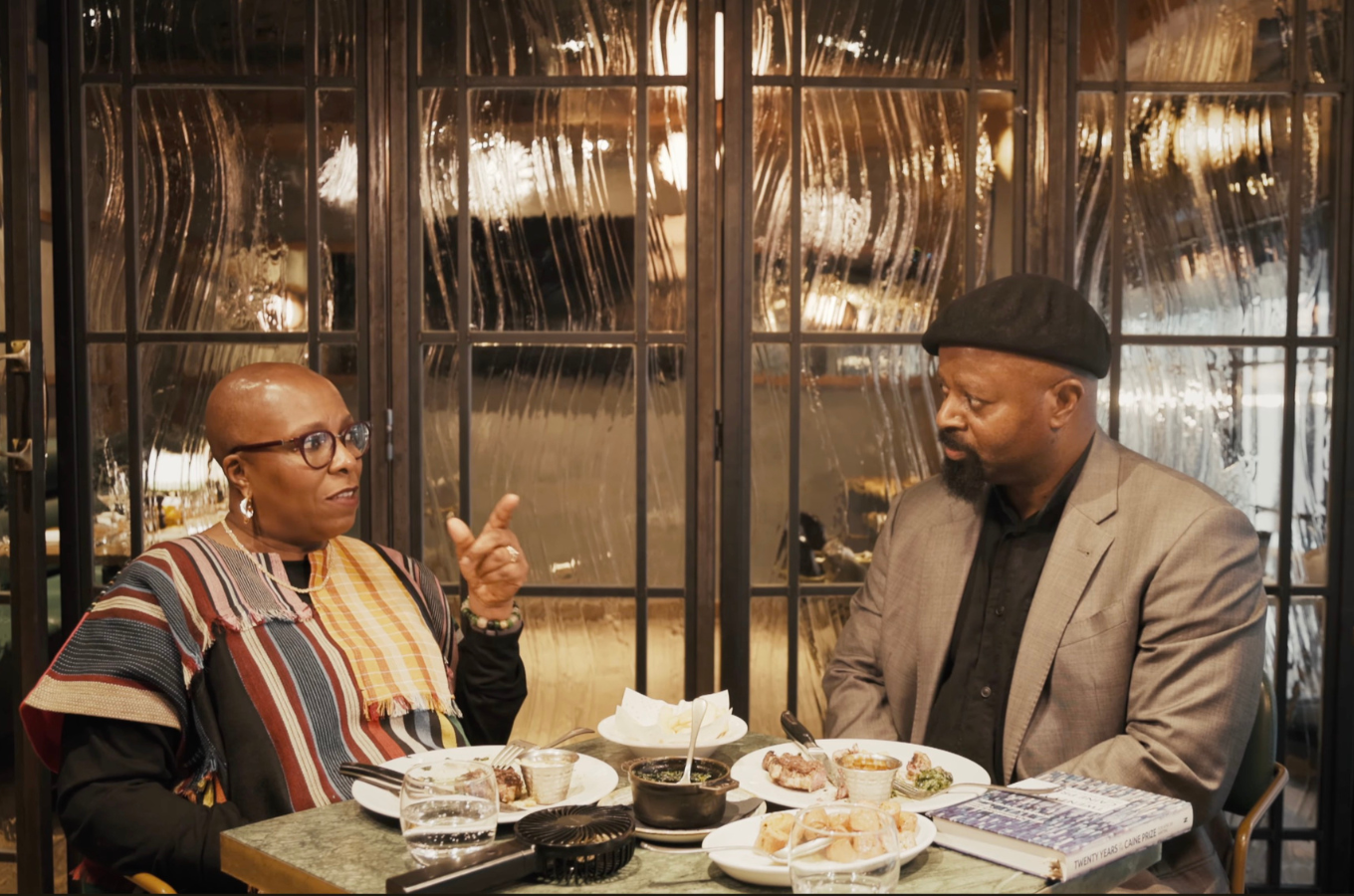
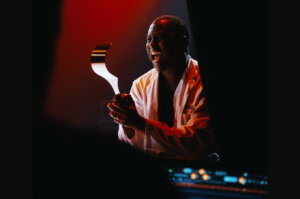
Sir Ben Okri, Booker Prize-winning author of The Famished Road and vice-president of the Caine Prize for African Writing, has sat down with 2026 Chair of Judges Bola Mosuro veteran BBC World Service broadcaster and host of the new podcast Breaking Bread with Bola, for a conversation on craft, the short story, and African literature published on the Caine Prize YouTube channel.
Mosuro raises what she calls the regenerative role the prize has played, not just for winners, but for the shortlist. Okri agrees, and the conversation settles into what becomes its real subject: the short story as a literary form and as a school of discipline. Okri is unequivocal. “The short story for me is one of the greatest literary forms,” he says, “because you can capture a world in a thumbnail.” But more than that, he insists it is the best training ground a writer can have, arguing that “with the novel, you can write pages and pages and the writing is bad; with the short story, you can’t get away with one sentence being bad,” and insisting that the opening line must grab the reader “by the collar” or the piece has already failed.
He pushes back against the tendency in African writing to be solely a mirror of political suffering, calling instead for literature as a feast, “you have jollof rice, you have fufu, you have fried plantain; you don’t always have to have the huge meat dishes”, and urges writers not to shy away from small, strange, or unconventional stories, since “it’s more worth telling precisely because it’s not a big, clichéd story.” The conversation also touches on the transformative power of Caine Prize recognition, with Okri noting that being shortlisted opens up “people’s perception of their possibilities” and draws the attention of those who can “totally transform their lives.”
It is Mosuro who draws out the final, generous idea that being shortlisted for the Caine Prize might itself help a writer crystallise what is unique about their voice. Okri agrees. Recognition, he says, “transforms, opens up people’s perception of their possibilities. Gives them confidence. Gives them a deepened sense of vocation. In many cases, it makes them feel like they’re not wasting their time.” And then, importantly: “The second most powerful thing that it does is that it draws attention to them from people who can totally transform their lives.”
This is the kind of conversation the Caine Prize was built for: people with deep roots in African storytelling, speaking plainly about what literature is for and what it demands. Watch the full conversation here.

COMMENTS -
Reader Interactions