

 Book influencing has become an integral part of today’s literary ecosystem. From the rise of BookTok conversations that can turn titles into bestsellers overnight to the carefully curated world of Bookstagram, the way readers discover and engage with books has changed dramatically. Publishing houses are paying attention too, with companies like Penguin Random House increasingly partnering with book influencers through campaigns, ambassador programmes, and online activations. Their presence has become impossible to ignore.
Yet, despite their growing visibility, many people still question the value of book influencers and what exactly they contribute to literary culture. They are often dismissed or unfairly compared to book critics and reviewers, even though the roles are fundamentally different. While critics and reviewers tend to focus on close analysis, interpretation, and evaluation of a text, book influencers operate differently: they build communities around books, create excitement, and shape reading culture through enthusiasm and conversation. In many ways, they function as cultural mediators between books and audiences, especially younger readers discovering literature online.
This distinction becomes even more important within African literature, where book influencers have played a significant role in amplifying new releases and driving readership. But what exactly is the role of a book influencer within the literary ecosystem? Are they simply marketers with ring lights and reading lists, or have they fundamentally changed the way books circulate and connect with readers?
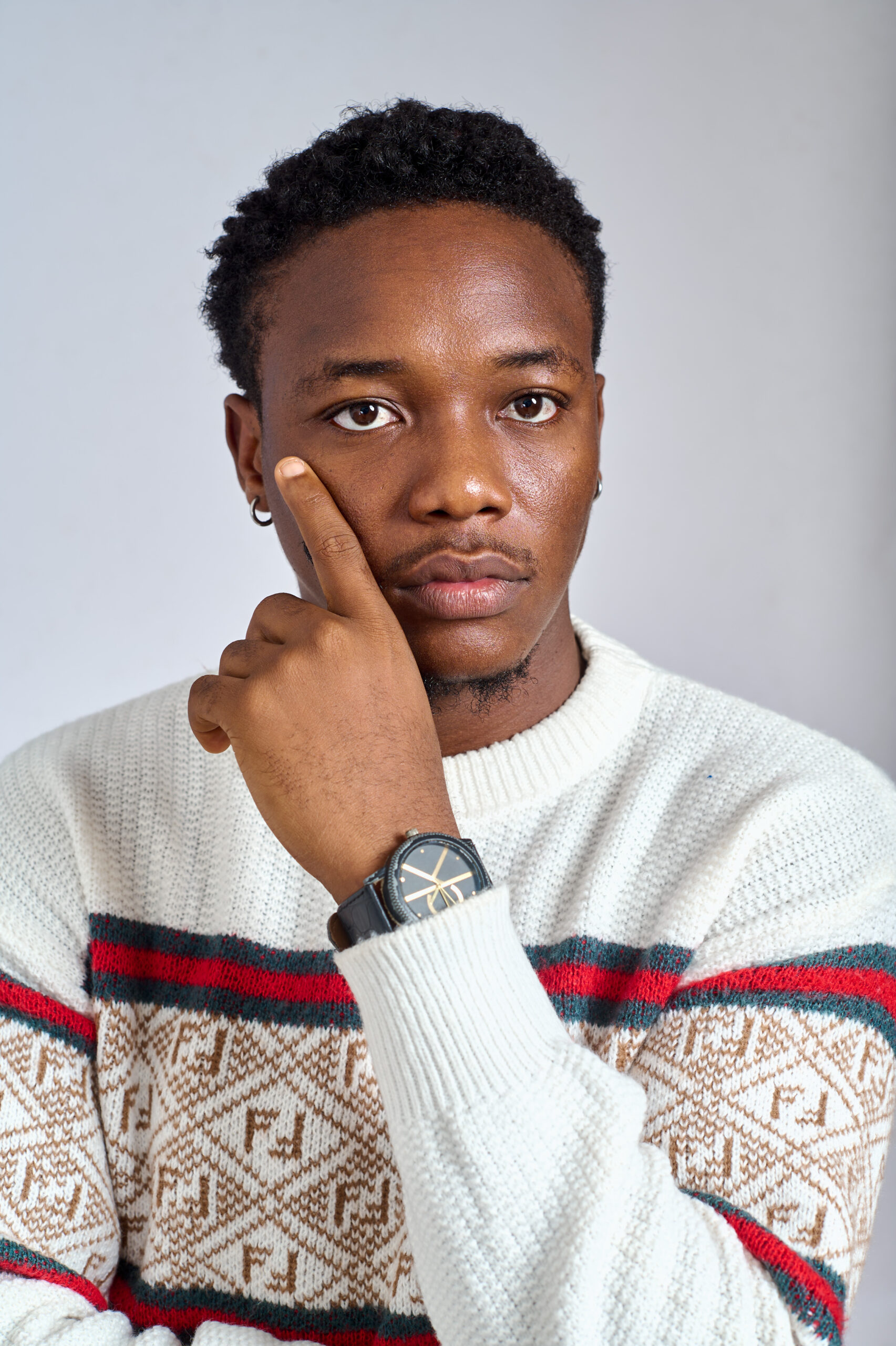
To explore these questions, we spoke with IkeGod, one of Nigeria’s foremost book influencers, about what book influencing really means, how it differs from criticism and reviewing, and the impact influencers have had on publishing, readership, and literary culture today.
Brittle Paper
Many people reduce book influencing to aesthetics and online trends, but beyond the visuals, how have book influencers materially shaped African literature and reading culture?
IkeGod
I think book influencers have changed the interest of people towards reading. Over time we’ve seen that people just read books and write very long, not boring, but very long texts about said books. But with the advent of social media and pictures and videos, there is an increasing number of people who are interested in books based off the reactions from book influencers.
We’ve seen people review books or talk about books and make videos or post pictures about those books and we’ve seen the comments that we’ve gotten from these posts. People saying, ‘Oh, where can I get this book?’ ‘Who is this author?’ Them having conversations around the motives of the characters and all of that in real time. Meanwhile, prior to now, we never had that.
This is in the way I talk about books and also in how I present them to younger readers. They tend to be more interested because it’s something they can relate to. Something I always say is that most of my reviews are like mini trailers of what these books are about, so you get a sense of whether this is a book you want to read or not.
Brittle Paper
Have you observed any shift in the way younger readers connect with African literature since book content began gaining popularity online?
IkeGod
Yes. For the longest time we’ve had this conversation that the reading culture in Nigeria is dead. But for the past three to four, five years, we’ve seen more people get involved in reading, more people thinking reading is cool again and more people creating content and taking pictures of their books and telling people about their books.
If it’s not because of the influencers who have presented these books to them, I don’t know what else would have done that. I genuinely don’t know what else would have done that.
It may come down to differences in mediums of expression. Literary criticism and reviews are often published on Substack or blogs that don’t always reach wide audiences. But with the rise of TikTok, Instagram, and X, book influencers can connect with readers much more directly. They can share content in the same digital spaces where their audiences already are, making it easier for book conversations to circulate and be consumed in real time.
Brittle Paper
Do you think book influencers have stepped into a gap in book marketing that traditional publishing hasn’t fully addressed?
IkeGod
Oh yes, I greatly think that book influencers have become part of the marketing ecosystem publishers are failing to provide because when you look at the marketing in Nigeria for books especially, it’s mostly just book announcements and auto-acquisitions and that’s about it.
I still think that there’s so much room for us. There are so many marketing angles or strategies that we can employ to push books. But at the helm of these are book influencers who pick up these books, react to them, talk about them, and create relatable content around these books in a way that gets people interested in wanting to read.
So it’s not a case of just them writing long paragraphs, but with videos and texts and pictures and combined media, book influencers have been able to carve out a niche. When books come out and they talk about it, people are eager to read it or start a conversation around it just because of the way the influencer has presented the book.”
Brittle Paper
Critics often say online book culture favours hype over depth. How do you navigate the tension between making books engaging and accessible while avoiding turning them into passing trends?
IkeGod
The truth is trends are not exactly planned for. When a book or content by an influencer goes viral, we often tend to think, ‘Oh yeah, they planned it,’ and so it diminishes the literary depth of the author or writer. But sometimes the truth is that book influencers have the power to do both.
There are a tonne of influencers who, when they talk about a book, they talk about the writing, not just the emotional pull of the book. They talk about how this book made them feel and they talk about the writing.
Whereas a critic can mostly focus on all of the writing techniques, all of the nuances in characters and all of those things, which is very important. As an influencer, there is the place for presenting these books in a way that helps the reader decide whether they want to read this book or not. And I beg to argue that just because an influencer talks about the book or hypes a book up doesn’t mean that the critical depth of it or literary depth of it eludes readers.
There are influencers who also seek to balance it. Whilst they’re hyping up a book, they are also talking about all of the techniques critics would talk about. Are the characters nuanced? Do they have depth? Is the writing good or bad? Are these characters fully fleshed out? Is there a start to them and an end to them? Do we see them grow over the course of the story?
So whilst we might want to limit an influencer’s job to just hyping up the book, I don’t think it does that. I think it’s way more than that. This is not to say that influencers are literary critics. Critics can do their job of critically analysing a text. But our aim as influencers is that we are presenting reading as an option. To say “this is what this book is about, this is how this book made me feel, and this is the area this book is tackling. Is this something you want to read?”
Brittle Paper
Can you name an African book or author whose visibility was significantly boosted by online reader communities and influencers, and why do you think that impact matters to the wider literary ecosystem?
IkeGod
I’ll give you two examples of authors: Fatima Bala and Adesuwa O’man Nwokedi. I made a video for Fatima Bala’s Broken and that video on Instagram alone had over 190,000 views, if I’m not mistaken. On TikTok, I think it was about 200,000, and on Instagram it was over 70,000. I can’t remember the exact numbers right now.
Broken was not traditionally published and so it was out there. When it got traditionally published and people who had read the book started making content around it and reacting to the characters in the book, Broken blew up.
It put Fatima Bala on a pathway whereby every single thing she drops sort of sells. Look at what happened with Hafsatu Bebi and even recently what’s happening with her new book, The Lies We Tell. That post on Masobe’s page and even on Twitter has almost 250,000 views. It is content presented well that does that.
The same thing with Adesuwa O’man Nwokedi with her Marriage Class story and all of her books. When these books come out, she sends them to influencers to build up conversations around them and get people talking about the book because she knows the power these people have over the reading culture in Nigeria. Book influencers in Nigeria have done so much in getting young people interested in reading compared to literary critics in the years that they’ve been here.
And with social media, it’s so easy. You can make a content and 100,000 people will see it. From those 100,000, maybe 50k have it at the back of their minds. When they go to the bookshop, that book you’ve posted is what comes to their mind for them to get.
I genuinely think that book influencers, I dare say to some extent, are shouldering the work of marketing in Nigeria today and are very pivotal and very important to the growth of the ecosystem of publishing in Nigeria right now.
Brittle Paper
Thank you so much for speaking with us.
IkeGod
Thank you for having me.


COMMENTS -
Reader Interactions