

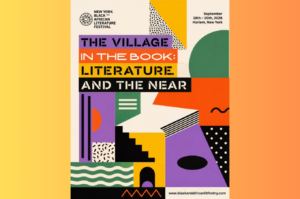
The New York Black and African Literature Festival (NYBALF) is calling for event proposals from writers, artists, and community organizers ahead of its second edition, which will take place September 18–20, 2026, holding space in Harlem for writers, poets, thinkers, artists, scholars, activists, and community builders. It’s a timely opportunity for African writers and literary organizers based in the US, particularly in the New York area, to get programming into a festival built explicitly around continental and diasporic connection.
NYBALF describes itself as a project rooted in Pan-African visions of black solidarity, one that treats literature and culture as spaces where continental Africa and the wider Black diaspora have historically stayed in conversation with each other. Founded and directed by Efe Paul-Azino, the festival positions itself in the “psycho-geographic site of the Harlem Renaissance and Black Arts Movement,” aiming to build bridges between communities, amplify movements for justice, and strengthen networks of exchange across the diaspora. Its inaugural edition ran in September 2025; this year’s follow-up expands on that foundation with a new open call for community-programmed events.
The festival is welcoming proposals from writers, artists, scholars, publishers, booksellers, performers, teachers, students, organizers, collectives, and community practitioners, with room for panel conversations, readings, workshops, performances, book-centered gatherings, youth or community programs, and interactive or experimental formats. There’s also space for publishing, translation, and craft sessions, walking tours, listening sessions, or place-based programs, and cross-disciplinary events linking literature with music, film, visual art, theatre, food, fashion, archives, or public life, a fairly wide net for anyone with a literary or cultural idea and a Harlem venue in mind.
Proposals are due by August 7, and organizers are accepting submissions through a linked event proposal form. For African writers and cultural workers building community in the US, NYBALF’s second edition looks like one more sign that Harlem’s long literary history is actively being reopened for new, transnational conversations.


COMMENTS -
Reader Interactions