

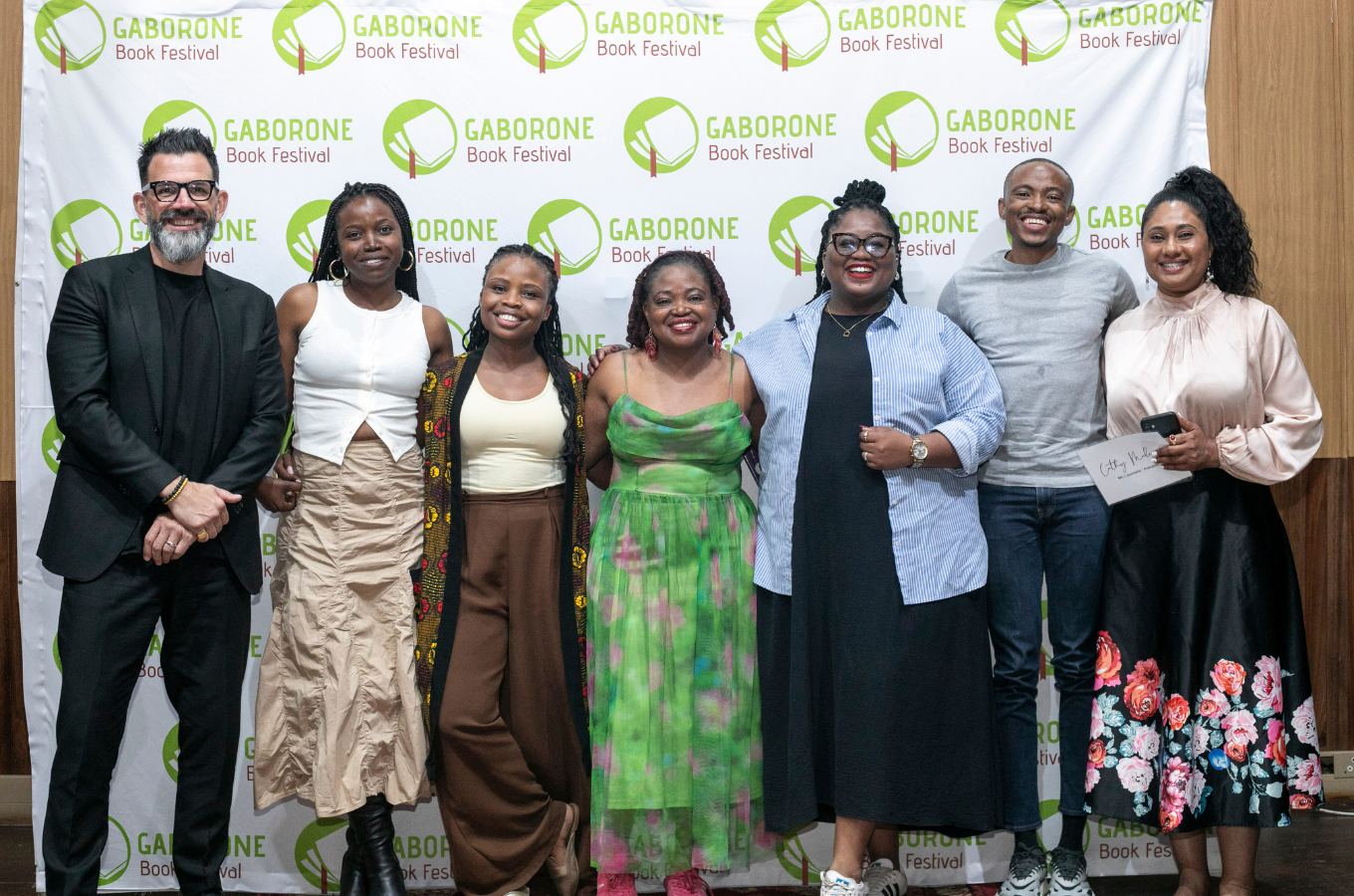
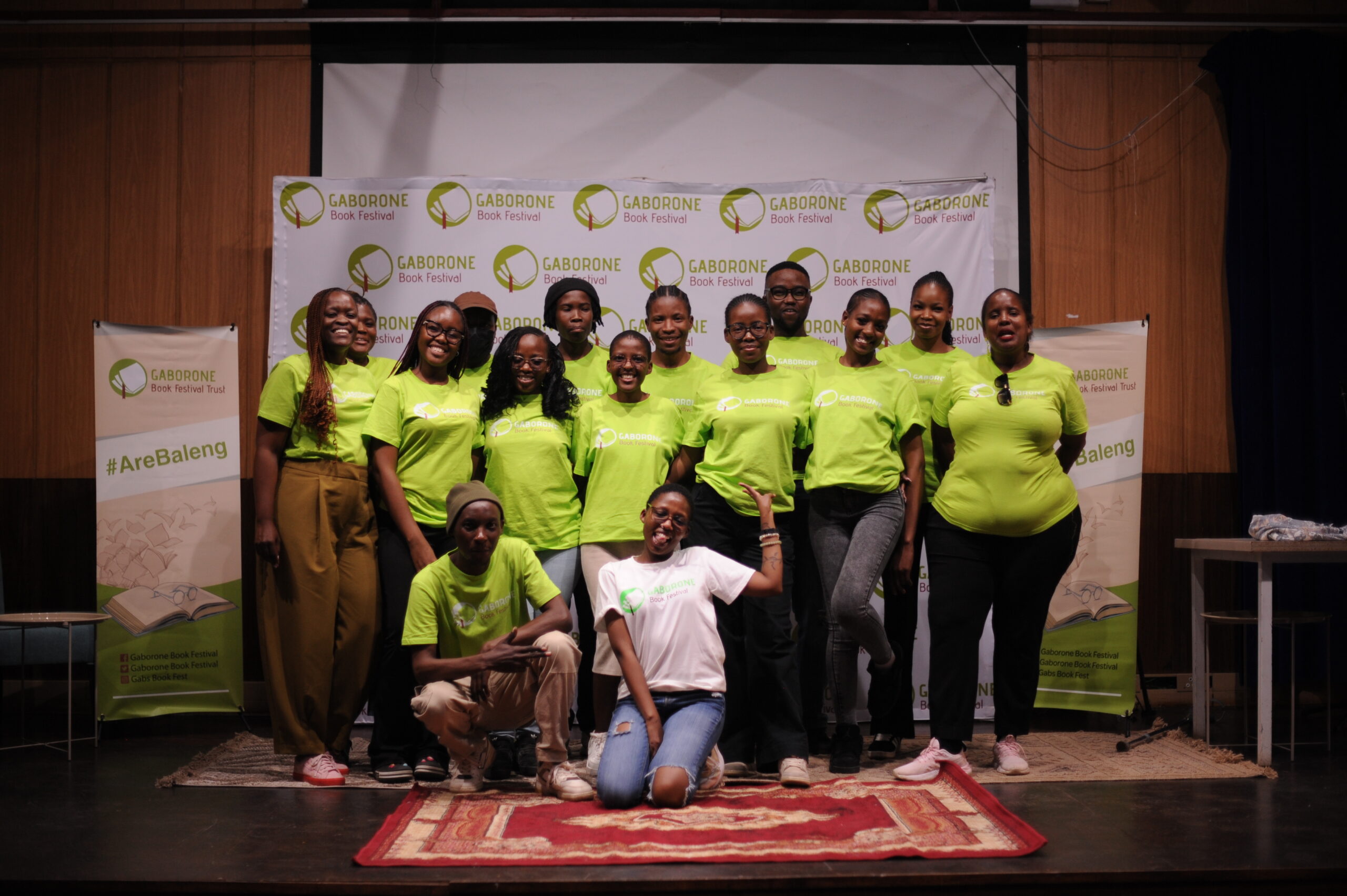
Founded in 2018 by sisters Keikantse and Kenanao Phele, the Gaborone Book Festival (GBF) held its 9th edition August 20–22 at the National Museum of Botswana, marking the flagship festival’s return after a two-year hiatus during which GBF kept its momentum alive through smaller events, quarterly book nights, and student workshops. This year’s comeback carried real weight, arriving with a new institutional partner in the University of Wisconsin-Madison’s Office of the Vice Chancellor for Research, and a theme, “Storytelling and the Environment,” that pushed the festival’s programming beyond the page and into questions of land, climate, and ecological memory.
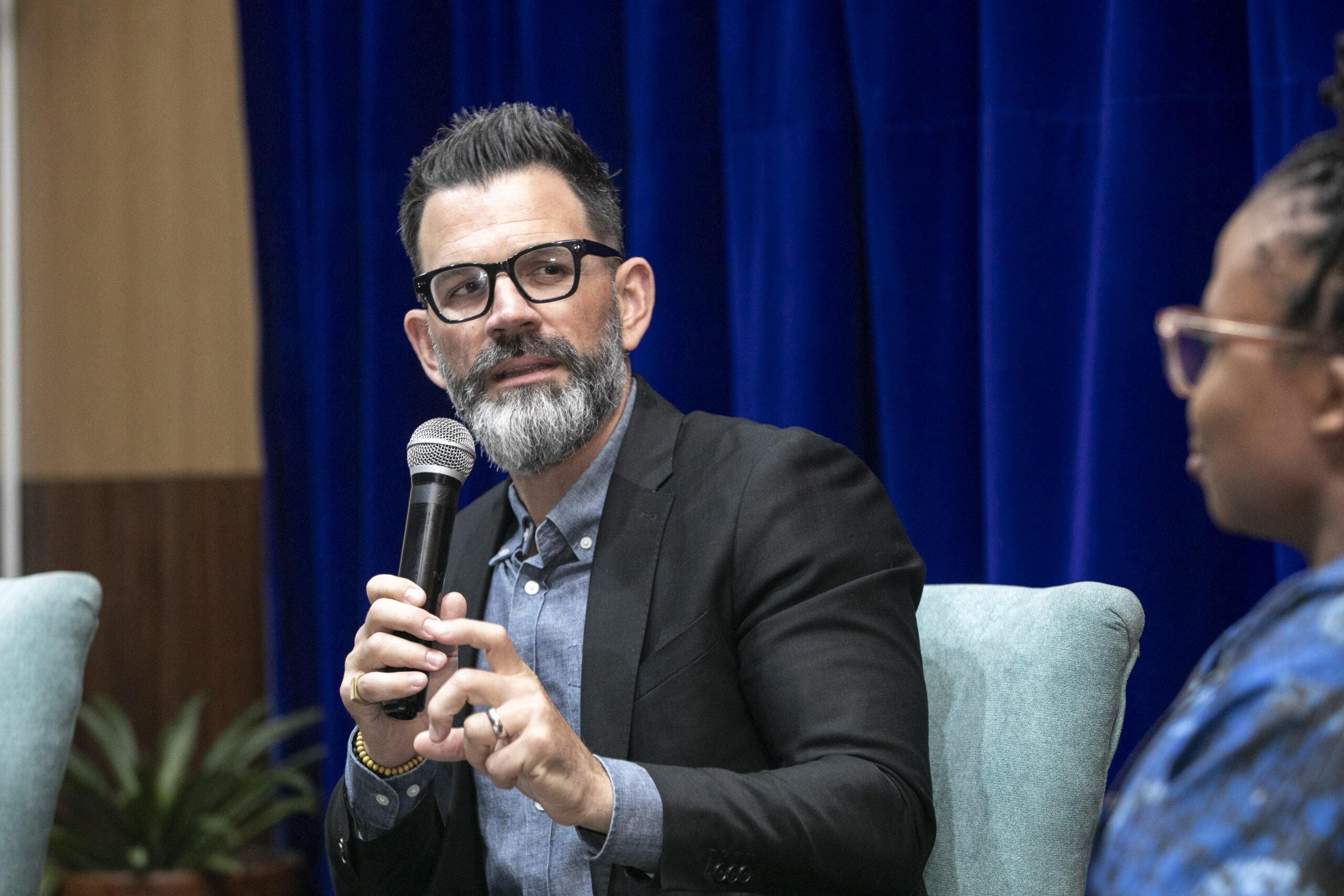
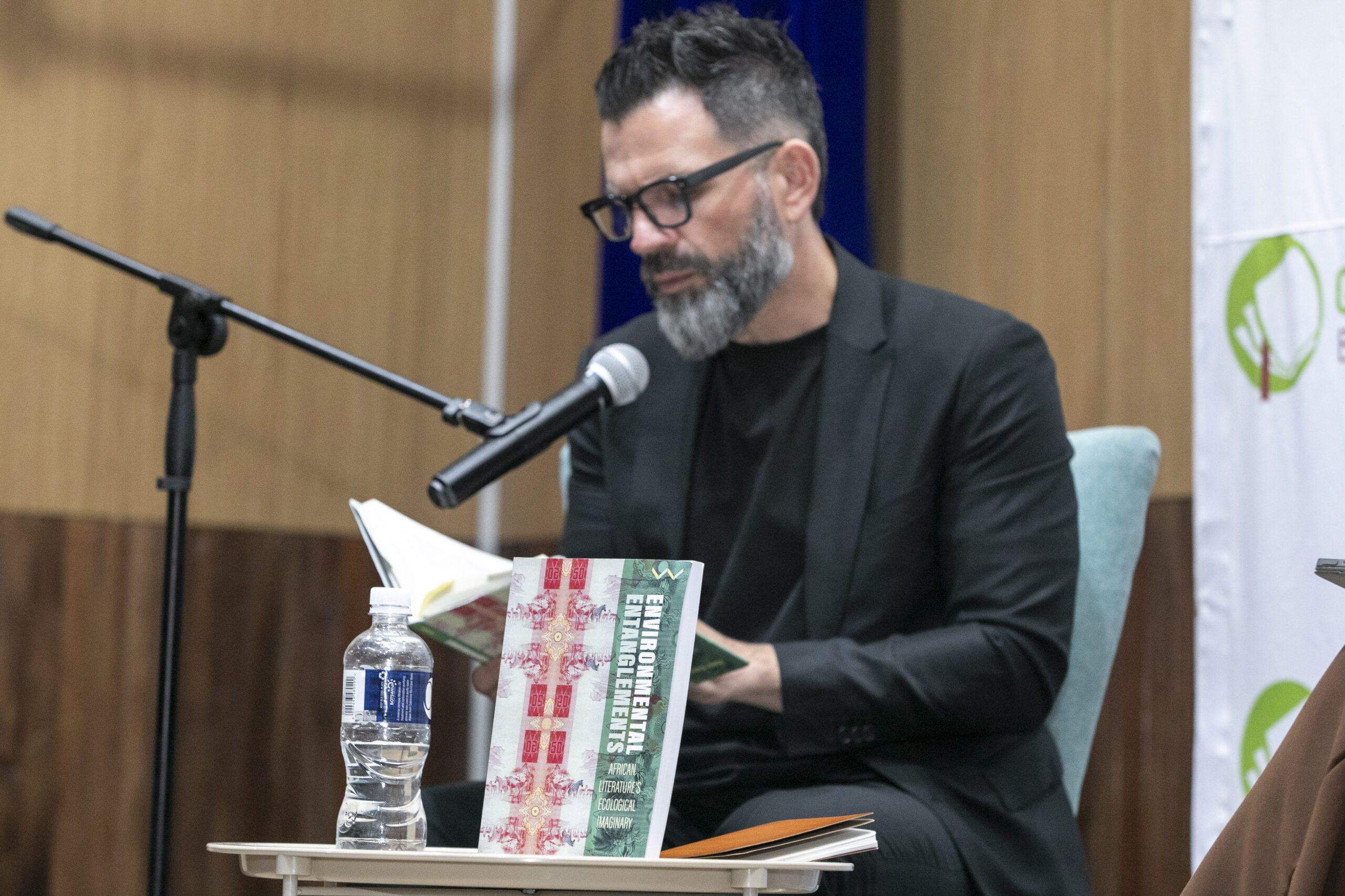
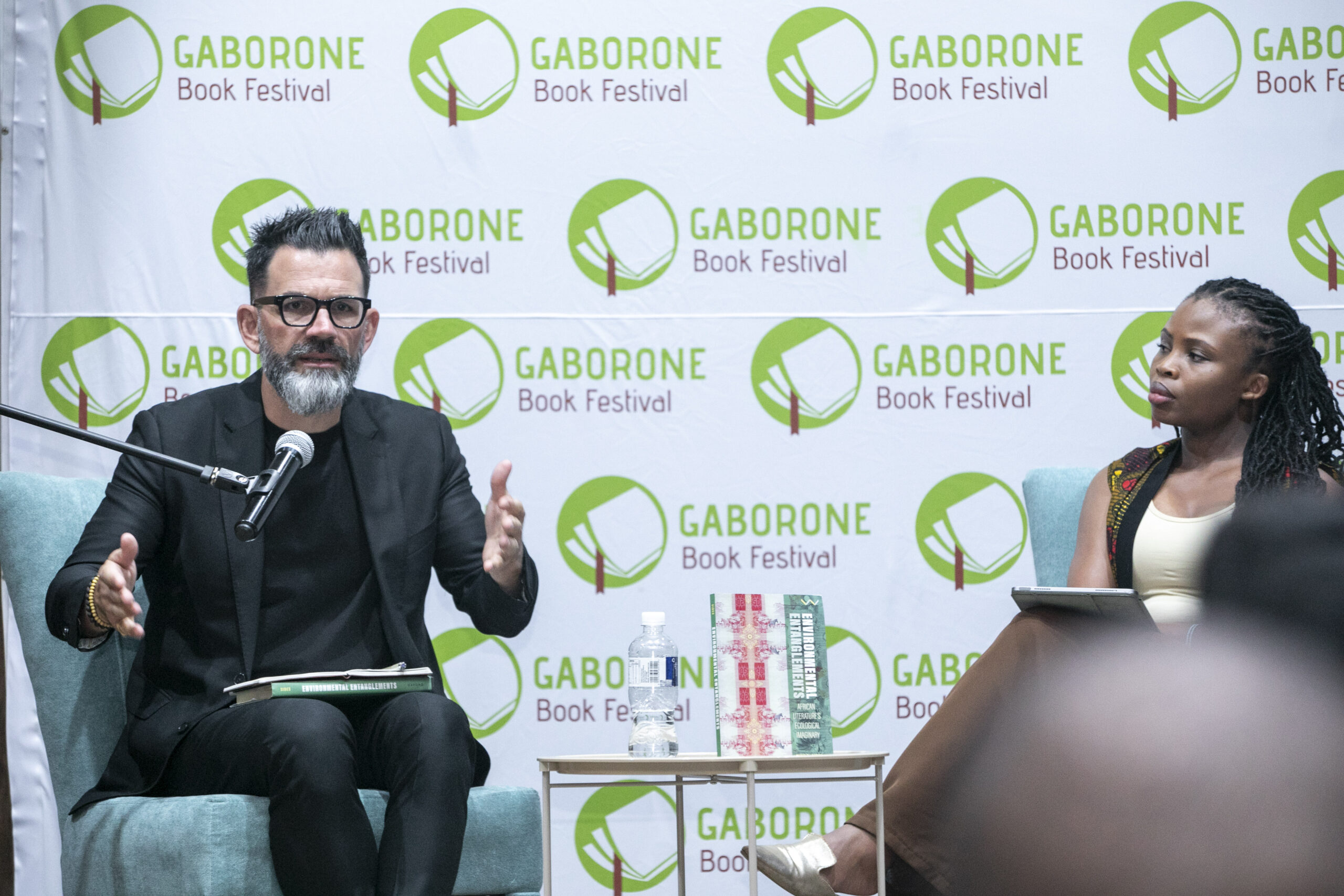
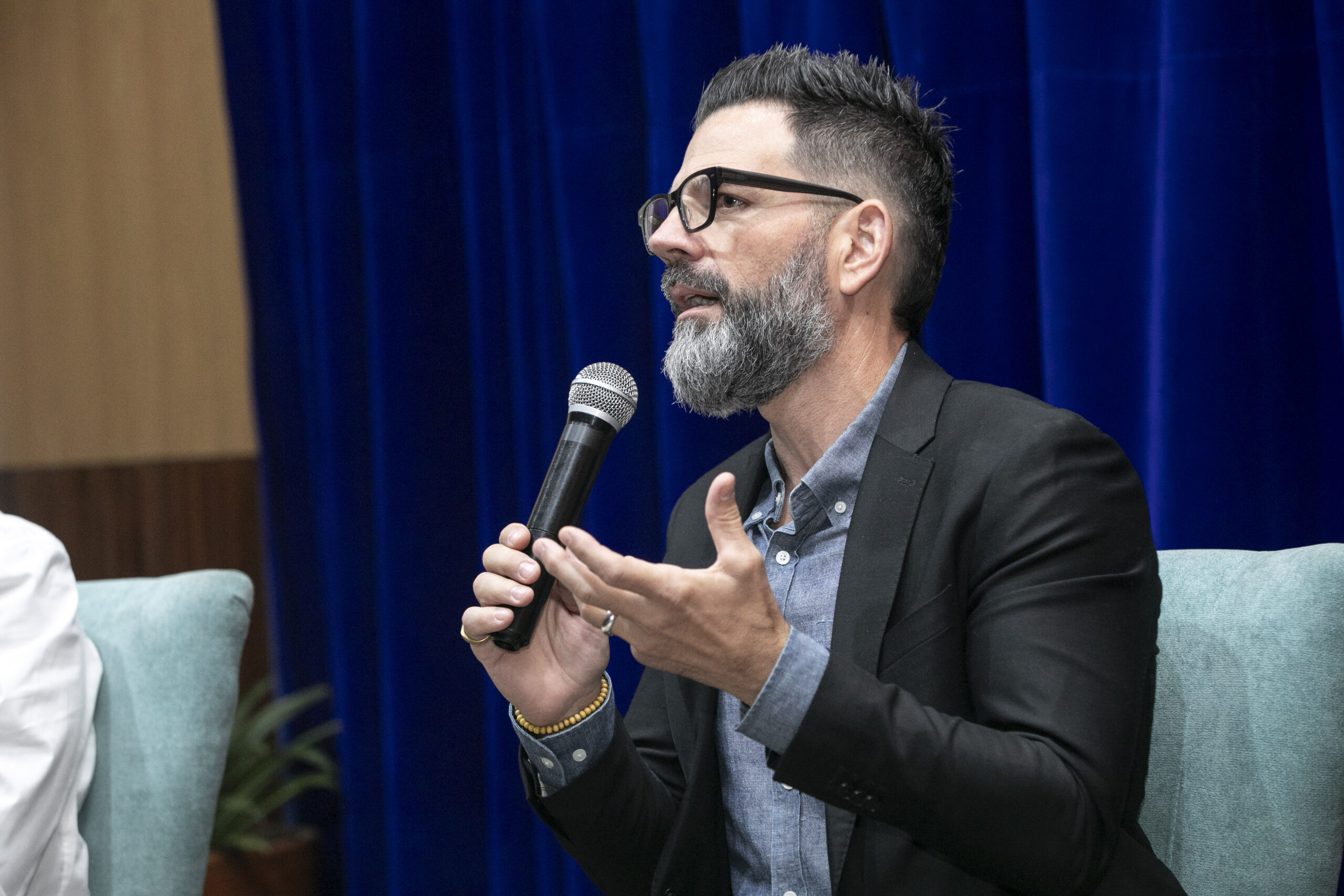
Central to that expansion was Dr. Kirk Sides, an Associate Professor of English and Affiliate Faculty in African Cultural Studies at UW-Madison, who stepped in as co-curator for the 9th edition. Sides brought a research background built specifically for this year’s theme: his book Environmental Entanglements: African Literature’s Ecological Imaginary, published by Oxford University Press in 2025 and released in an Africa continent edition by Wits University Press earlier this year, traces a century of ecological thought running through African literature. That expertise translated directly into the festival’s community programming, as Sides joined Botswana visual artist Onica Lekuntwane and author Gothataone Moeng, a former Carol Houck Smith Fiction Fellow in Creative Writing at UW-Madison, to lead workshops for students drawn from five different primary schools across Gaborone.
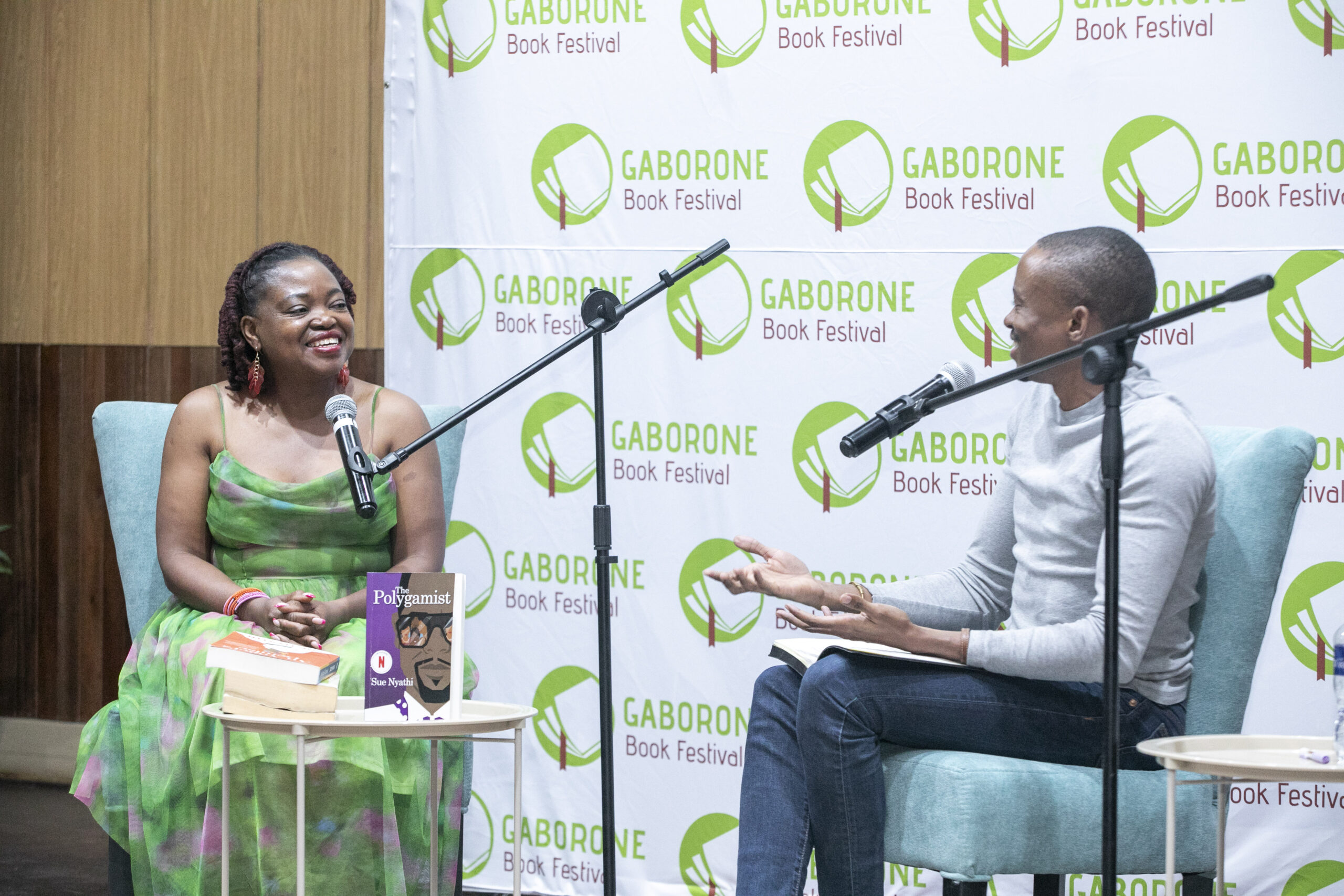
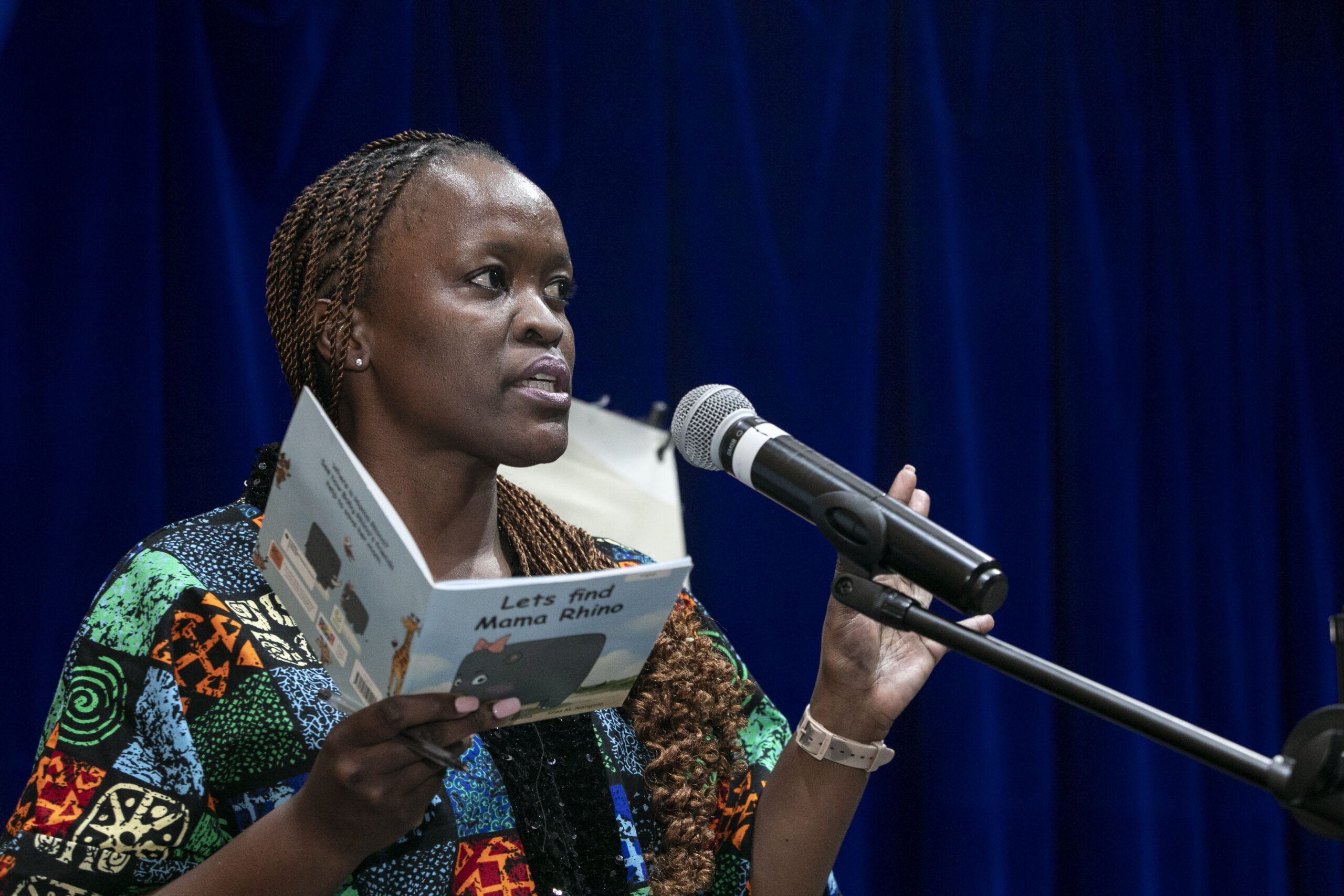
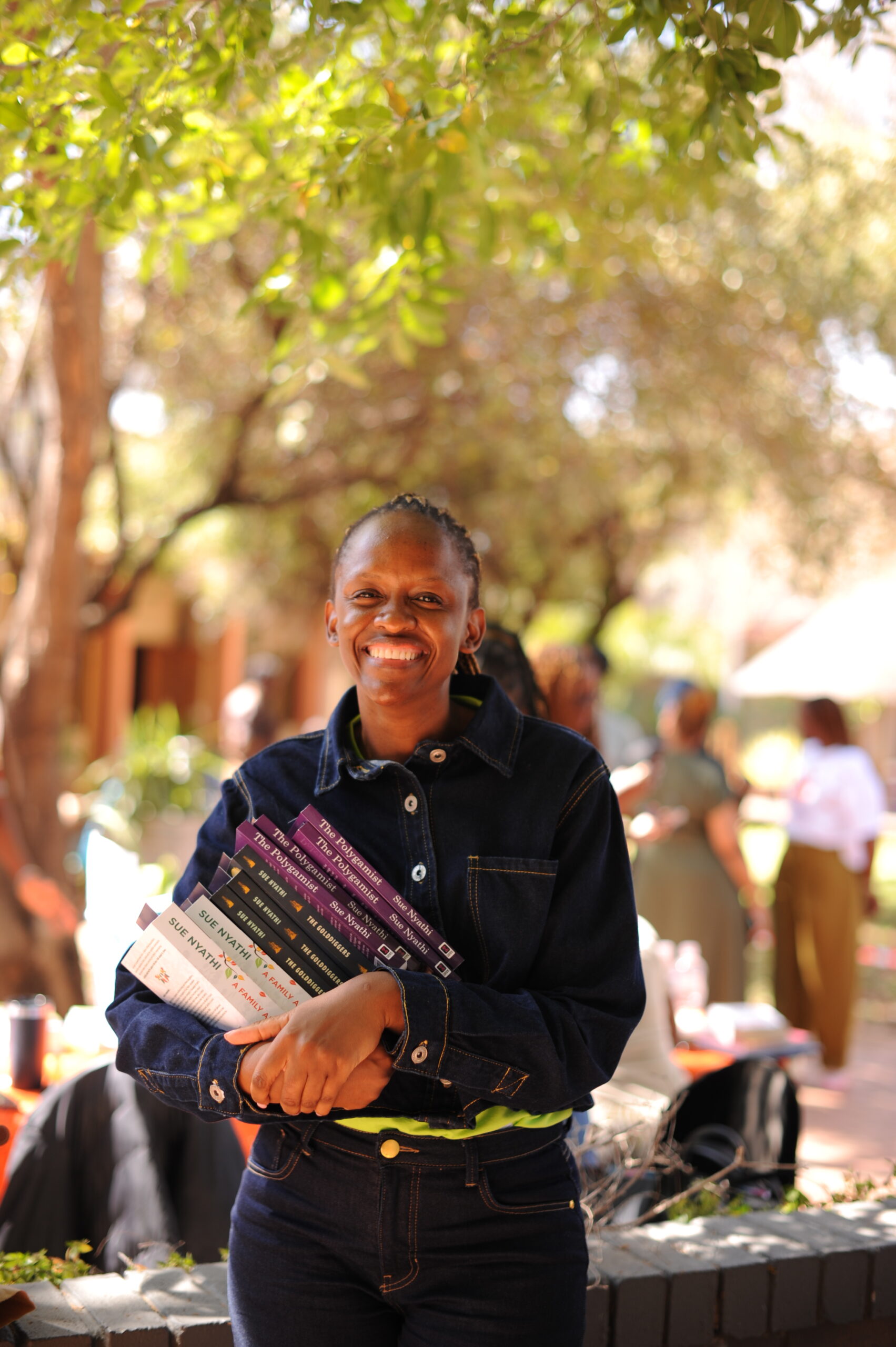
The festival’s roster leaned heavily into homegrown Batswana talent making key milestones in their careers, featuring Moeng alongside photographer Thalefang Charles, internationally acclaimed poet Phodiso Modirwa, debut cookbook author Kenneth Middleton, and writers Angie Chuma, Priscillar Ndadi, and Pearl Stabile Ndovu. Headlining the weekend was novelist Sue Nyathi, whose 2012 novel The Polygamist was recently adapted into the Netflix series of the same name, giving this year’s festival a genuine international pull alongside its local anchors.
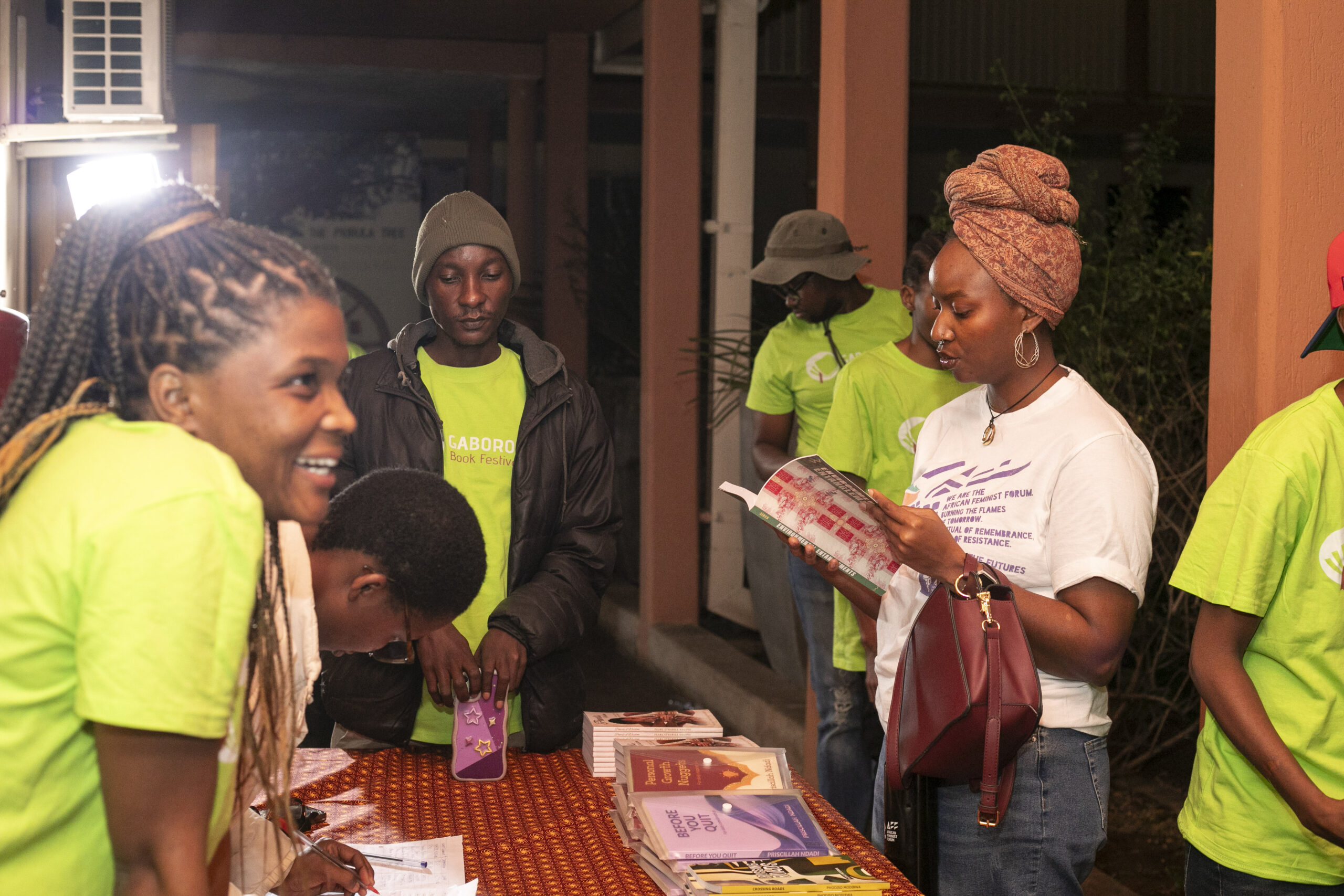
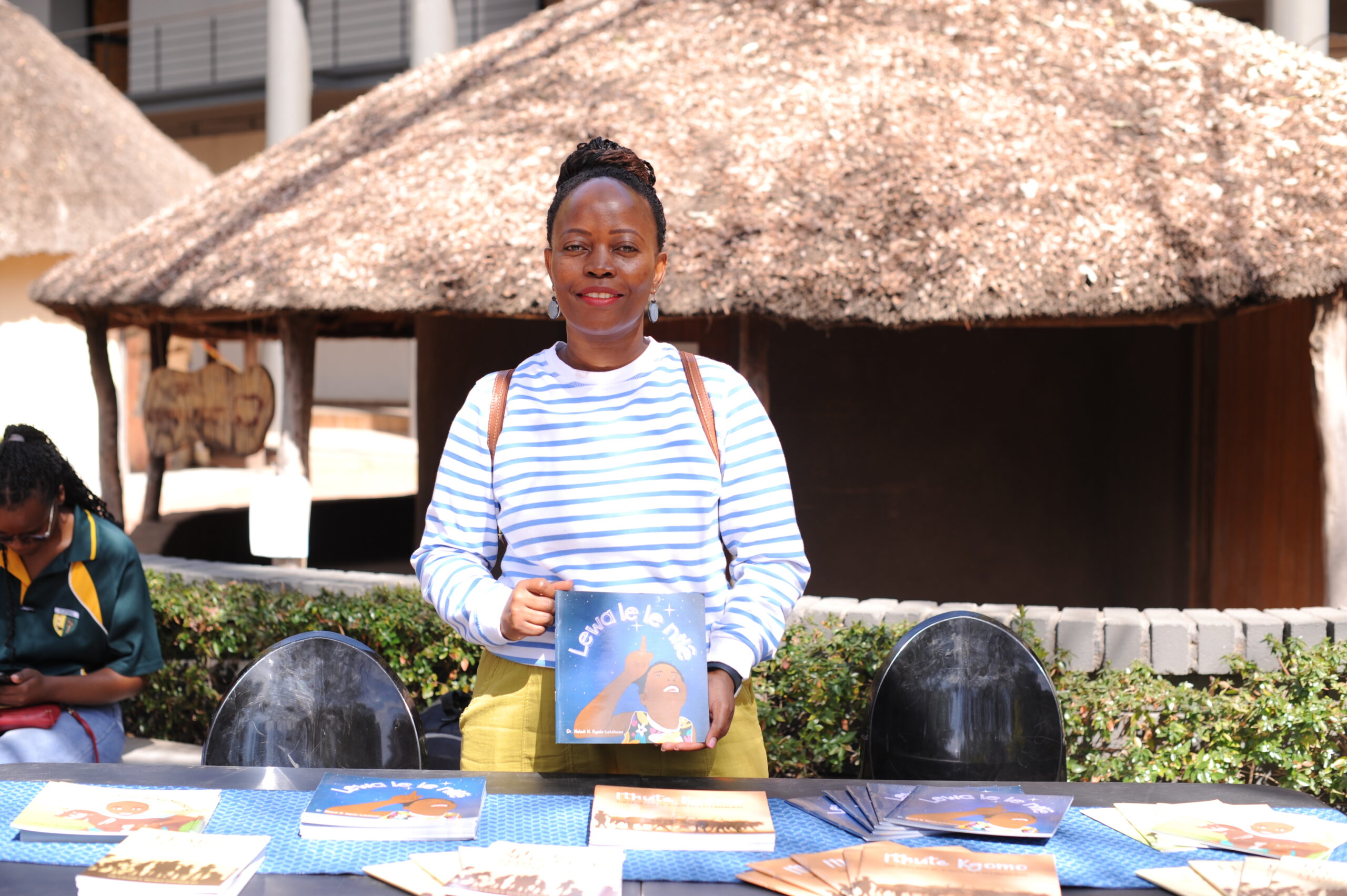
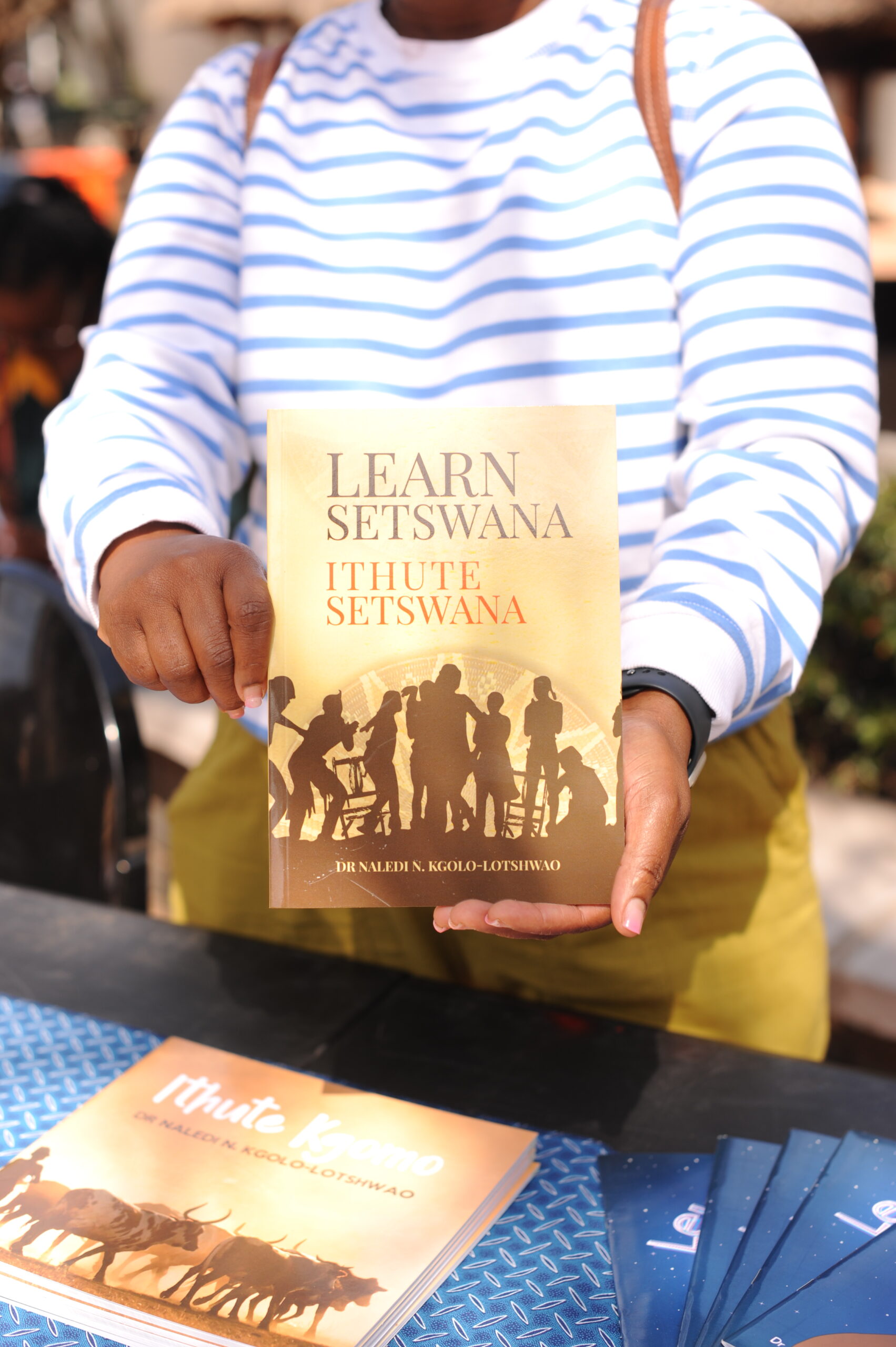
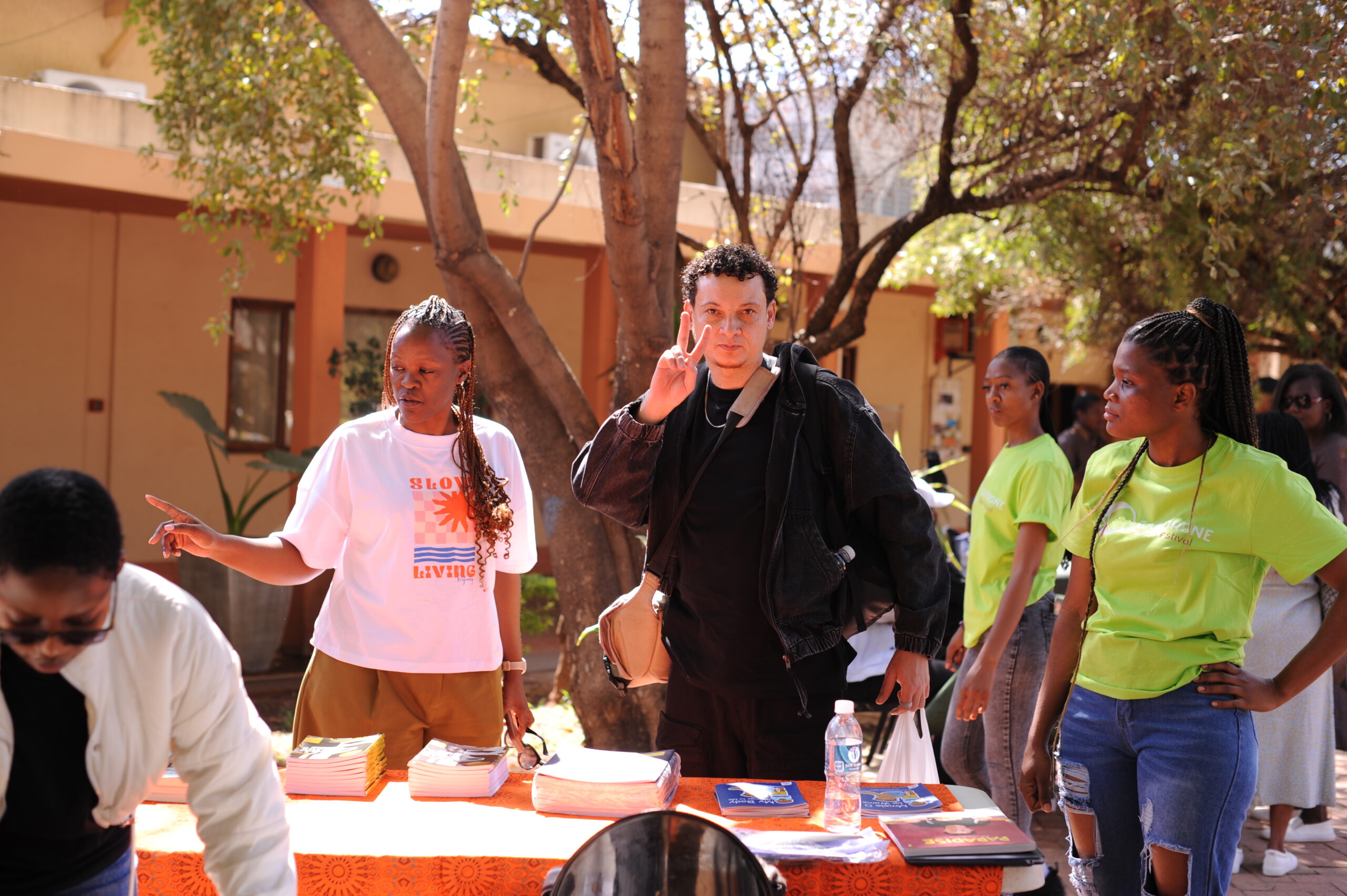
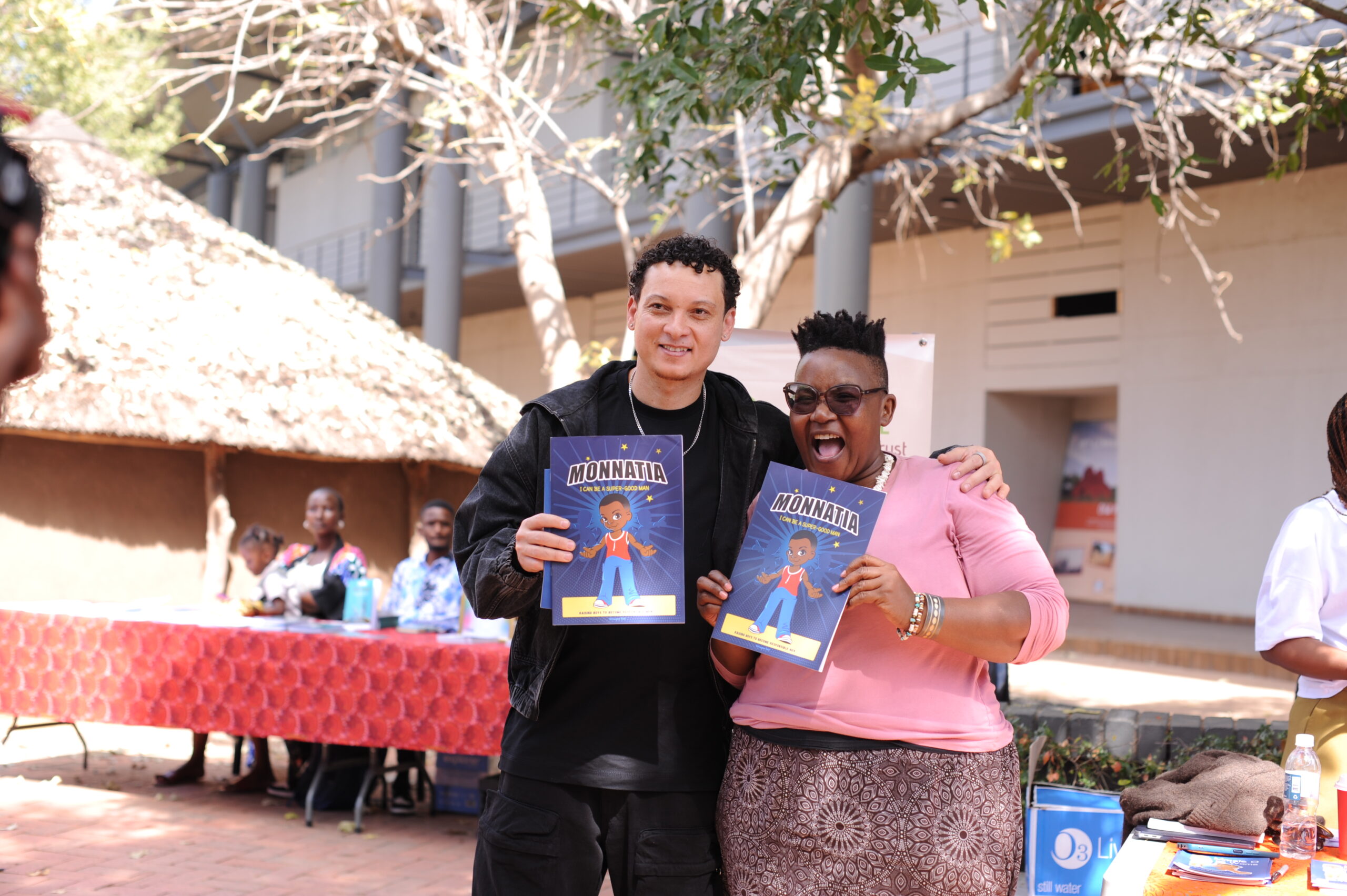
New to this year’s edition was a Book Market, a first for GBF, which filled the National Museum grounds with dozens of local artists and drew hundreds of visitors over the course of the weekend, giving the festival a tangible new gathering point beyond its panels and readings. The market capped off a weekend that also included panel discussions, live poetry performances, and a dedicated children’s festival featuring a writing workshop for roughly 50 young learners drawn from low-income, out-of-town, and hard-to-reach communities around Gaborone, continuing GBF’s long-standing commitment to reaching students who might otherwise have little access to literary mentorship.
The environmental theme also arrived at a symbolically loaded moment for Botswana, landing the same year the country marks its diamond jubilee, 60 years of independence. Conversations throughout the weekend tapped directly into that milestone, using the festival as a forum to reflect on the nation’s trajectory and its future direction, reinforcing literature’s place as a pillar of Batswana civic life alongside its role as pure creative expression.
Eight years after the Phele sisters founded Botswana’s only dedicated literary festival, the 9th edition’s return, expanded, better resourced, and newly partnered with an American research university, stands as proof that the pause never dulled its ambition. If anything, GBF 2026 arrived louder than before, carrying its community programming, its environmental urgency, and its headline names into one of the festival’s most fully realized editions yet.
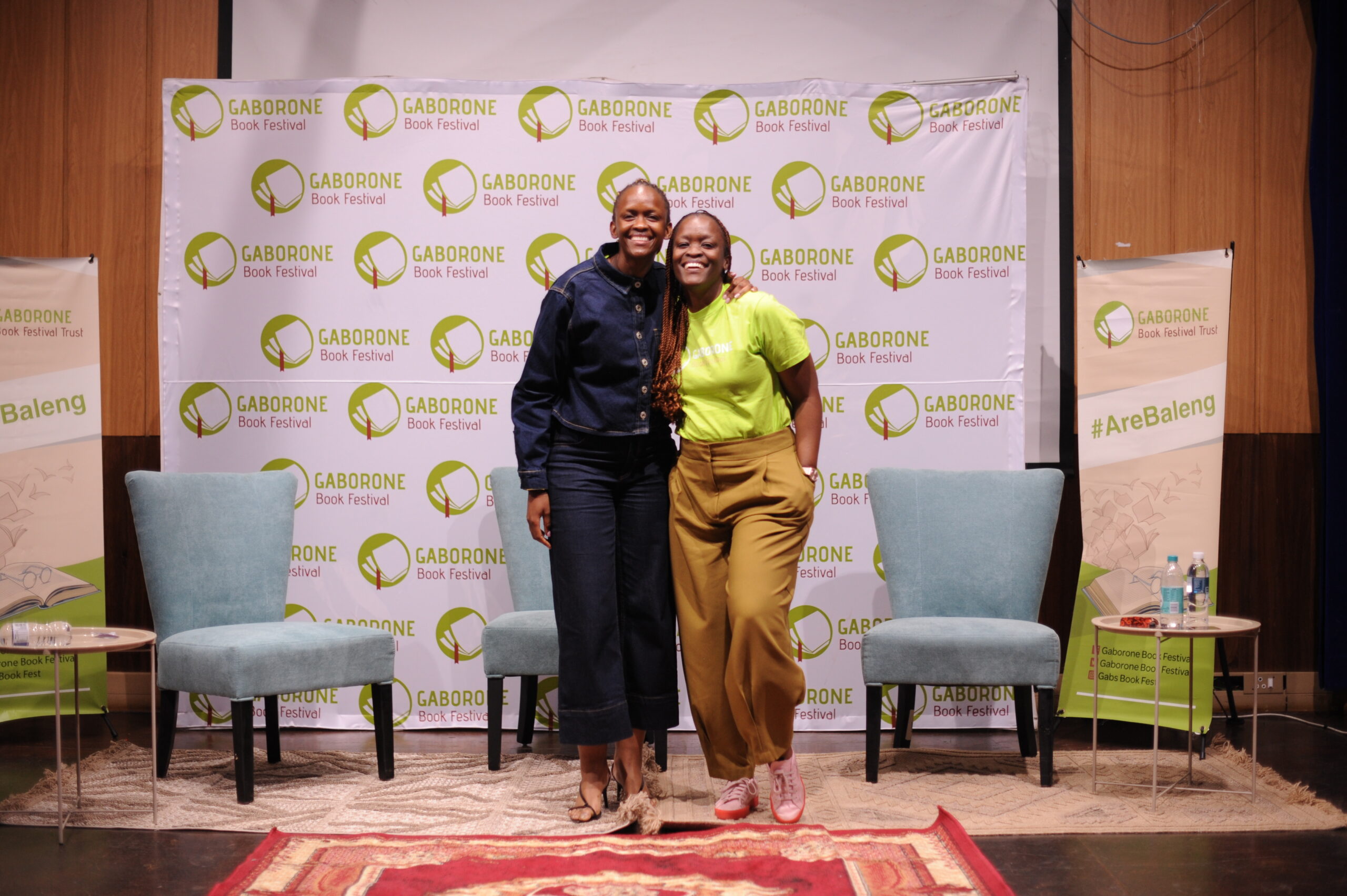
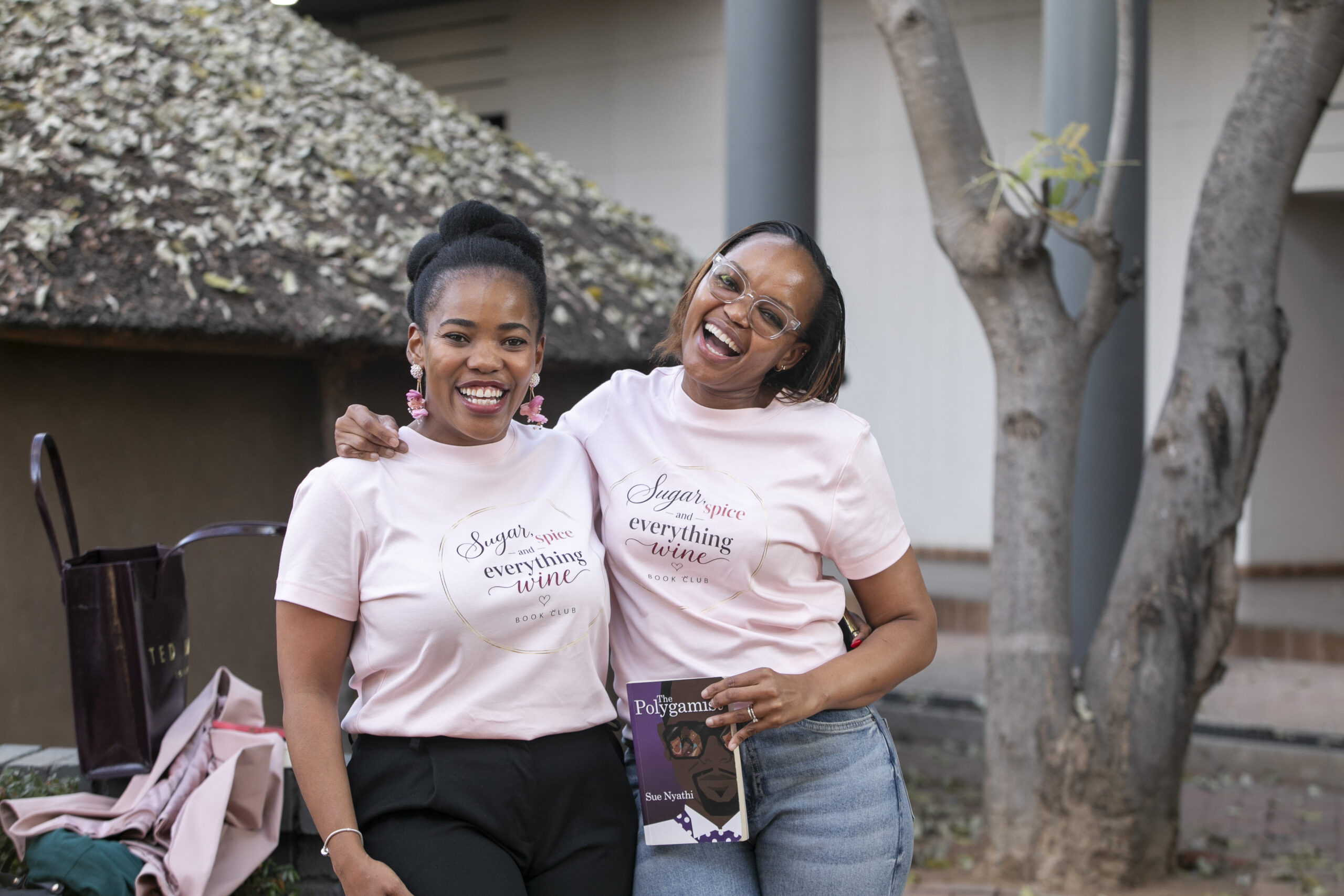
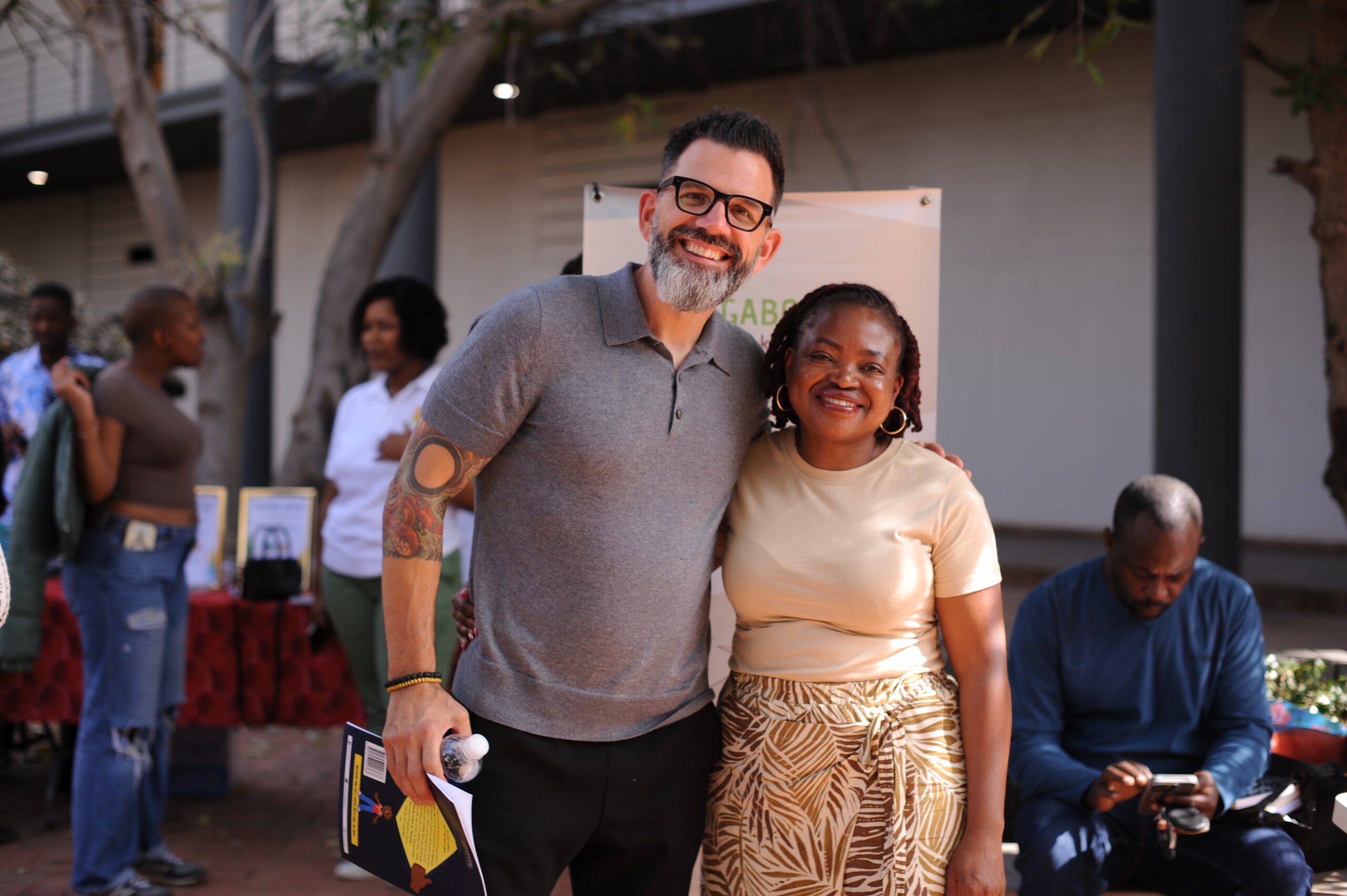
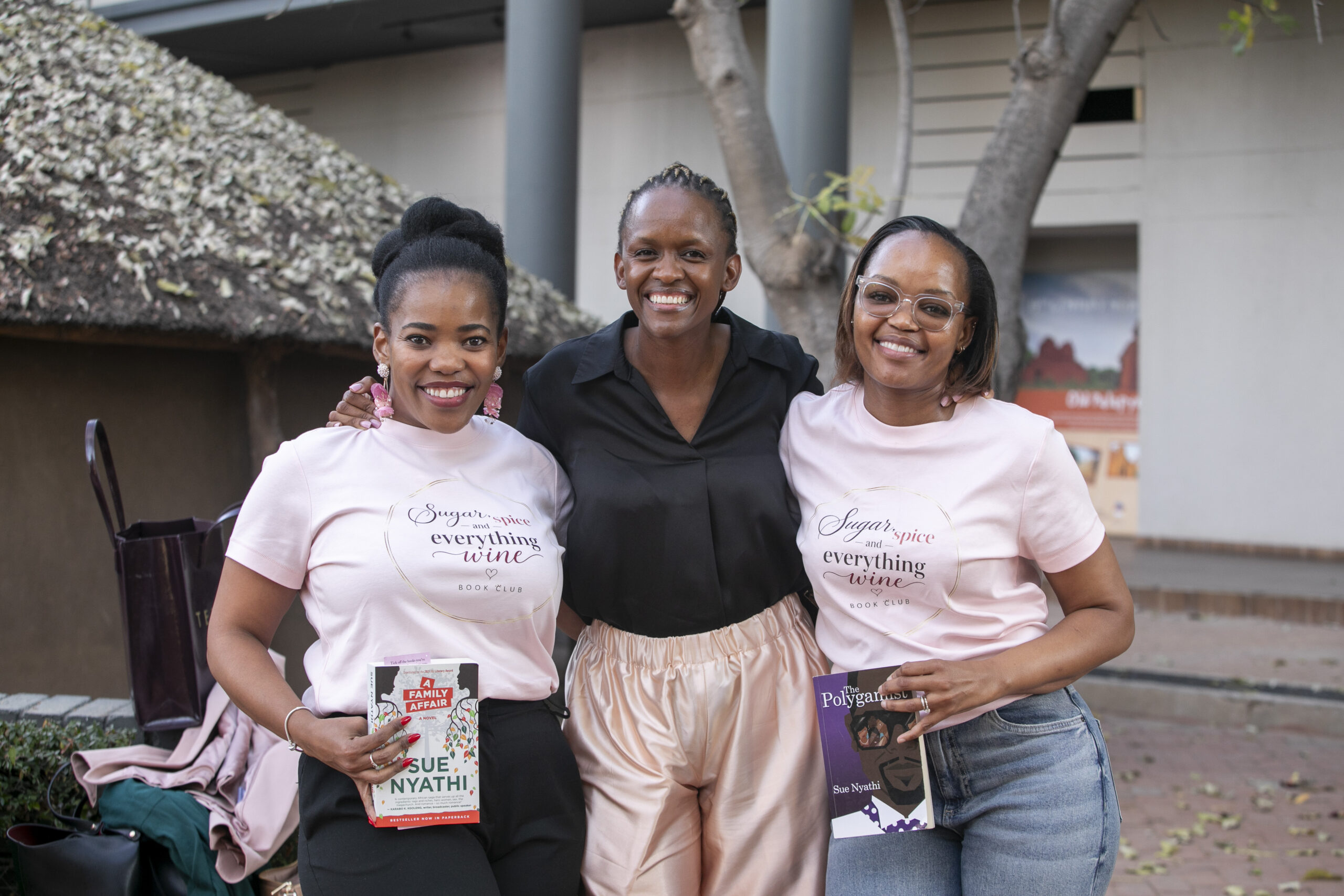
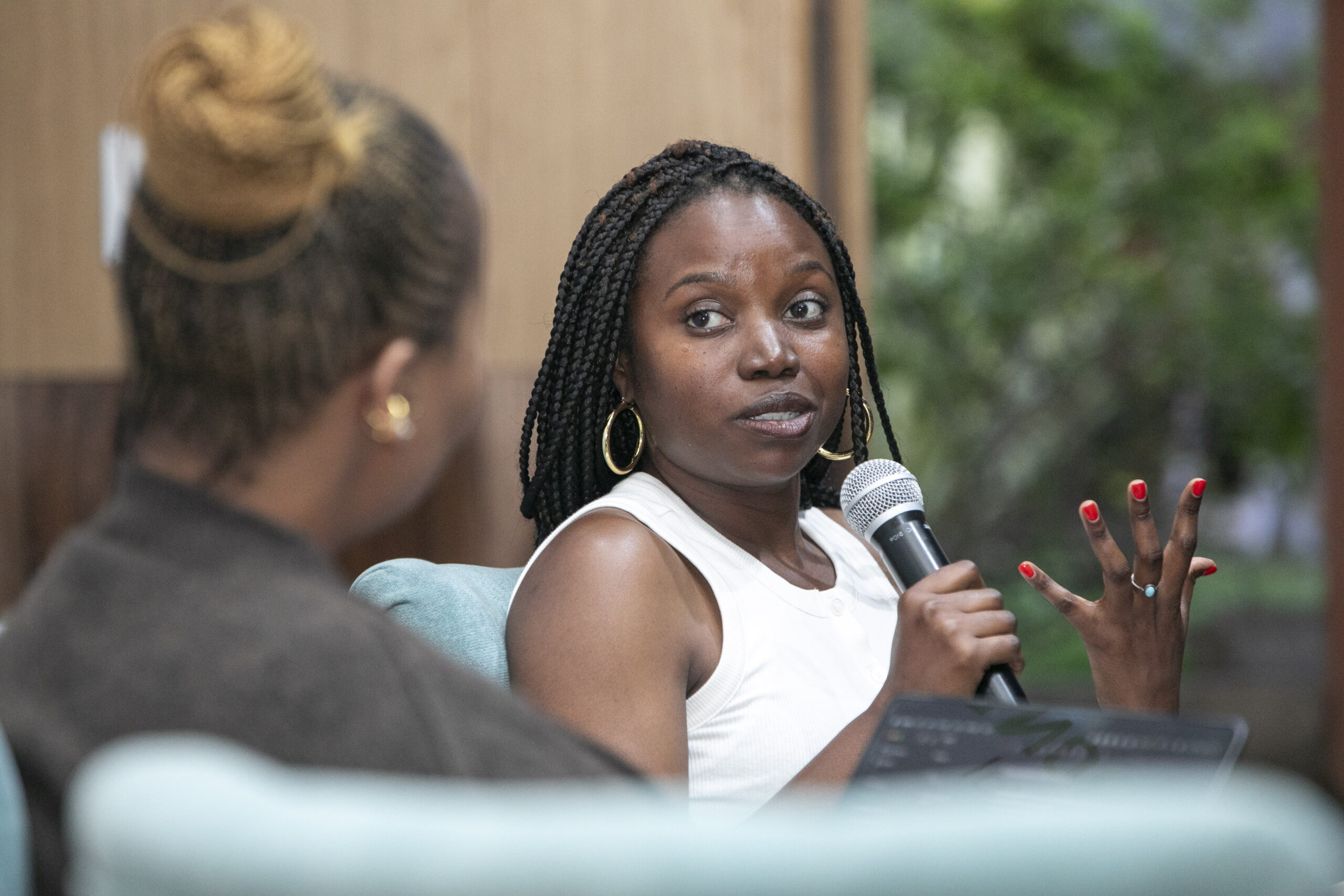
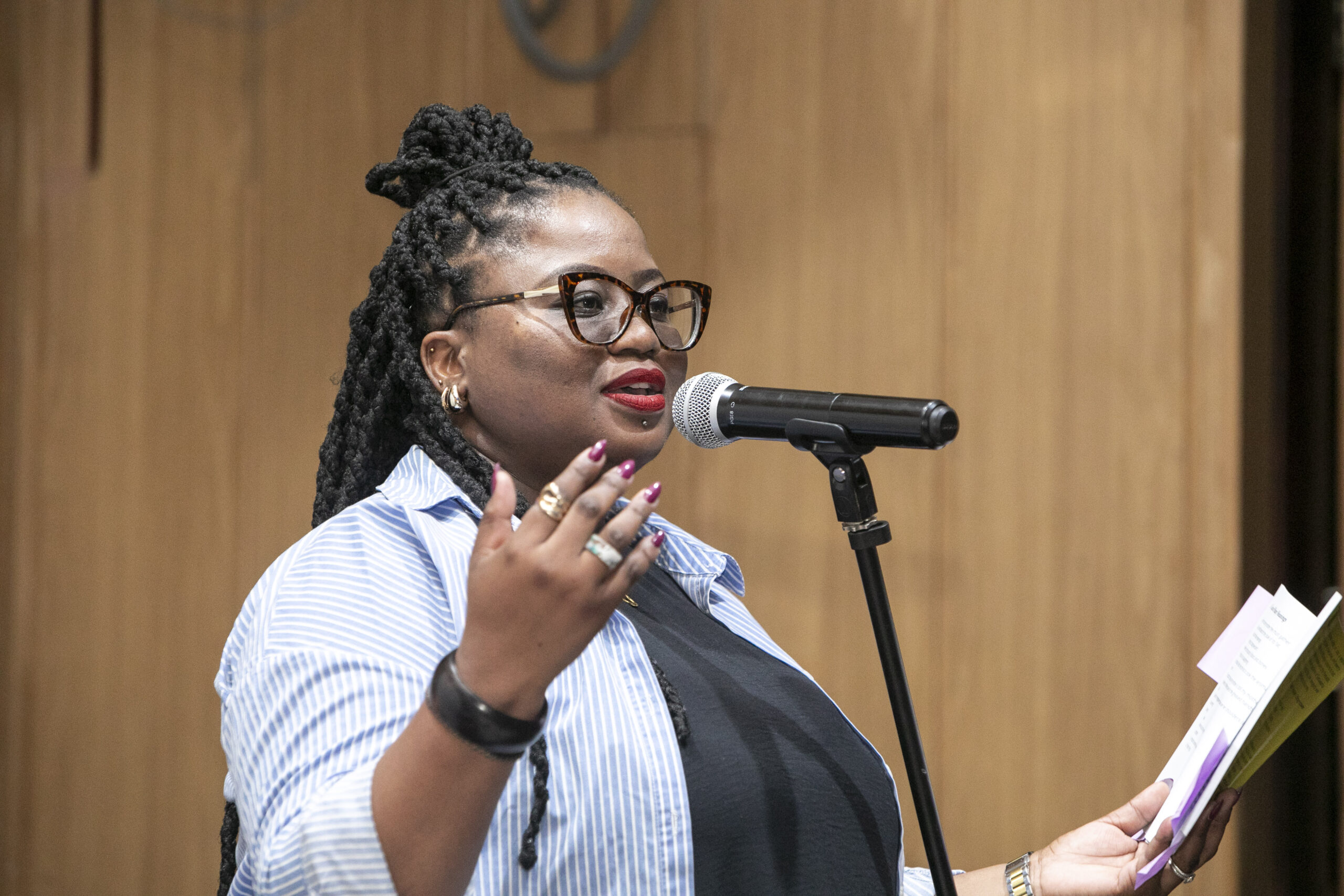
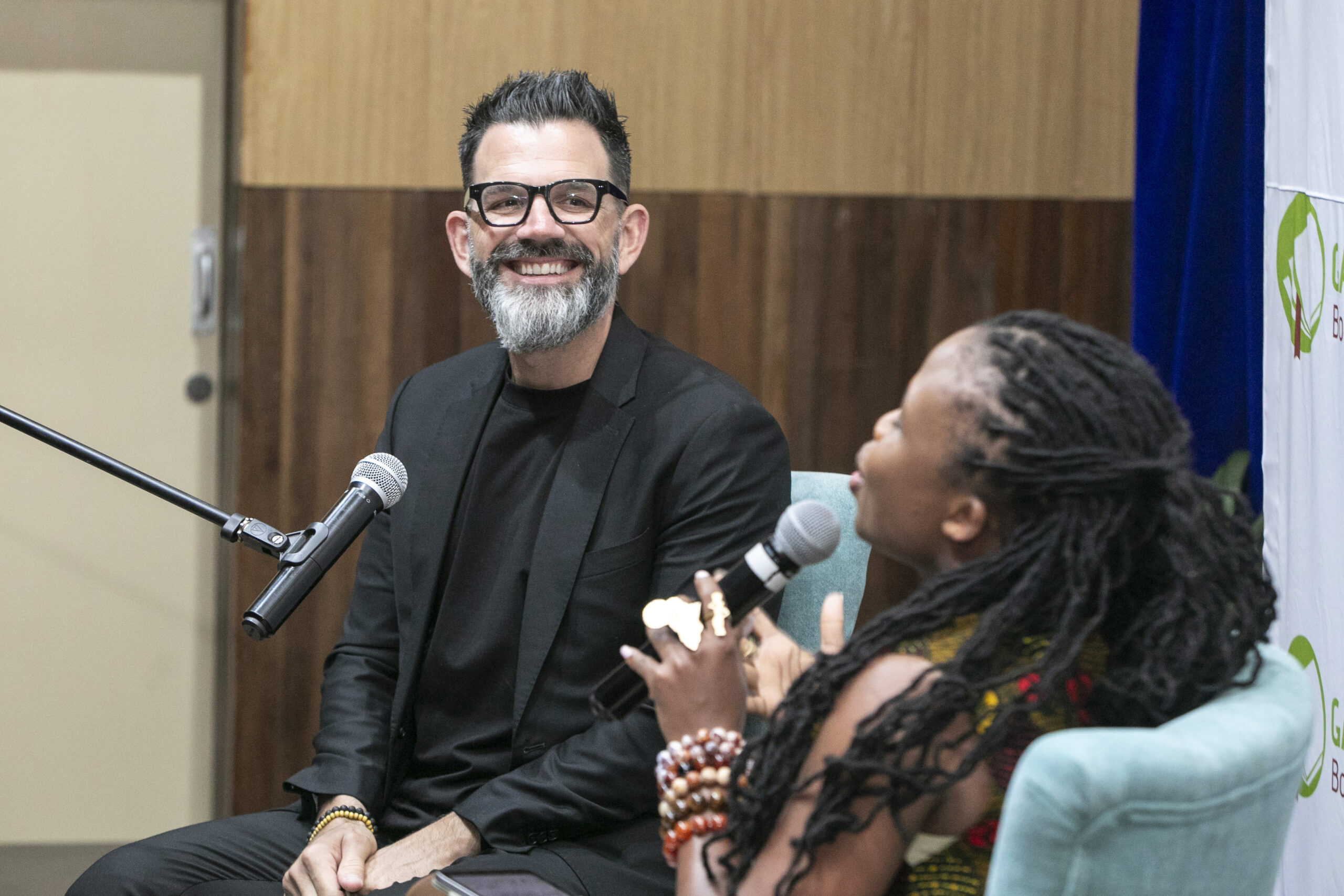
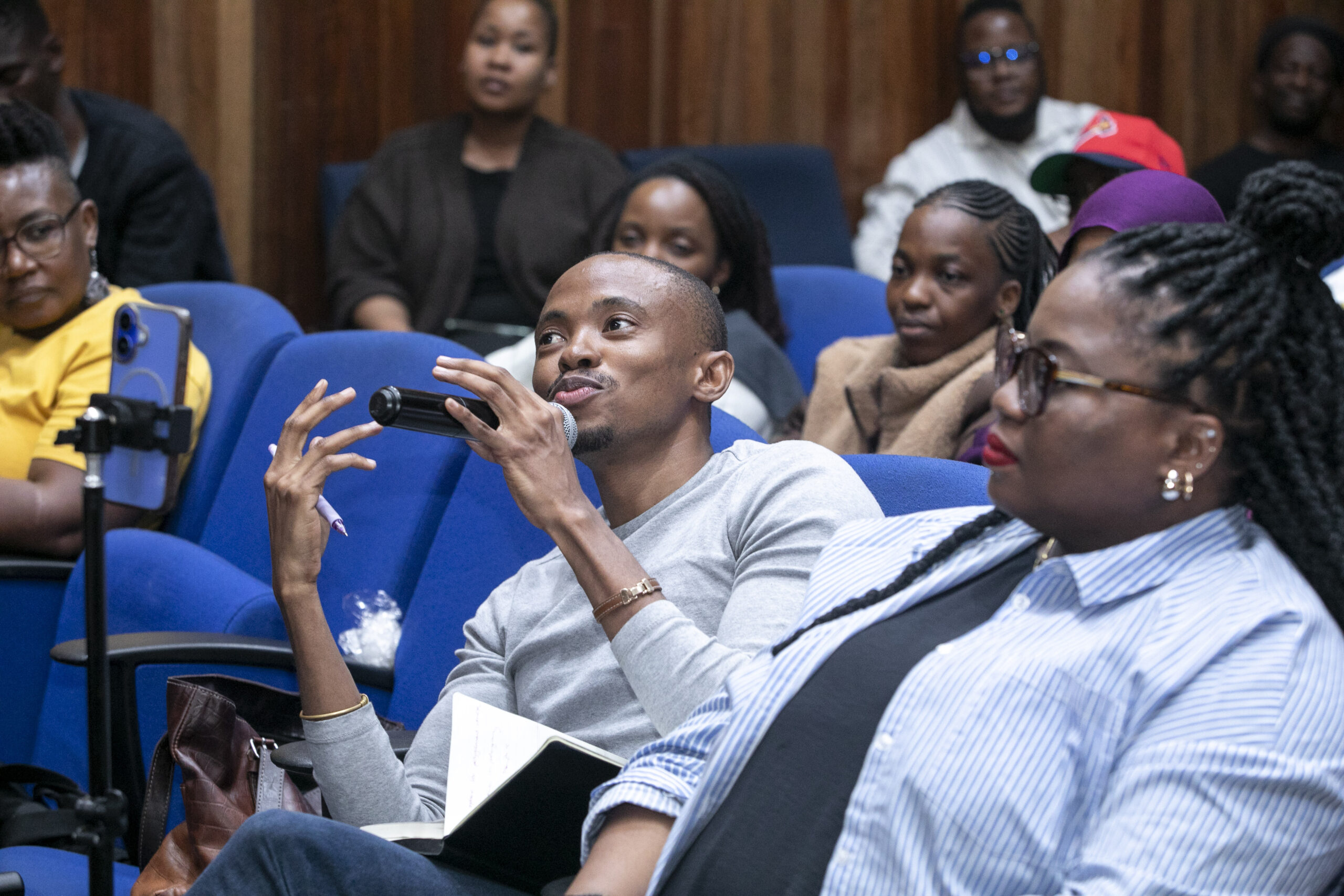
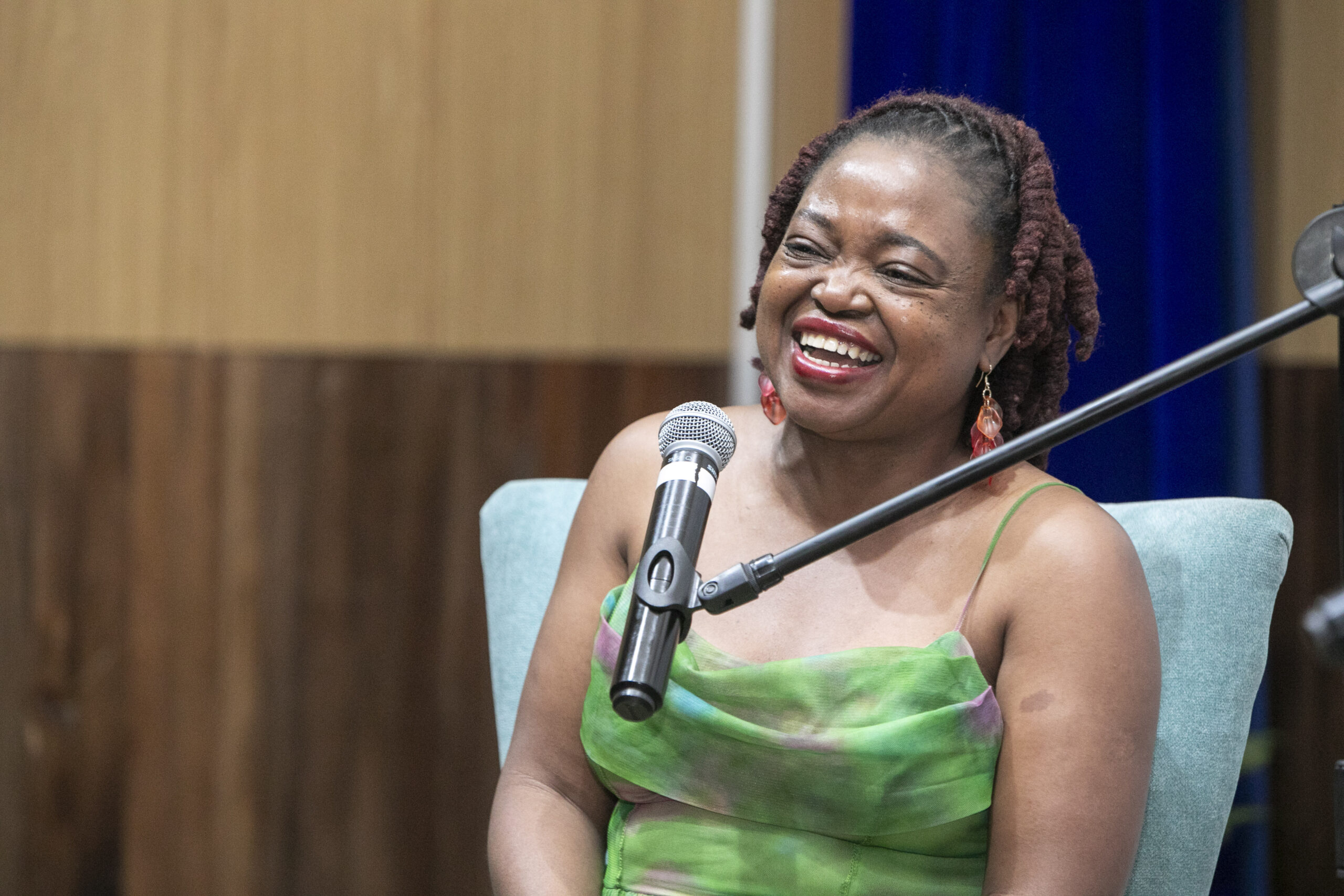
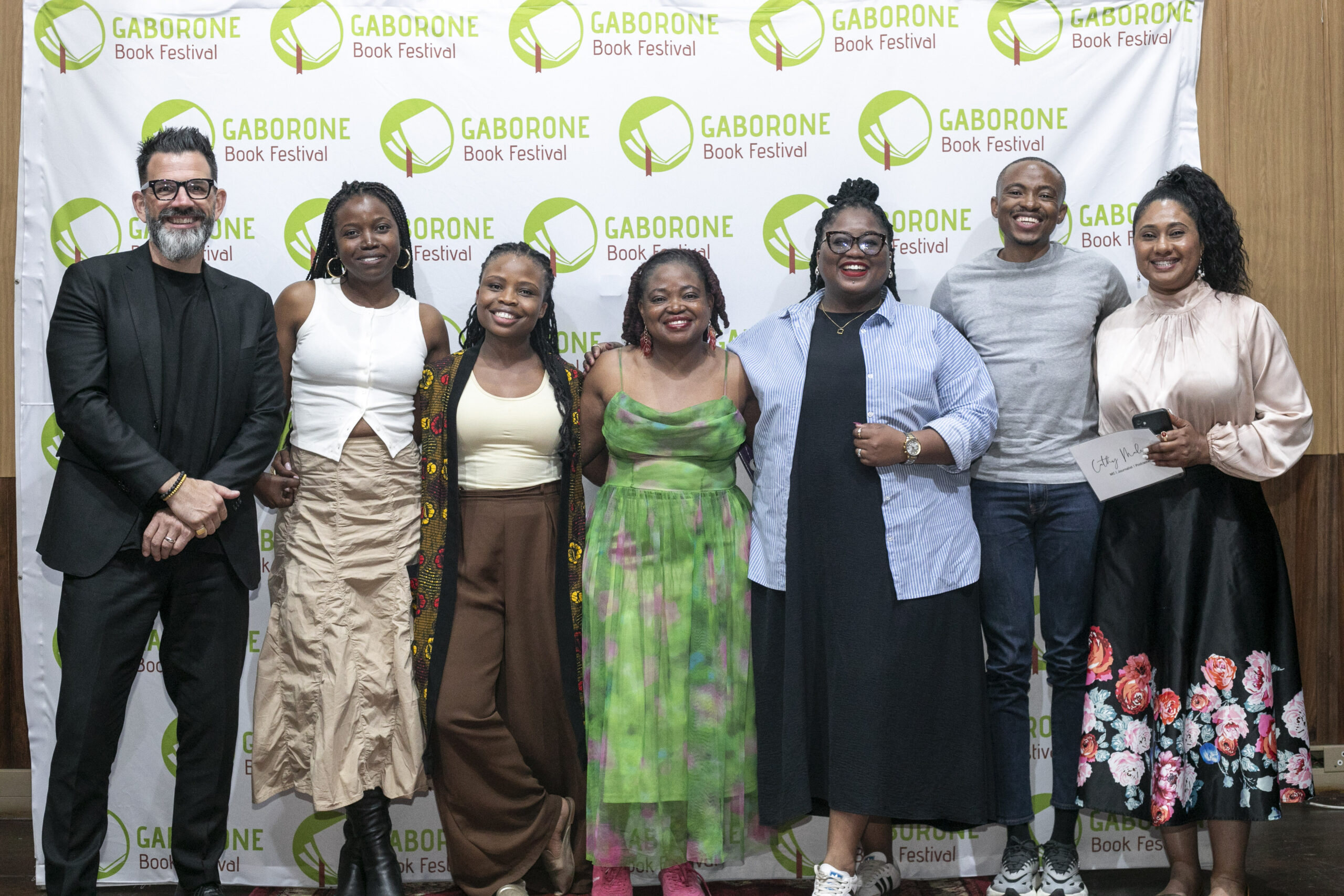
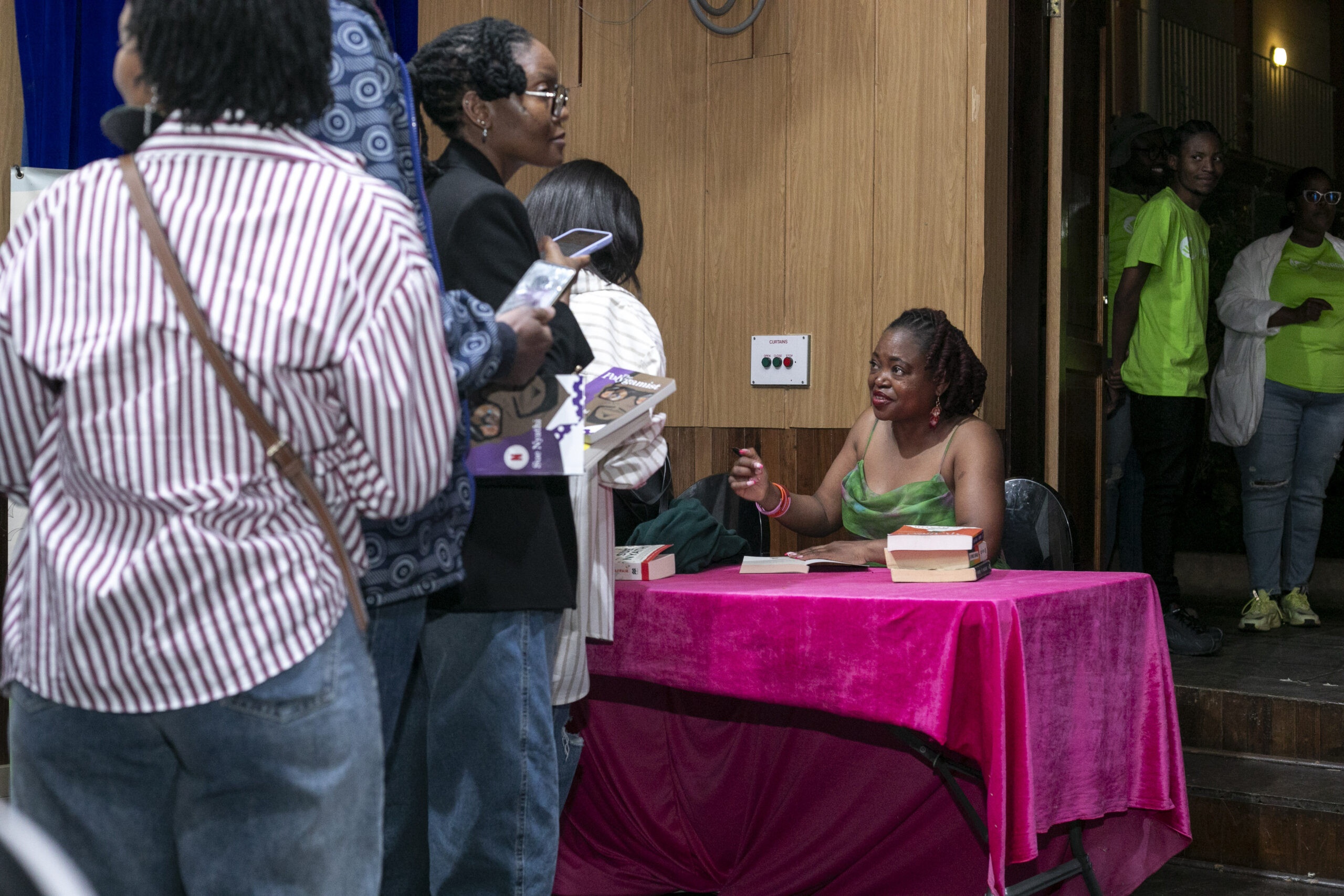
Photos from the events below. Credit: Brilliant Kodie and Uyapo Ketlogetswe



COMMENTS -
Reader Interactions