

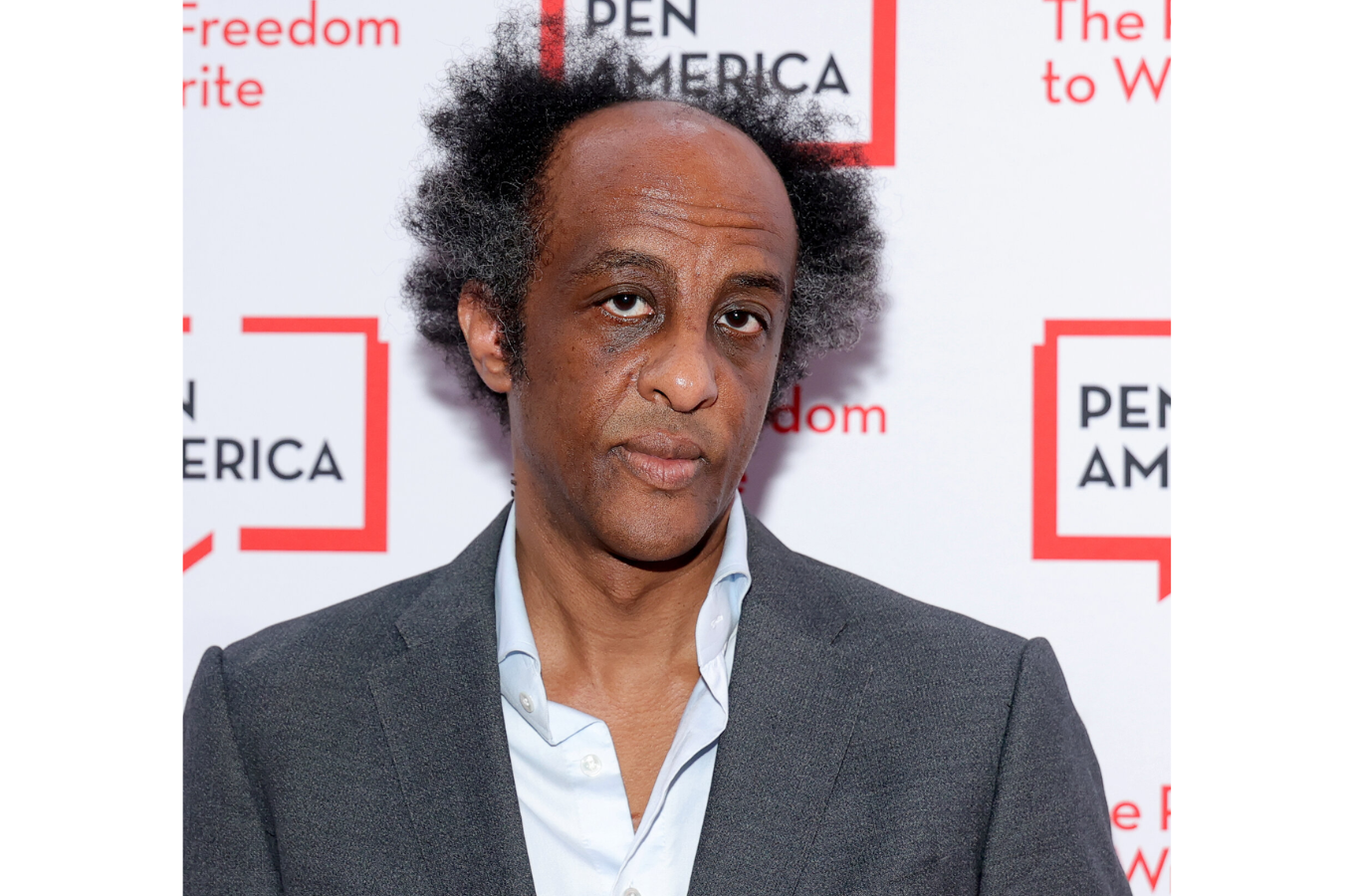
Dinaw Mengestu, prominent Ethiopian American novelist who was elected president of PEN America seven months ago, has resigned from the position. The resignation came within hours of the organisation publishing a piece titled “A Silent Moratorium“ , a long-form feature based on interviews with more than thirty Israeli and Jewish writers who described growing exclusion, harassment, and blacklisting from mainstream literary culture in the wake of October 7, 2023. The article, published on July 9, 2026, was written by Lisa Tolin, Geraldine Baum, and Malka Margolies. Mengestu, who had served on PEN America’s board for approximately a decade before his election to the presidency, confirmed the decision in a brief email statement. PEN America confirmed his departure, said it was grateful for his leadership, and declined to comment further.
The piece at the centre of the dispute documents what its subjects describe as a subtle but systematic withdrawal of professional support for Israeli and Jewish writers.
According to The Atlantic, Mengestu’s stated reason for resigning centres not on the content of the testimonies themselves but on a statement PEN America included near the top of the article, reaffirming its longstanding opposition to cultural and academic boycotts while simultaneously affirming that participating in or advocating for boycotts is protected speech. He argued, in his email, that such a position from a free-expression organisation risks providing ammunition for legislation that targets supporters of the Boycott, Divestment and Sanctions movement, laws that already exist in most US states, primarily directed at businesses and individuals seeking government contracts. His concern, in other words, was that PEN’s anti-boycott stance could endanger the First Amendment rights of those who use boycott as a form of political protest.
Mengestu has since laid out his thinking in full. In an Instagram statement, he wrote that the PEN piece was “about trying to suppress constitutionally protected speech,” and argued that his own understanding of free expression was a broader one. He has since announced his intention to “help make something better”, receiving affirmative responses from writers including Viet Thanh Nguyen, Angela Flournoy, and Pulitzer Prize-winner Benjamin Moser. He has also published a longer essay on Lit Hub, titled “Why PEN America Will Not Defend You Against Anti-BDS Legislation,” in which he expands on the arguments behind his resignation. Here it is in full: lithub.com.
The resignation arrives at a particularly fraught moment for PEN America. In 2024, the organisation cancelled its annual literary awards and its World Voices Festival in the face of a writer boycott over what critics described as insufficient solidarity with Palestinian authors and an inadequate response to the war in Gaza. The organisation’s then-CEO, Suzanne Nossel, resigned that same year after more than a decade in the role. Mengestu had been elected in December 2025 specifically to help heal those fractures, telling the New York Times at the time that it was important to “mend and rebuild” relationships with writers who felt the organisation had not done enough. He had barely settled into the position before this.
The article remains live on PEN’s website.






COMMENTS -
Reader Interactions