

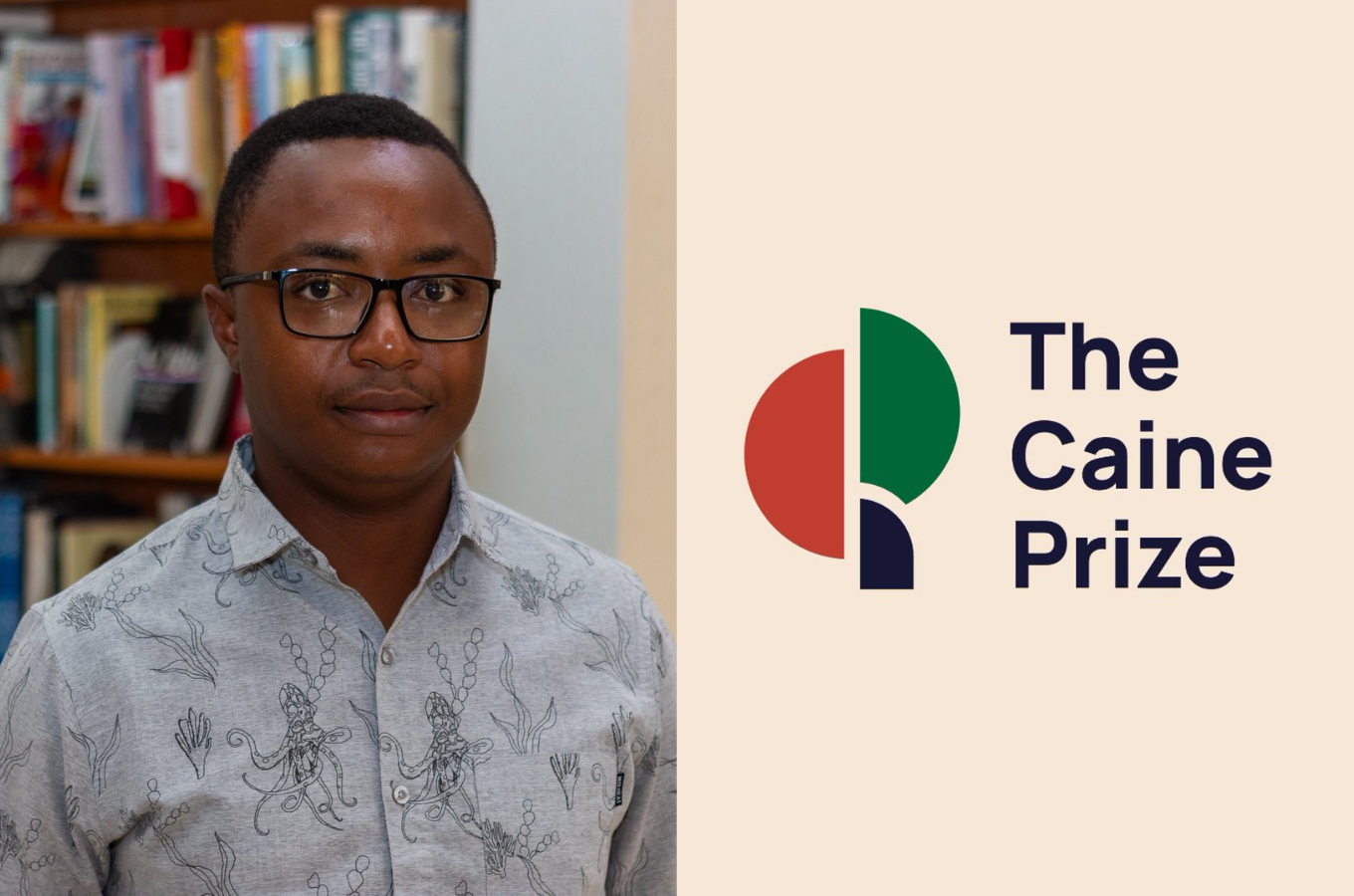
Zimbabwean writer Simbarashe Steyn Kundizeza, who won the £10,000 2026 Caine Prize for African Writing for his short story “The Blue Fighter,” has released a statement responding to the public debate over an article in The Atlantic.
For readers catching up: Kundizeza was announced as the winner at a ceremony in London on October 6. On October 11, The Atlantic published an article by journalist Vauhini Vara suggesting that the story may have been written with AI. She cited a scan by the AI-detection tool Pangram and what she described as stylistic hallmarks of chatbot writing. The Caine Prize said the same day that it had begun a review, and writers and critics across the African literary community pushed back on the article. We covered the allegations and the responses here.
Kundizeza’s statement, which he released on X, is published below in full. In it, he says he wrote the story himself and did not use generative AI. He describes how the story came about and gives a dated account of its development, from first draft to publication. He also says the statement is not an explanation or a defense, because he doesn’t believe the article warrants either.
I would like to say at the outset that this statement is not in any way a proffer of an explanation or a defense against the allegations levelled against me in the article published by The Atlantic, because I don’t believe the article warrants either. I am however writing because of the level of public interest generated in its aftermath, and out of respect for the people who have supported and championed my writing, as well as my fellow shortlisted writers for the Caine Prize. I want to set the record straight.
For the avoidance of doubt, I wrote “The Blue Fighter.” I did not use generative AI to write it. It is entirely my own work.This story did not appear out of nowhere; it has a concrete, documented history. Its genesis was during my LOATAD Black Atlantic Residency in Ghana. While there‚ I read a poem by vangile gantsho titled “my father’s hands․” I was inspired by this poem to write a story about my family’s experiences in Zimbabwe‚ including my father leaving his accounting profession and the hardships my family faced as a result․ Other aspects of the story‚ including characters and the setting‚ are drawn from events in my own life․There is also a clear chronology to the story’s development. I sent the completed first draft of the story to vangile for feedback on May 15‚ 2025․ I then submitted the story to The Shallow Tales Review on May 27‚ 2025․ Fiction editor Nzube Nlebedim accepted the story on June 10‚ 2025‚ and it went through the standard editorial process. vangile then provided her feedback to me on June 25‚ 2025․ On the same day Nzube also provided editorial feedback to me․ In an email dated June 27‚ 2025‚ I sent the final draft and requested that the editor preserve the formatting of an epigraph in the story as originally submitted by vangile as a courtesy to her․ The story was published on June 30‚ 2025․The Atlantic article seems to question the story’s authorship by comparing its style to my other writing. As writers we develop recurring interests, but we don’t produce work from a single fixed template. My debut novel, “Freelance”, and the story titled “The Whistleblower” published in Transition Magazine in 2021 which is referenced by Ms. Vara, are thrillers dealing with political intrigue. “The Blue Fighter,” however, is a deeply personal story about economic collapse and familial relationships. The voice shifts because the subject matter demands it. To suggest that a writer cannot write in different styles or genres, or improve his writing substantially after five or more years fundamentally misunderstands the craft of writing.The motive for my supposedly using AI to generate the story is equally difficult to understand. I was under no obligation to write “The Blue Fighter”. I was not commissioned to produce it, nor was I paid a fee for its publication. The decision to submit the piece for consideration for the Caine Prize was made by the editor of The Shallow Tales Review months after its publication. I therefore didn’t write the story with any guarantee that it would be submitted, let alone win anything. The idea that I would have somehow written the story with the express intention of entering and winning the Caine Prize, despite the inherently competitive and uncertain nature of the prize, conjures up a motive that simply did not exist.“The Blue Fighter” is my work, and I stand by it completely. I’m grateful to vangile for her inspiration, to The Shallow Tales Review for giving the story a home, and to the Caine Prize judges for recognizing the work on its merits. I’m also heartened by the numerous messages of solidarity from fellow writers and readers, and to Adrienne Ingrum and Regina Brooks at Serendipity Literary Agency for their support throughout.I look forward to continuing to work with the Caine Prize team, and to celebrating this recognition with the people who helped bring this story into the world.
Most importantly, I will continue to write.




COMMENTS -
Reader Interactions