

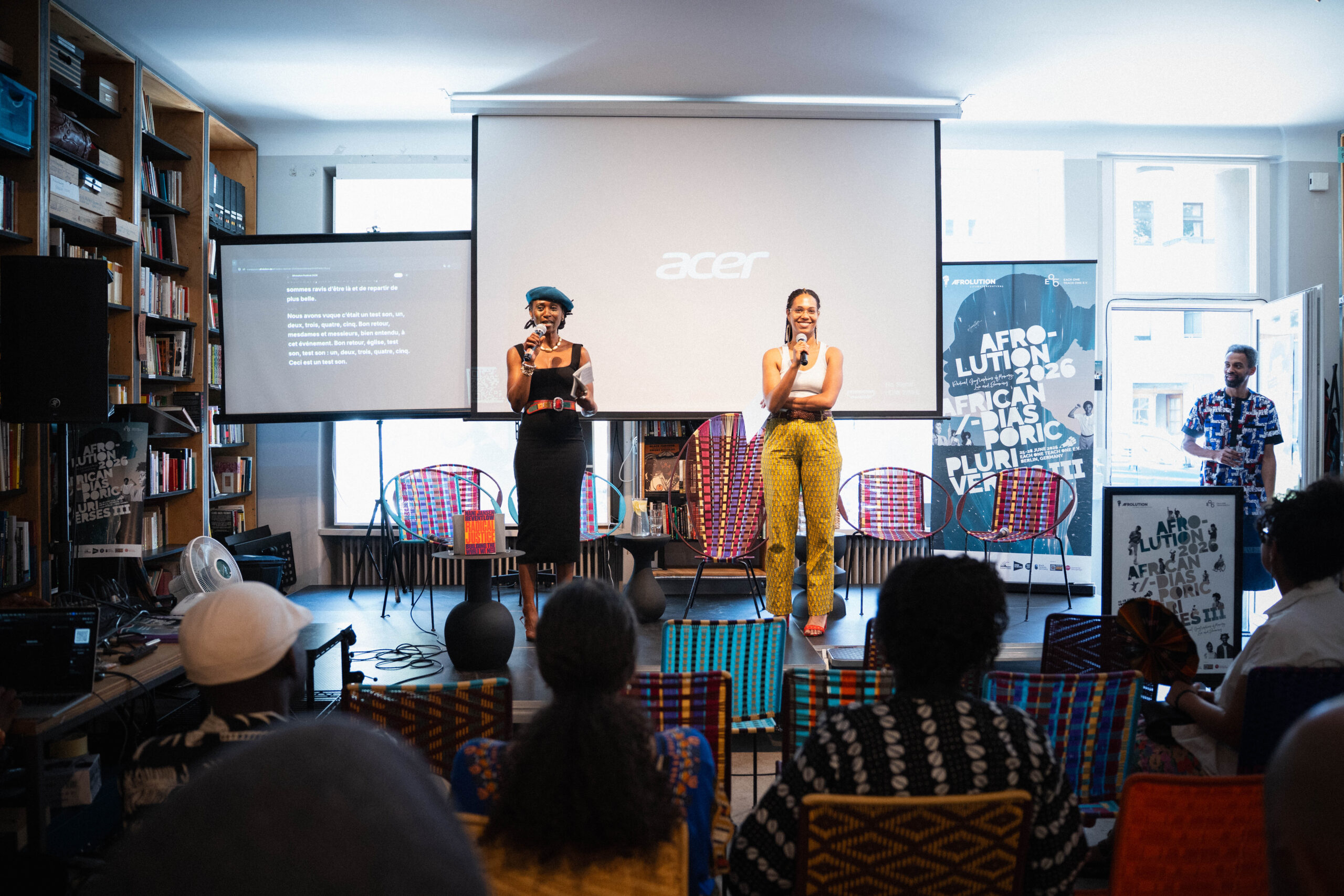
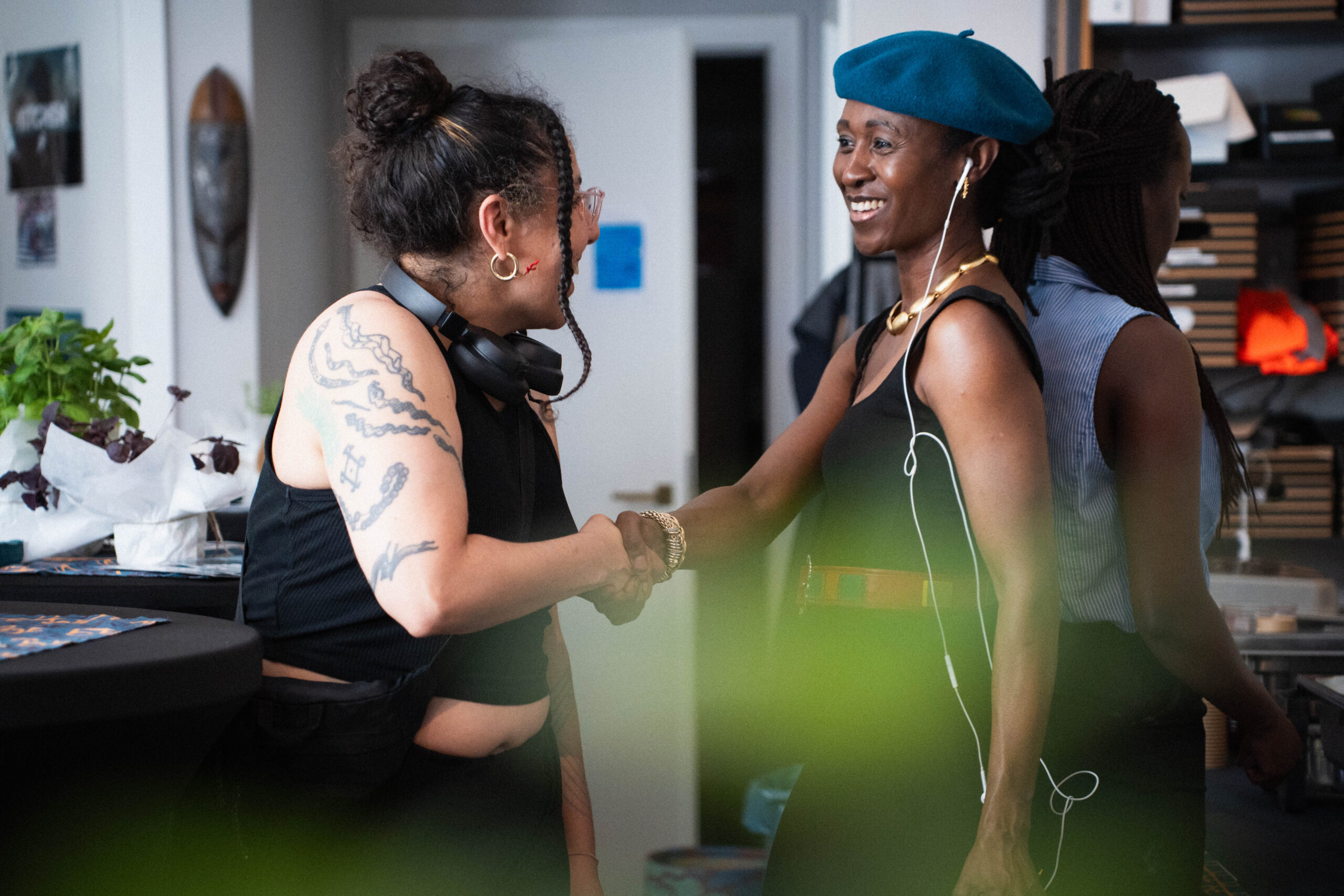
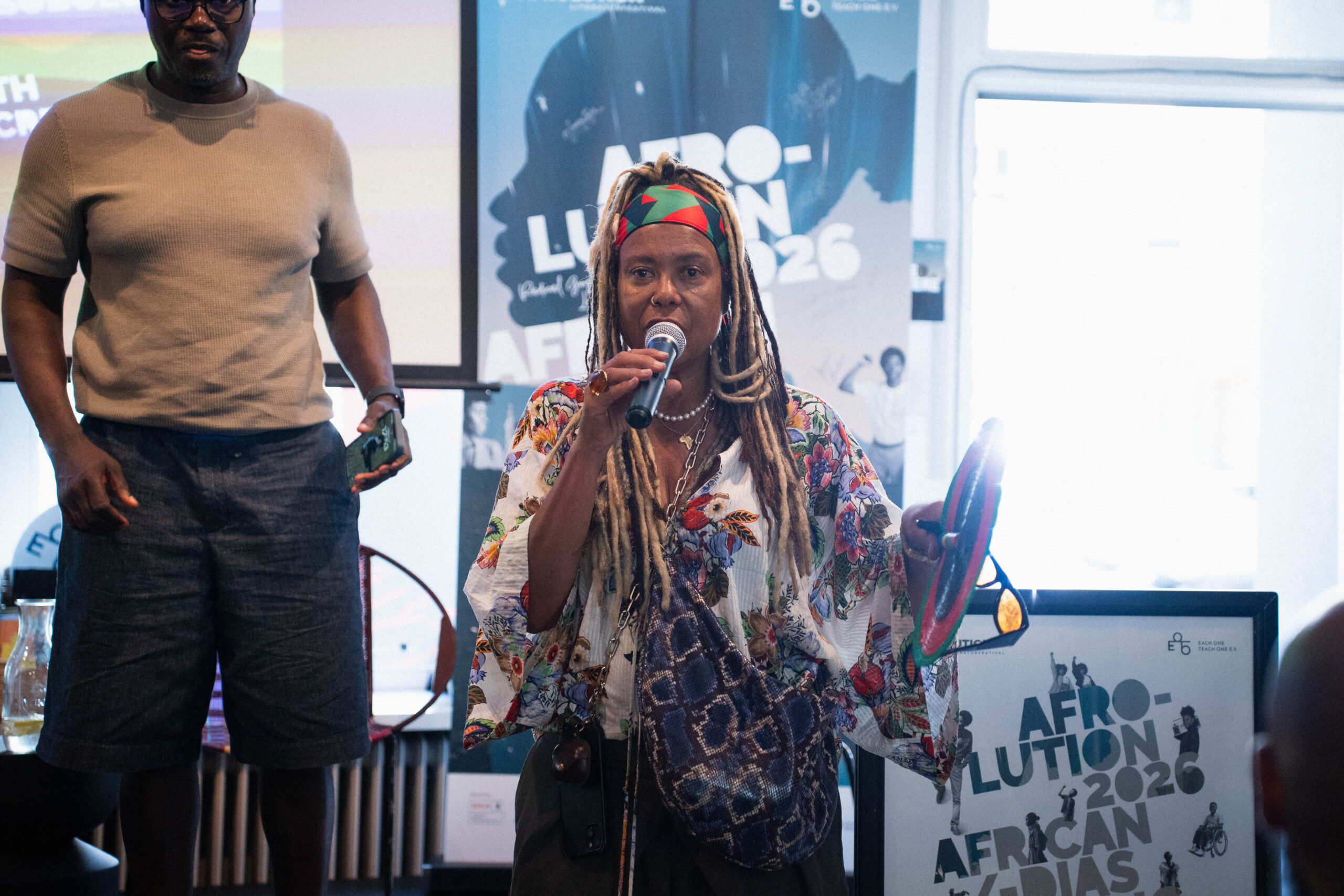
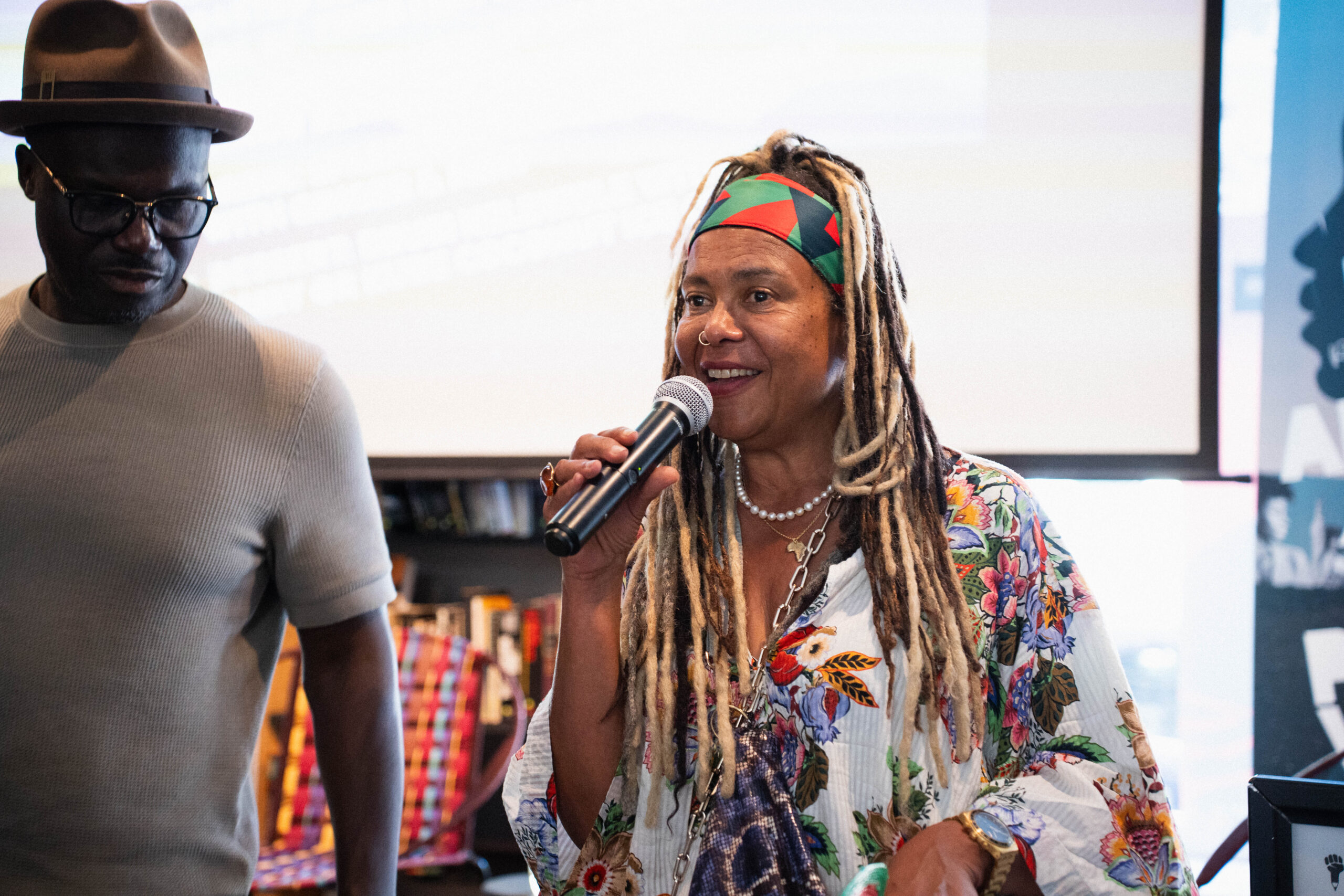
Afrolution returned to Berlin’s Wedding neighborhood for its third consecutive edition, running June 25 to 28, 2026, in the rooms of Each One Teach One (EOTO), the Black-led advocacy organization that has hosted the festival since 2018. This year’s theme, “African/-Diasporic Pluriverses III: Radical Geographies of Memory, Love, and Becoming,” drew its historical anchor from the 1969 Pan-African Cultural Festival in Algiers, using that gathering’s blend of Algerian tradition, Afro-pop, and transatlantic jazz as a throughline connecting generations of resistance. Curated once again around EOTO’s “Triple-AAA” approach — Art, Academy, Activism — the festival honored two recently departed figures central to its themes this year: civil rights icon Assata Shakur and literary critic Biodun Jeyifo, both remembered as ancestors guiding the edition’s spirit.
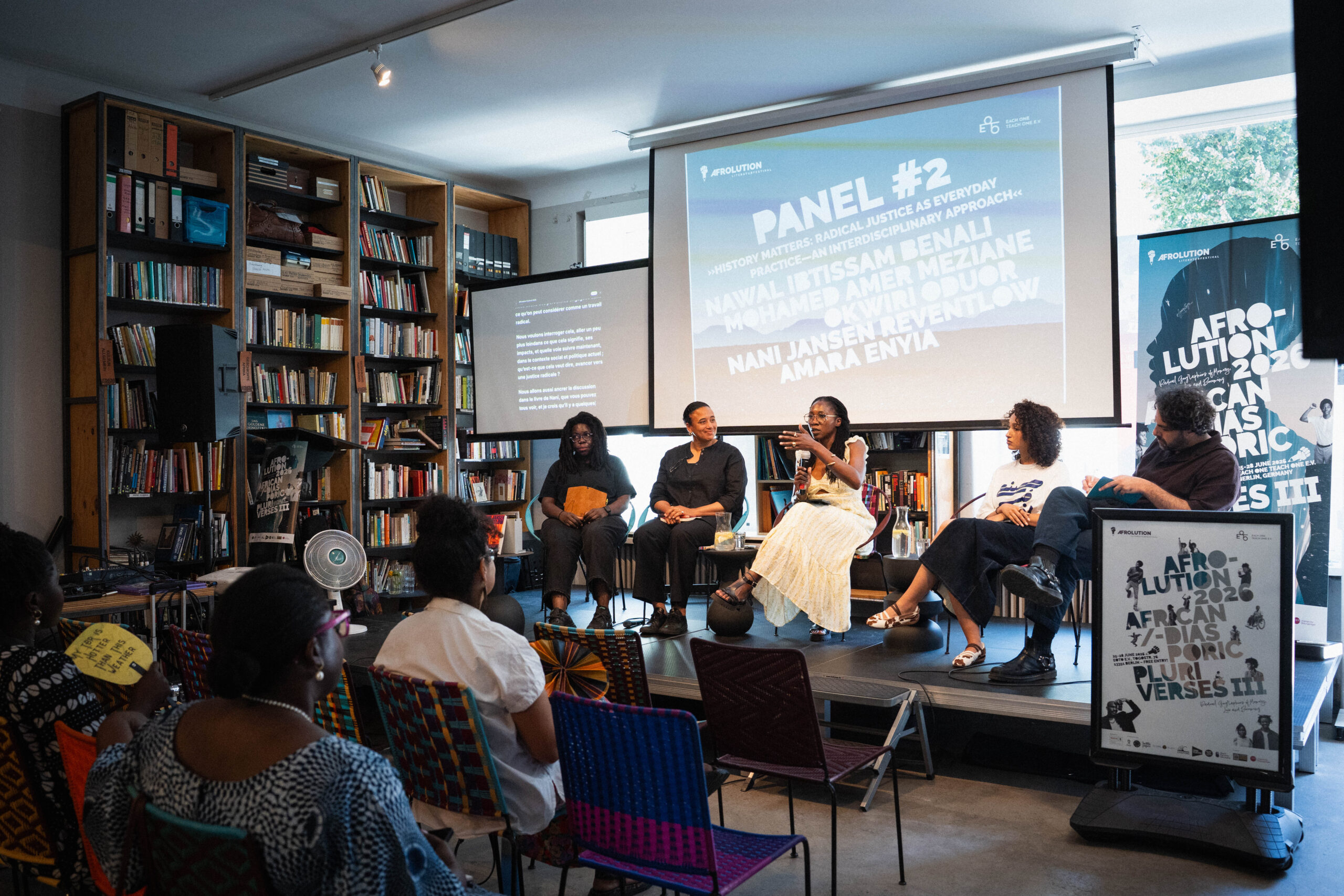
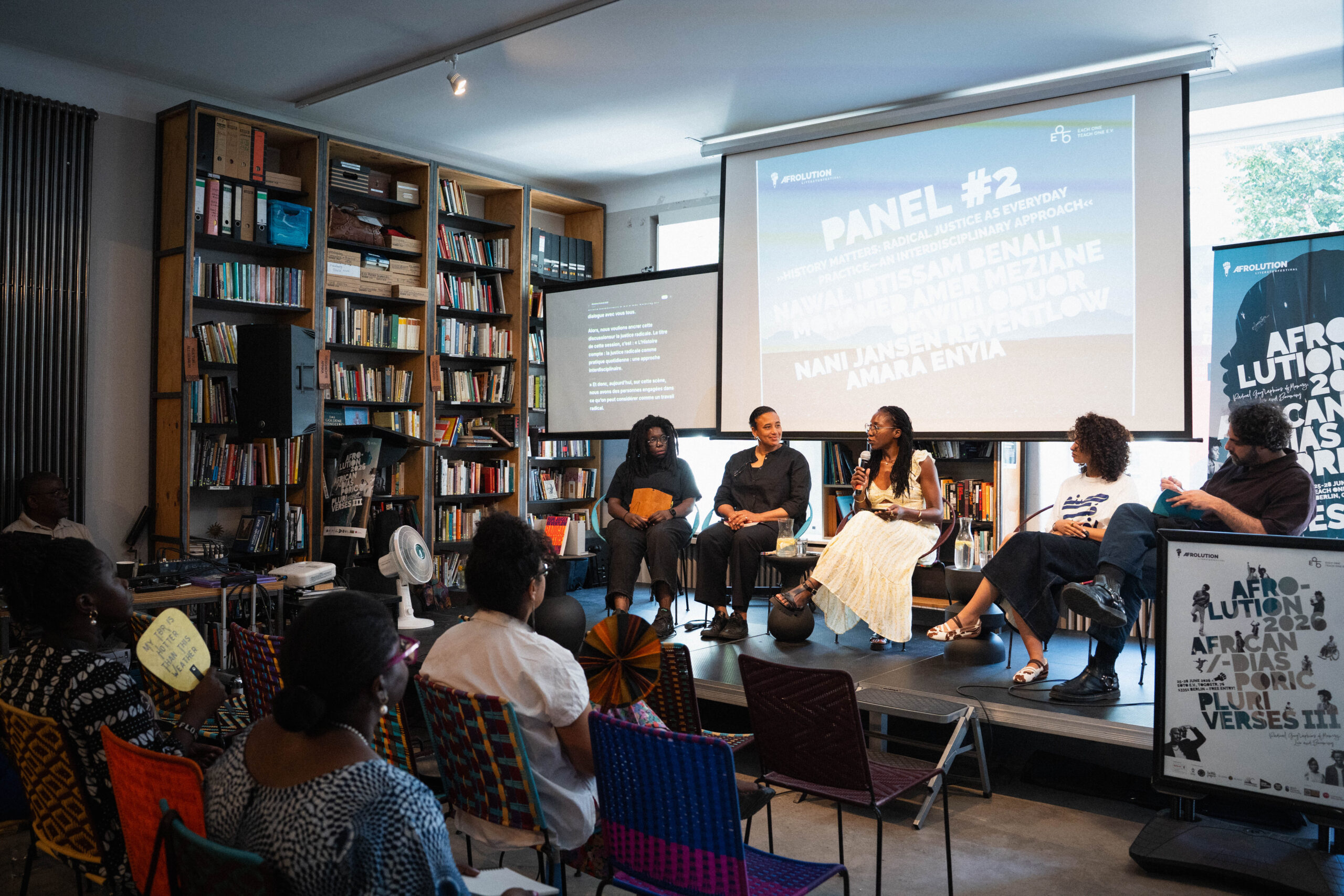
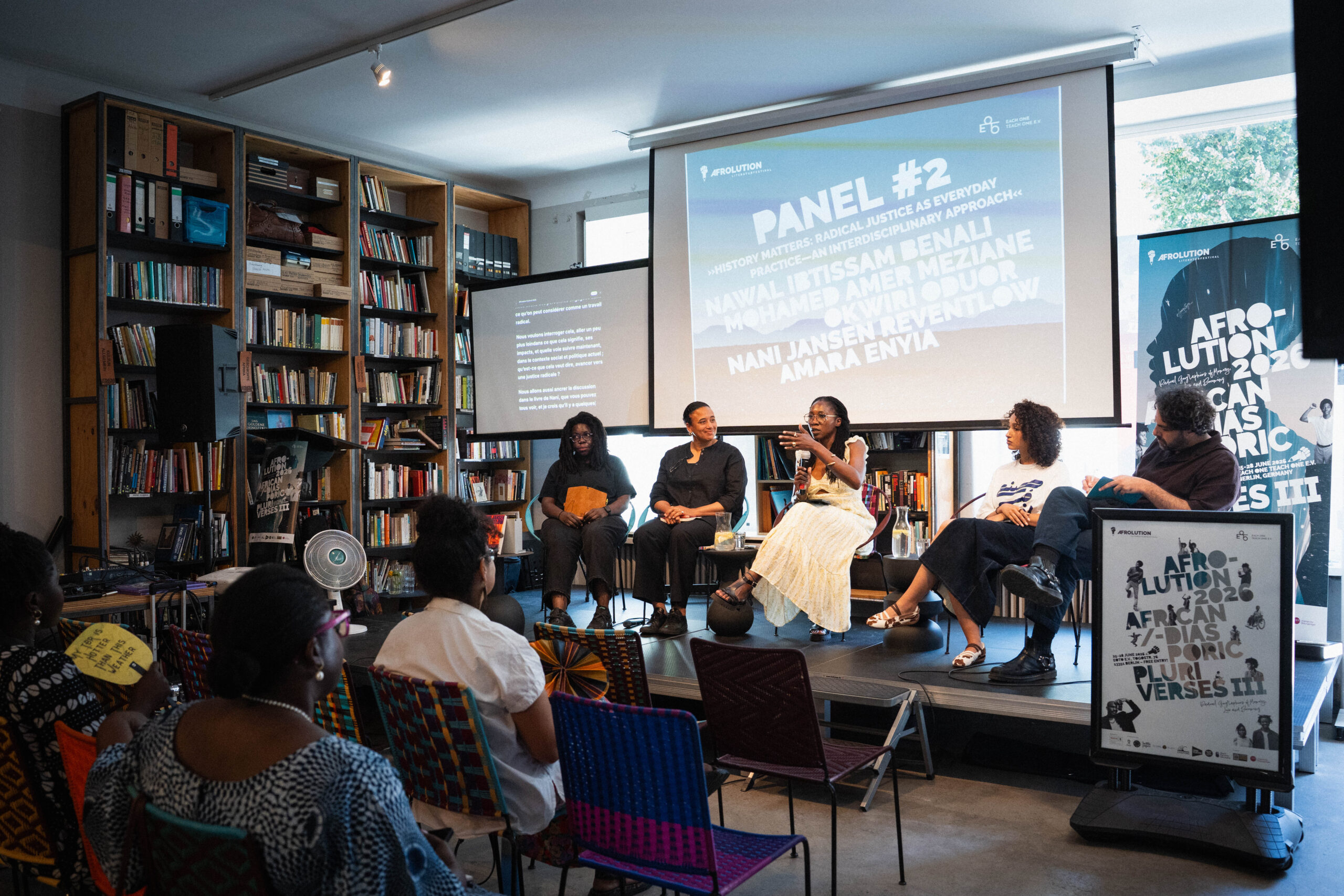
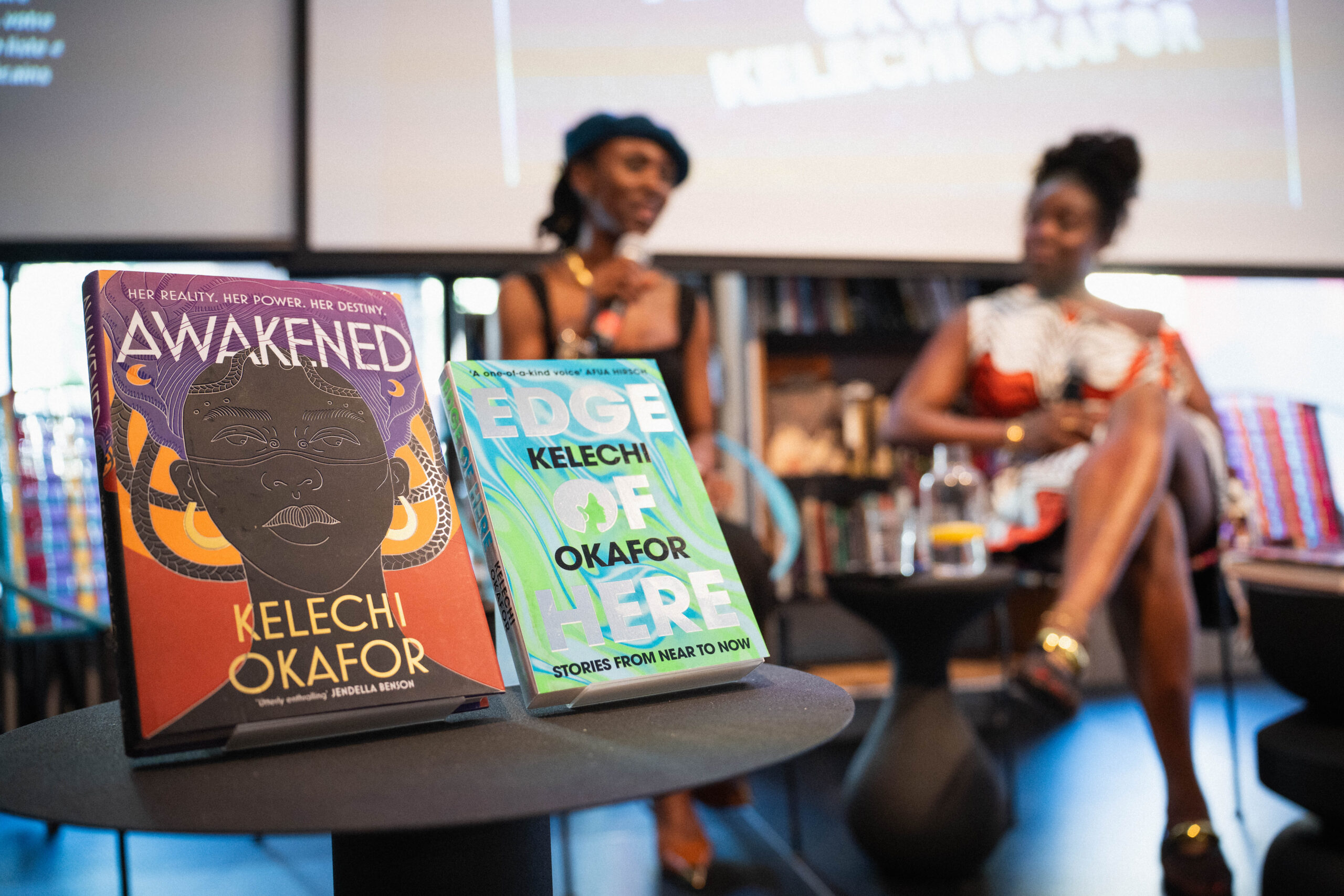
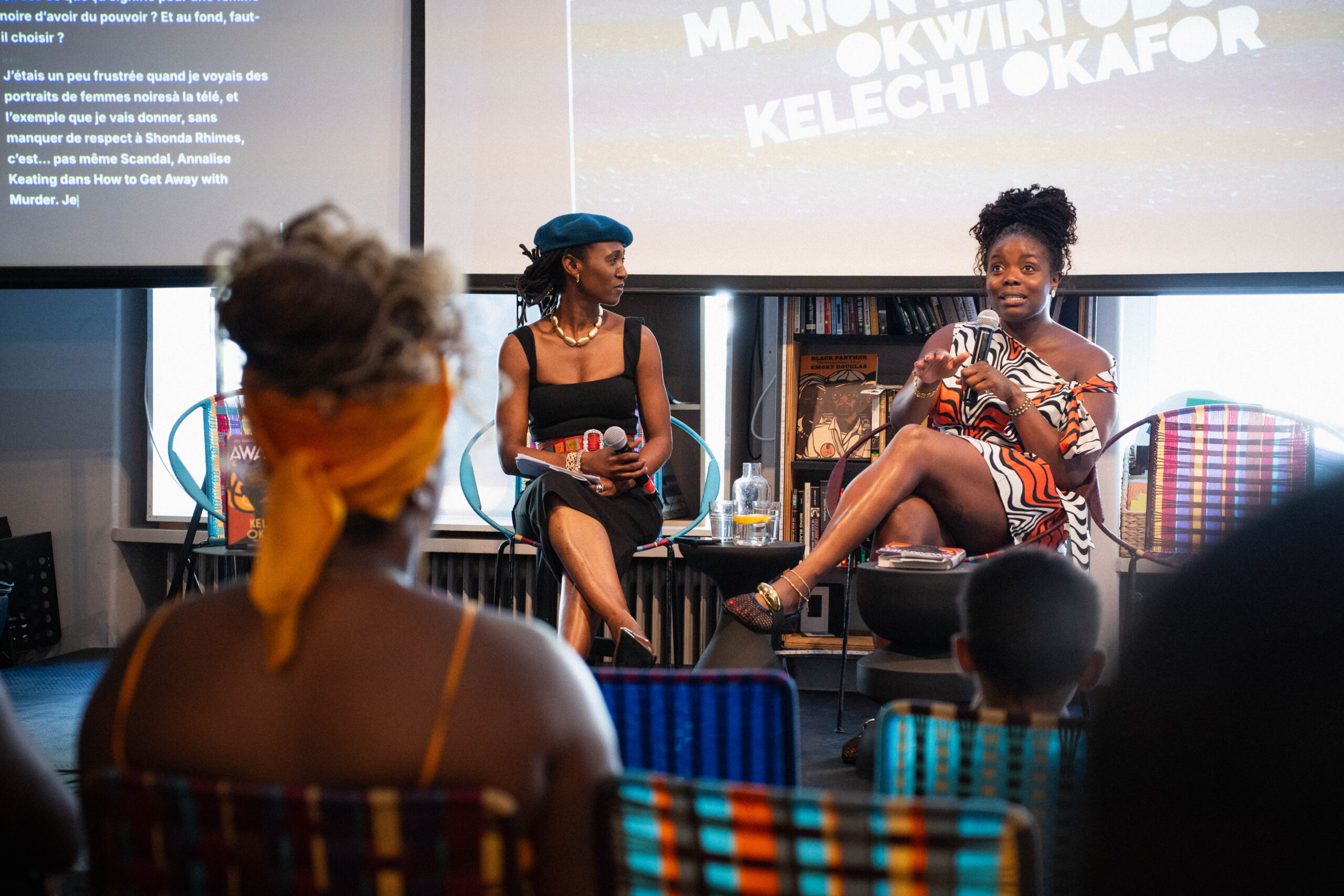
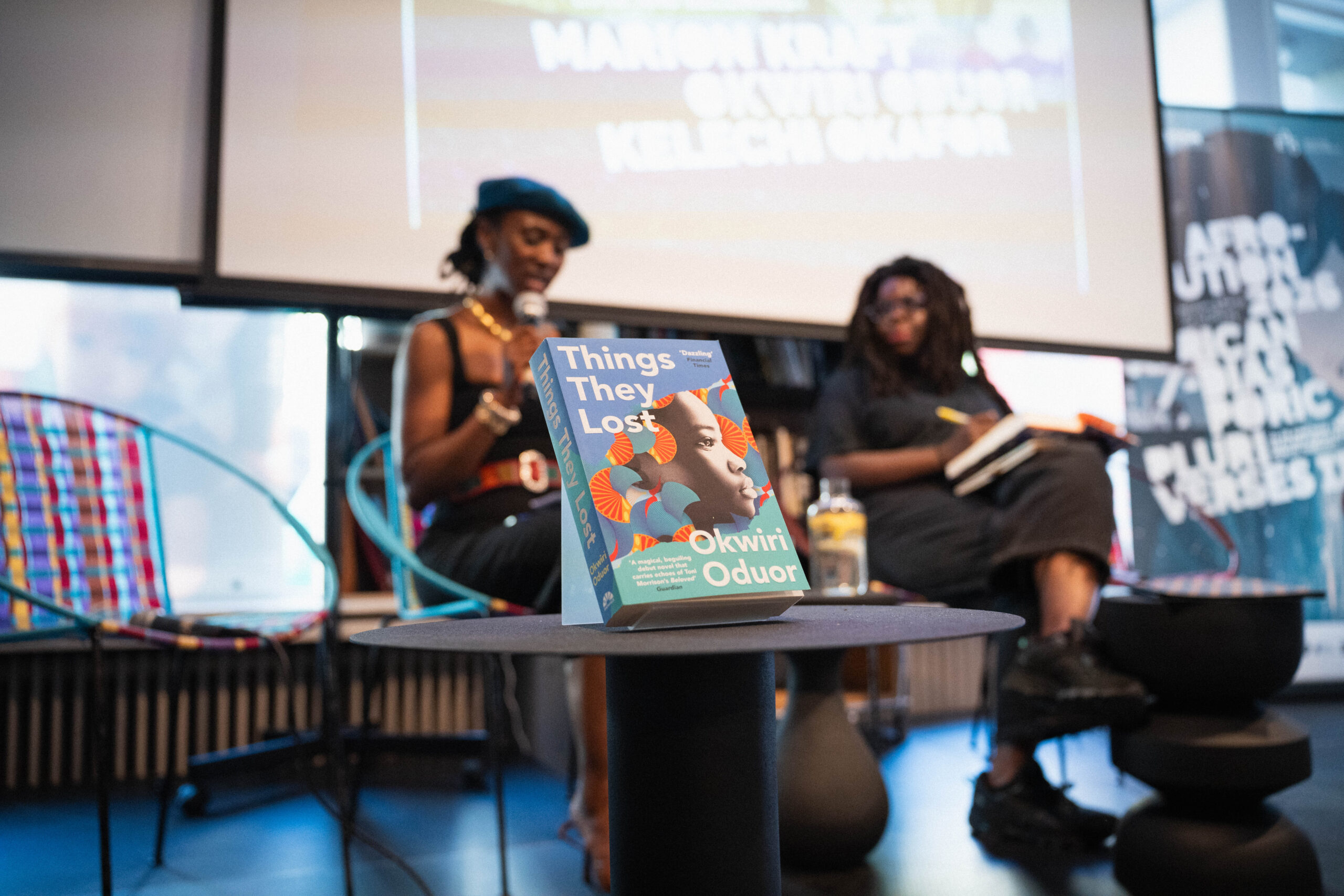
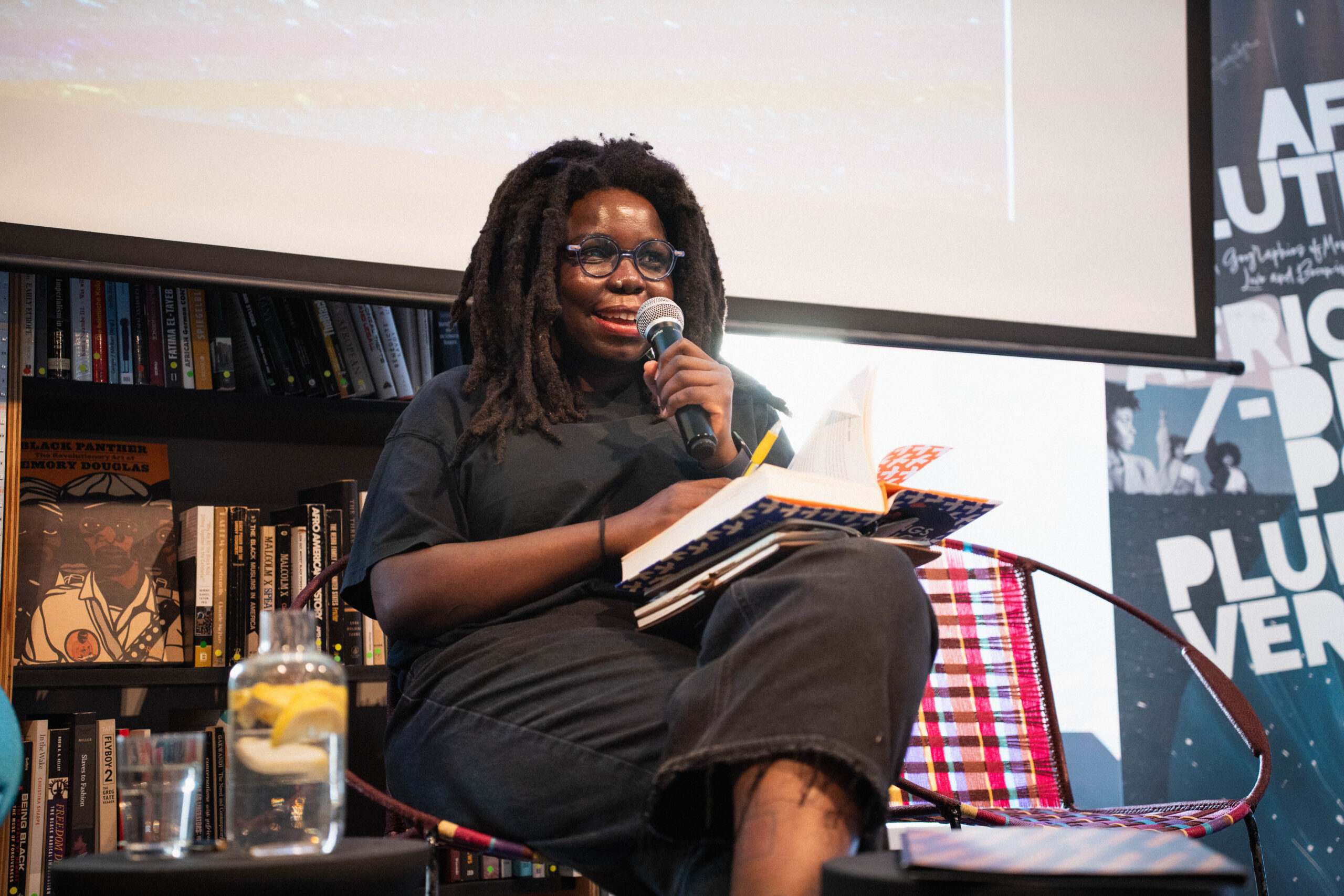
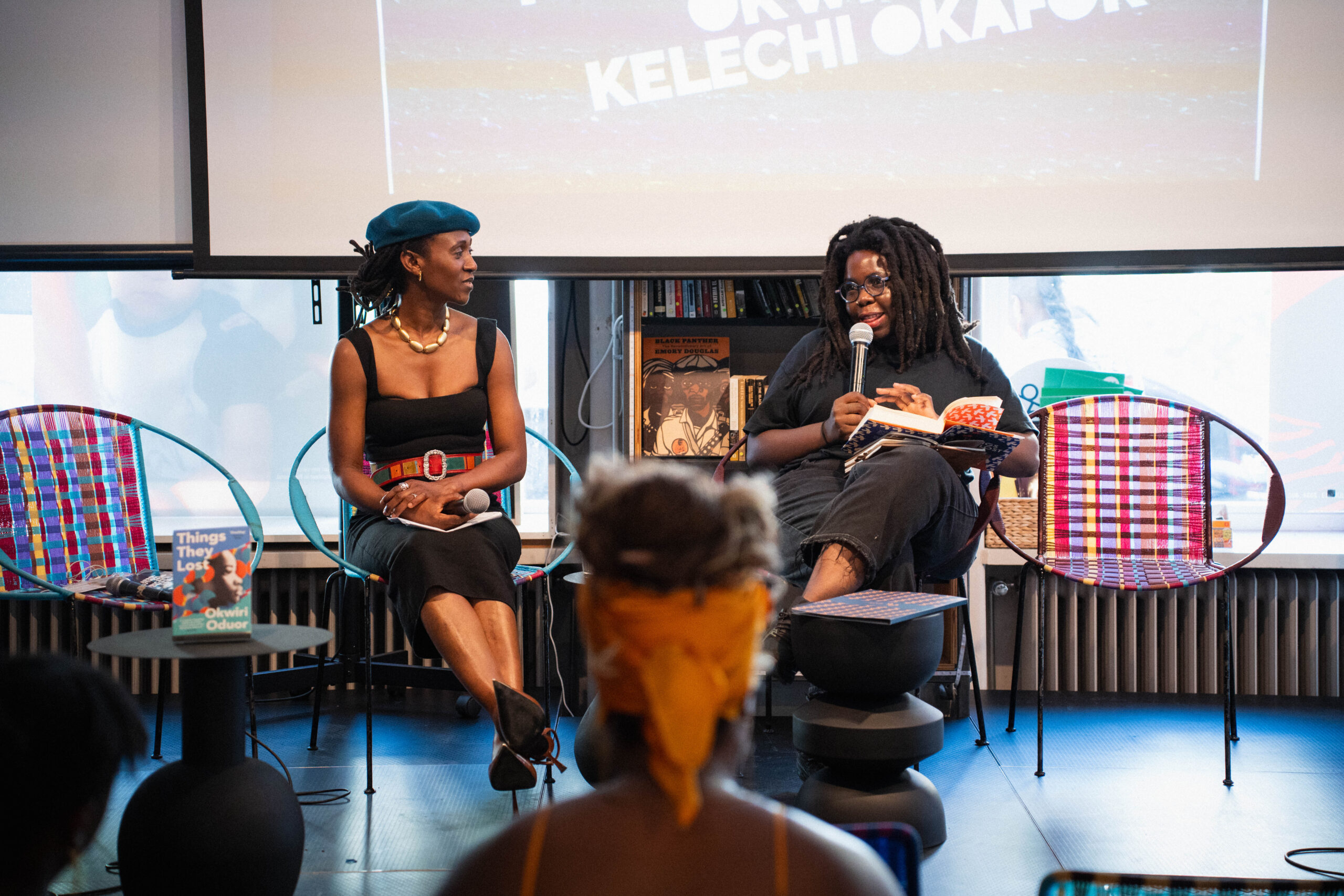
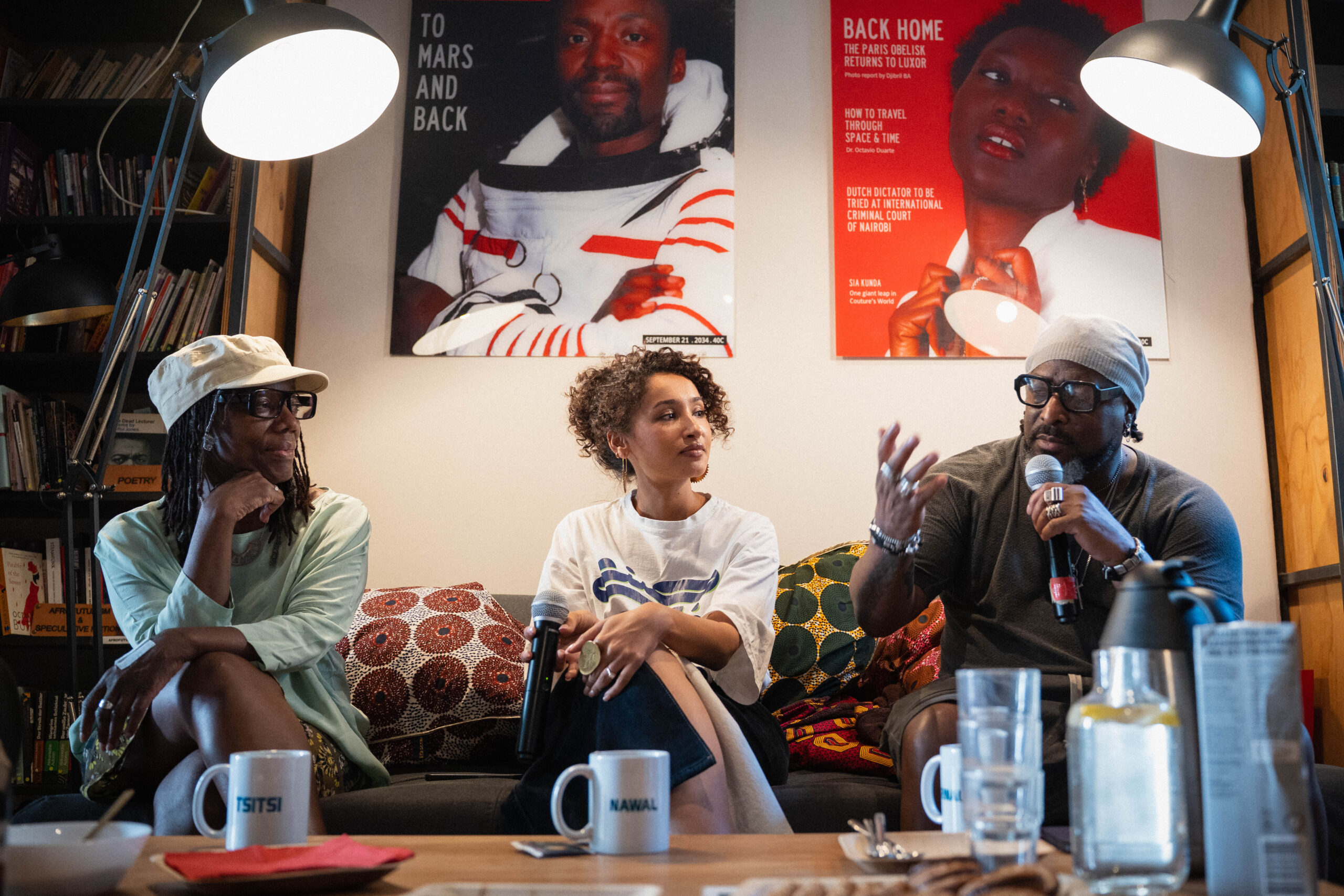
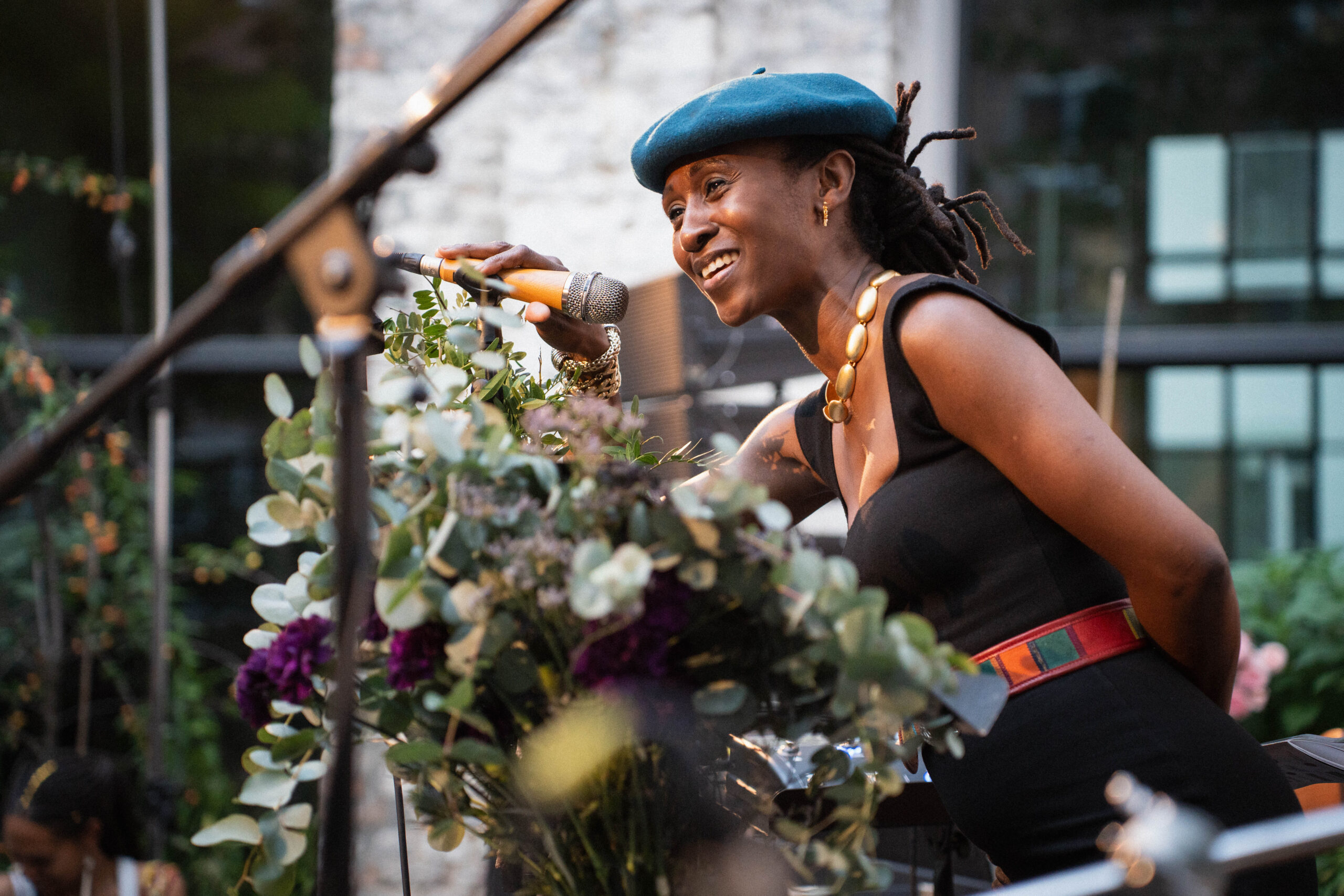
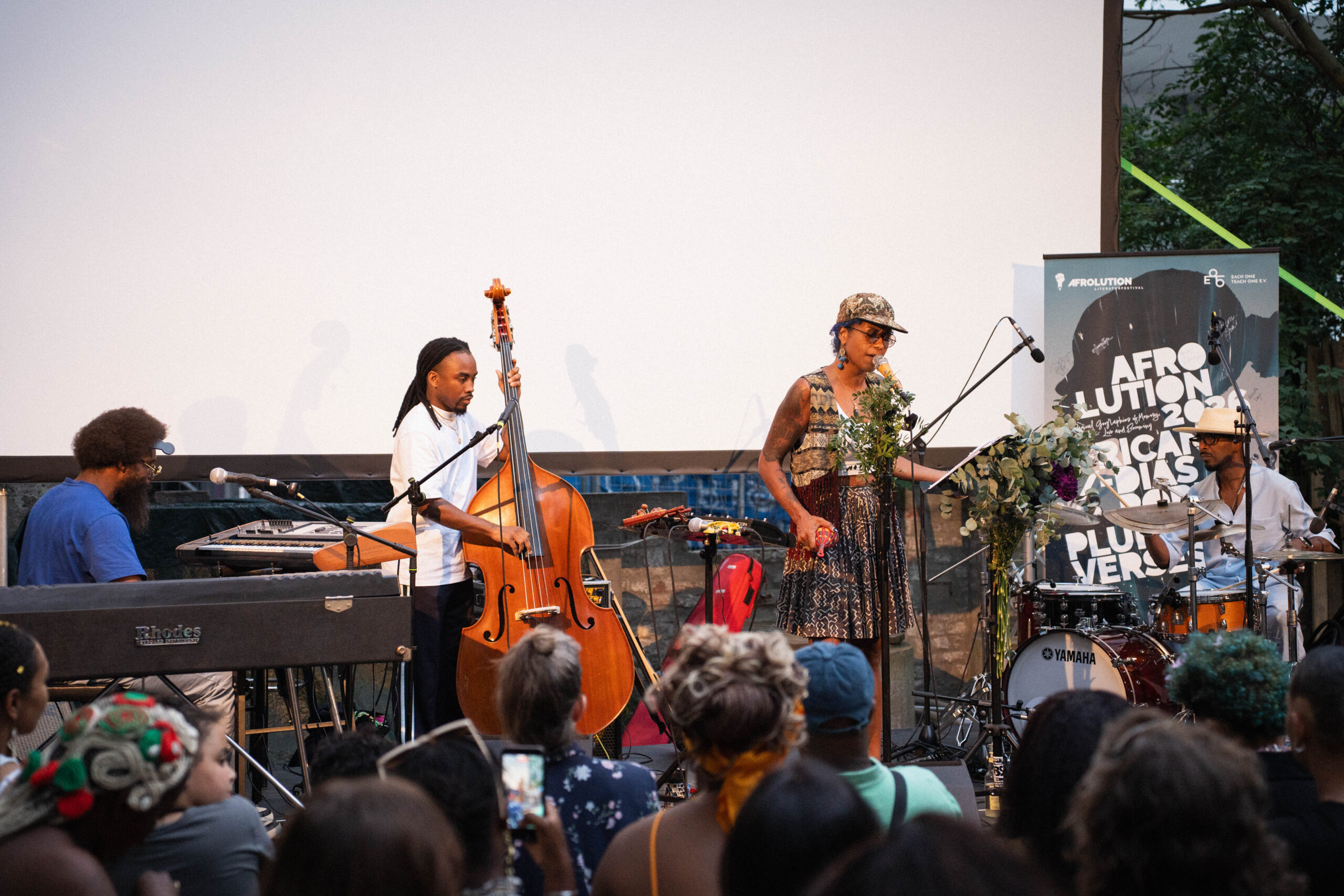
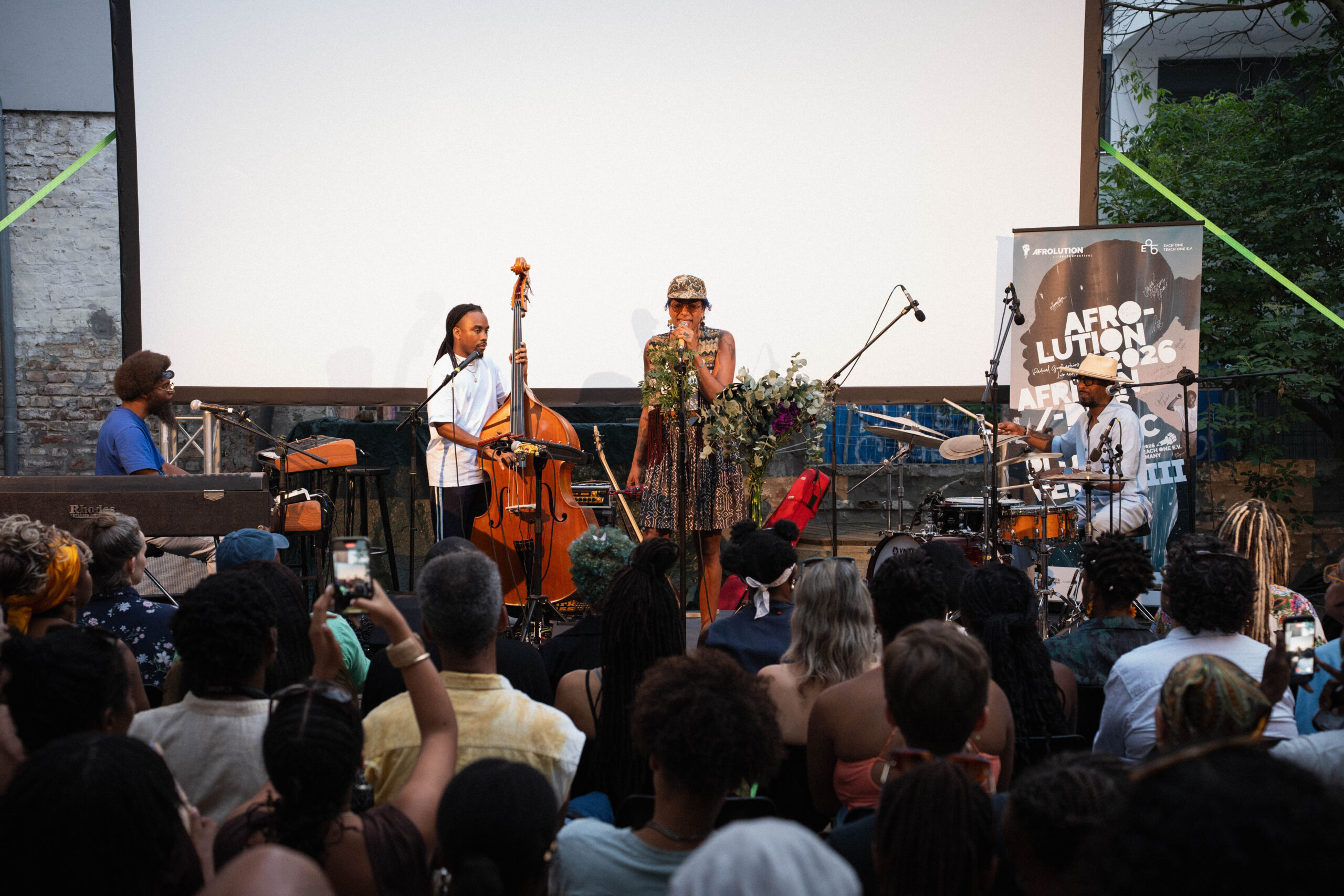
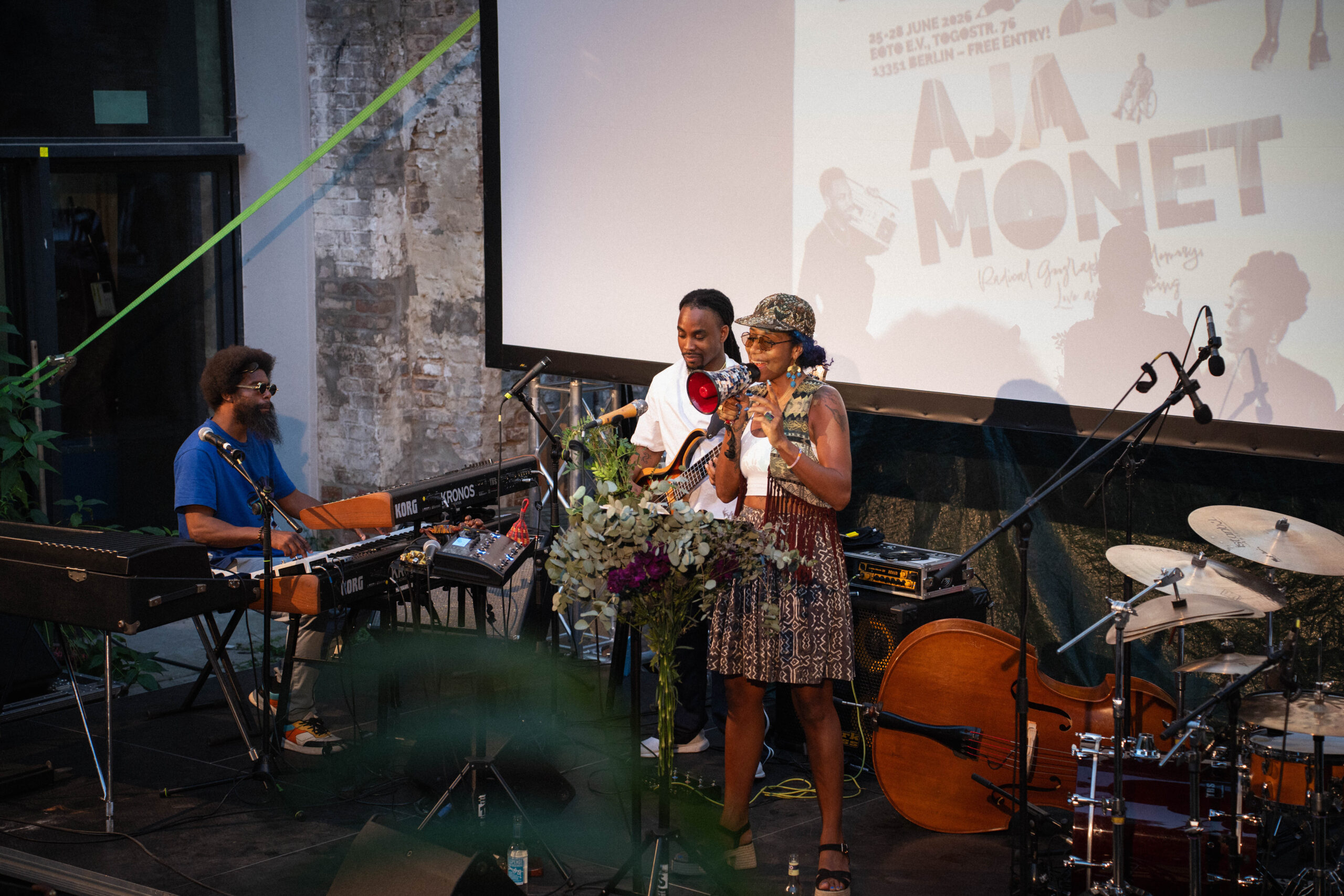
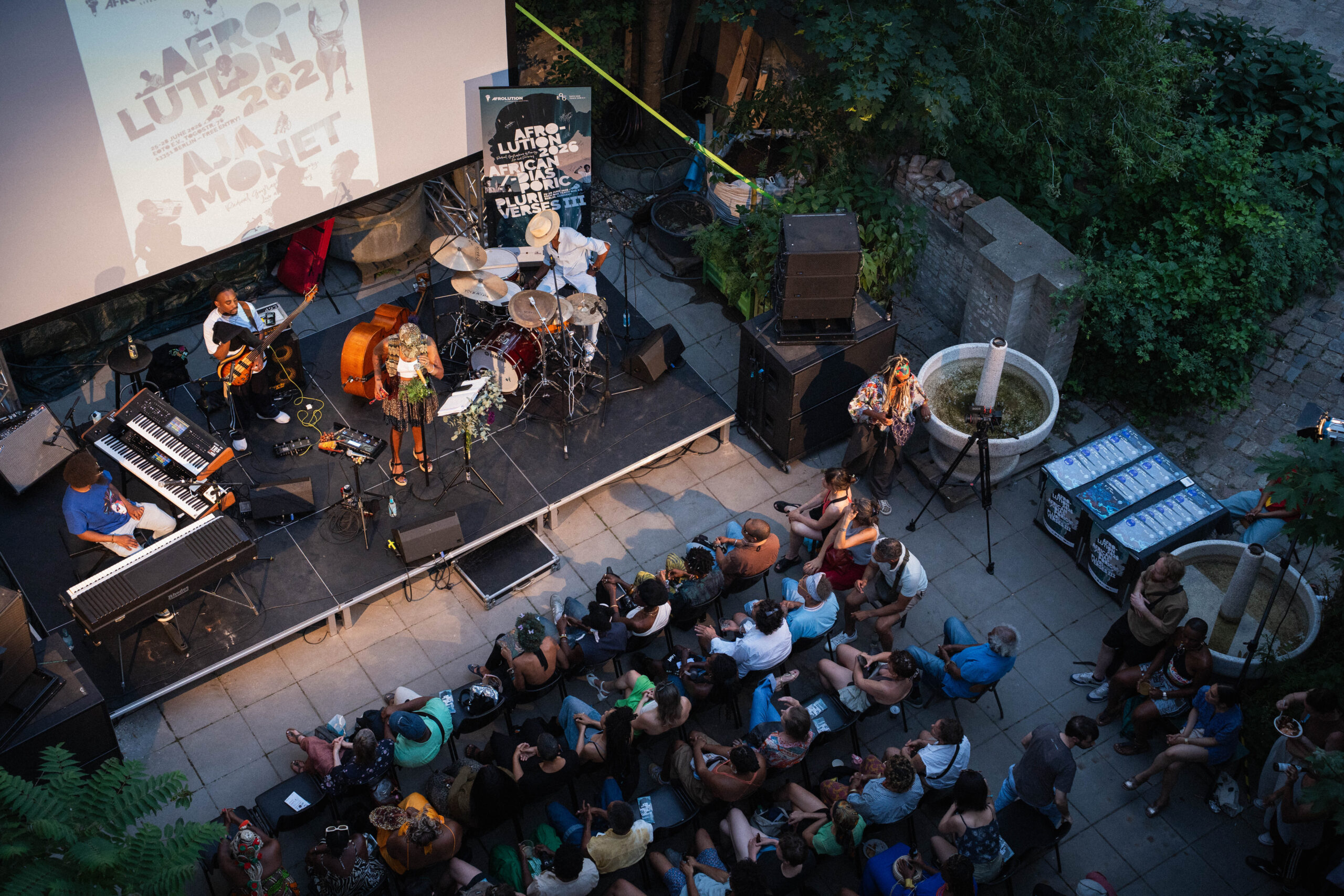
The festival opened on Thursday with welcoming remarks from founder Nadja Ofuatey-Alazard, novelist and festival patroness Tsitsi Dangarembga, Fredrika Newton, and Olivier Fanon, followed by keynotes from artist Kader Attia, strategist Amara Enyia, and scholar Rinaldo Walcott. Attia, this year’s co-curator, also unveiled his group exhibition “The Reticular Network: Reclaiming Our Human Connections,” featuring Adji Dieye, Joana Owona, Olivier Marboeuf, Nicolas Premier, Alison Umeh, Rafik Zaidi, and Algerian feminist activist Sanhadja Akrouf, running through July 31 at EOTO. Friday’s programming leaned into rigorous discourse: a panel on radical justice and the Maghreb’s relationship to anti-Black racism featured Nawal Ibtissam Benali, Okwiri Oduor, Mohamed Amer Meziane, and Nani Jansen Reventlow, while readings paired Marion Kraft with Priscilla Layne, Kelechi Okafor with Jenaba Samura, and Okwiri Oduor with Brittle Paper’s own Ainehi Edoro. The day closed with a Coffee Talk on Pan-African visions featuring Dangarembga, Benali, and Walcott, followed by an excursion to Sinema Transtopia for a screening of Abdenour Zahzah’s biopic Dr. Frantz Fanon, and a concert by Grammy-nominated poet aja monet and her band.
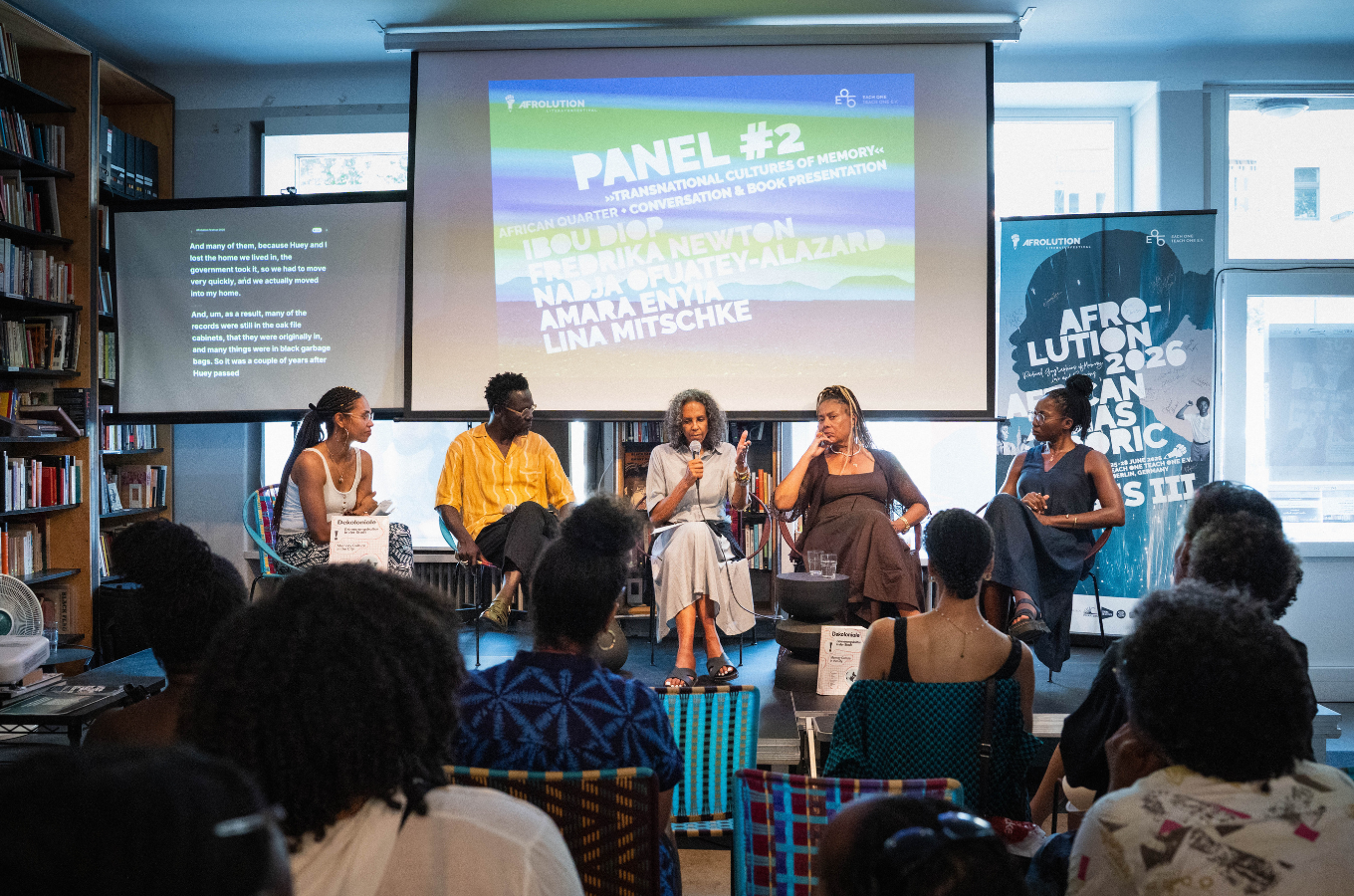
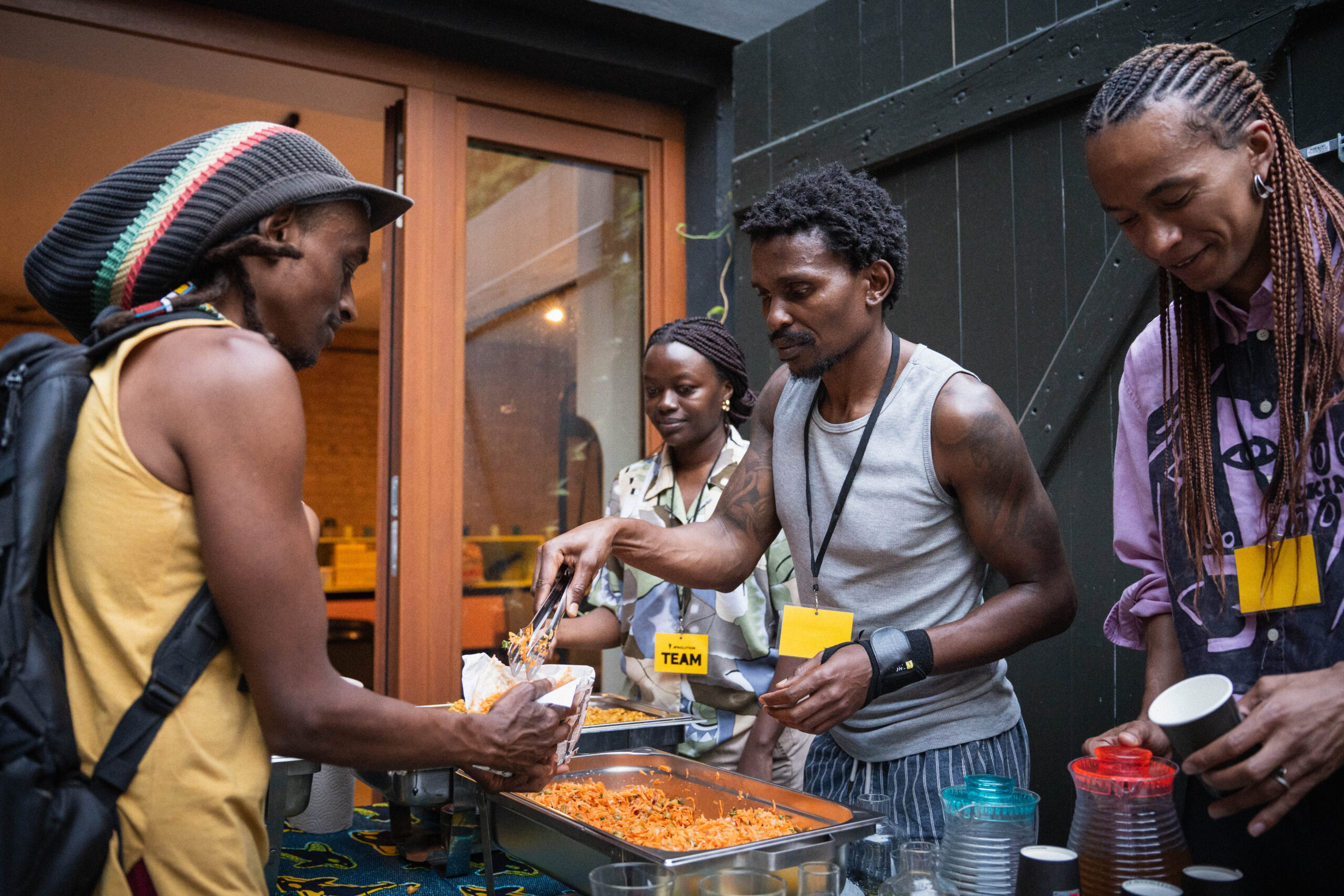
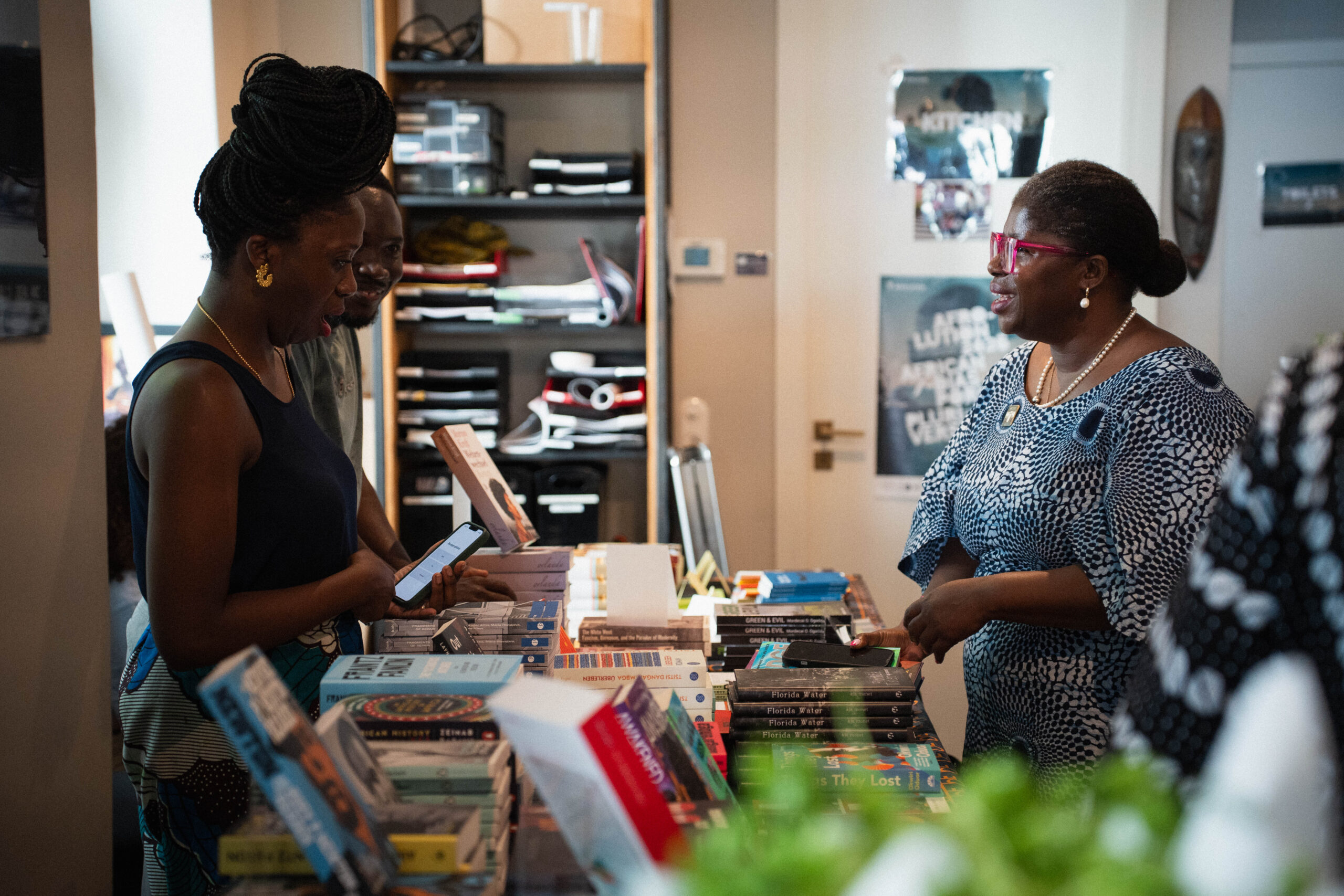
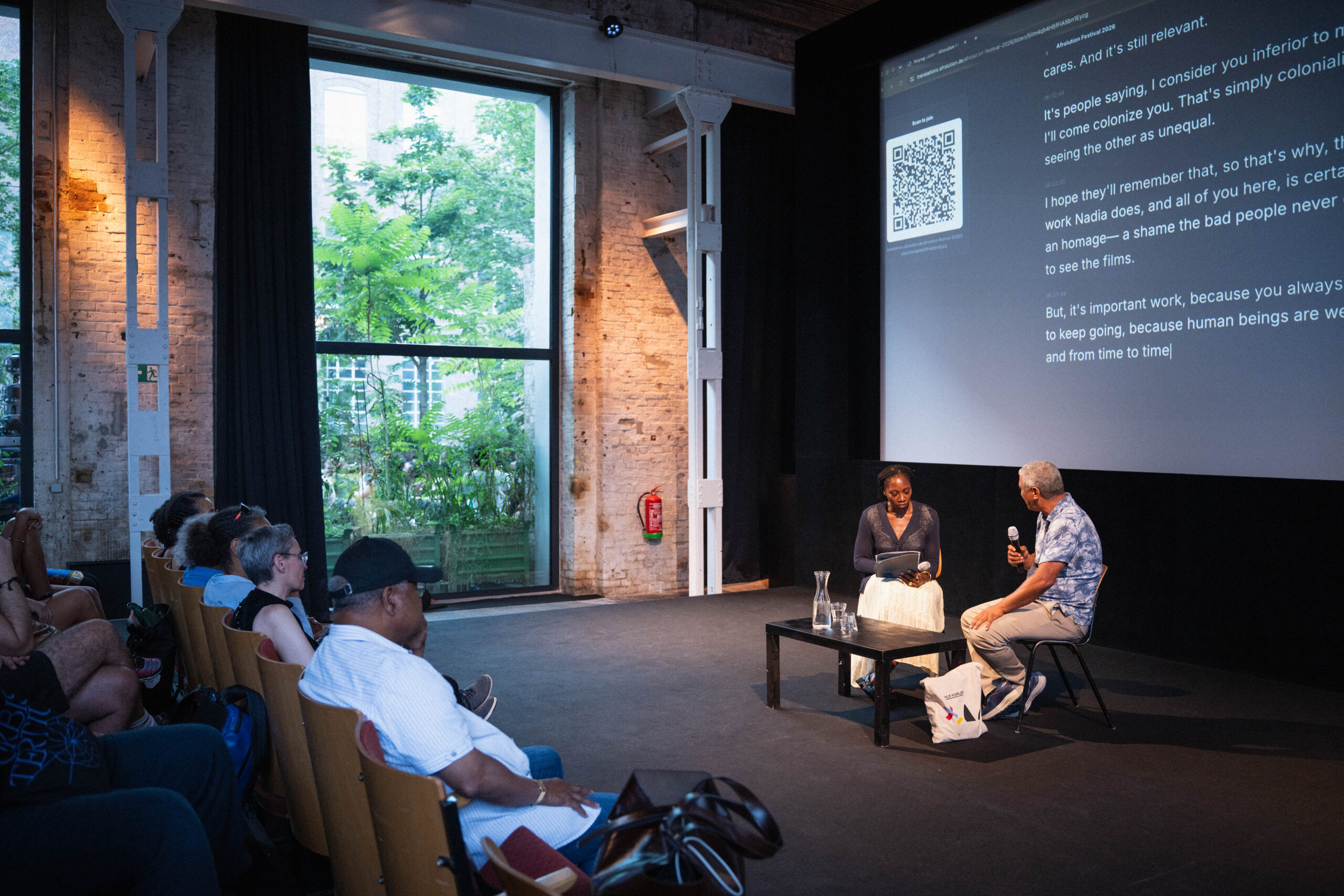
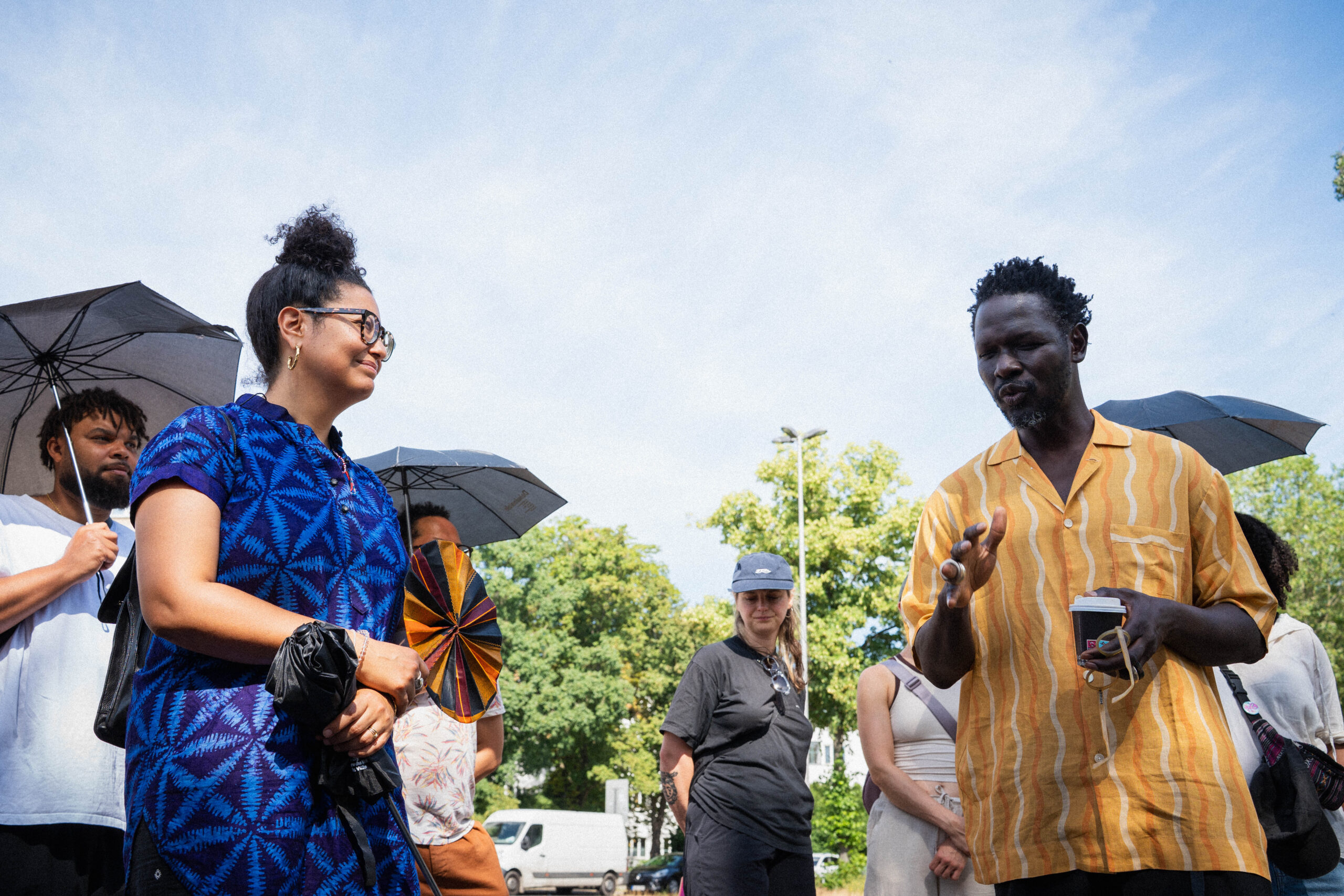
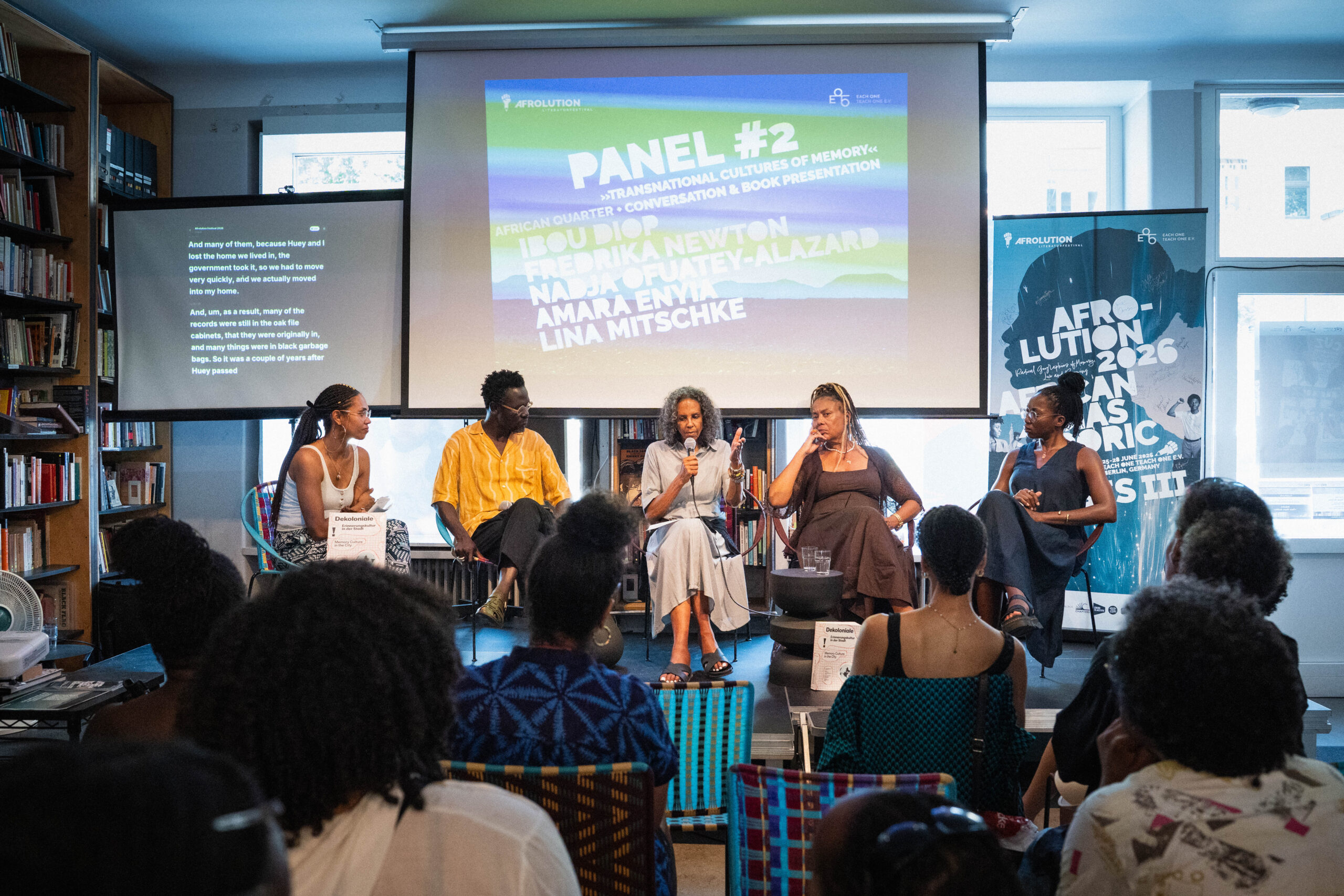
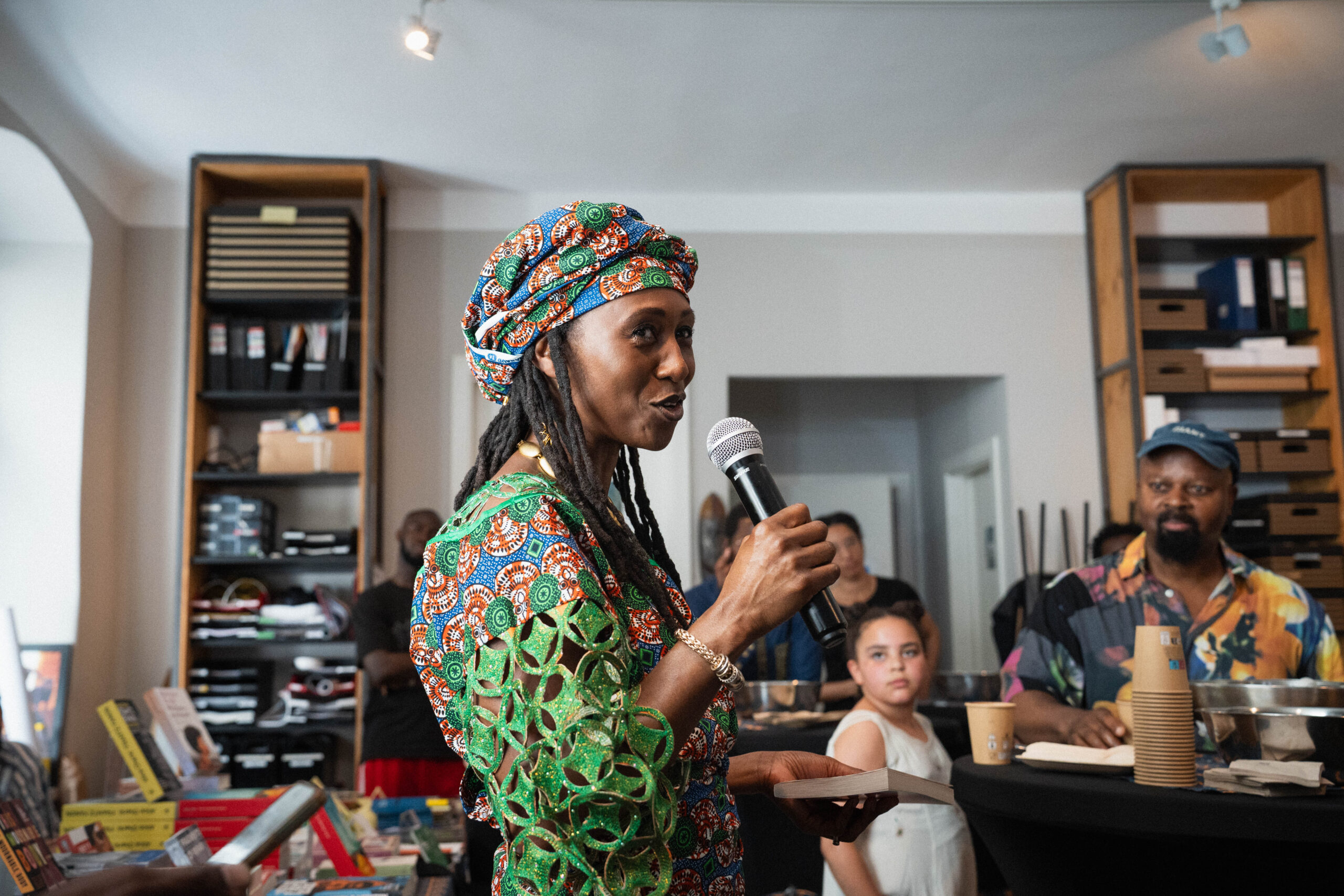
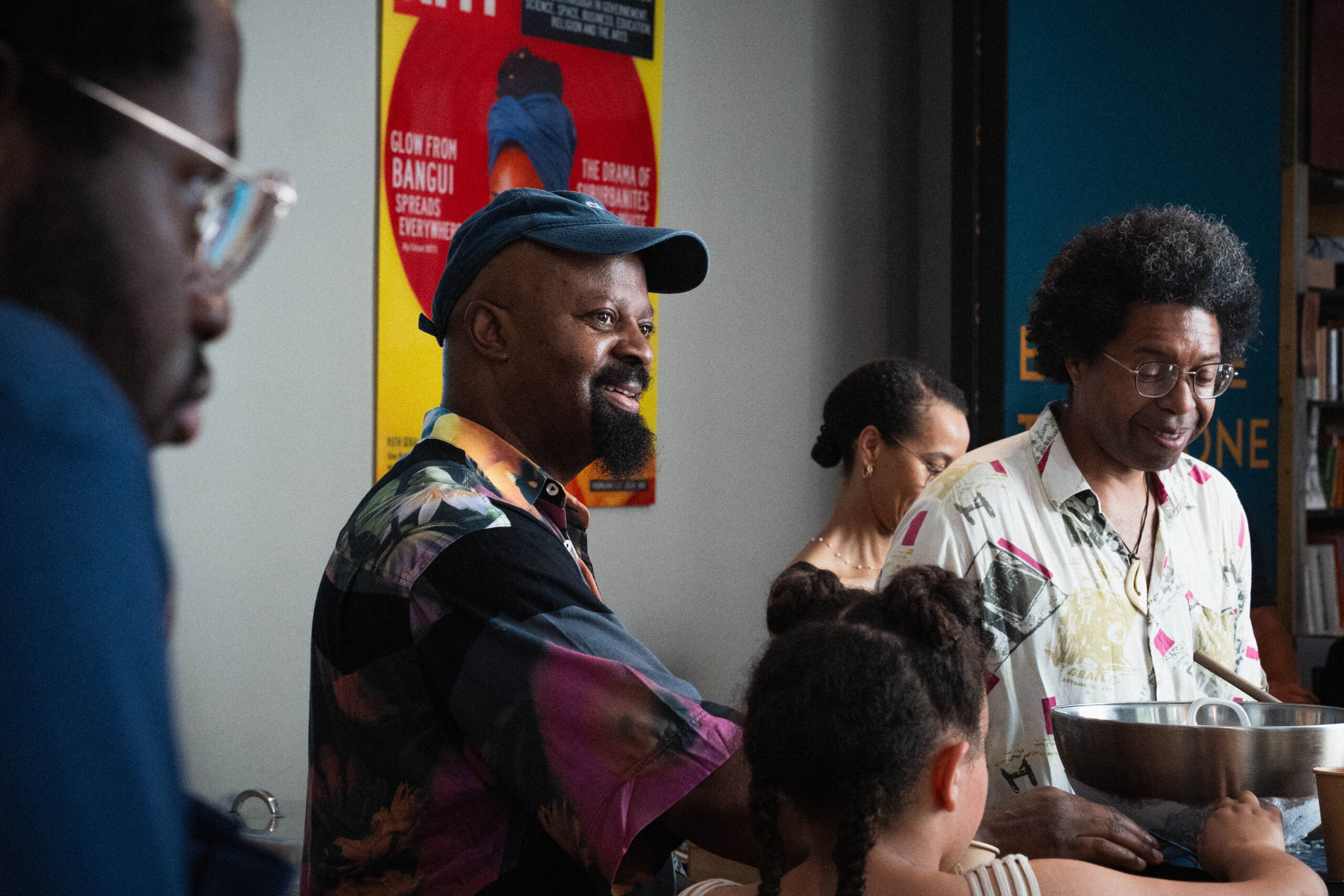
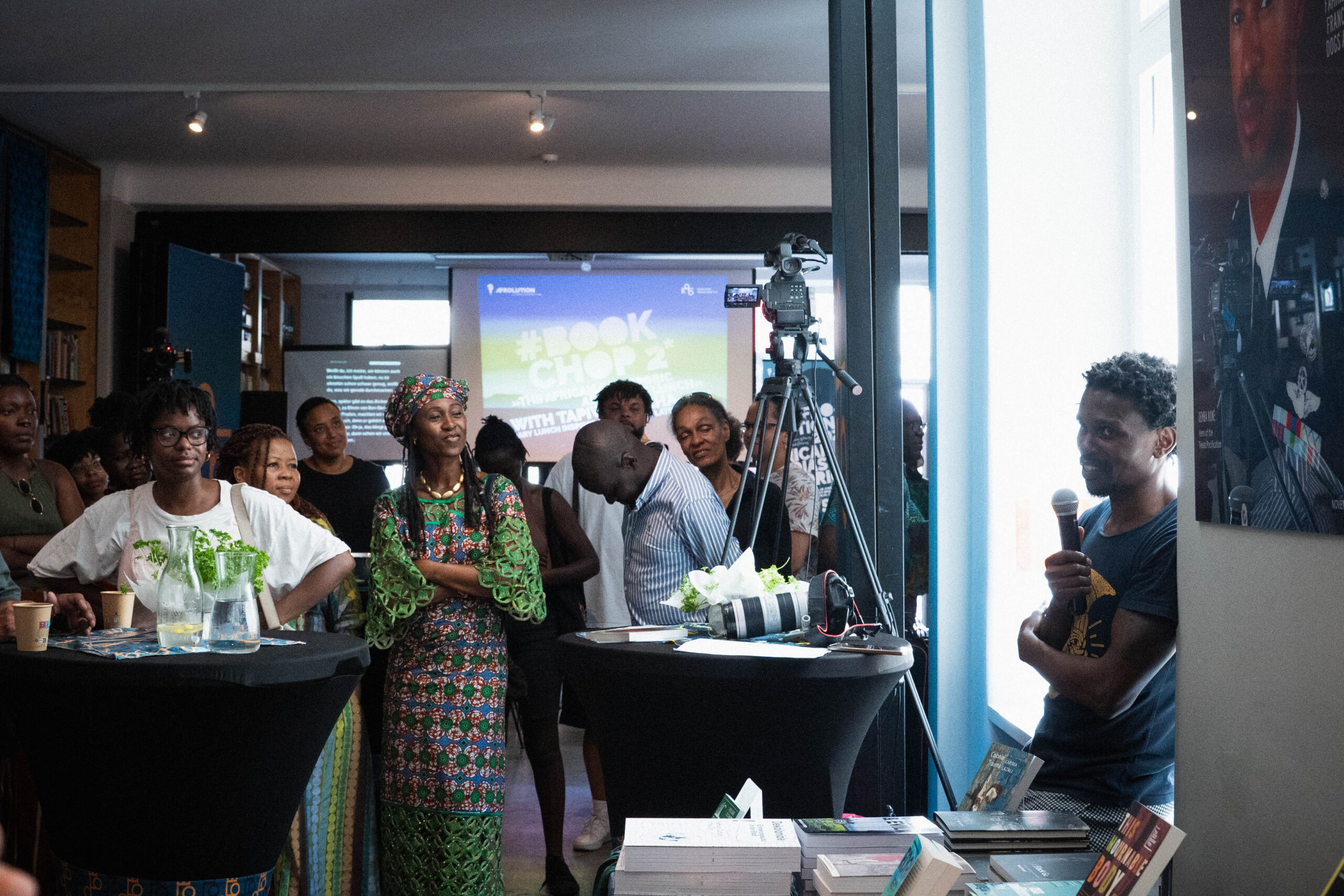
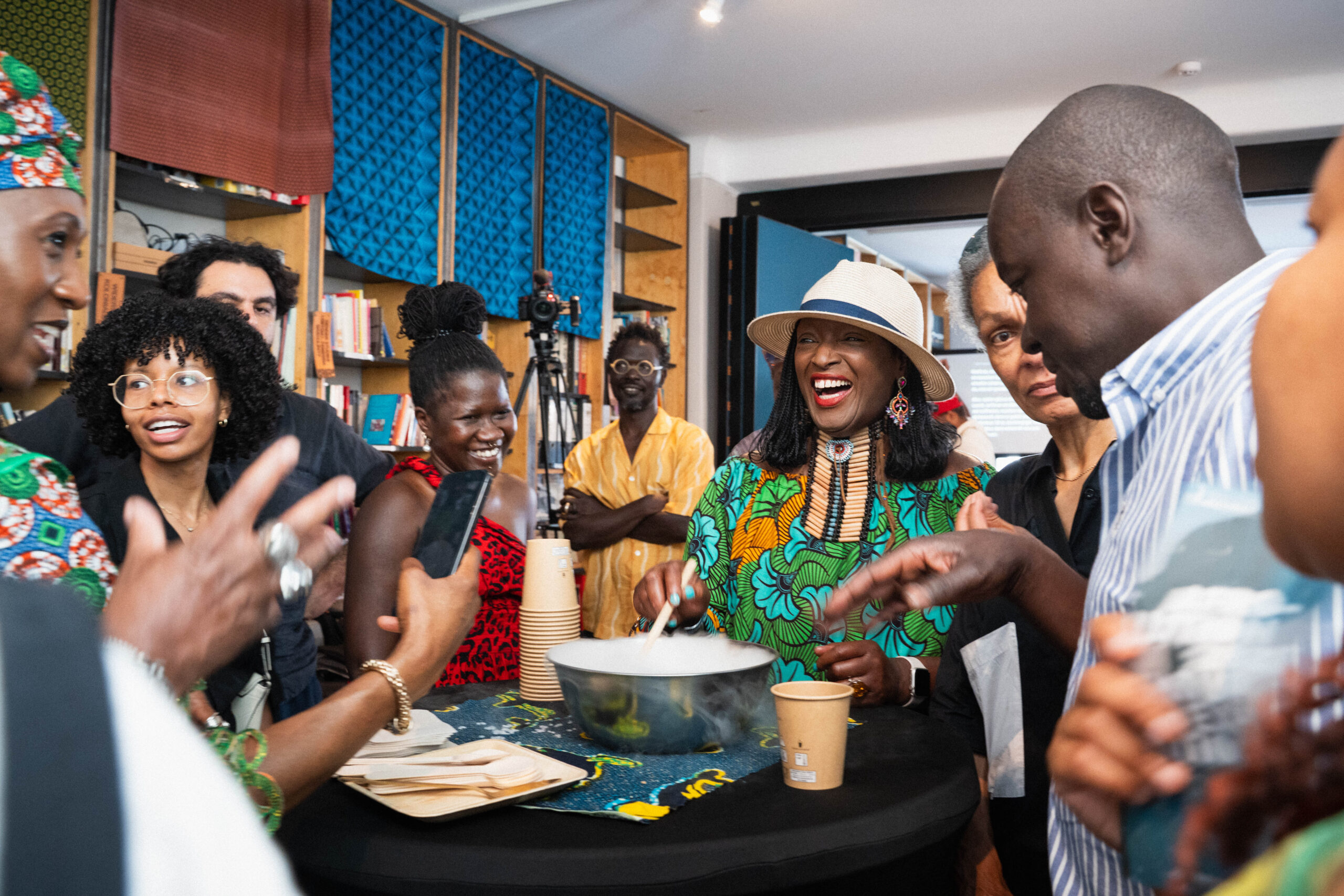
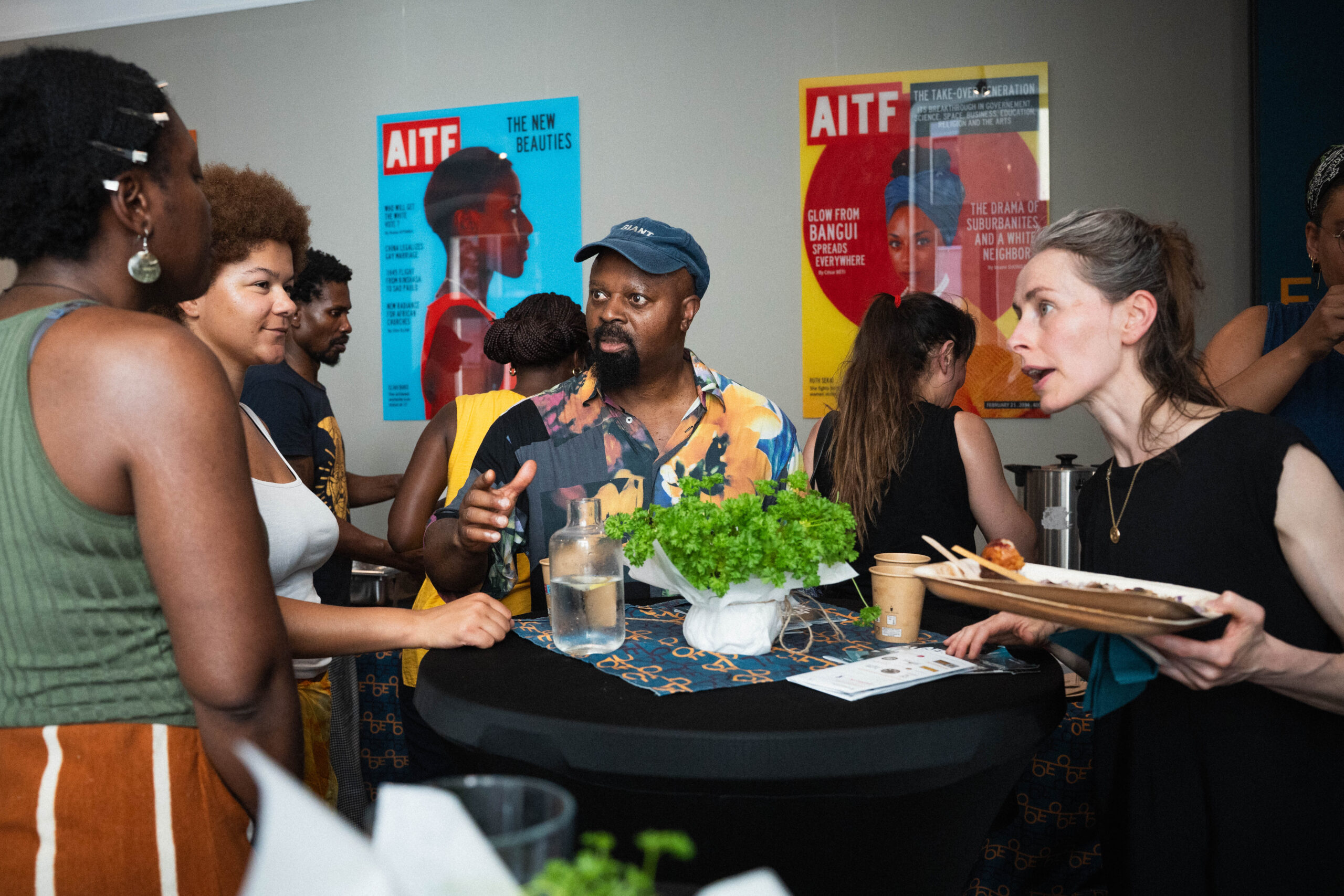
Saturday carried the festival’s literary weight. A neighborhood tour of the Dekoloniale memorial project fed into a panel on transnational remembrance with Ibou Diop, Fredrika Newton, and Ofuatey-Alazard, while a Coffee Talk on resisting institutional co-optation brought together Kader Attia, Maisha M. Auma, and Elvira Dyangani Ose. Kenyan ecologist Mordecai Ogada discussed his book Green and Evil with Angela Asomah, tackling what he calls green colonialism in African conservation. The day’s marquee literary event paired Booker Prize winner Ben Okri with Ainehi Edoro in a conversation grounded in her book Forest Imaginaries: How African Novels Think, touching on his novel Madame Sosostris and the Festival for the Broken-Hearted and his edited anthology African Stories. Food curator Kwame “Juice” Owusu’s Book Chops translated the day’s literary themes into Pan-African cuisine, and the night closed with a relocated party at Ayoka Bar featuring a community fashion show styled by designers from Casablanca and Paris, a roller-skate performance by Oumi Janta’s Jam Skate Academy, and a live broadcast of a World Cup match.
The festival wound down Sunday with a Coffee Talk on poetics and liberation featuring Olivier Marboeuf, Mohamed Amer Meziane, and aja monet, paired with a “Sunday ‘Church’ Brunch,” before closing with a griotage recap by Kelechi Okafor and Salah Yousif. Throughout the four days, a full youth and children’s program ran in parallel including a young-adult reading, dance sessions curated by DJ Prince Ofori, a children’s book-making workshop with illustrator Diana Ejaita, and a reading hosted by Black Parents Germany.
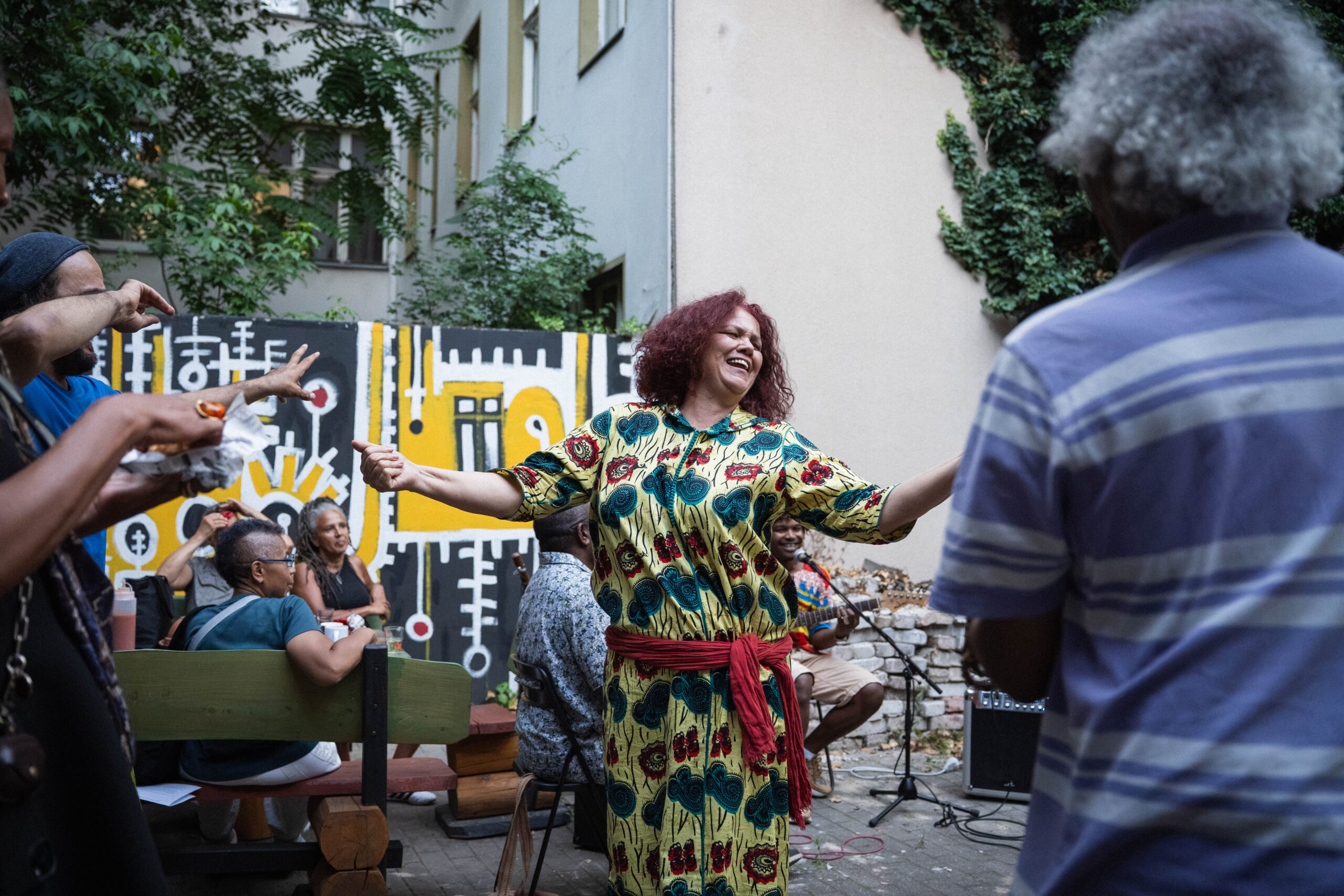
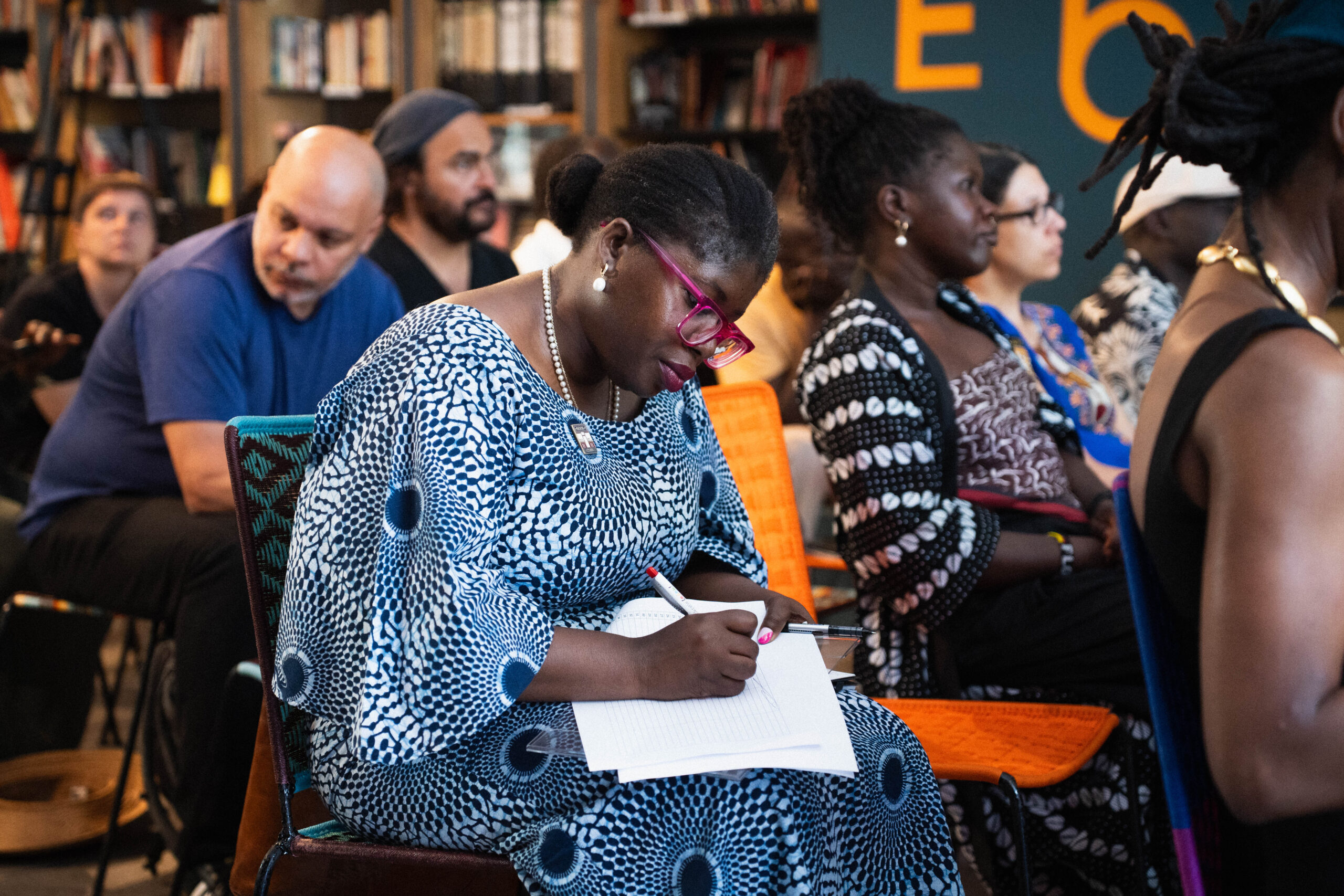
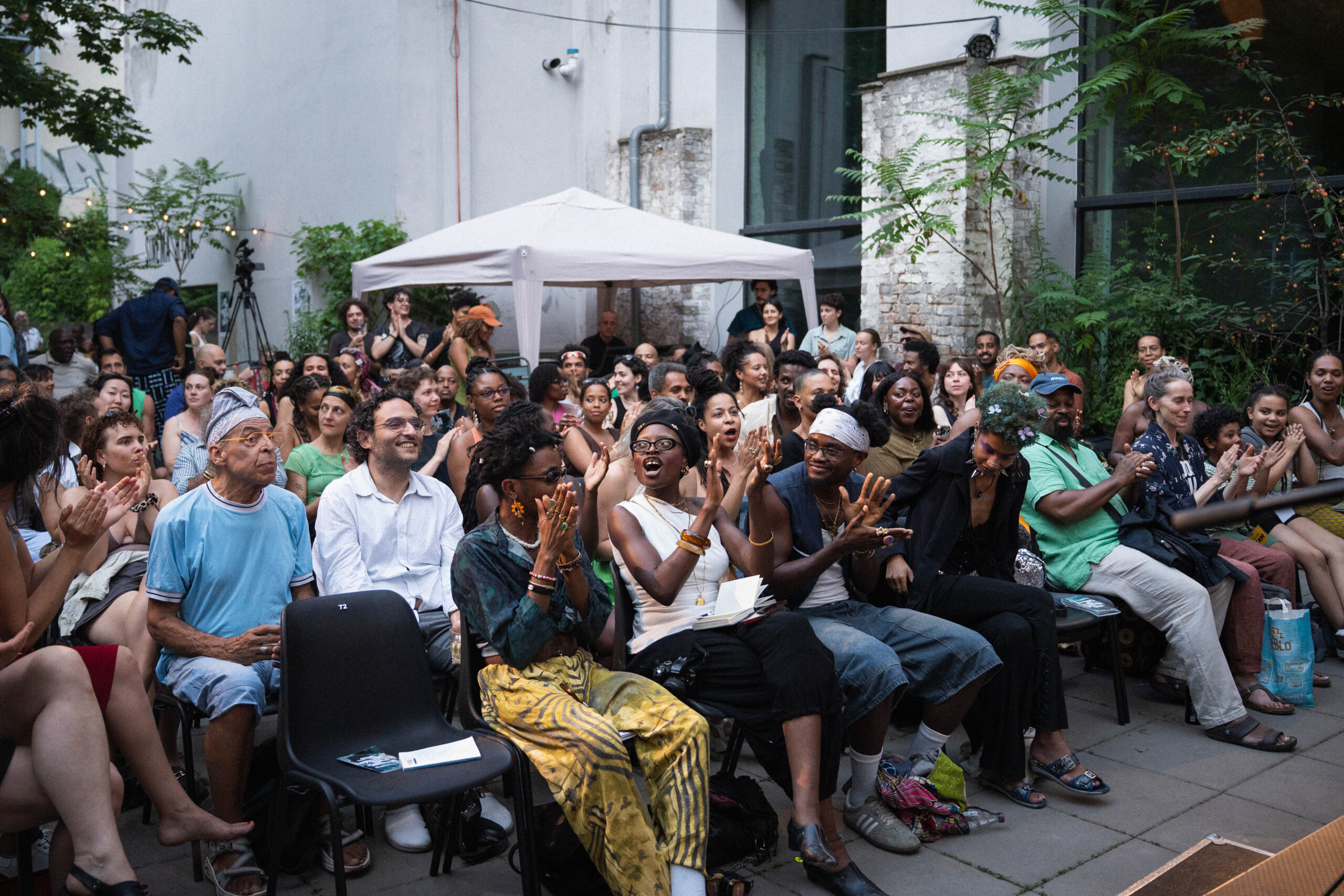
Afrolution has built its reputation on precisely this kind of density: literature, art, food, fashion, and activism folded into a single transnational conversation. This year’s edition, threading Fanon’s legacy through the Maghreb’s contested place in Pan-African history, made good on that ambition once again, and Brittle Paper will be watching for what the festival’s fourth and final Pluriverses installment brings in 2027.
Photo Credit: (c) Afrolution 2026_Al Amin

COMMENTS -
Reader Interactions