

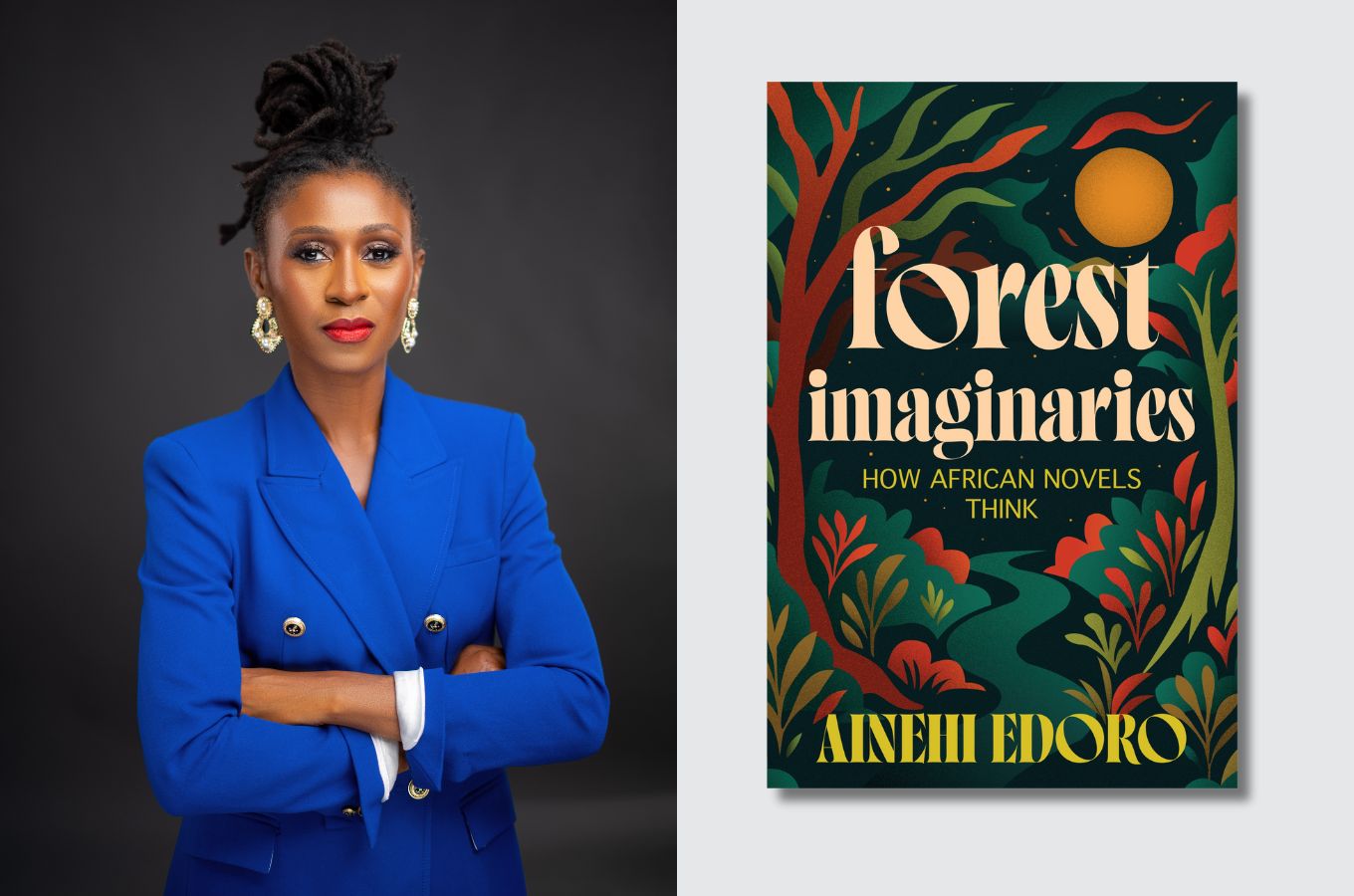
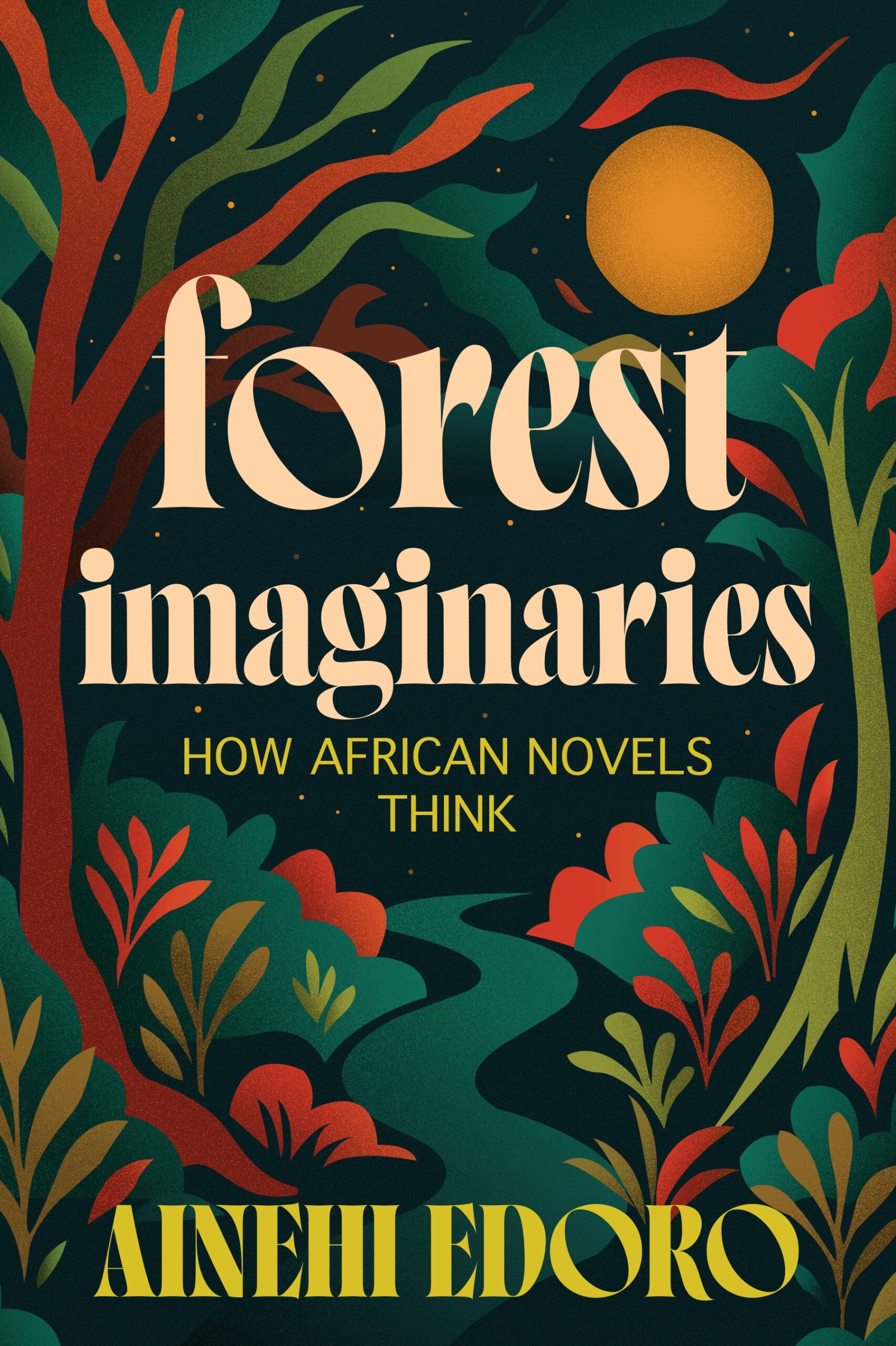
 After fifteen years sharing African books with readers the world over, Brittle Paper’s founding editor, Dr. Ainehi Edoro, is publishing her first book. Forest Imaginaries: How African Novels Think will be released in January 2026 by Columbia University Press.
For longtime readers of Brittle Paper, this moment feels like a homecoming. Since its founding in 2010, the platform has championed the voices of countless African writers, offering daily commentary on books, news, and cultural shifts in the continent’s literary scene. Now, the editor who built that global conversation steps forward as an author in her own right.
Forest Imaginaries asks readers to reconsider one of the most imaginative spaces in literature: the forest. The book grew out of the forest tales Edoro encountered as a child in Benin City, from folklore to fairytales. It later deepened into a study of iconic forests in African literature—Chinua Achebe’s evil forest in Things Fall Apart, Amos Tutuola’s endless forest in The Palm-Wine Drinkard, the revolutionary forests in Ngũgĩ wa Thiong’o’s Mau Mau novels, as well as forests in African science fiction and fantasy. At its core, the book is asking why writers continually return to the forest as a radically imaginative space. Edoro says that it is because forests, as spaces where myth, politics, power, and creativity converge, empower African storytellers to reinvent what fiction can do.
As the synopsis explains:
“Forests in fiction are often understood simply as settings, symbols, or remnants of a premodern past. Yet many African novelists have turned to the forest to experiment with worldbuilding and to imagine new futures. This groundbreaking book explores the life of the forest in African fiction, showing how writers have used it to reinvent the novel’s formal, aesthetic, and political possibilities.”
From indigenous African stories to contemporary science fiction, Forest Imaginaries shows that African literature has long turned to the forest as a laboratory for new ways of thinking about politics, knowledge, and narrative form.
For Edoro, who teaches English and African Cultural Studies at the University of Wisconsin–Madison, the book is an intellectual and personal milestone. “Brittle Paper has always been about creating a space where books matter, where people can think and feel through literature together,” she says. “This book grew out of that same spirit. I want to give readers of African books more reasons to fall in love with African storytelling. Even though Forest Imaginaries is an academic book, I hope it gives our community a space to connect with the experimental spirit that has driven African literary innovation for generations.”
Pre-order Forest Imaginaries here.


Osasere Anika October 13, 2025 04:14
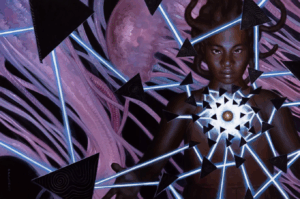
This should be an amazing book. The cover page is captivating. Would like to read it