

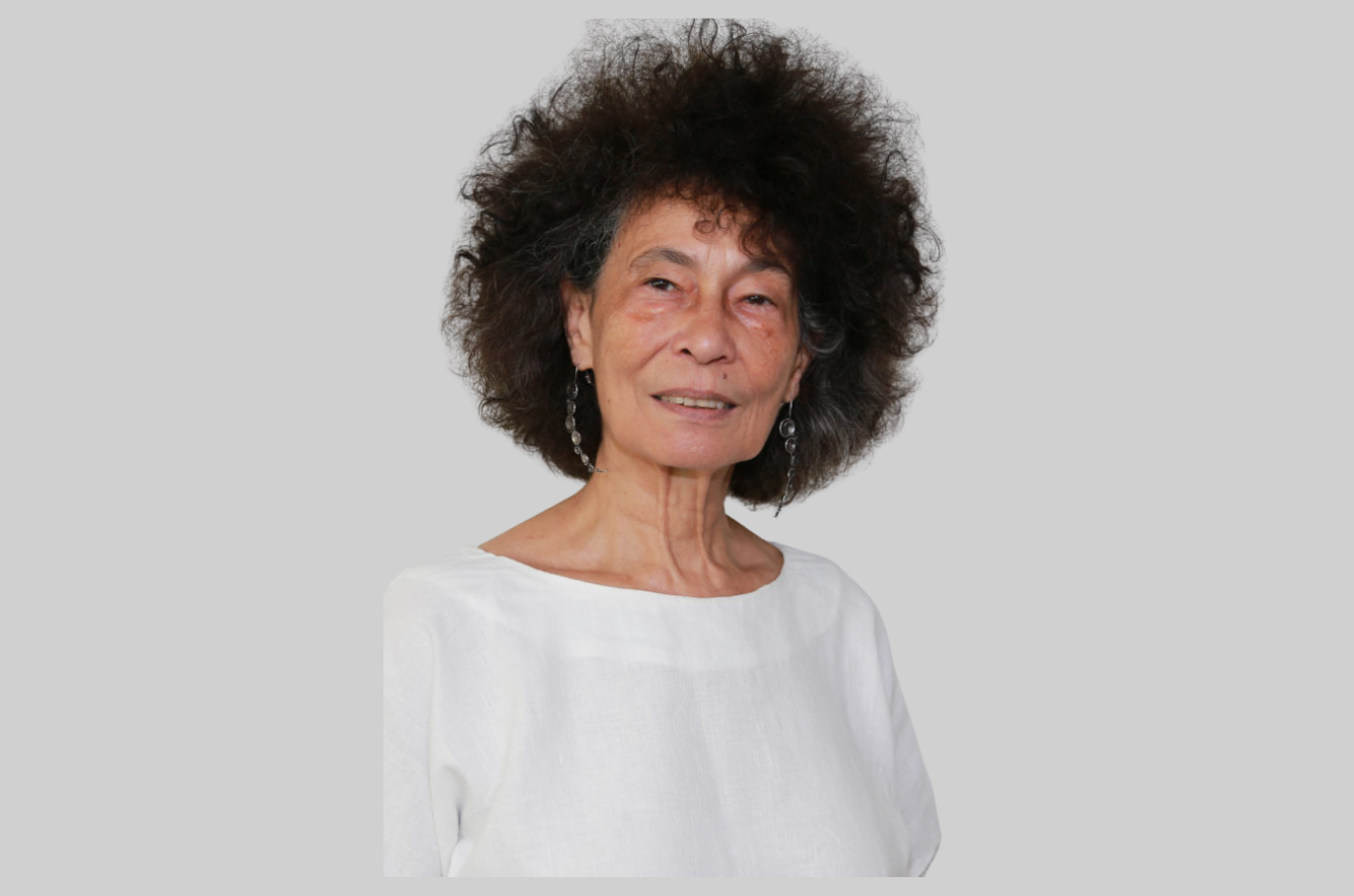
South African novelist, short story writer, and scholar Zoë Wicomb passed on on October 13, 2025, at her home in Glasgow, Scotland. She was 76 years old. Her death marks an immeasurable loss to African literature, feminist scholarship, and all who have been moved by her luminous explorations of identity, memory, and injustice.
Born in Namaqualand, Northern Cape, in 1948, Wicomb grew up during the height of apartheid in a society structured around racial classification and exclusion. Of Coloured heritage, she spent her career giving voice to those marginalized by history and interrogating the silences that shaped lives under and after apartheid.
After studying at the University of the Western Cape, Wicomb moved to the United Kingdom, where she pursued postgraduate studies at Reading University. She built a distinguished academic career, teaching English literature at the University of Nottingham and later serving as Professor of English Studies at the University of Strathclace in Glasgow until her retirement in 2009. She maintained deep ties to South Africa, holding the position of Professor Extraordinaire at Stellenbosch University from 2005 to 2011.
Her 1987 debut, You Can’t Get Lost in Cape Town, a collection of interlinked stories, immediately established her as a powerful and introspective voice in South African literature. Her subsequent novels, David’s Story (2000), Playing in the Light (2006), and October (2014), expanded her international reputation and cemented her place among the most important writers of post-apartheid South Africa.
Wicomb’s work was ground-shifting in its approach. She wrote unforgettably about Sarah Baartman, slavery, the betrayals of the anti-apartheid struggle, and the compromises of the South African transition. Her accolades reflected the depth of her contribution. In 2013, she became the inaugural recipient of the Windham Campbell Prize for Fiction from Yale University, one of the most significant literary honors in the world. She also received the M-Net Literary Award and earned praise from Nobel laureate Toni Morrison, who called her work “brilliant and precious.”
But Wicomb was more than her awards. She was known for her integrity, modesty, and sharp intellect. As a lecturer, she inspired generations of students to read for understanding rather than mere knowledge, and to write with authenticity and purpose. Her narratives illuminated the intimate and expansive aspects of life.
Professor Robert Balfour, Vice-Chancellor of the University of the Western Cape, expressed his sadness at her passing: “I had the opportunity to meet with Zoë when she visited for a Time of the Writer Festival in the early 2000s. Her lively interest in South Africa and her deep concern with equality, inclusion, and diversity featured with such nuance, skill, and wit in her writing and conversation, and remain powerful in memory.”
Her loss is felt across continents, by Africans, Africanists, feminists, students, readers, and all who recognized in her work a rare combination of intellectual rigor and profound humanity. Zoë Wicomb showed us that literature could be both beautiful and truthful, that it could honor the ordinary while bearing witness to the extraordinary weight of history.
She leaves behind a body of work that will continue to teach, challenge, and inspire.



COMMENTS -
Reader Interactions