

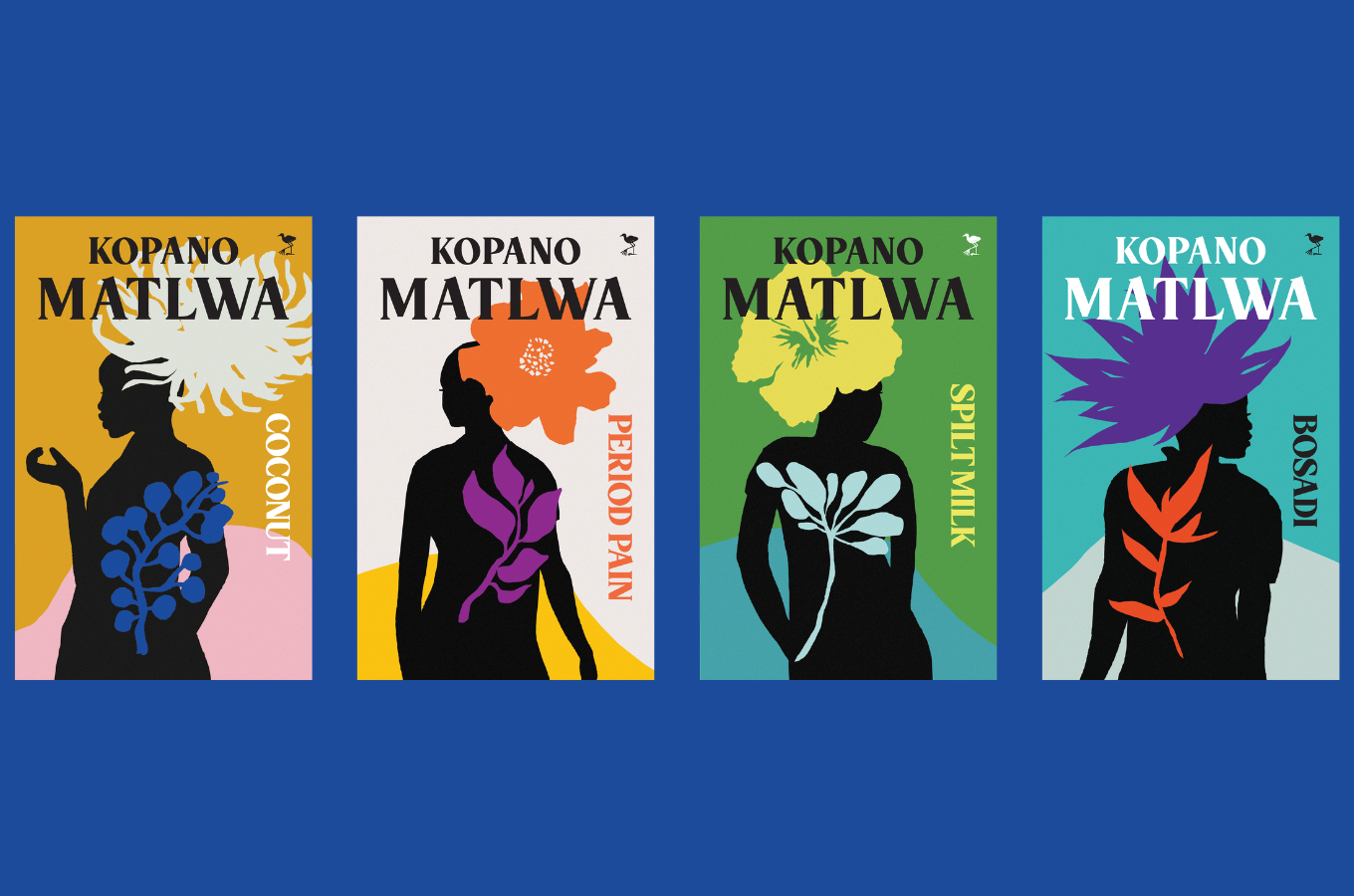
Nearly two decades after her debut novel Coconut won the EU Literary Award and captured the imagination of post-apartheid South Africa, Kopano Matlwa returns with Bosadi, a devastating exploration of gender violence and the impossible burdens placed on Black women.
Published by Jacana Media in late 2025, Bosadi tells the story of Naledi, whose promising life is confined in an abusive marriage. Here, Naledi fights against the erasure of her identity, body, and sanity. Watching from the shadows is Aunty, a Zimbabwean domestic worker carrying her own wounds and the weight of children left behind. Together, these women forge a fragile, complicated sisterhood. Told in alternating voices, the novel confronts gender, grief, immigration, and violence with unflinching clarity.
Matlwa burst onto the literary scene at 21 with Coconut (2007), which became a bestseller and later jointly won the Wole Soyinka Prize for Literature in Africa. She followed with Spilt Milk (2010), examining the disillusionment of South Africa’s “Born Free” generation, and Period Pain (2017), an indictment of xenophobia that earned a Barry Ronge Fiction Prize shortlist. Her novels have been translated into nearly a dozen languages.
What sets Matlwa apart is her dual life as a public health physician. Holding a medical degree from UCT and a DPhil in Population Health from Oxford, where she studied as a Rhodes Scholar, she was featured in Bill Gates’ “Heroes in the Field” series in 2020 for her work tackling child malnutrition. Her medical background infuses her fiction with an understanding of how systemic violence manifests in bodies, particularly those of women and the marginalized.
Matlwa’s trajectory traces an increasingly intimate cartography of pain. Where Coconut examined identity and belonging, and Period Pain exposed institutional xenophobia, Bosadi turns its gaze to the home, the supposedly safe space where violence often thrives unchecked. The novel arrives at a moment when conversations about gender-based violence have intensified across the continent, yet solutions remain elusive. Matlwa doesn’t offer easy answers. Instead, she bears witness, giving voice to women whose stories are too often silenced.
Bosadi is available from Jacana Media.




COMMENTS -
Reader Interactions