

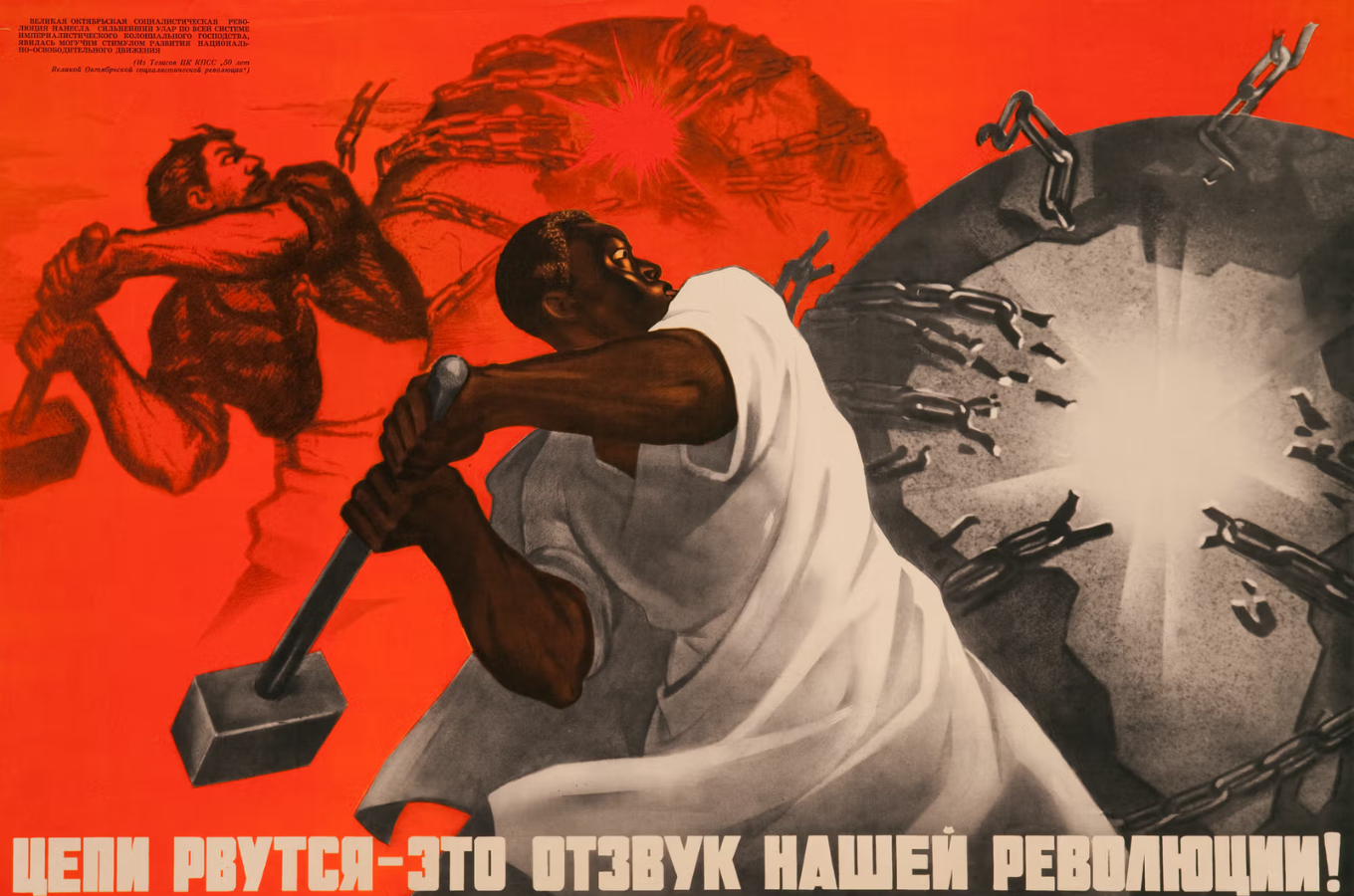
A new literary and political magazine has emerged with an ambitious mission: to create space for voices from beyond the Western center. Equator, launched in response to what its founders describe as the moral and intellectual decline of legacy Western media. For readers of African literature and thought, the magazine offers a fresh platform where African perspectives are centered rather than marginalized.
The magazine’s founding statement is clear about the current global clime: “The genocide in Gaza has destroyed what remains of the illusion that the West should determine the future for the rest of the world.” They describe Equator as a response to legacy media that has met an increasingly globalized world “with boilerplate journalism, facile binaries, and an invincible ignorance of other societies and cultures.” Rather than attempting to reform existing institutions, Equator‘s founders, a collective of writers and editors who previously worked in prestigious Western platforms, have chosen to build something new.
Among the platform’s early offerings is a compelling essay by Nigerien scholar Rahmane Idrissa titled “Statemania,” which traces the trajectory from Soviet influence to American allure in Africa following the Cold War’s end. Idrissa’s piece demonstrates the kind of sophisticated African intellectual work the magazine aims to showcase. The essay engages seriously with African political thought, citing Cameroonian philosopher Achille Mbembe’s observation that “for many human cultures, the world, simply, does not end”, a counterpoint to Western apocalyptic anxieties.
The magazine describes itself as “a movement as much as a magazine,” promising not only longform stories about politics, culture, literature and art, but also public events, reading groups, screenings and exhibitions. Its editorial vision explicitly rejects both Western exceptionalism and simplistic notions of a unitary “Global South,” instead engaging with what the editors call “planetary entanglement.” For African writers and thinkers, this represents an opportunity to publish work that doesn’t require translation into Western frameworks or justification through Western reference points.
Equator‘s emergence comes at a moment when conversations about decolonizing media and knowledge production have intensified, yet meaningful institutional change remains elusive. African readers and writers interested in seeing their perspectives engaged with rigor should keep Equator on their radar. Visit equator.org to explore their growing archive of essays and articles.







COMMENTS -
Reader Interactions