

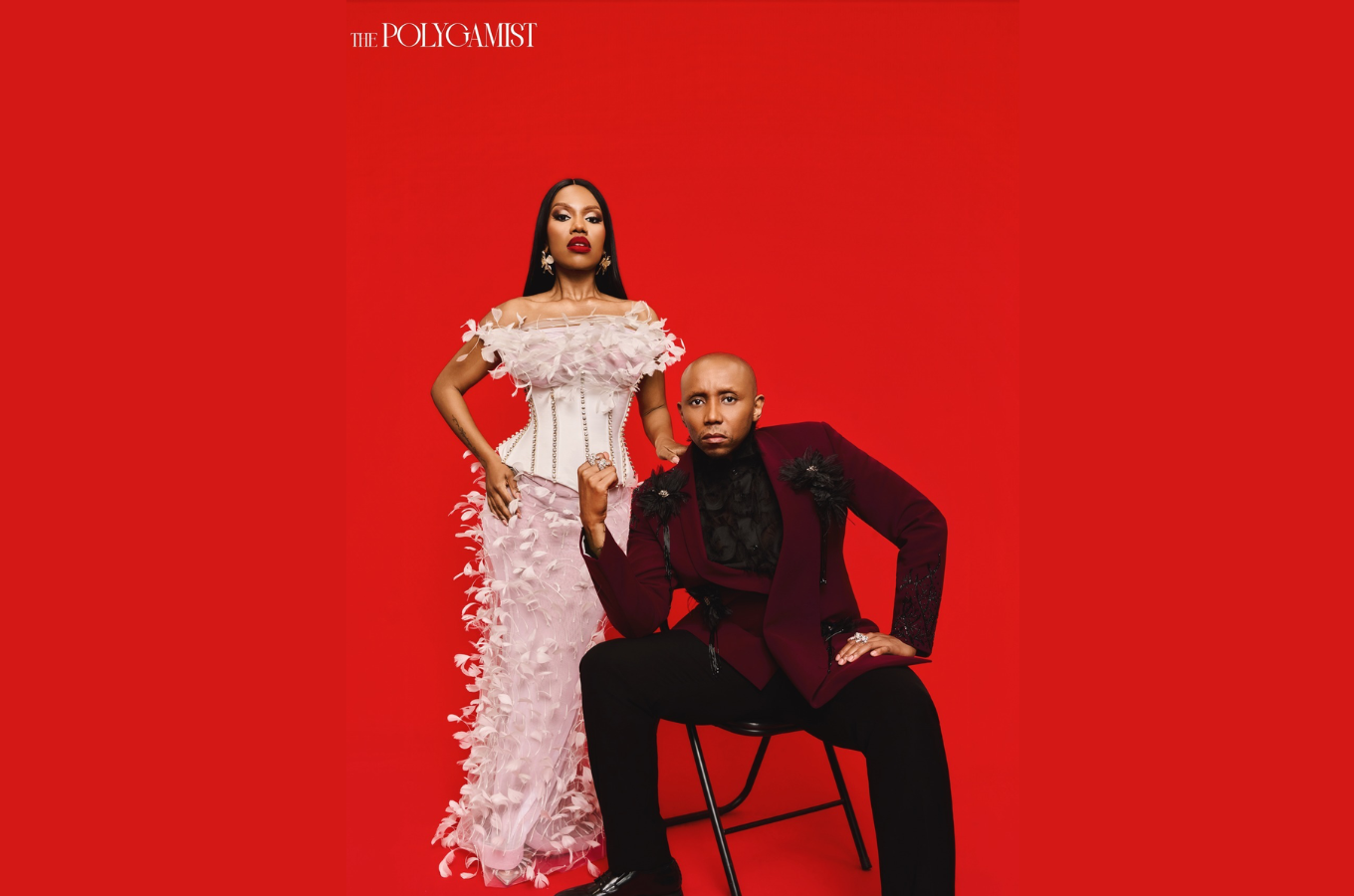
On June 12, Netflix released all twenty-two episodes of The Polygamist, a South African supernovela based on a novel that mainstream publishers had once declined to print. Within a week, the show had accumulated 19.1 million viewing hours and debuted at number four on Netflix’s global non-English TV chart, before climbing as high as number three. It entered national Top 10 lists in thirteen countries, among them South Africa, Nigeria, Kenya, Jamaica, the Bahamas, and the Dominican Republic. The series is available to stream in more than 190 countries, including the United States, the United Kingdom, Canada, and Australia, and is presented in Zulu with subtitle and dub options. For a show performed in a language spoken by roughly twelve million people as a first language, a global Top 3 run is not a modest achievement.
The novel behind the series was written by Sue Nyathi, a Bulawayo-born investment analyst who self-published her debut in 2012 after a string of rejections from mainstream publishers across South Africa and Zimbabwe. The Polygamist follows four women — Joyce, Matipa, Essie, and Lindani — whose lives become entangled through their relationships with Jonasi Gomora, a wealthy and charismatic businessman whose appetites his family can no longer contain. The Netflix adaptation, produced by Stained Glass TV Productions and directed by Akin Omotoso, relocates the story from Harare to Johannesburg and recasts it in a Zulu cultural setting, a decision that has generated real debate, with some critics, including in the Daily Maverick, arguing the adaptation conflates polygamy with sexual pathology and misrepresents a cultural institution before a global audience. Interest in adapting the book began as early as 2013, just a year after publication, but the project stalled repeatedly over the following decade before Stained Glass and Netflix finally brought it to screen.
That the show topped Netflix charts across South Africa, Nigeria, Kenya, and the Caribbean within its first week speaks significantly to the cross-regional appetite for stories rooted in specifically African and diasporic experience. It also raises an uncomfortable question about how many other African stories never reached a platform large enough to find out whether an audience existed.
The success arrives at a moment when the pipeline between African literature and the screen is unusually active. A television adaptation of Chinua Achebe’s Things Fall Apart is in development at A24, with Idris Elba attached to star and executive produce alongside David Oyelowo, a project already drawing debate in Nigeria, where the 1987 NTA miniseries starring Pete Edochie remains the benchmark. Tomi Adeyemi’s Children of Blood and Bone is moving through the Hollywood pipeline with Viola Davis and Idris Elba producing. More recently adapted works include Sefi Atta’s Swallow, directed by Kunle Afolayan, and Wole Soyinka’s Death and the King’s Horseman, which reached the screen as Eleshin Oba. Even now, we anticipate Lola Shoneyin’s The Secret Lives of Baba Segi’s Wives.
What The Polygamist has done is supply evidence in a form the industry finds legible: a global Top 3 run and a thirteen-country sweep, in Zulu, with subtitles, no concessions made. Nyathi has said she intended to savour the finished adaptation one episode at a time and instead binged it straight through. Fourteen years after she chose to publish the book herself because no one else would, that response — hers, and now a meaningful slice of the world’s — marks the kind of vindication that rarely arrives on schedule, but has, this time, arrived in force.
Congratulations, Nyathi!





COMMENTS -
Reader Interactions