

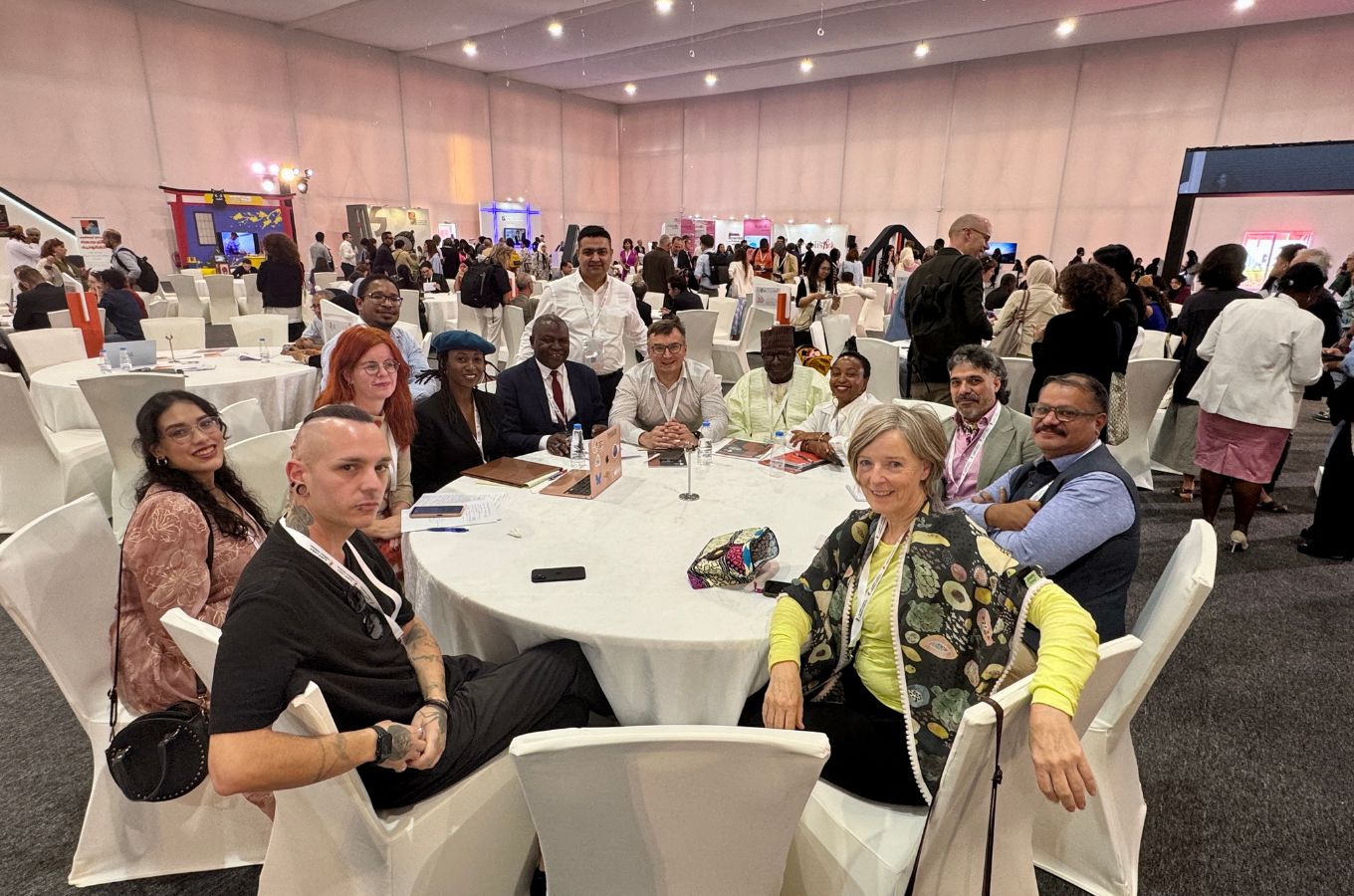
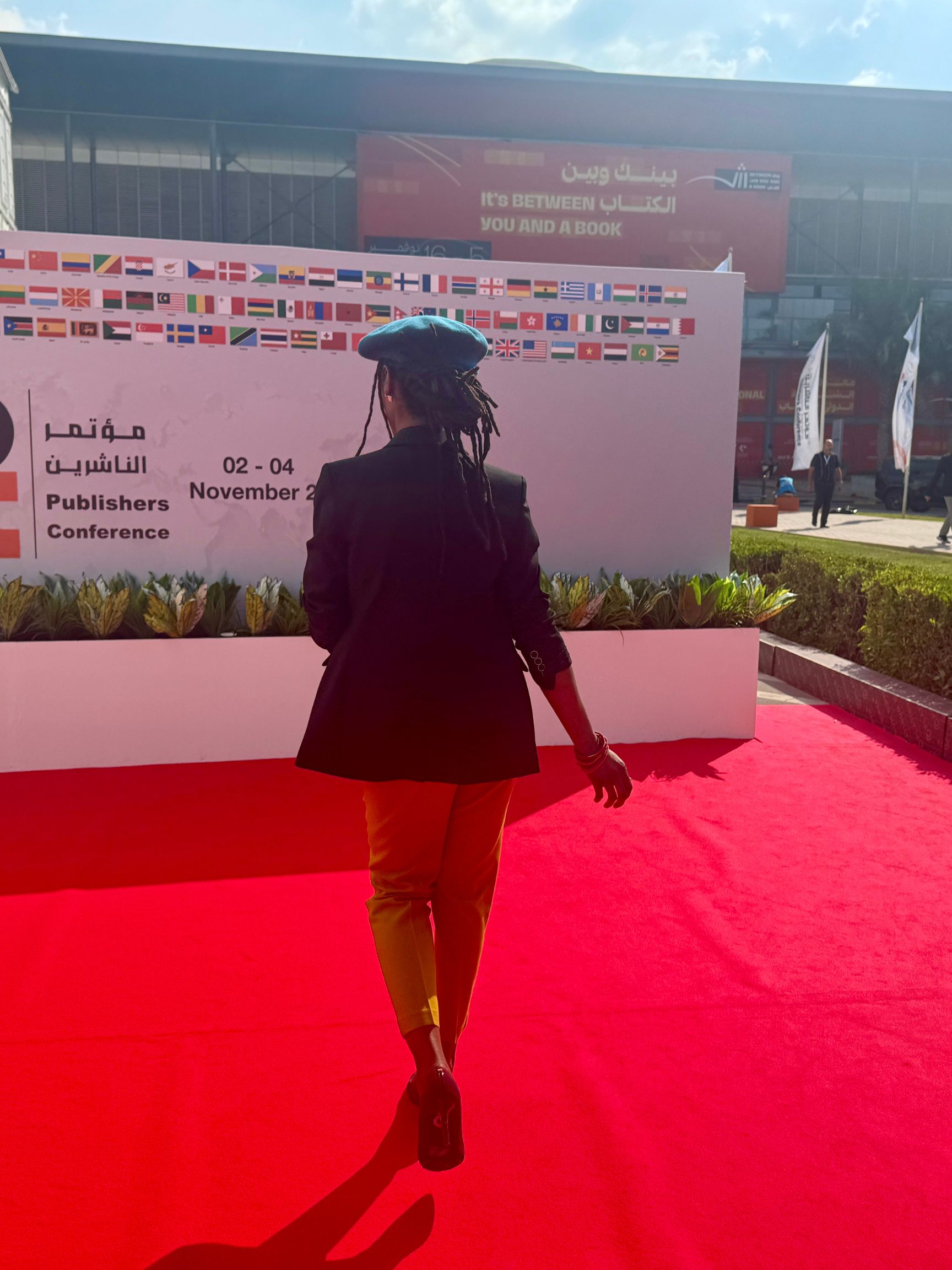
I recently attended the publishers conference in Sharjah in the United Arab Emirates. It was an energizing experience, and it opened my eyes to parts of the publishing world that many readers and writers rarely see. Readers engage with books, writers move among editors and agents, yet publishers often appear as distant institutions. In Sharjah I spent real time with the people behind those institutions and learned a great deal from them.
I went as a literature professor and as the editor of Brittle Paper, a platform devoted to African literary culture. Many attendees assumed I worked in publishing, so I often found myself explaining that I study literature and run a media platform that supports writers through publicity, reviews, interviews, and news coverage. My role at the conference was to lead a set of workshops offering an overview of the African publishing landscape.
One of the opening events on the first day was a conversation moderated by Jo Henry of BookBrunch, someone I have long admired in the literary media space. She spoke with Madeline McIntosh, CEO and cofounder of Authors Equity, who outlined their model in which authors keep seventy percent of the profit share after costs. McIntosh described how a small, flexible team keeps their operation lean and how this helps them avoid the structural bloat that raises costs in traditional publishing. She noted that the crowded media landscape makes authors central to a book’s visibility and that AI may increase output, yet discovery and quality remain the real challenges. She shared that the company brings in about fifteen million dollars in revenue before expenses and discussed their approach to content, which supports locally grounded work that still connects with readers in many places. She also framed self publishing as a pipeline rather than a fringe practice and mentioned the steady growth of audio along with rising global curiosity for new stories.
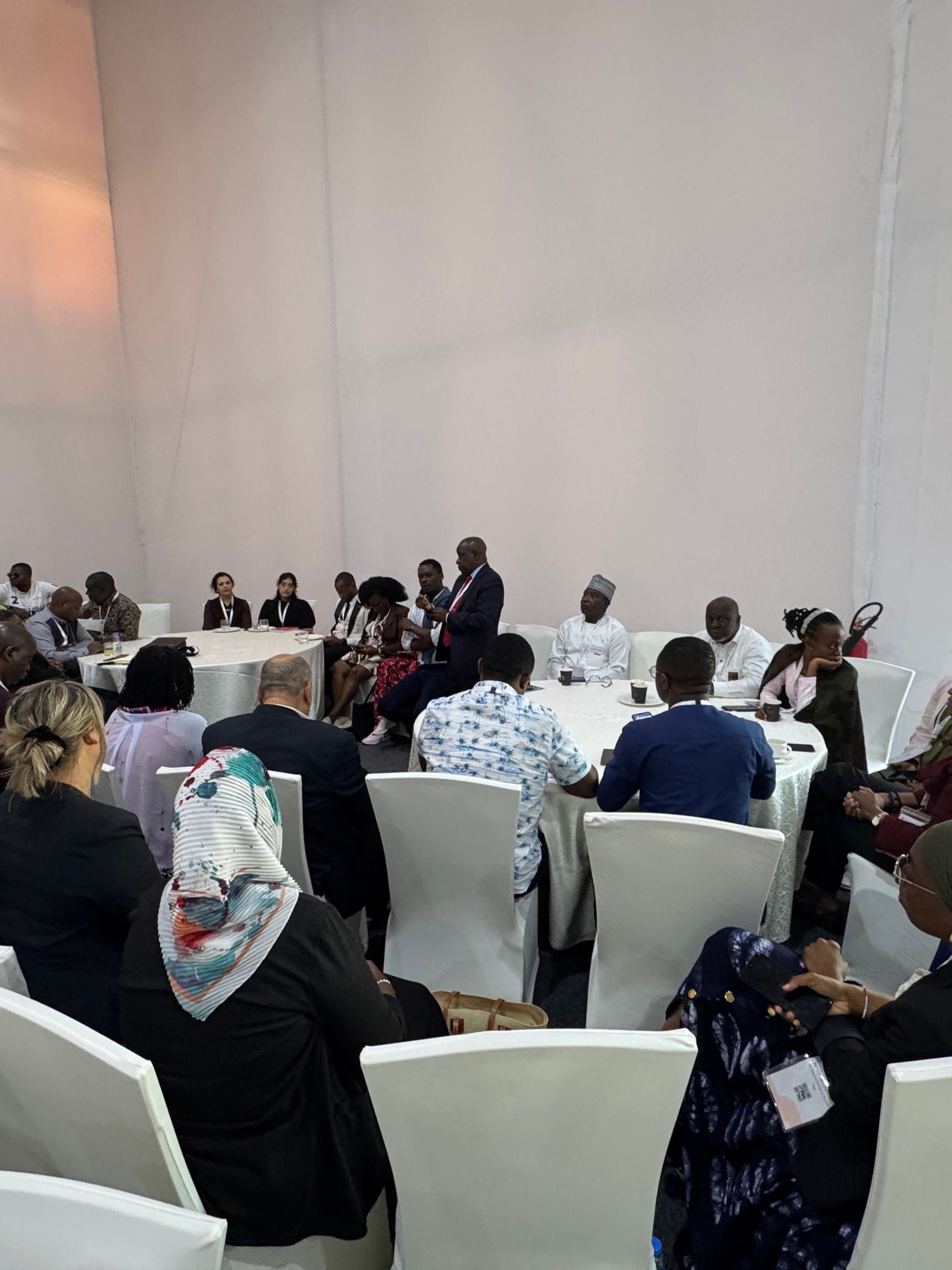
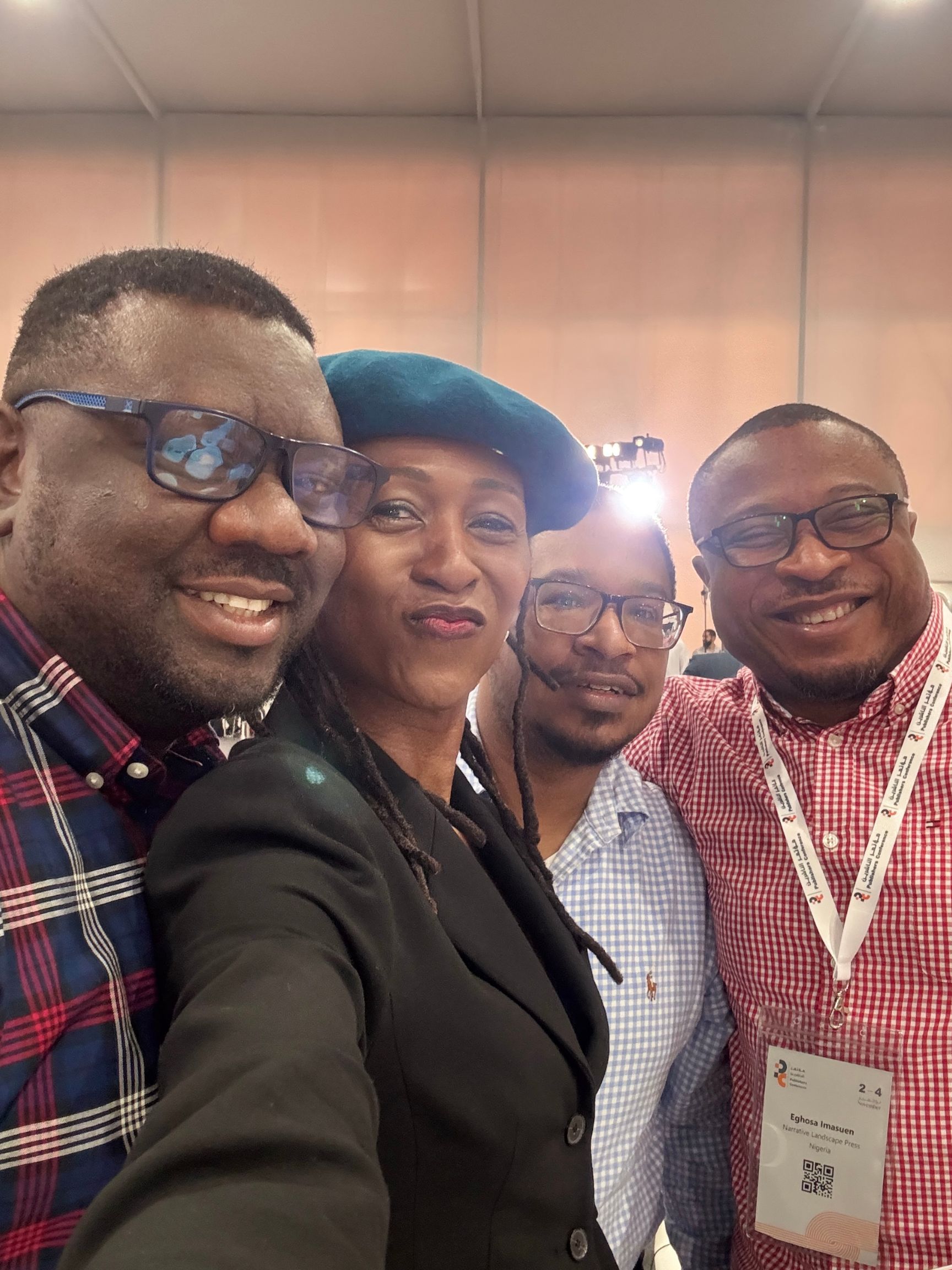
The format for the first day of events involved about 1-hour roundtables, each hosted by an invited expert. Topics ranged from AI in publishing to TikTok to children’s books. My table focused on African publishing and what international publishers should understand about the field. Over the course of the day groups rotated in and out, so I gave repeated twenty minute presentations followed by questions. The conversations were rich. One session turned into a lively exchange with the executive director of Narrative Landscape and representatives from Masobe Books, Ouida, and Jahazi Press. A senior editor from Publishers Weekly happened to be there and later wrote a brilliant recap of the discussion.
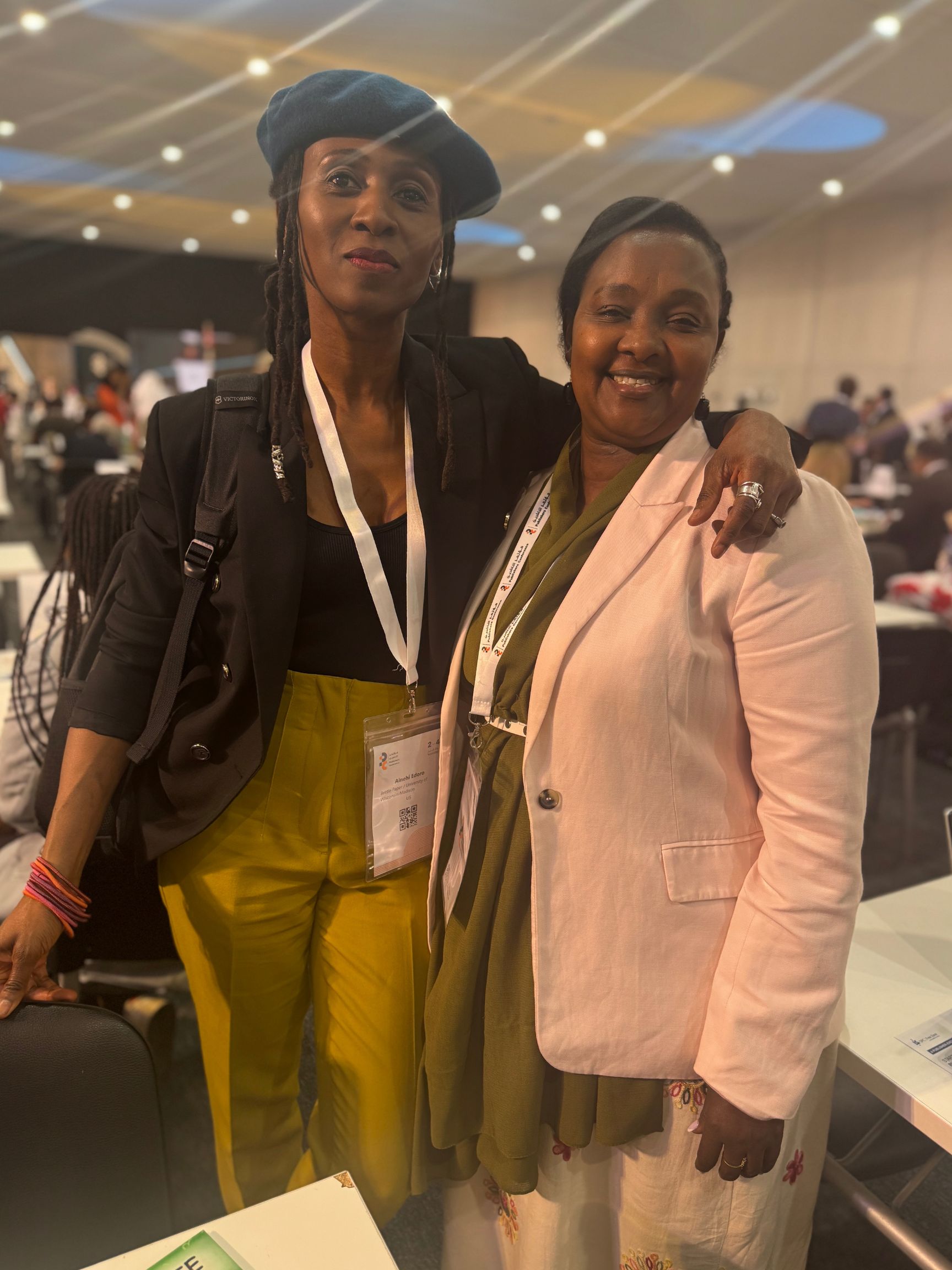
Meeting publishers from Greece, Cote d’Ivoire, Slovenia, South African, the UK, Italy, Mozambique, India, Nigeria, Malawi, South Korea, and many other places gave me a direct look at the challenges they face. It reminded me that literary culture depends on people who take financial risks, confront systemic obstacles, and commit to sustaining the books we later encounter as finished objects. Independent publishers especially stood out in Sharjah. They had space to share their struggles and achievements, and I gained a better sense of how varied the ecosystem is, from small presses to large educational houses.
Africa-based indie publishers had a strong presence. One morning I walked into the banquet hall and saw a group gathered in one corner. They turned out to be members of the African Publishing Network, a coalition of national publishing associations. Seeing so many independent African publishers sitting together and planning for the future was moving. It reinforced for me how much their work deserves attention and recognition.
After the day of roundtables the conference shifted into a rights fair with rapid meetings between publishers. I did not expect to participate, since I do not buy or sell rights, but I had a table and a full schedule. African publishers who knew Brittle Paper came to talk about possible collaborations. Publishers from other regions wanted to learn about African markets. I even met several UK publishers whose books we have covered for years without ever meeting in person.
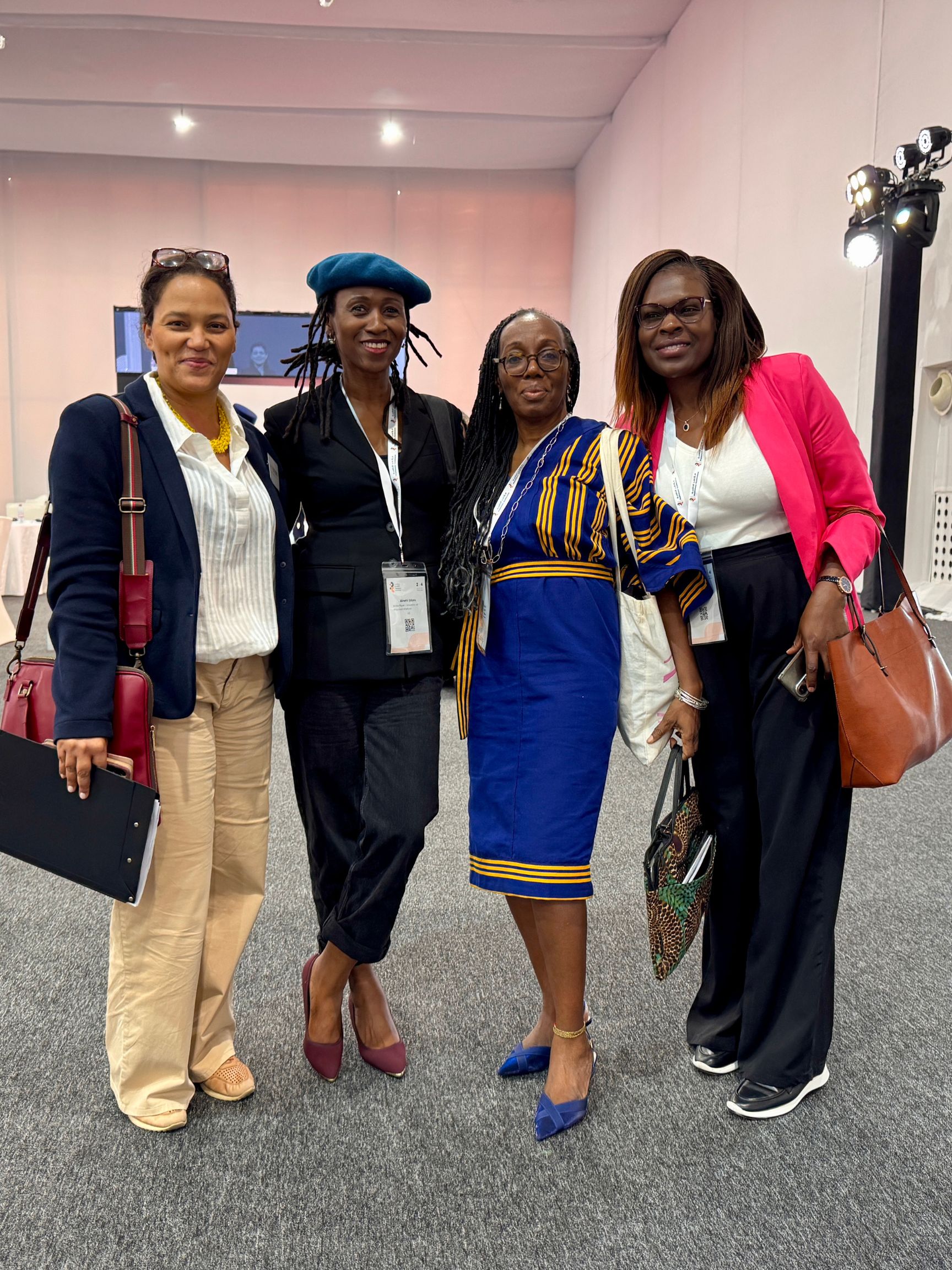
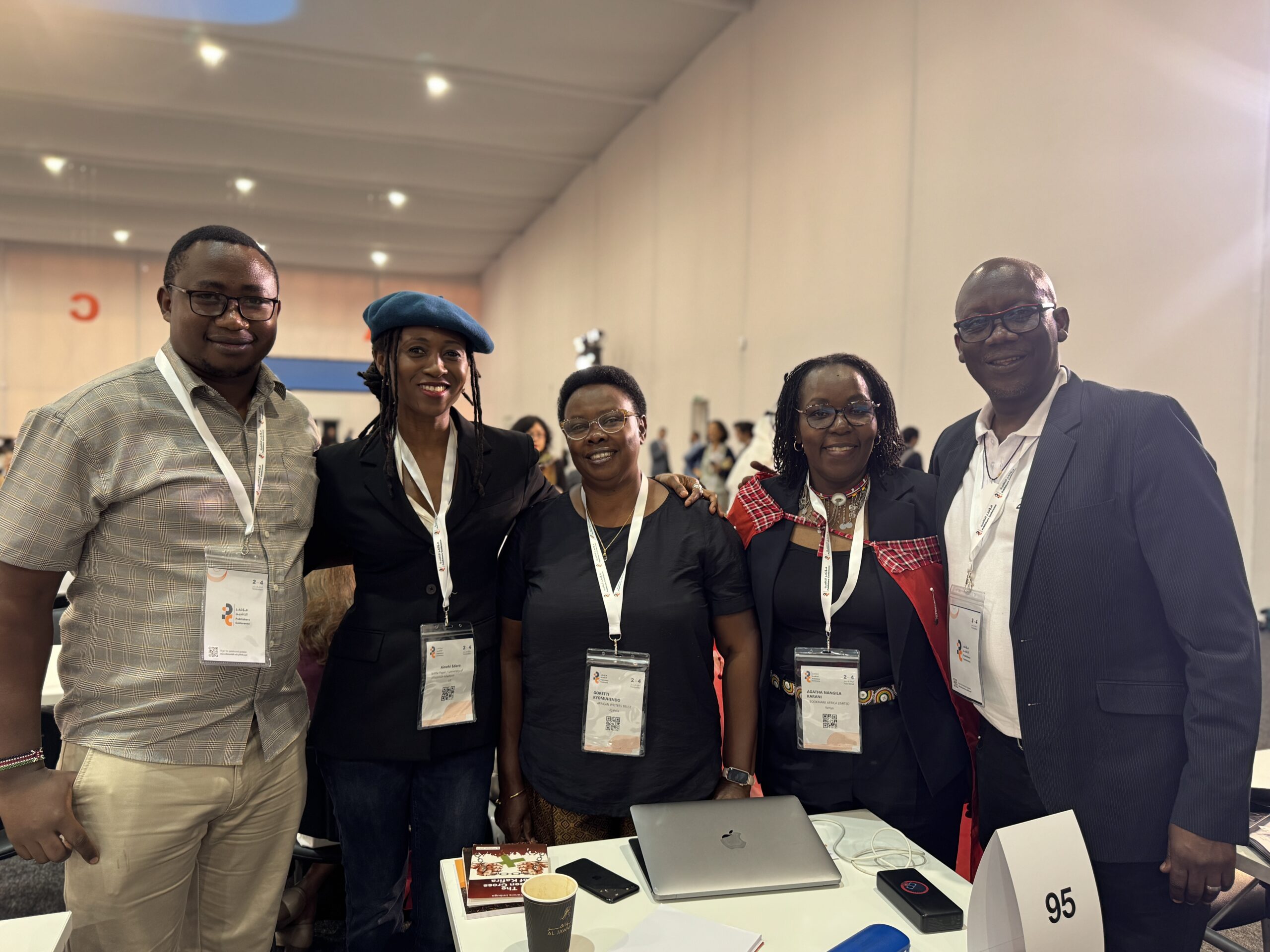
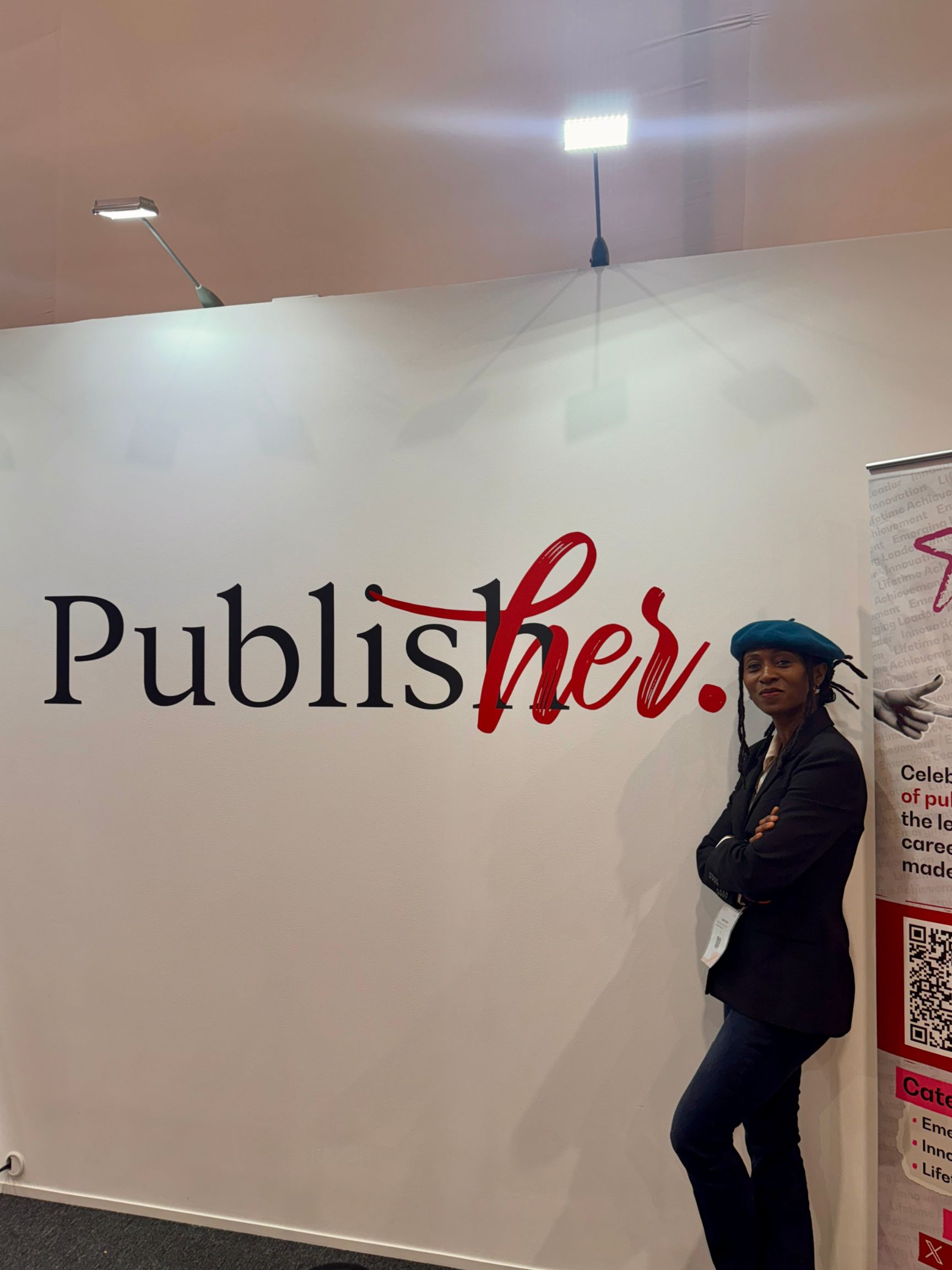
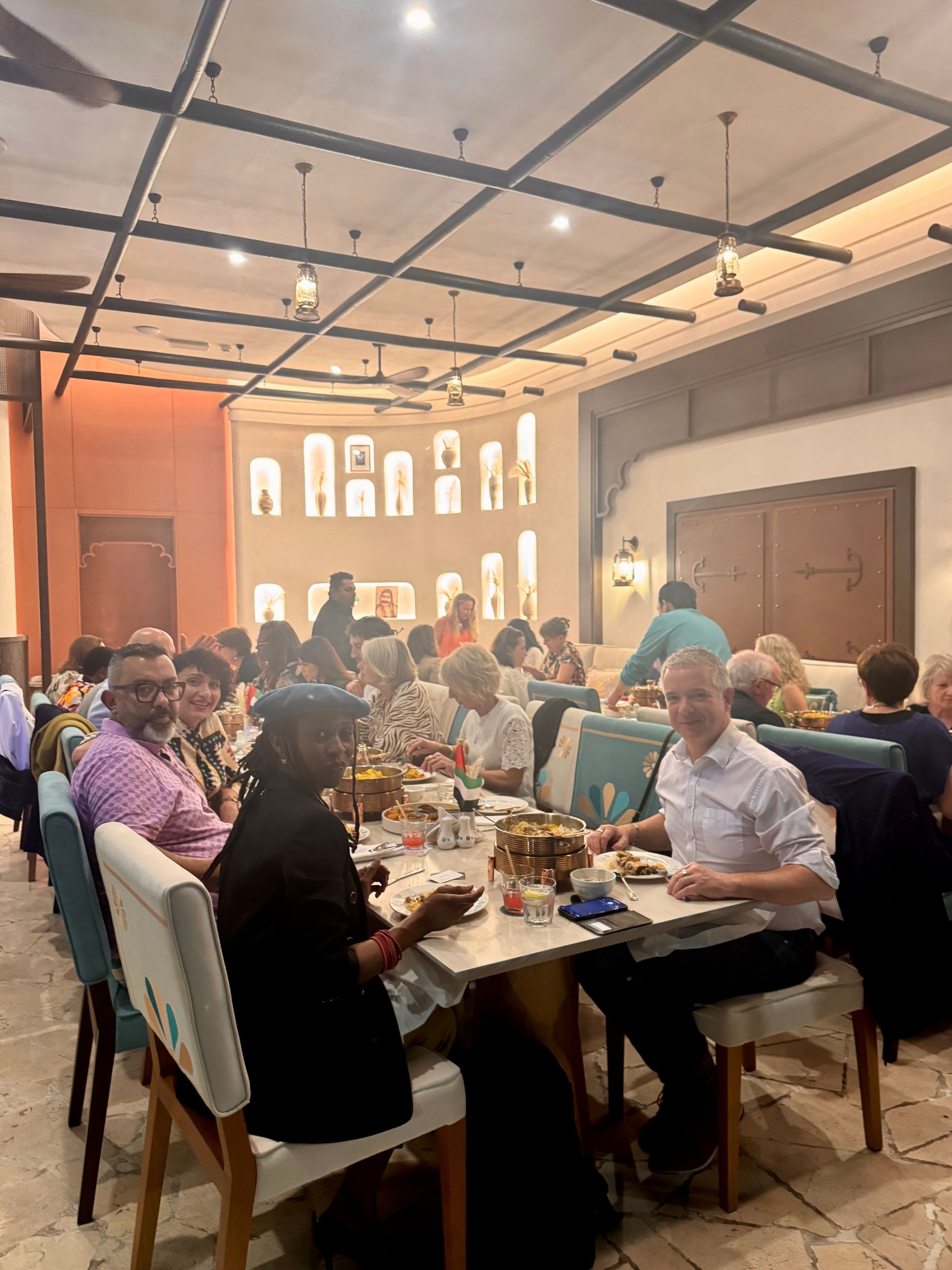
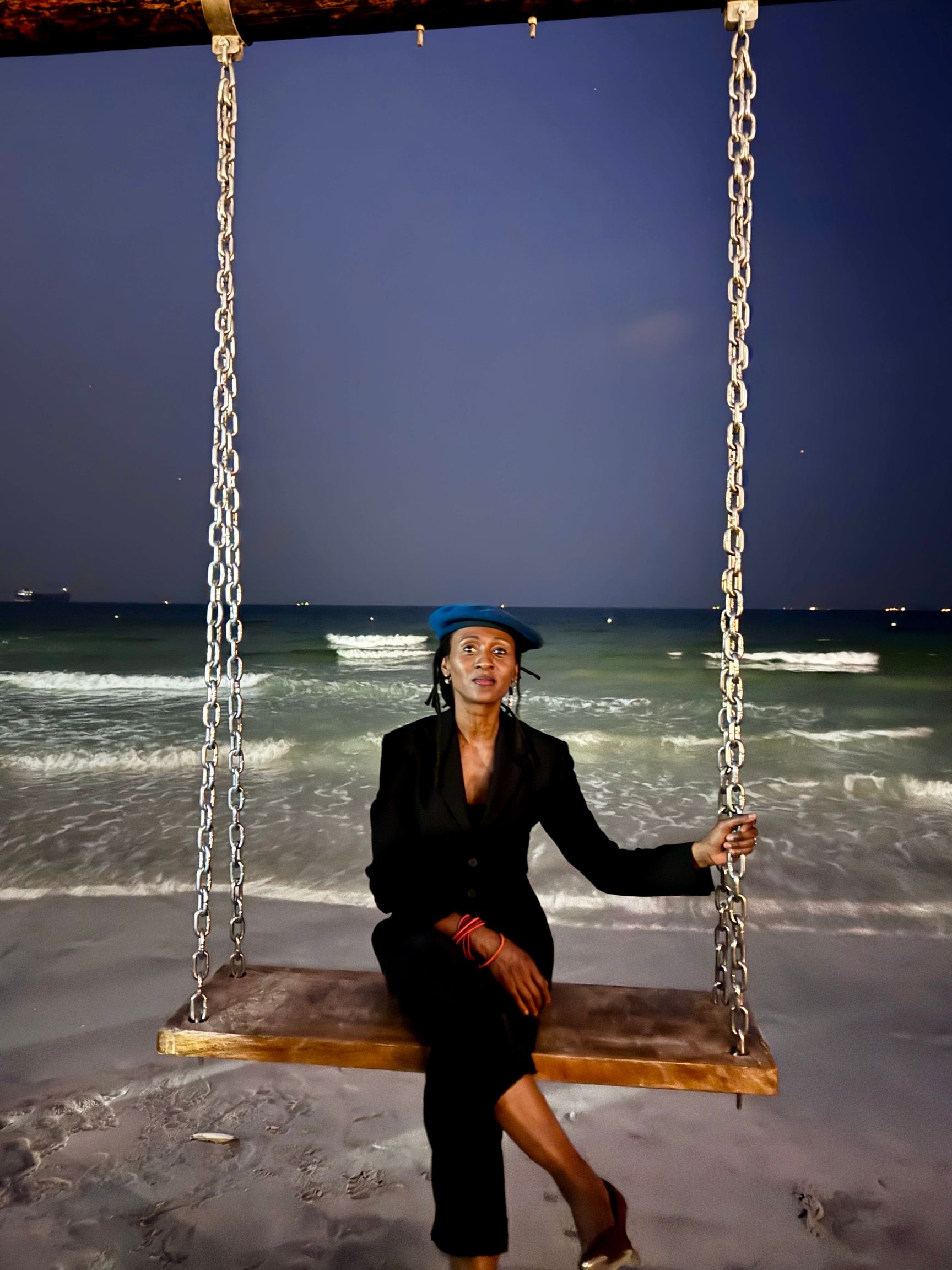
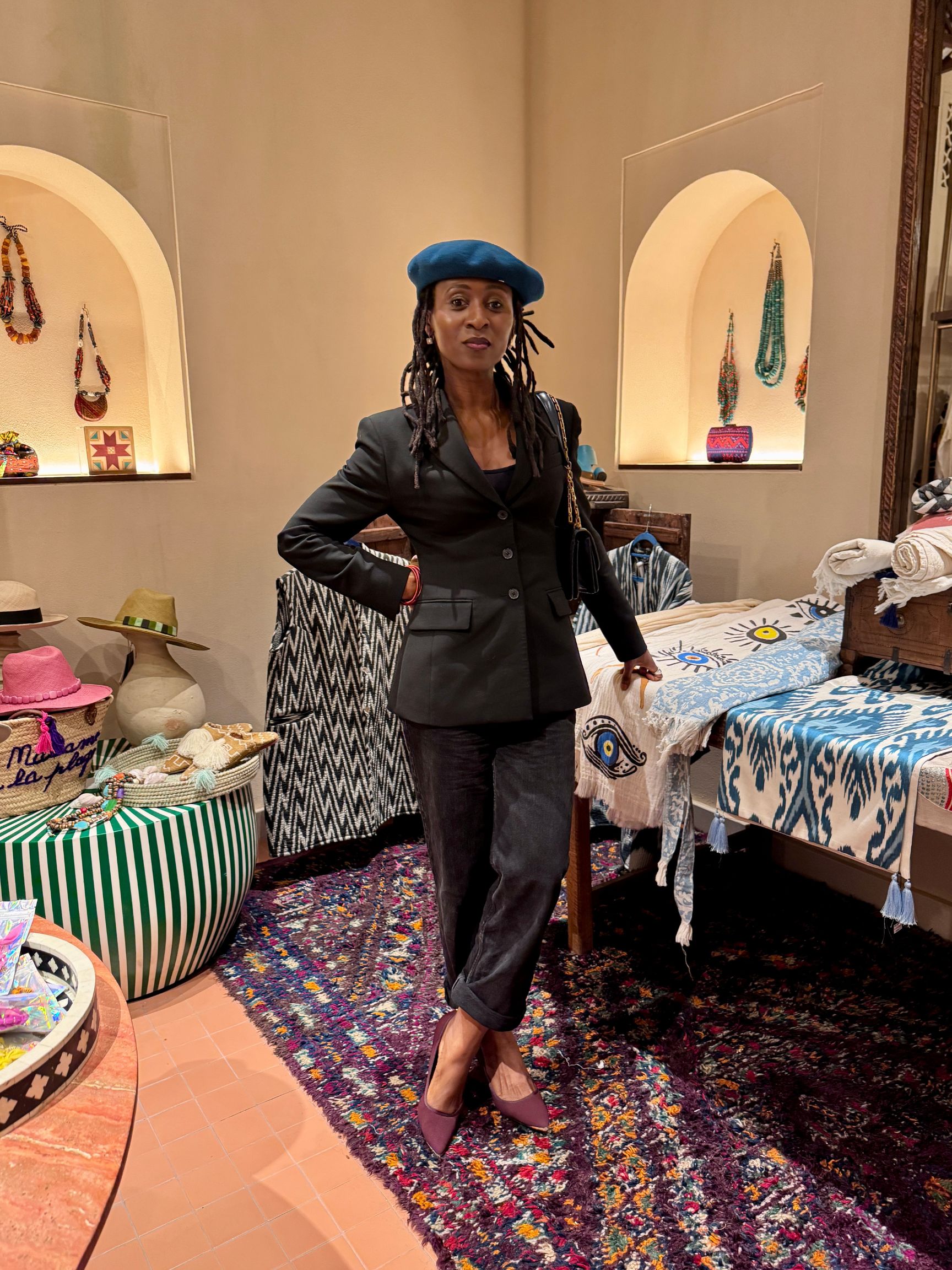
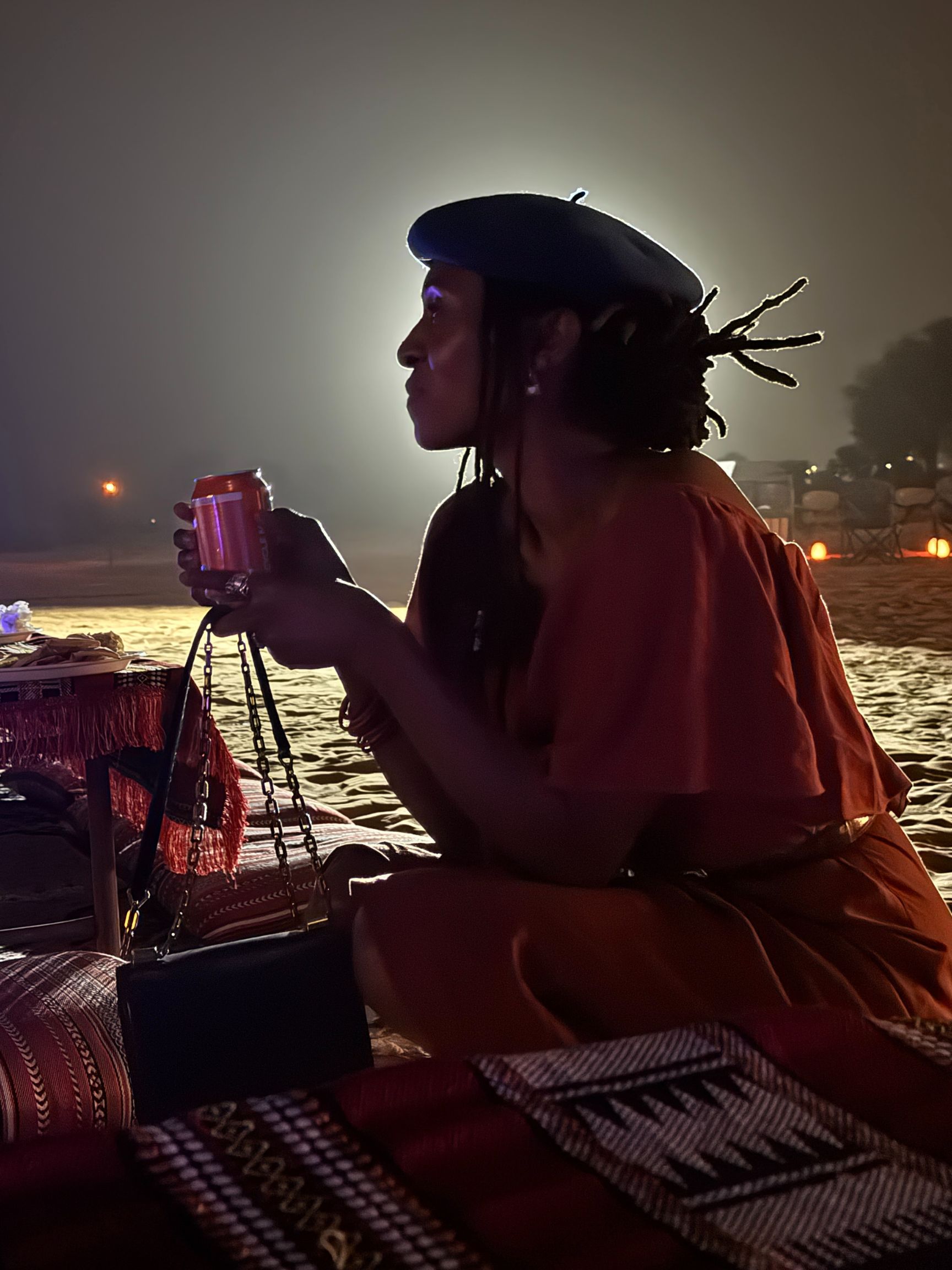
The three days were intense. They were also rewarding, plus there was enough downtime for a dinner hosted by the British Council and a little jaunt into the desert for dinner under the stars (see last photos). I’m grateful for the chance to share what I have learned through Brittle Paper’s work and to listen to people who are building the continent’s literary future. I took as many photos as I could, and I will include them.

Irene - Nalubaale Review Literary Magazine November 23, 2025 18:03
Nice recap. Thanks for representing African publishing. As a small literary space for African writers, I am inspired ♥️♥️♥️