

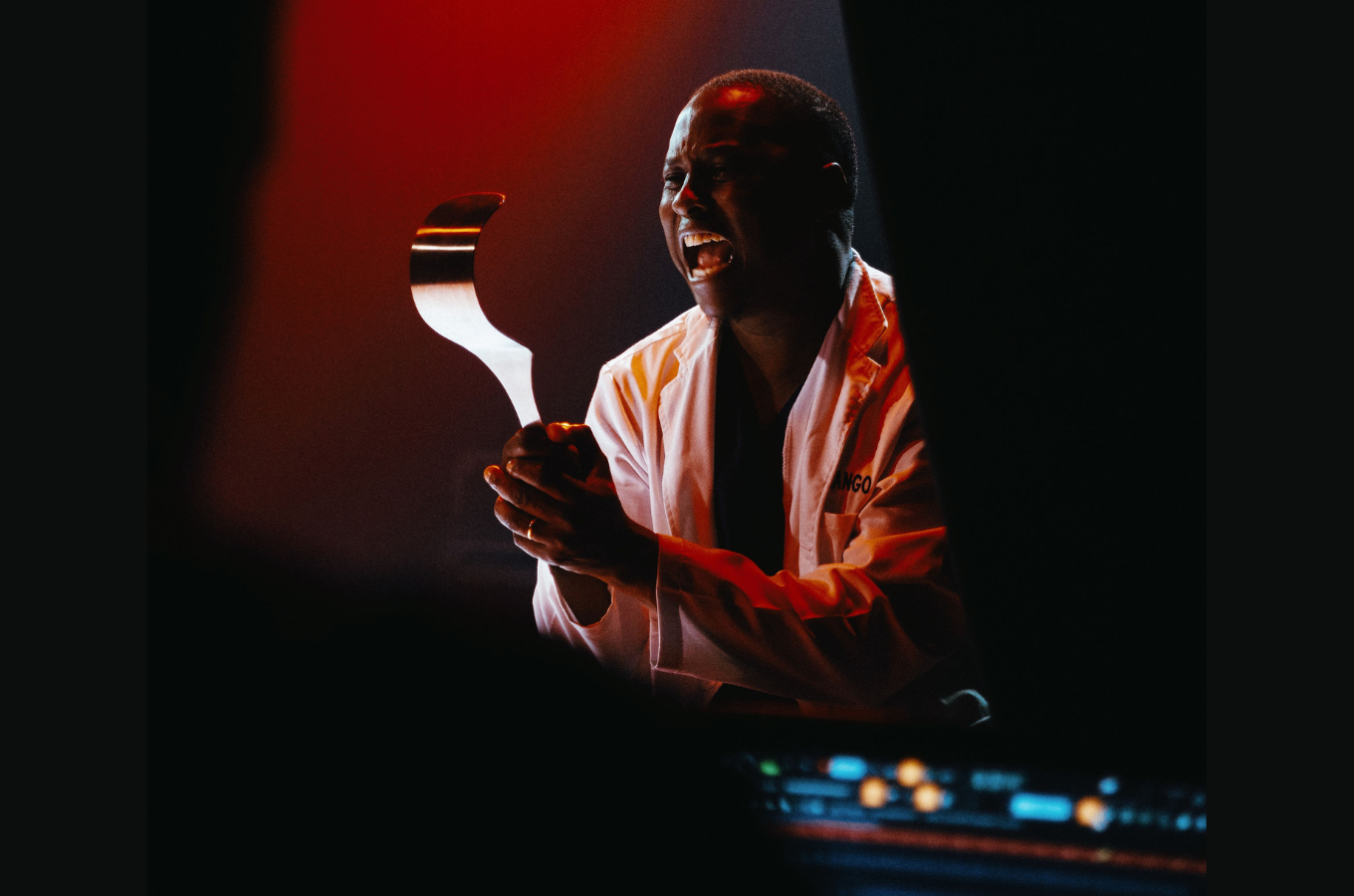
Zimbabwean writer and international trade lawyer Petina Gappah is reflecting on the premiere of Yellow Dog Dingo, which ran at Reps Theatre in Harare from July 23 to 25. In a post on X shared after opening night, Gappah described the production as having accomplished exactly what she has hoped for across her writing, her trade law work, and her life more broadly: bringing people together across political and social lines. She noted the play drew support from both state and private media, along with praise spanning the political spectrum, and expressed gratitude for how the evening unfolded, adding a line in Shona, “Handichapindi mudanga,” loosely a declaration that she has nothing left to prove after this.
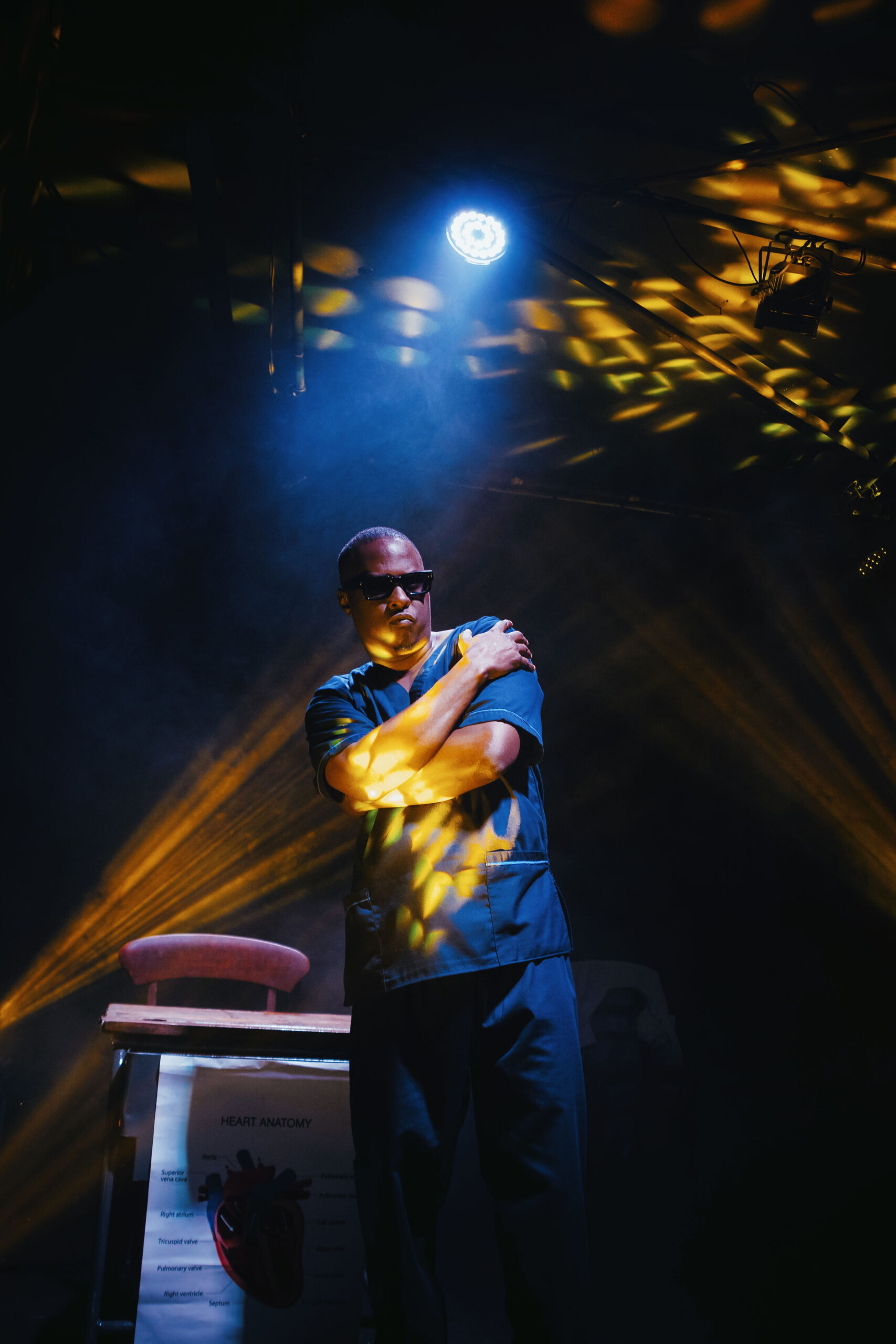
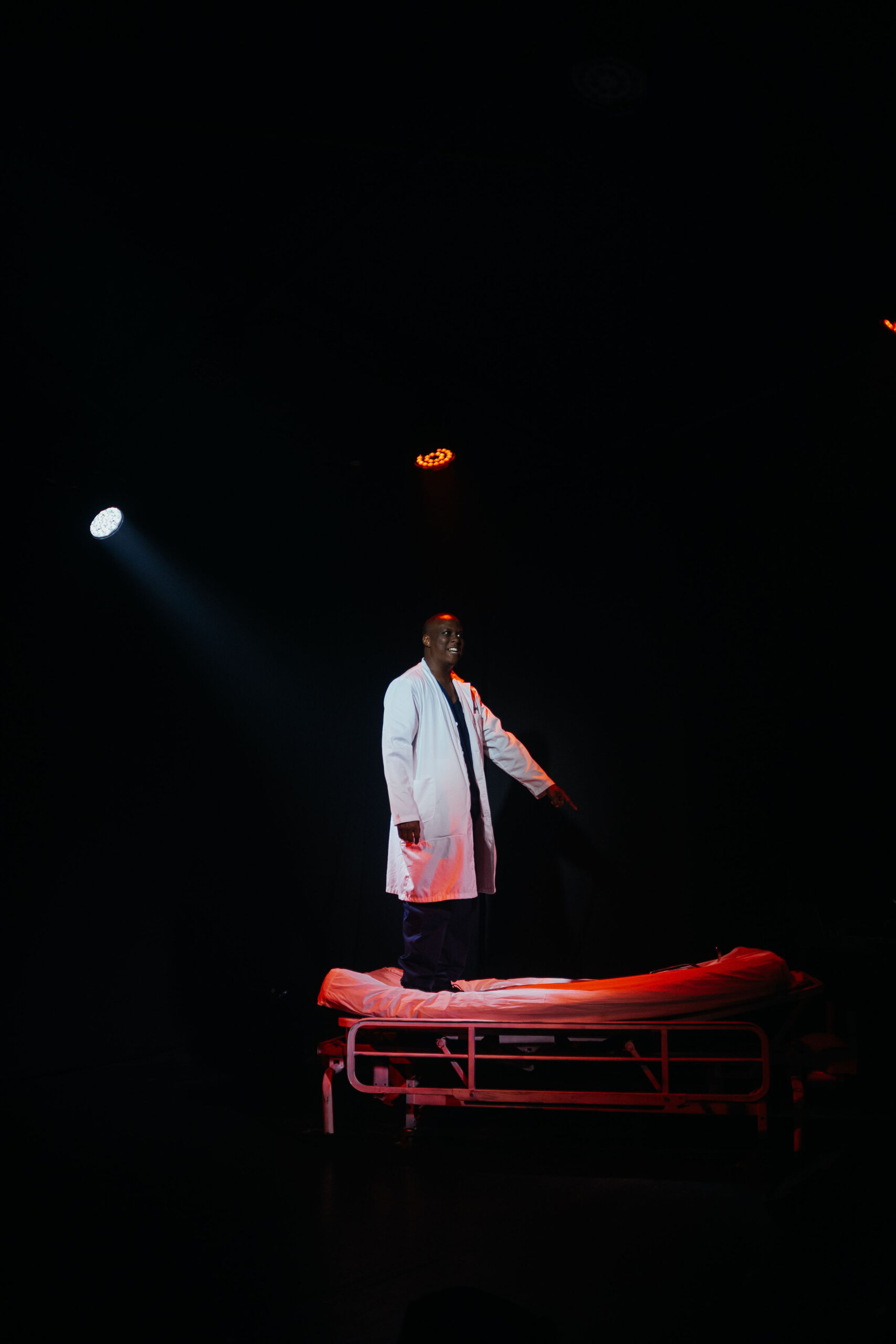
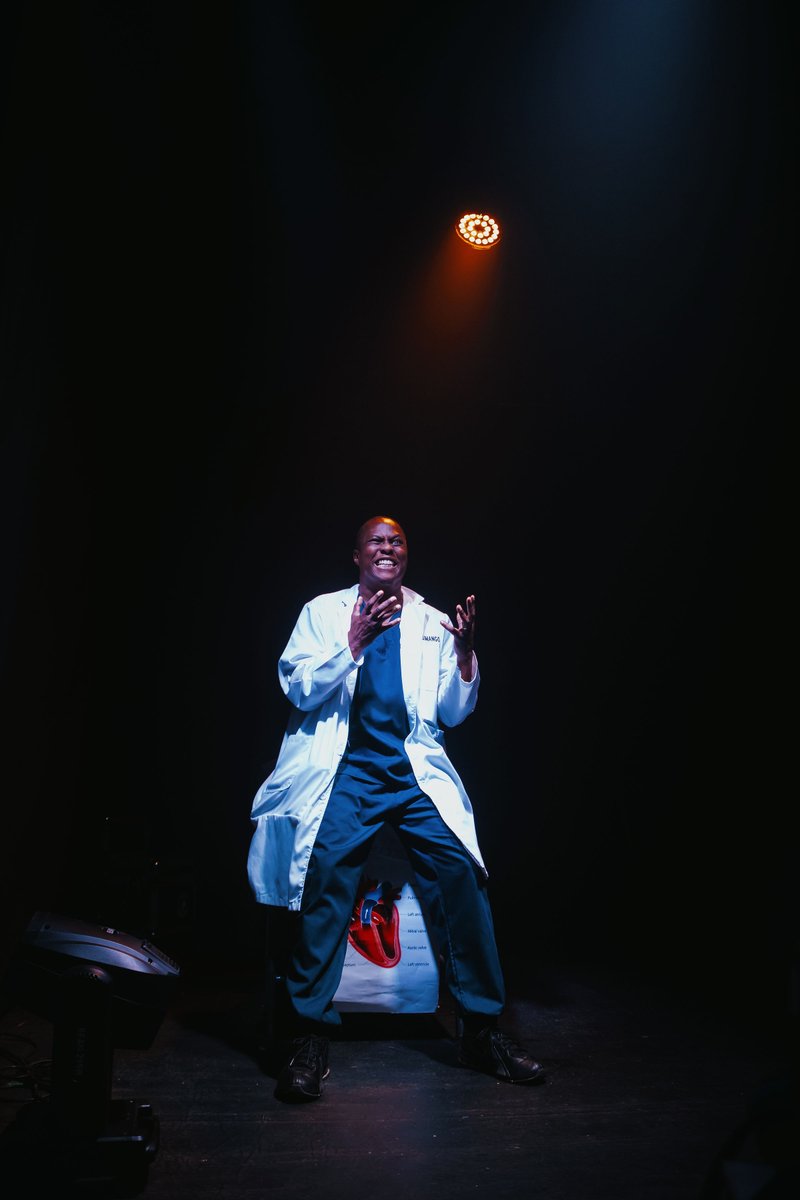
Gappah also used the moment to revisit the night through a set of striking images captured by photographer Thabiso Nyoni, crediting the production’s success to how fully every element locked into place: the writing, the performances, the sound and music, the set, and the lighting, all brought together under the direction of Tafadzwa Bob Mutumbi, who doubled as her dramaturg on the project.
Yellow Dog Dingo marks a significant pivot for Gappah, best known internationally for novels like Out of Darkness, Shining Light and The Book of Memory and short story collections including An Elegy for Easterly and Rotten Row. The play confronts historic sexual abuse of children in Catholic boarding schools in Zimbabwe, alongside themes of historical trauma, addiction, mental health, and suicide, with Munya Chidzonga in the lead role of Dr. Julius Simango. In a two-part interview on In Conversation with Trevor, hosted by Alpha Media Holdings chairman Trevor Ncube, Gappah and her creative team, including Mutumbi, set designer Marcus Zinavashe, and composer Anesu Gwatidzo, described the play as an attempt to force a national reckoning with what they called Zimbabwe’s “unprocessed trauma,” framing theatre itself as a tool for collective healing rather than pure entertainment.
Given Gappah’s own account of the play’s reception, and the caliber of collaborators she’s assembled around it, this is likely not the last Harare will see of it.
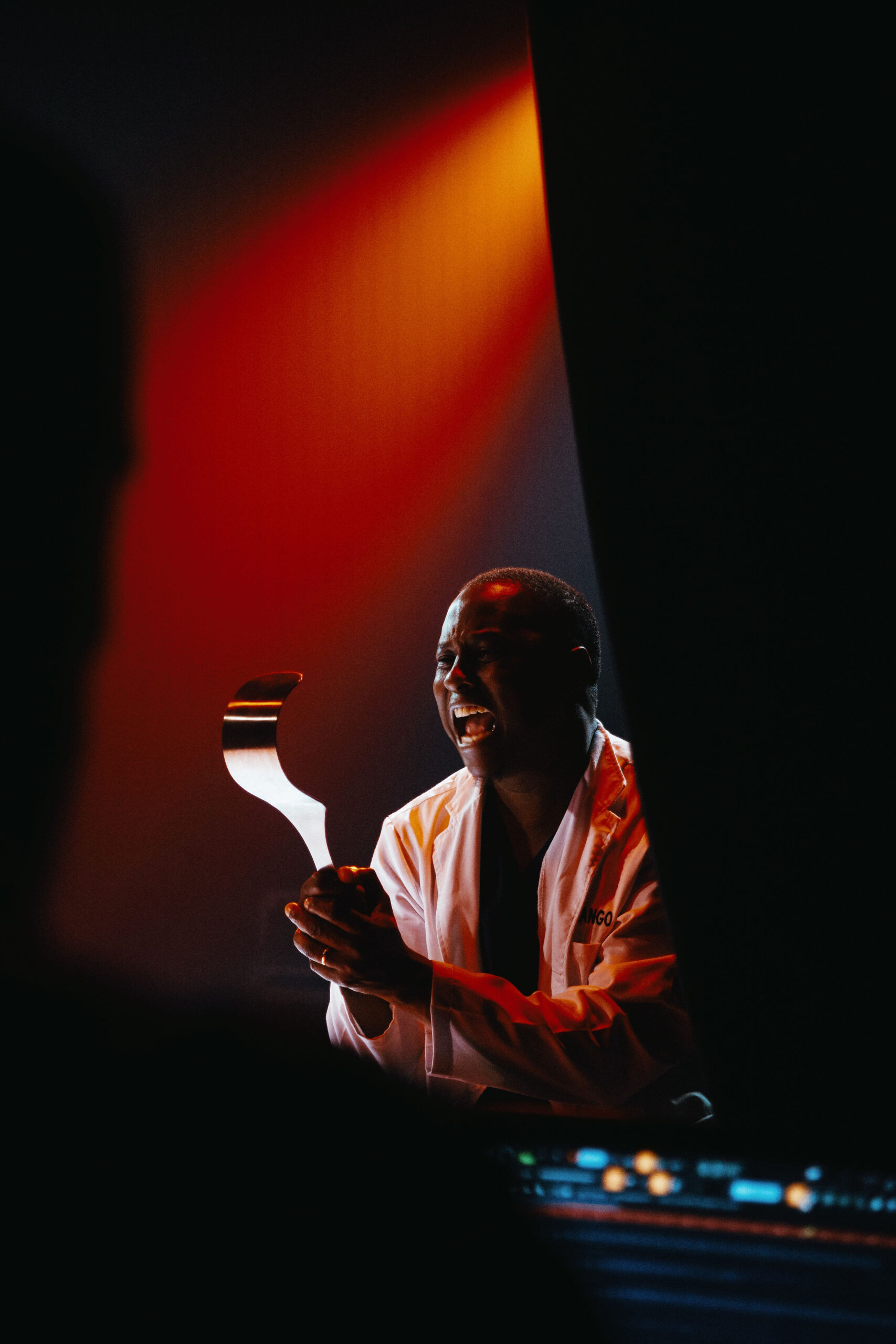
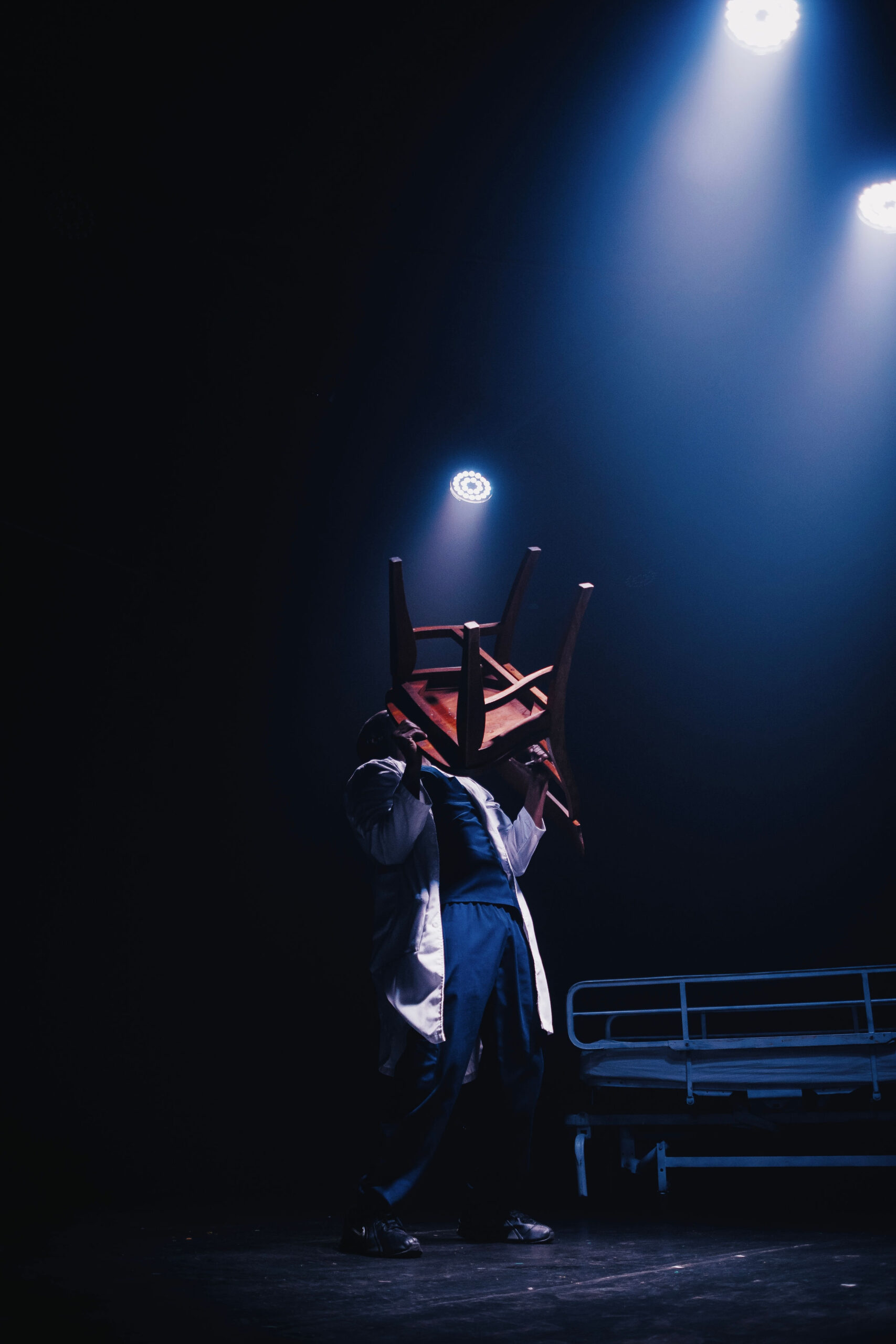
See ome photos from the stage play below (Credit: Thabiso Nyoni):







COMMENTS -
Reader Interactions