

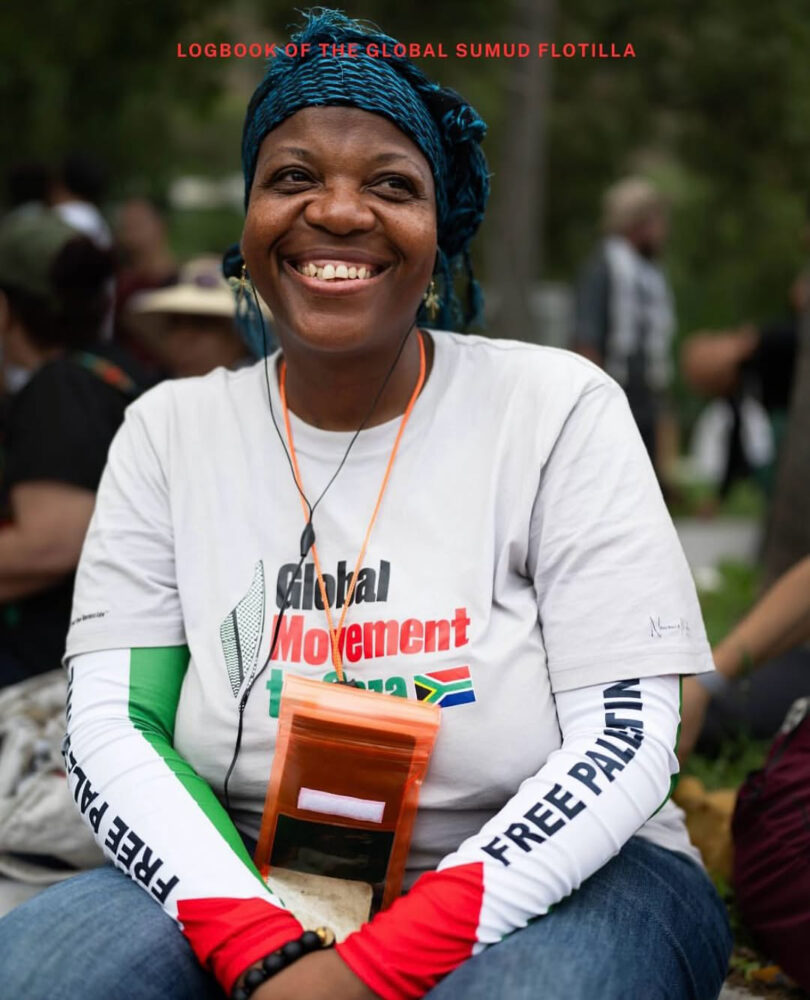
South African author Zukiswa Wanner was recently detained by Israeli authorities after being intercepted while participating in the Global Sumud Flotilla to Gaza. In an essay for the Mail & Guardian, she recounts her five days in K’tziot Prison. Here are three key takeaways from her account:
1. The Power of Collective Resistance
When a detainee in a neighboring cell needed medical attention and none came, the women of Cell 4 staged a sit-down protest, refusing to return to their cells until a medic appeared. Their numbers protected them. What would have resulted in punishment for an individual became an effective act of solidarity. Throughout their detention, the women sang freedom songs, made demands, and generally refused to be docile.
2. Communities can form in the most unlikely places
Wanner and her fellow detainees transformed their cells into spaces of community and even joy. They did group stretches led by a 63-year-old Japanese woman, created collaborative stories that dissolved into laughter, and supported one another across nationalities. When a guard dismissively told them, “You are not prisoners. You are activists,” he inadvertently affirmed what they already knew about themselves.
3. Global solidarity transcends borders
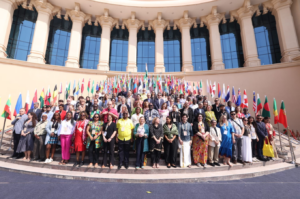
The detention brought together women from South Africa, Mexico, Japan, Sweden, Brazil, and elsewhere, including climate activist Greta Thunberg. Despite varying levels of support from their respective governments, the detainees formed bonds that outlasted their imprisonment. As Wanner writes of the bus carrying them to release, with Gaza visible on the horizon: “On this bus with these women from different countries united in love for humanity, I know we will not stop chanting for Palestinian, and our collective freedom.”
Read Zukiswa Wanner’s full account: Israel: Five Days in an Apartheid State Prison





COMMENTS -
Reader Interactions