

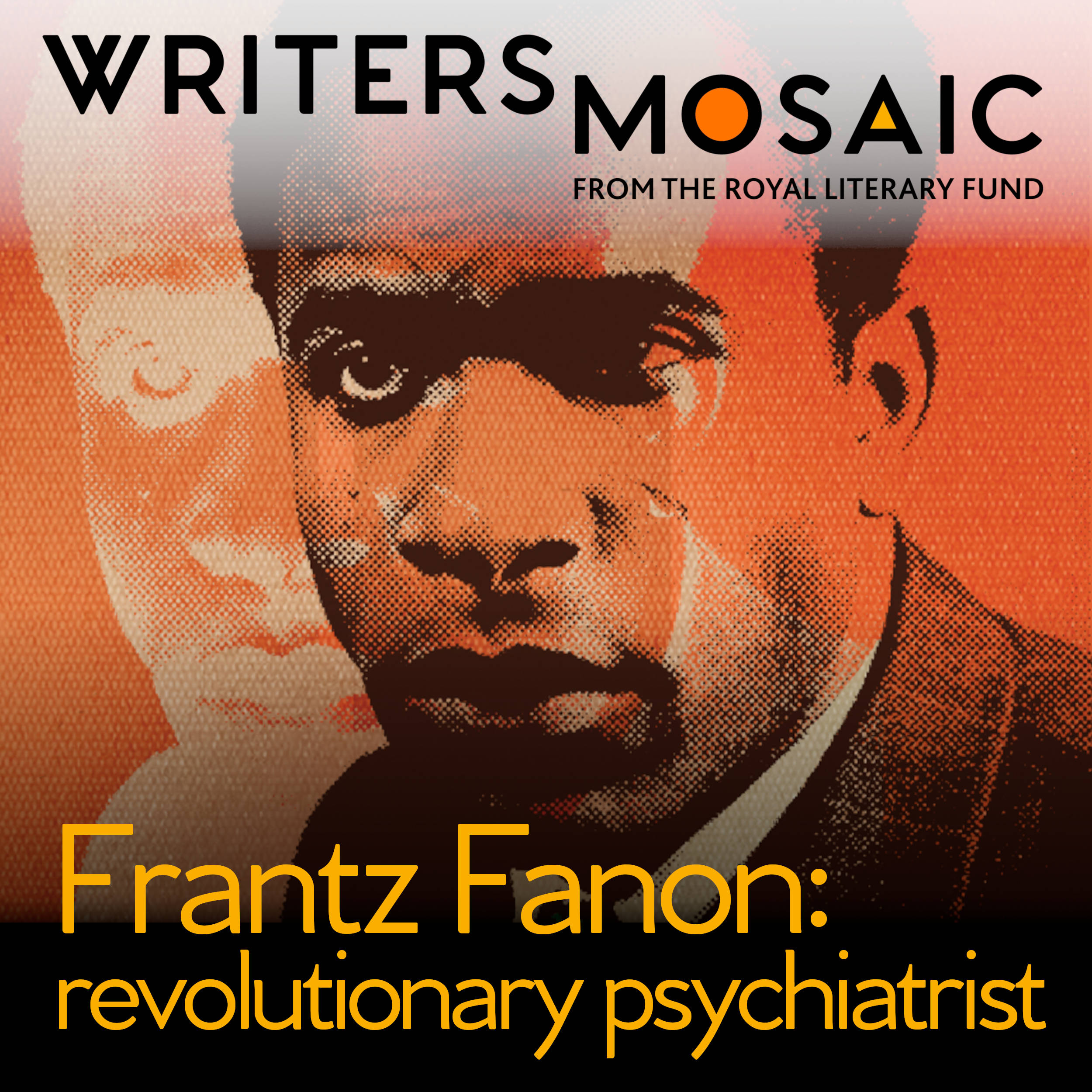
WritersMosaic Magazine has released a powerful special edition titled “Frantz Fanon: Revolutionary Psychiatrist,” featuring ten contemporary writers grappling with the enduring relevance of the psychiatrist’s work on colonialism, race, mental health, and liberation. Editor Colin Grant opens with a striking admission about his own delayed encounter with Fanon’s seminal text Black Skin, White Masks, confessing that as a child of Jamaican migrants in 1980s Britain, he was “drilled in not drawing attention to myself, in not foregrounding my blackness,” making Fanon’s book feel “too on the nose for me then, too embarrassing.” It’s a vulnerable acknowledgment that sets the tone for this collection, which refuses easy answers while exploring why Fanon, remains essential reading for understanding our present moment of authoritarian populism, mass delusions, and renewed struggles for liberation.
The essays span an impressive range, from psychiatrist Zebib K. Abraham’s meditation on escaping traditional psychoanalytic thought to understand today’s political despair, to Taíno Mendez’s exploration of the cognitive dissonance Black people experience in pursuing assimilation, to Ekow Eshun’s imagined interior life of young Fanon treating both oppressors and oppressed during the Algerian War of Independence, among others. Abraham writes movingly about watching patients express feelings of guilt, helplessness, and numbness through the COVID pandemic, Black Lives Matter protests, and Trump’s return, noting how traditional Western individualist therapy felt inadequate until Fanon helped her see that “healing is not just individual, but an active and group process, requiring collective empowerment and political consciousness.” Clementine Ewokolo Burnley brings a sharp feminist critique to Fanon’s work while acknowledging his insights into post-independence African states and the ongoing global skin-lightening industry as manifestations of colonial psychology, while Roger Robinson offers a devastating poetic meditation on “the racial allocation of guilt,” chronicling the mundane violence of being repeatedly stopped at airports and accused in public spaces simply for existing in a Black body.
What makes this collection particularly urgent is how each writer demonstrates Fanon’s relevance beyond academic theory, these are practitioners, poets, and thinkers using his work to navigate real psychological crises, institutional racism, and the question of how to resist without being consumed by rage or paralyzed by despair. Abraham’s revelation that Fanon taught her “I can’t resist alone, and we all must make an active choice to resist injustice” speaks to the collection’s broader argument that individual healing cannot be separated from collective political struggle. Meanwhile, Eshun’s imagined Fanon realizing “it is so easy to become the coloniser yourself” when imposing Western therapeutic models on Algerian patients captures the ongoing challenge of decolonizing not just institutions but our own minds and practices.
This special edition arrives at a moment when we desperately need Fanon’s insistence that we must “face our shame together, resist self-interest, fight for our rights, and allow sticky complexity.” Whether you’re familiar with Black Skin, White Masks and The Wretched of the Earth or encountering Fanon for the first time, these essays offer accessible entry points into his revolutionary thought while demonstrating why a psychiatrist who died in 1961 continues to illuminate our path through today’s darkness. The full collection is available at WritersMosaic, and it’s essential reading for anyone trying to understand how colonialism’s psychological legacies shape our interior lives, and possibilities for collective liberation.



Marty December 22, 2025 08:12
One of Franz Fanon's contemporary is the Sorbonne educated social theorist the late Ali Shariati (1933-1977) who had correspondence with him and also translated Fanon's "The wretched of the Earth" into Persian.