

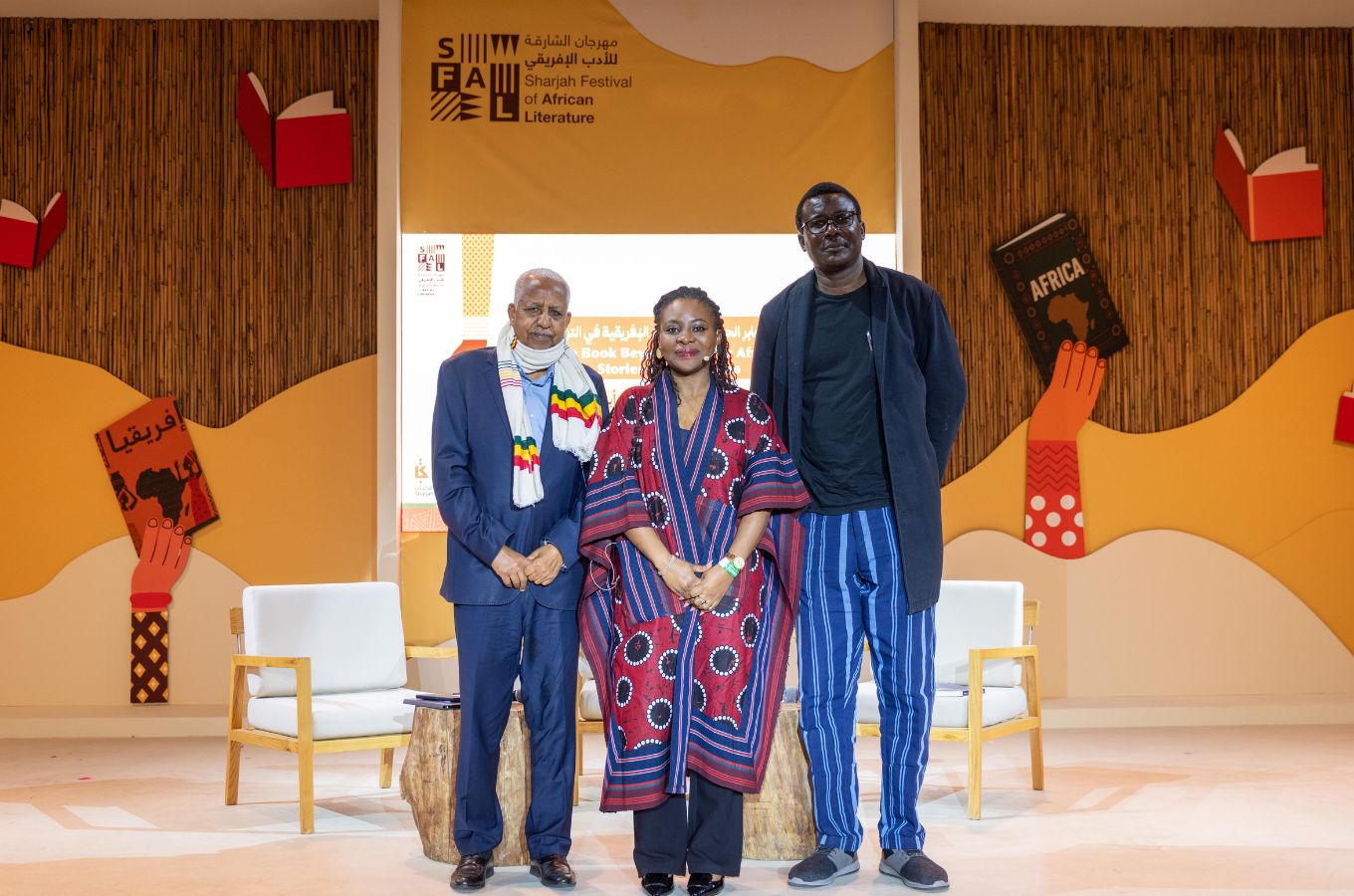
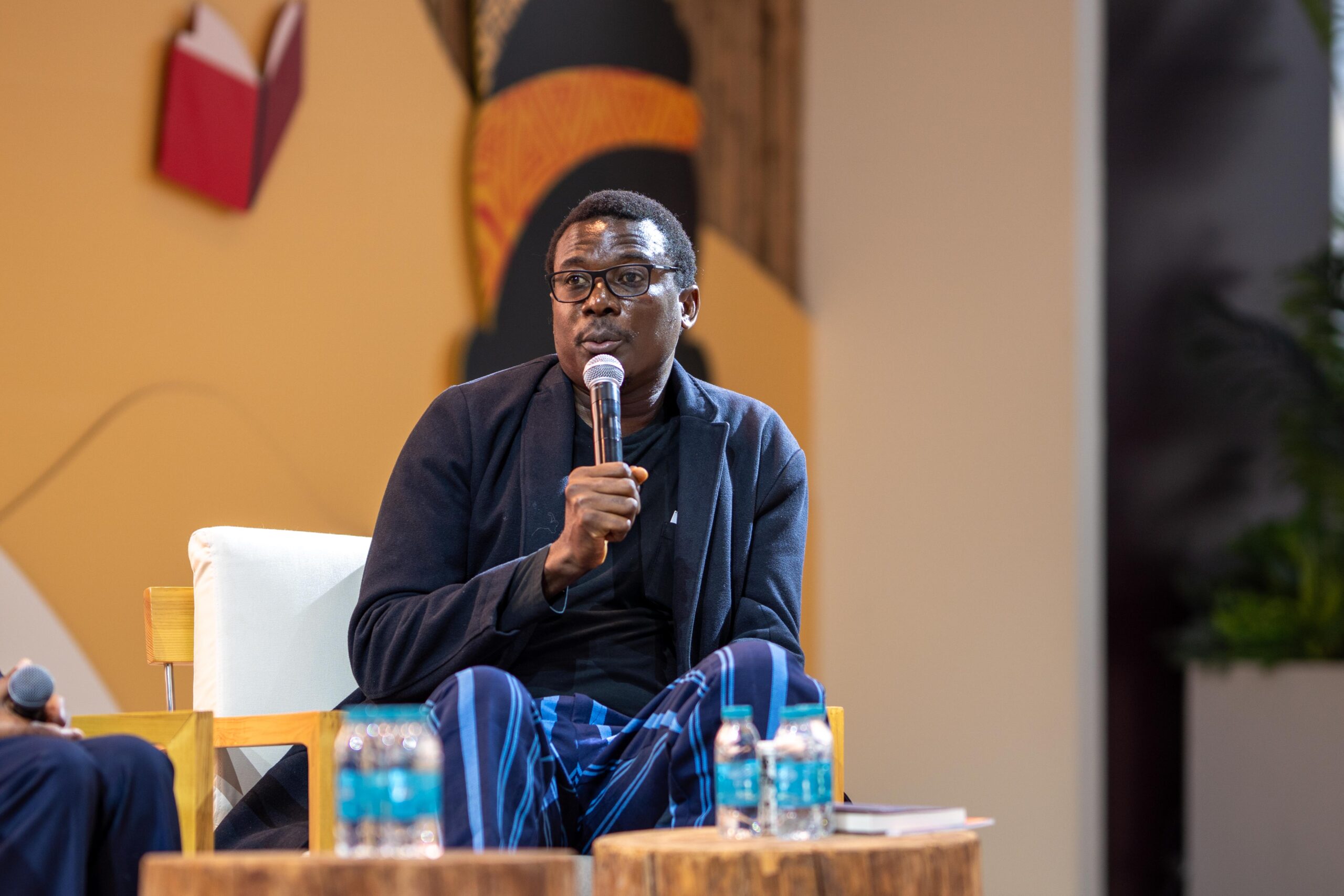
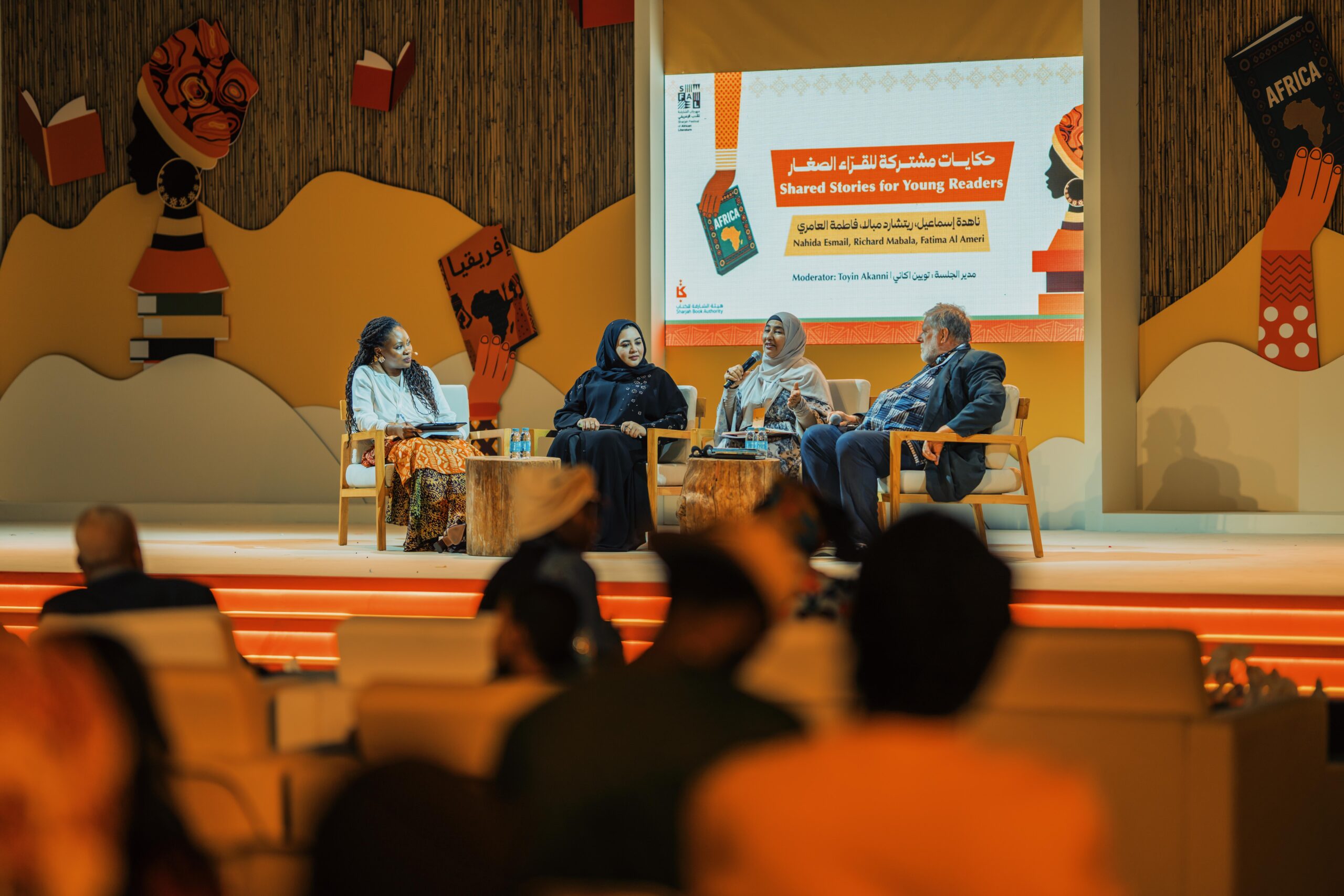
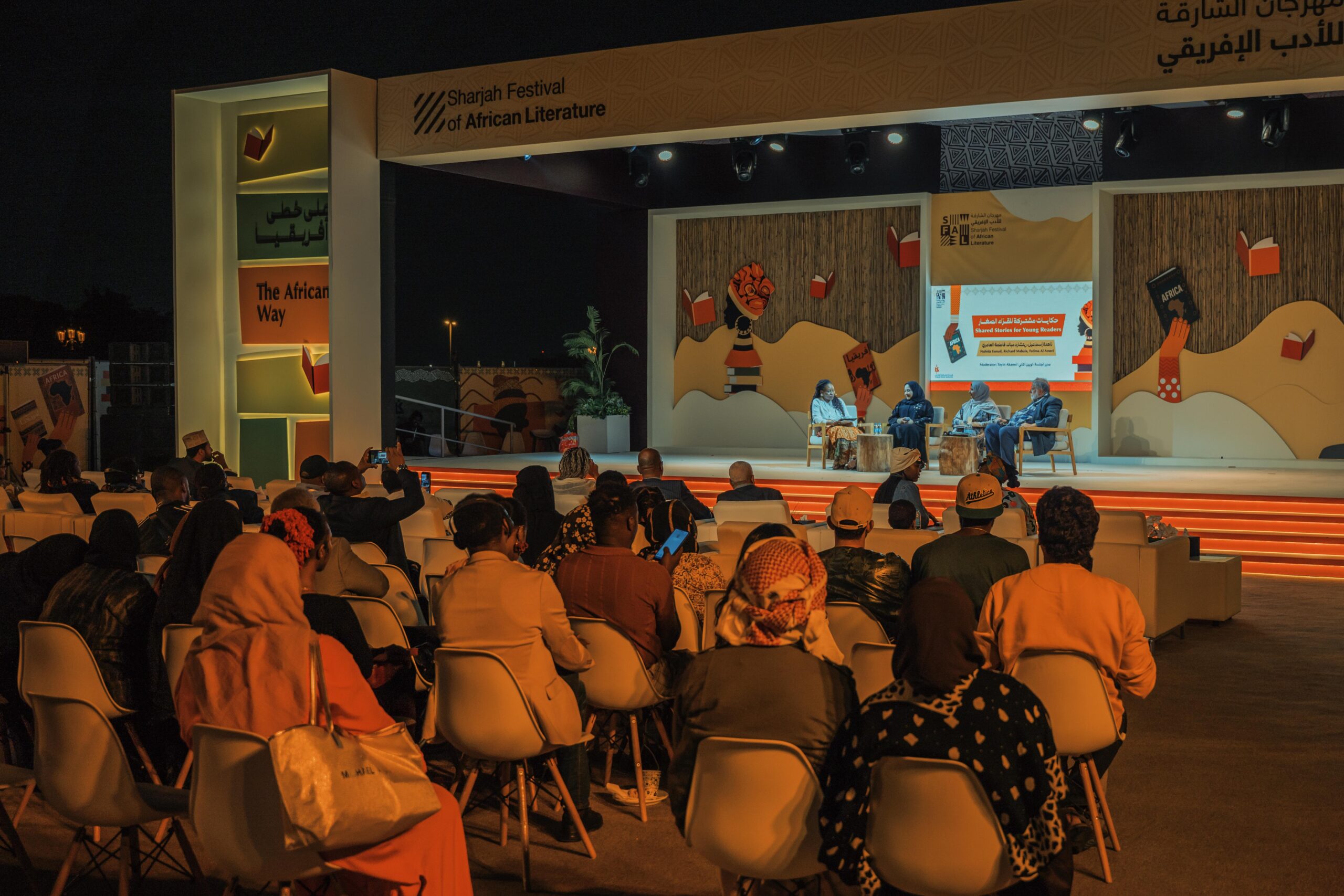
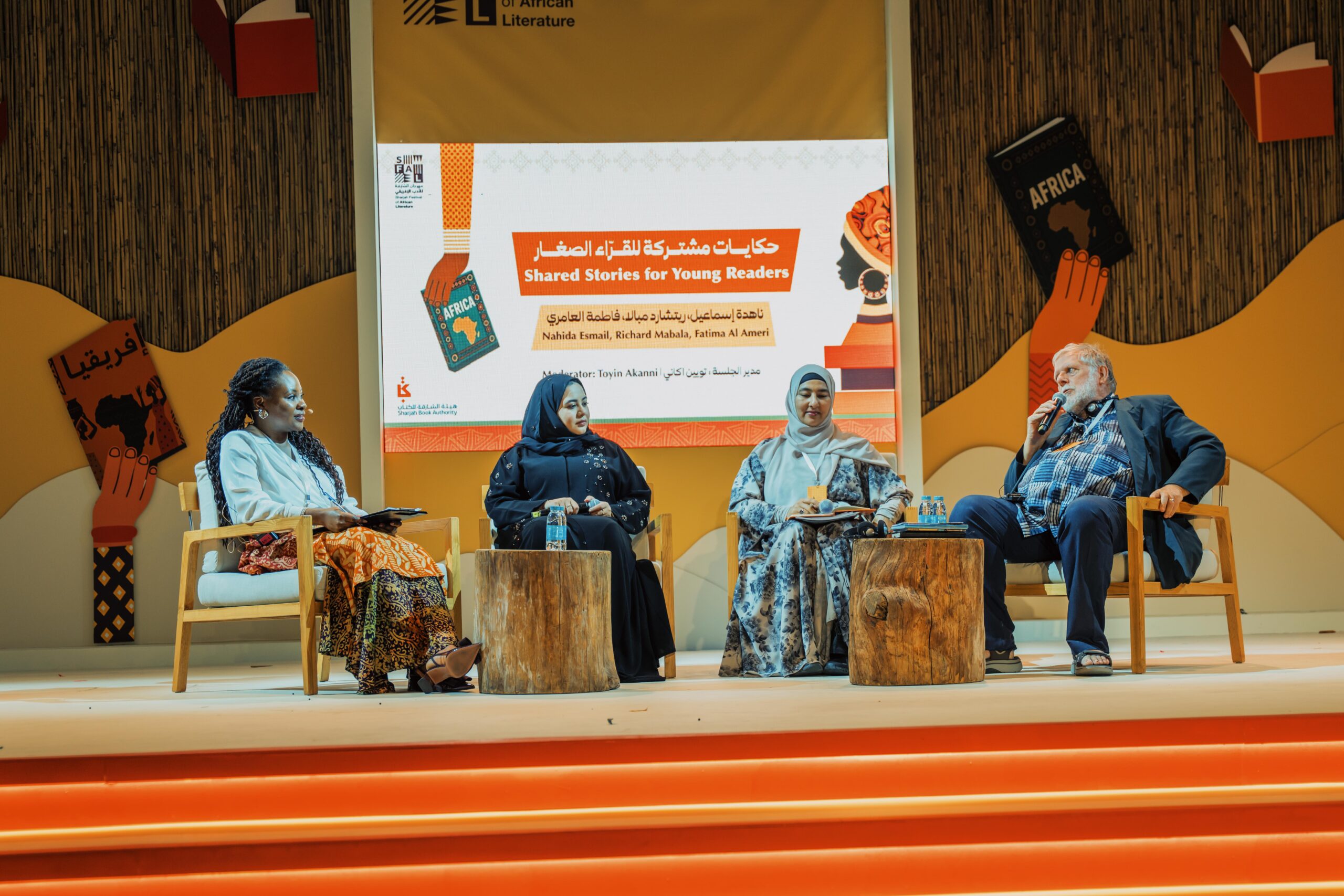
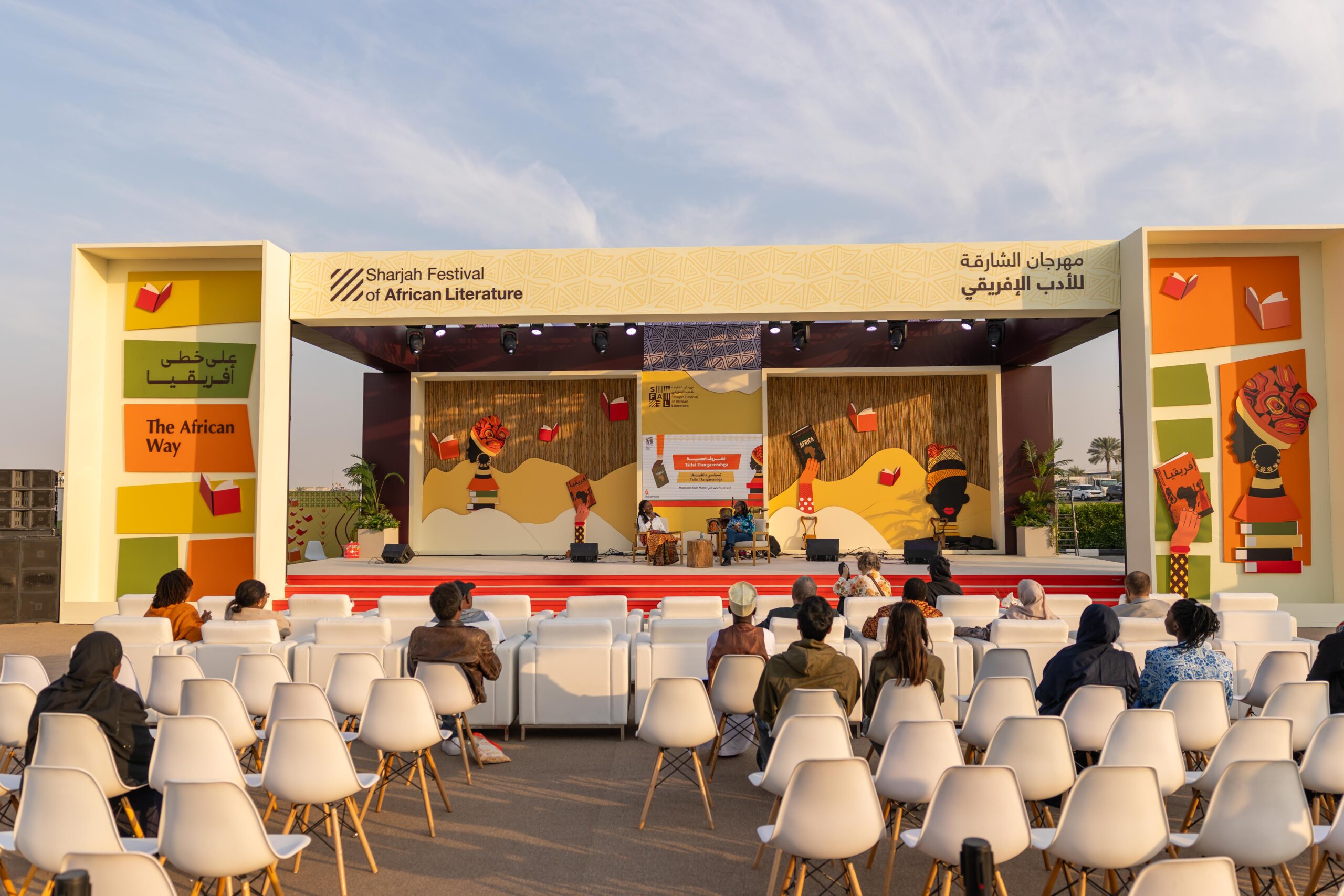
Nigerian linguist and translator Kola Tubosun spent last week at the second Sharjah Festival of African Literature in the UAE, participating in conversations about the work of literary translation and its role in connecting African and Arab literary communities. The festival, organized by the Sharjah Book Authority under the theme “The African Way,” brought together 29 writers (20 from Africa and 9 from the UAE) for five days of panel discussions, poetry readings, workshops, and performances. This sophomore edition focused primarily on Eastern and Southern African creative expressions while maintaining space for dialogue across other languages and cultures on the continent, building on last year’s inaugural event which featured two African Nobel laureates and prominent West African writers.
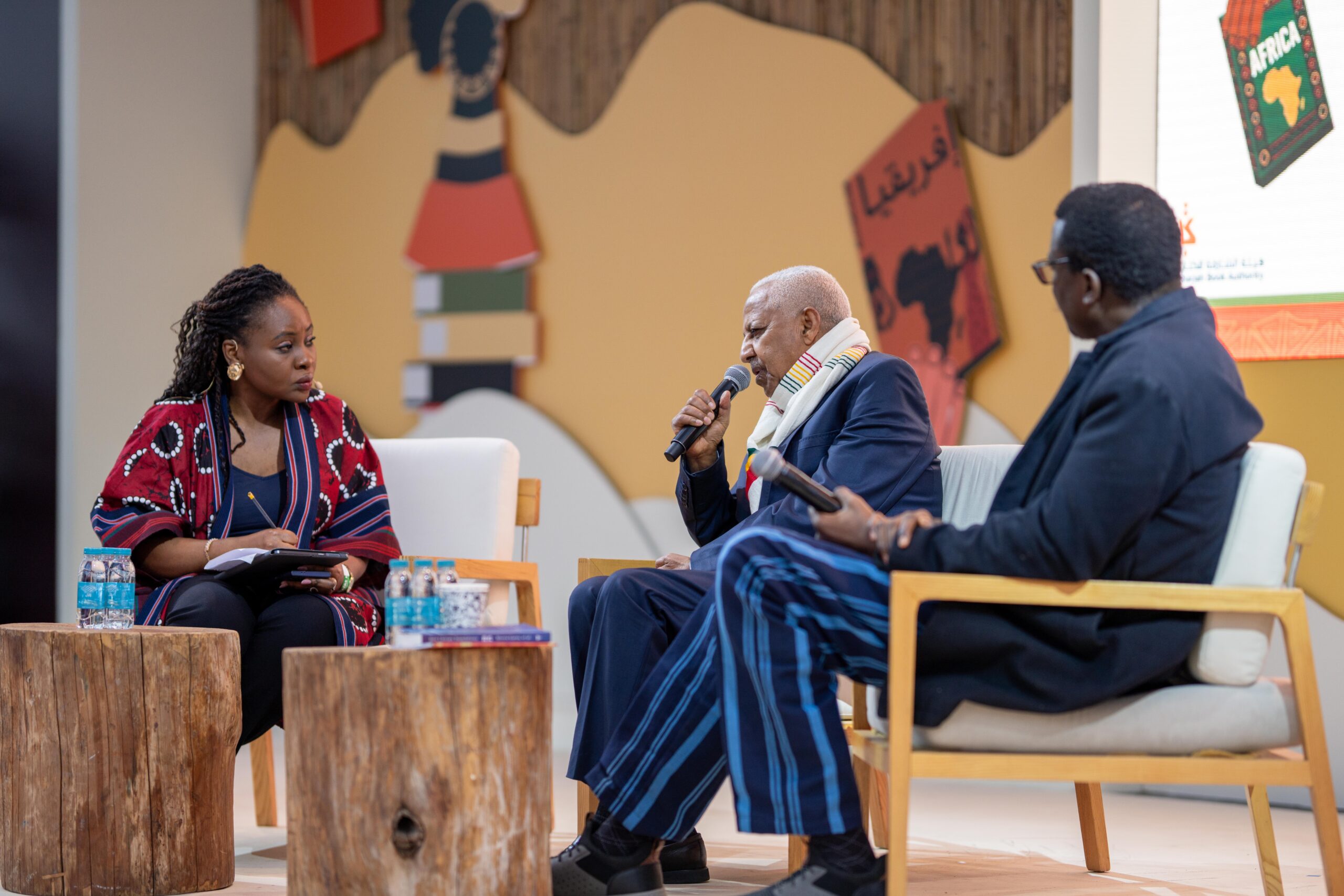
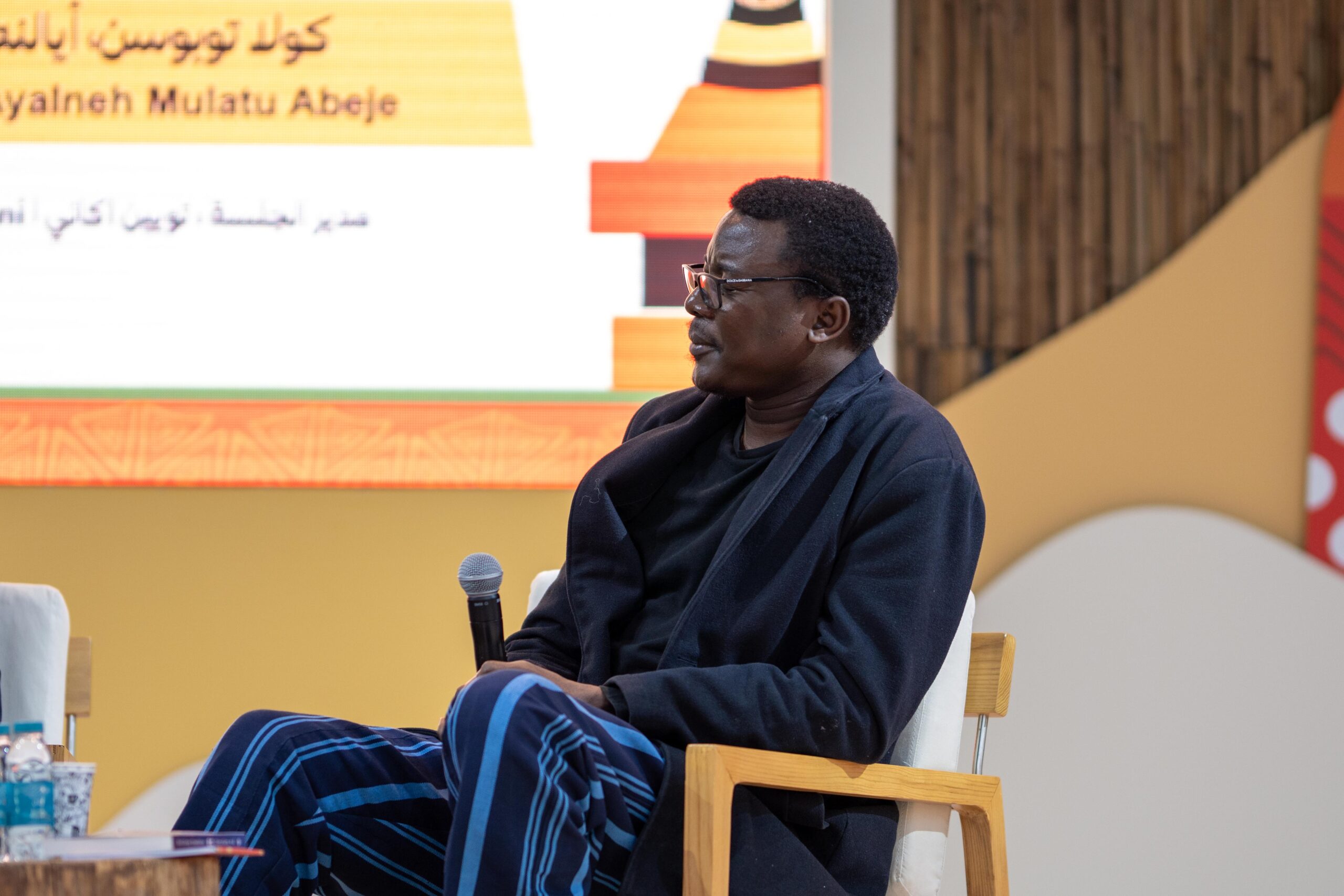
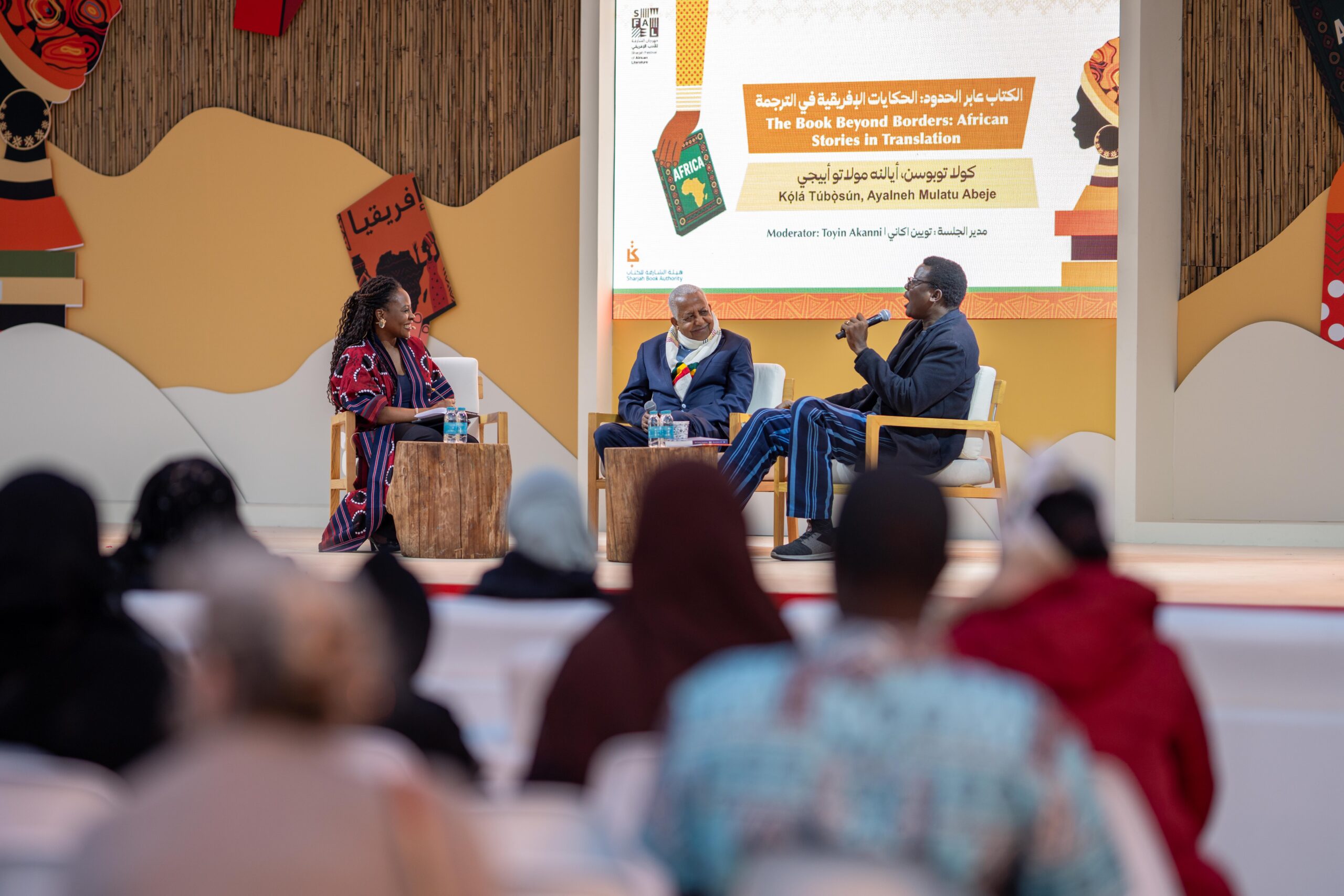
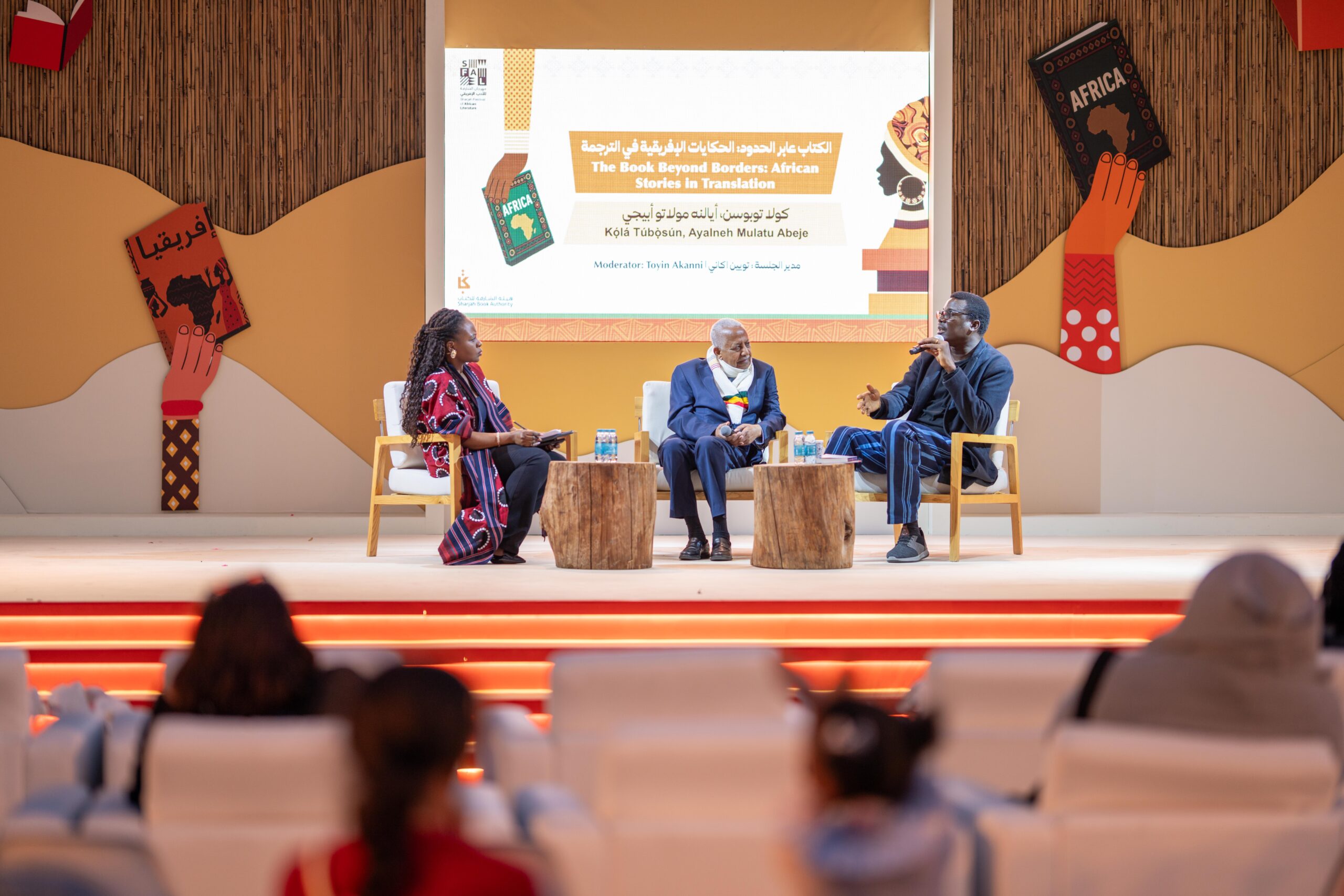
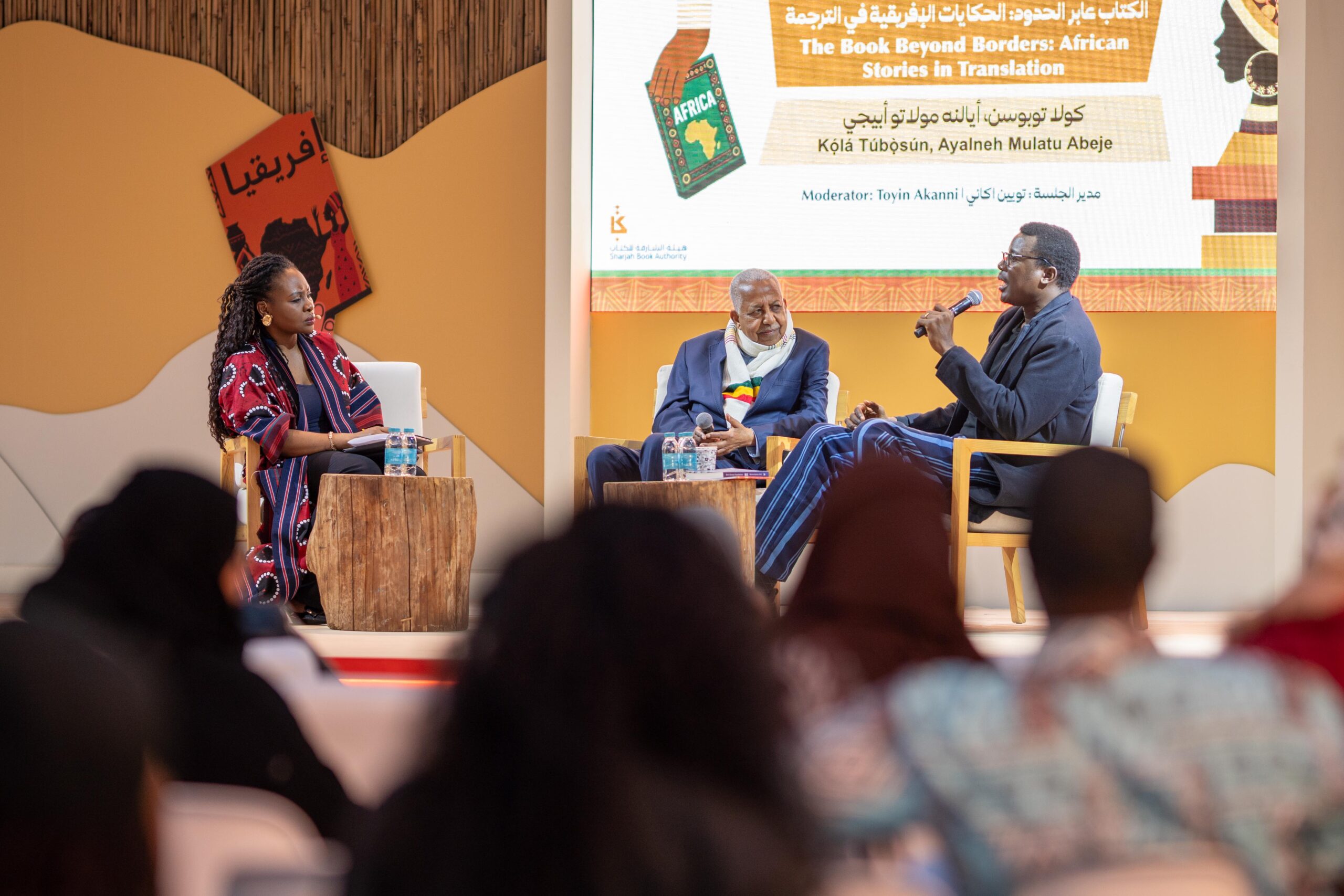
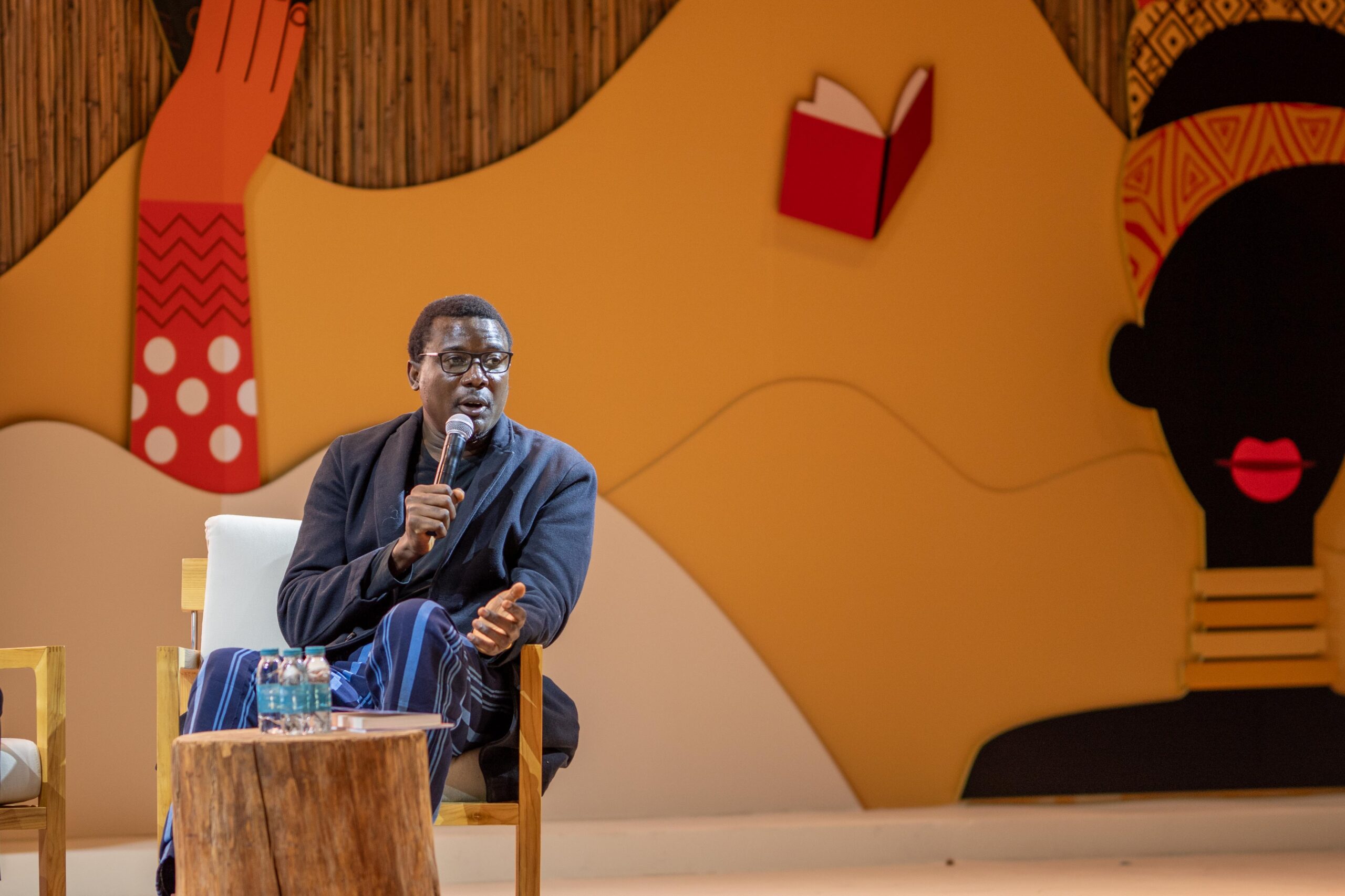
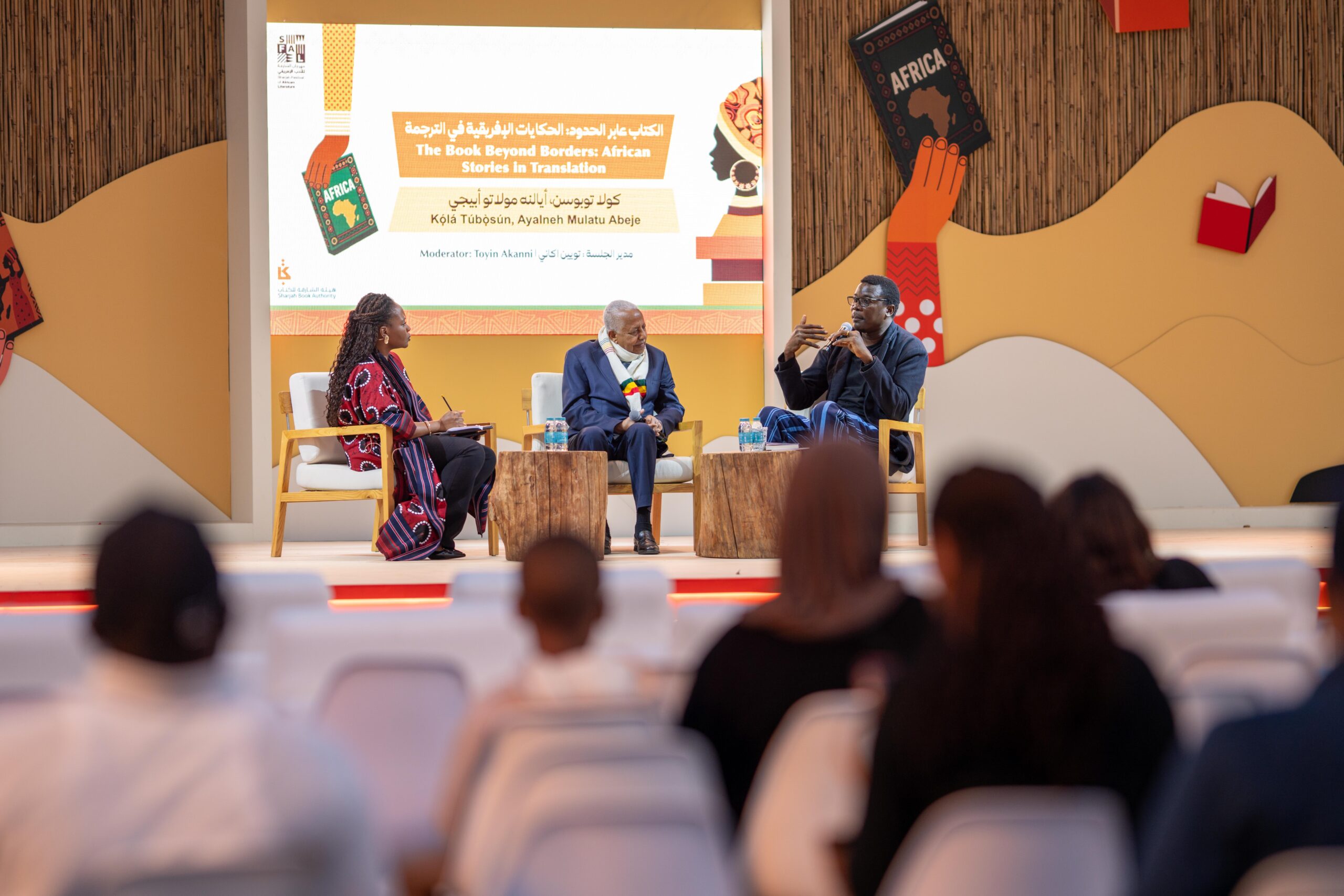
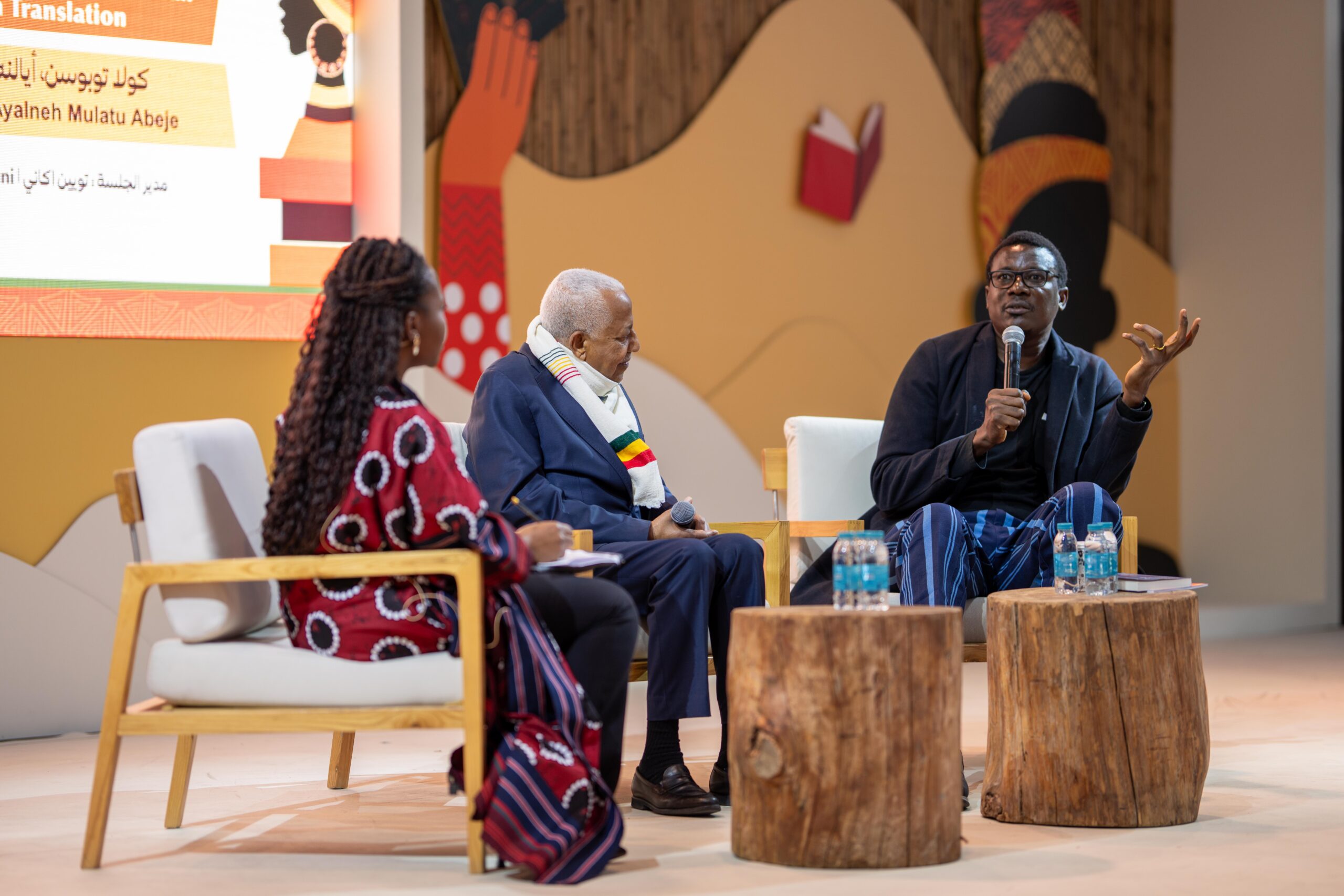
Tubosun’s panel with Ethiopian writer-translator Ayalneh Mulatu Abeje, moderated by Toyin Akanni, examined what translators do, the challenges facing their work today, and strategies for working across borders to benefit African literatures. Abeje has translated extensive Russian literature into Amharic and has had some of his own works translated into English. Tubosun shared insights about his work with Best Literary Translations and OlongoAfrica, highlighting opportunities for literatures-in-translation in technology, education, and publishing. The conversation underscored the necessity of translation as a bridge-building practice, particularly in contexts where African writers and readers remain separated by colonial language barriers and limited access to works published in indigenous African languages. Tubosun’s first visit to Sharjah allowed him to reconnect with colleagues including South African poet Lebogang Mashile, Nigerian writer Sefi Atta, Zimbabwean novelist Tsitsi Dangarembga (who received the festival’s Lifetime Achievement Award), and British poet Lemn Sissay.
The Sharjah Book Authority, chaired by Sheikha Bodour Al Qasimi, has positioned Sharjah as a cultural capital committed to fostering literary dialogue between Africa and the Arab world. The Sharjah Festival of African Literature, through its commitment to platforming these conversations alongside creative readings and performances, continues building on Sharjah’s decades-long investment in book culture and literary exchange, positioning the emirate as a vital node in global literary networks that center African creative expression.
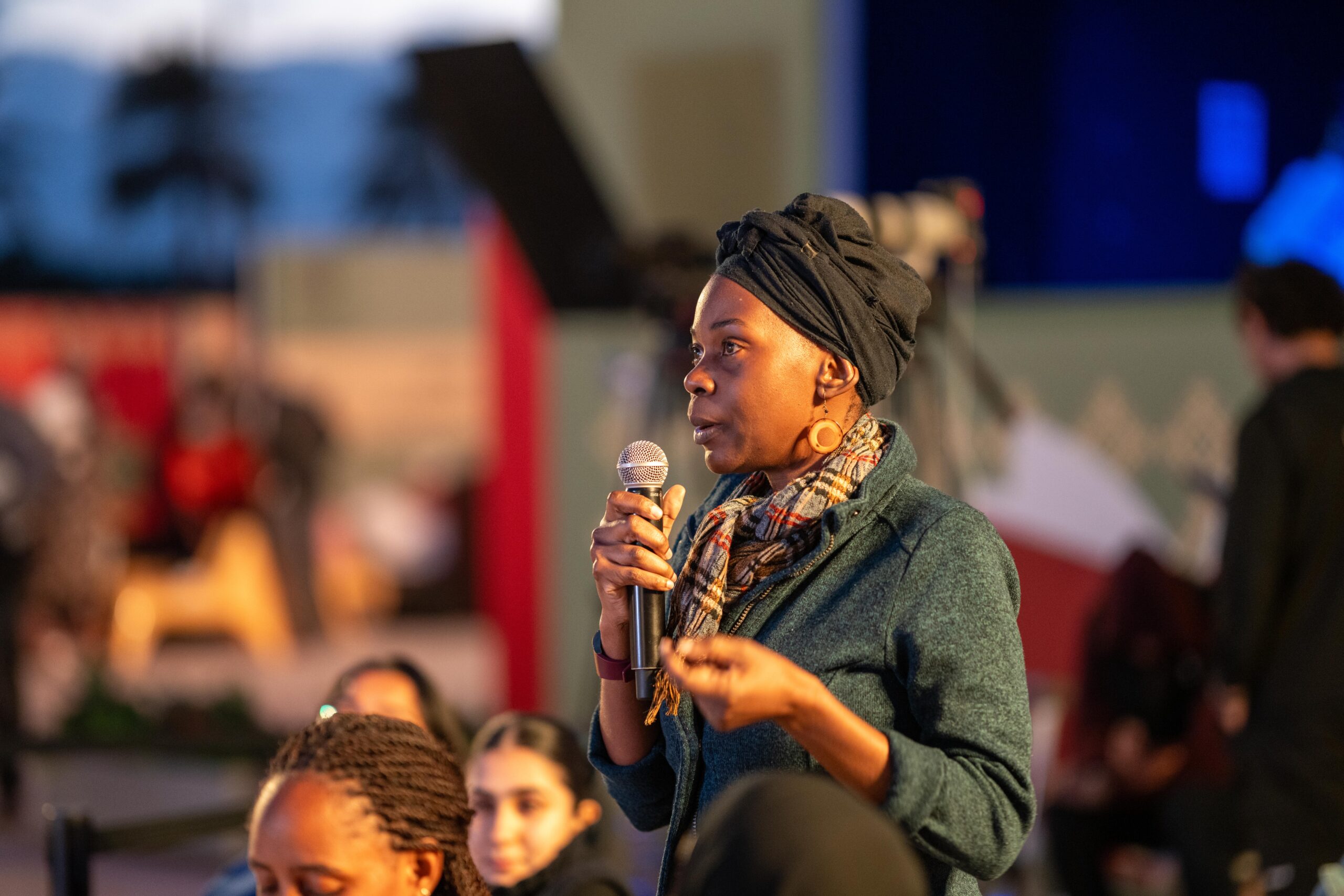
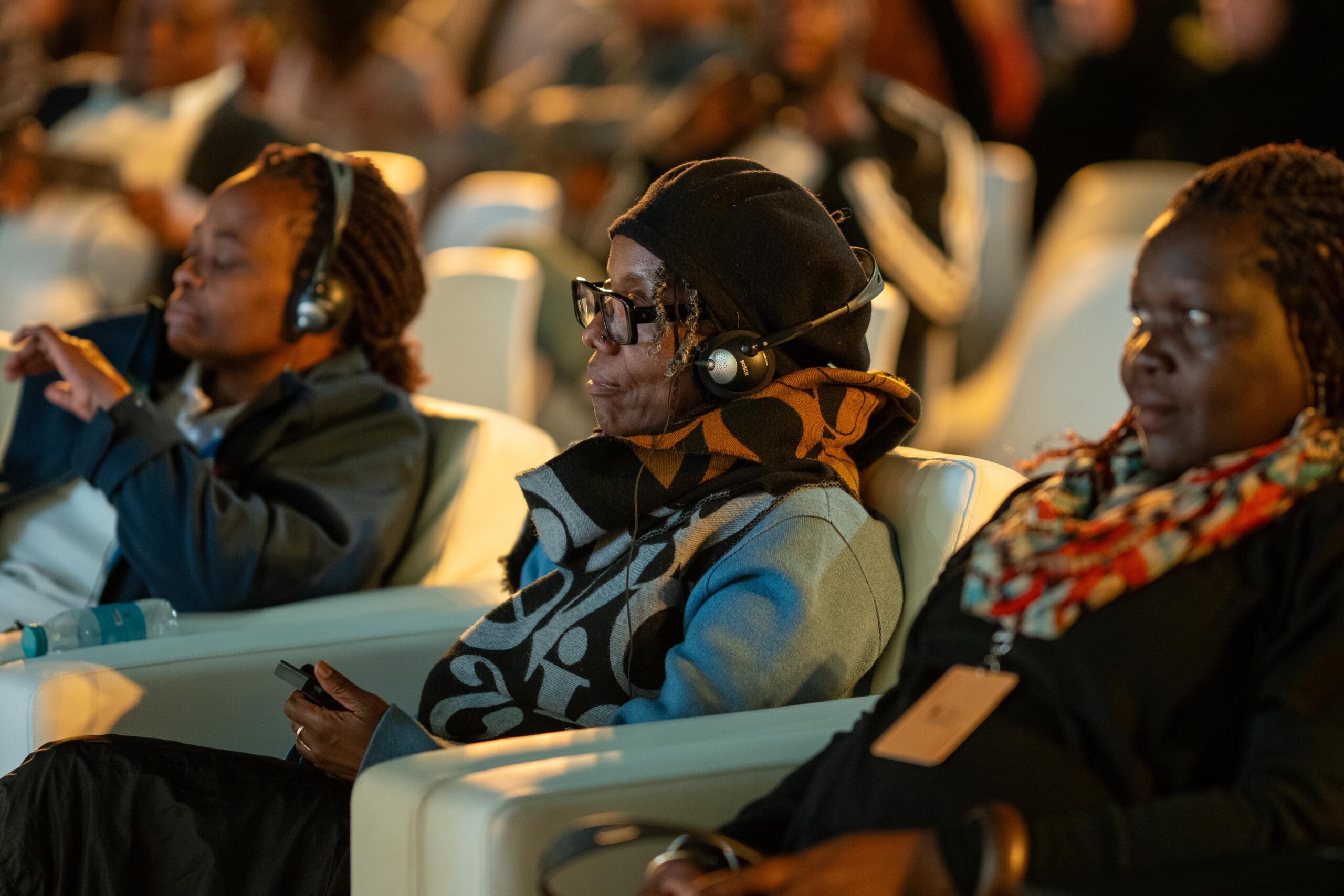
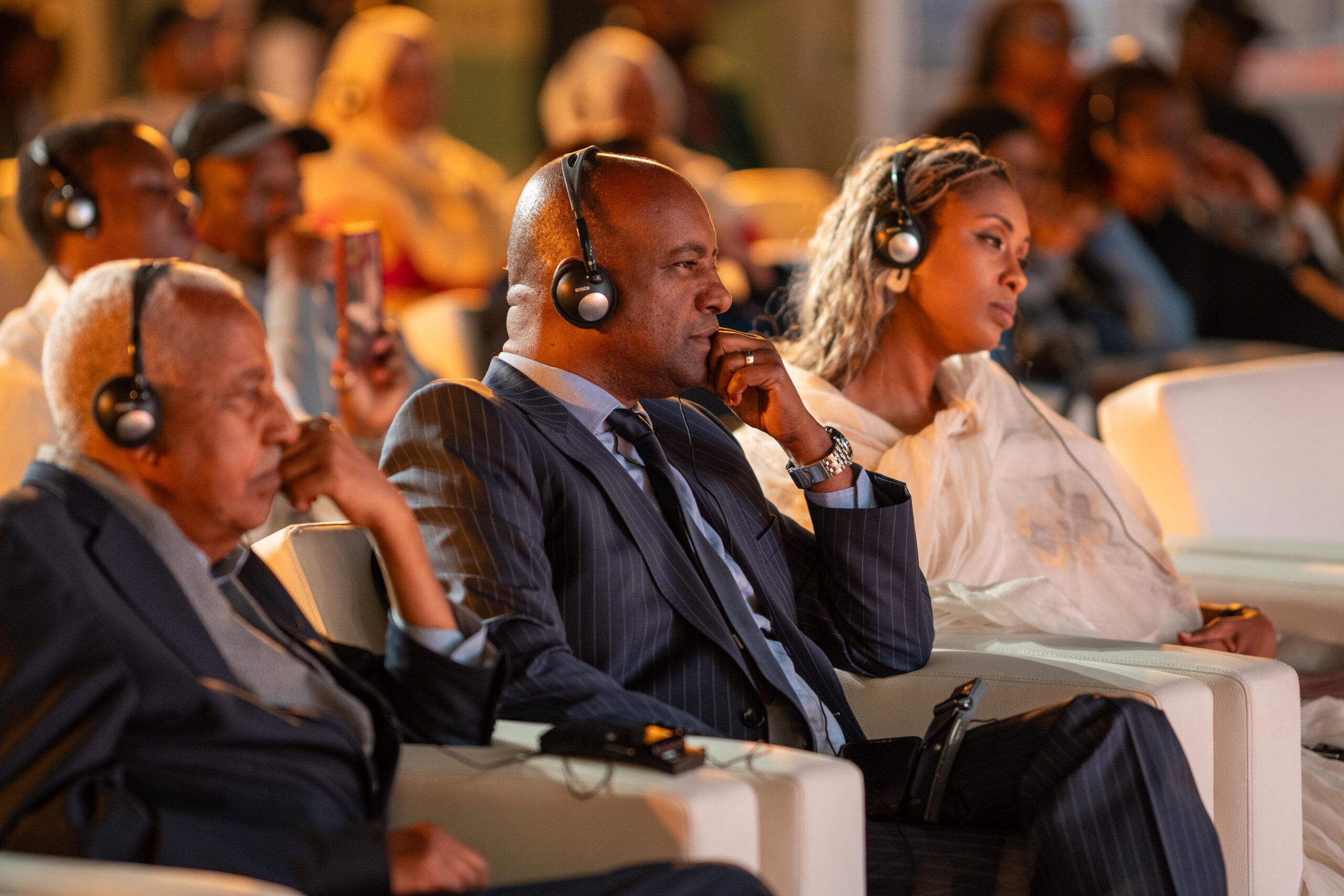
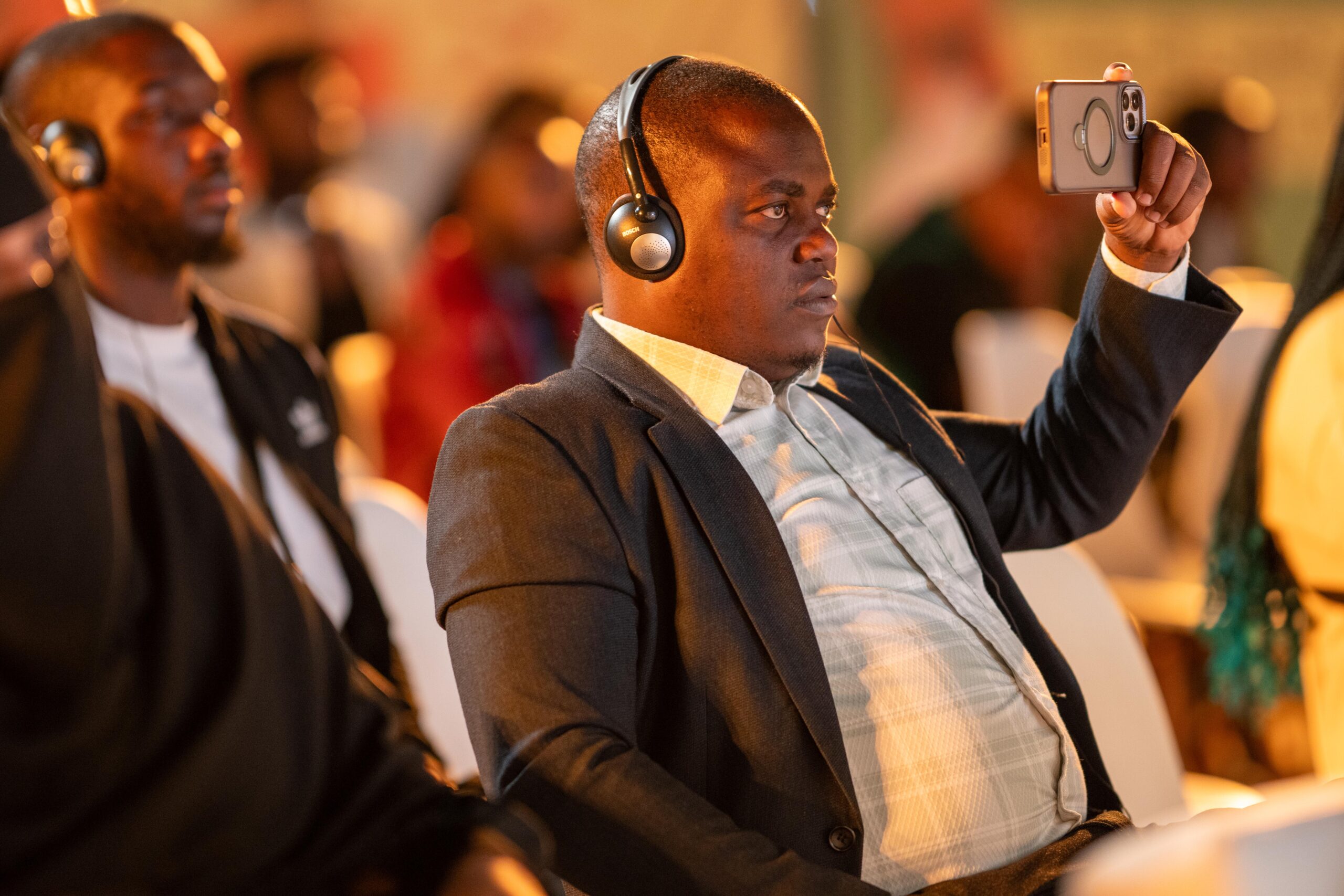
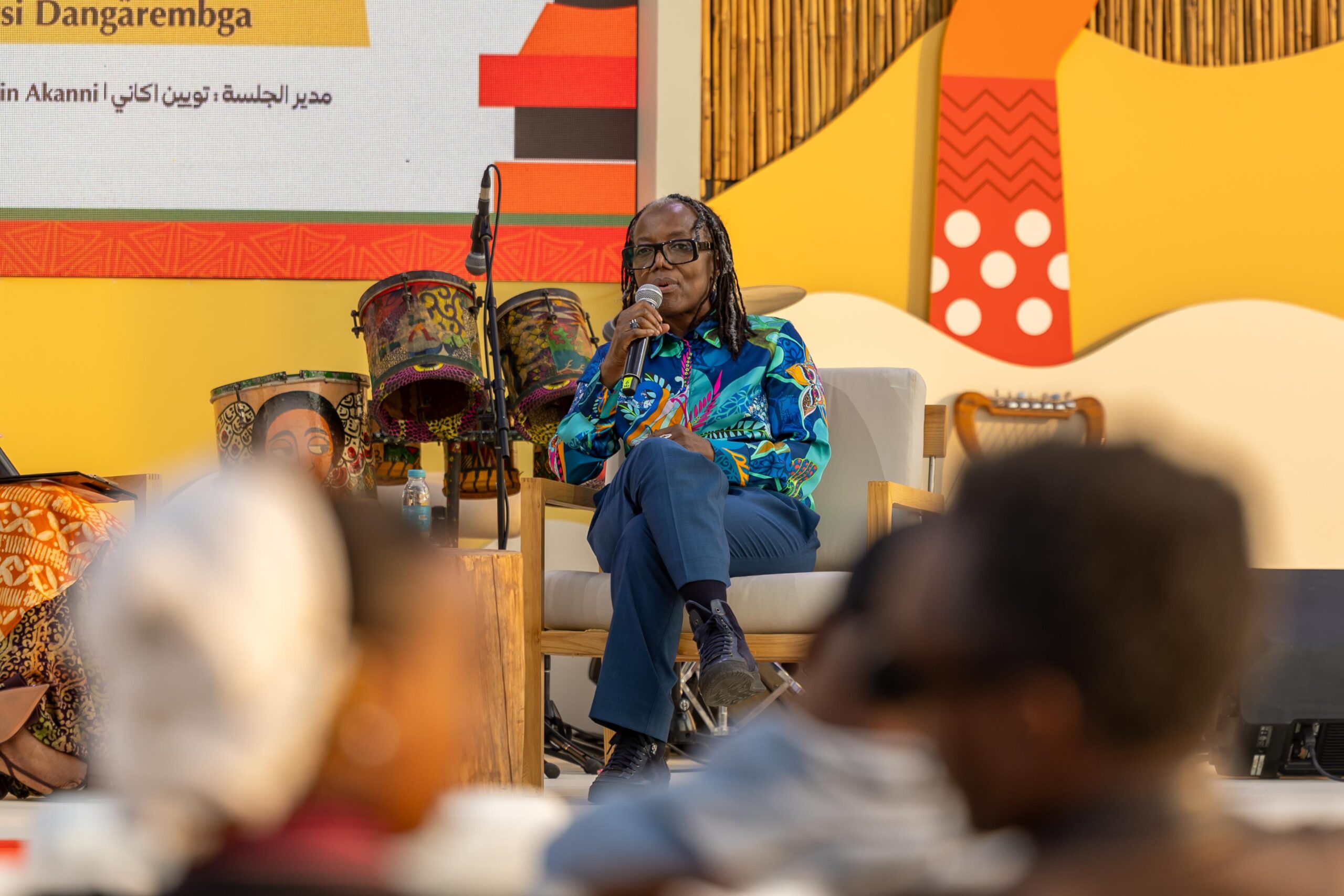
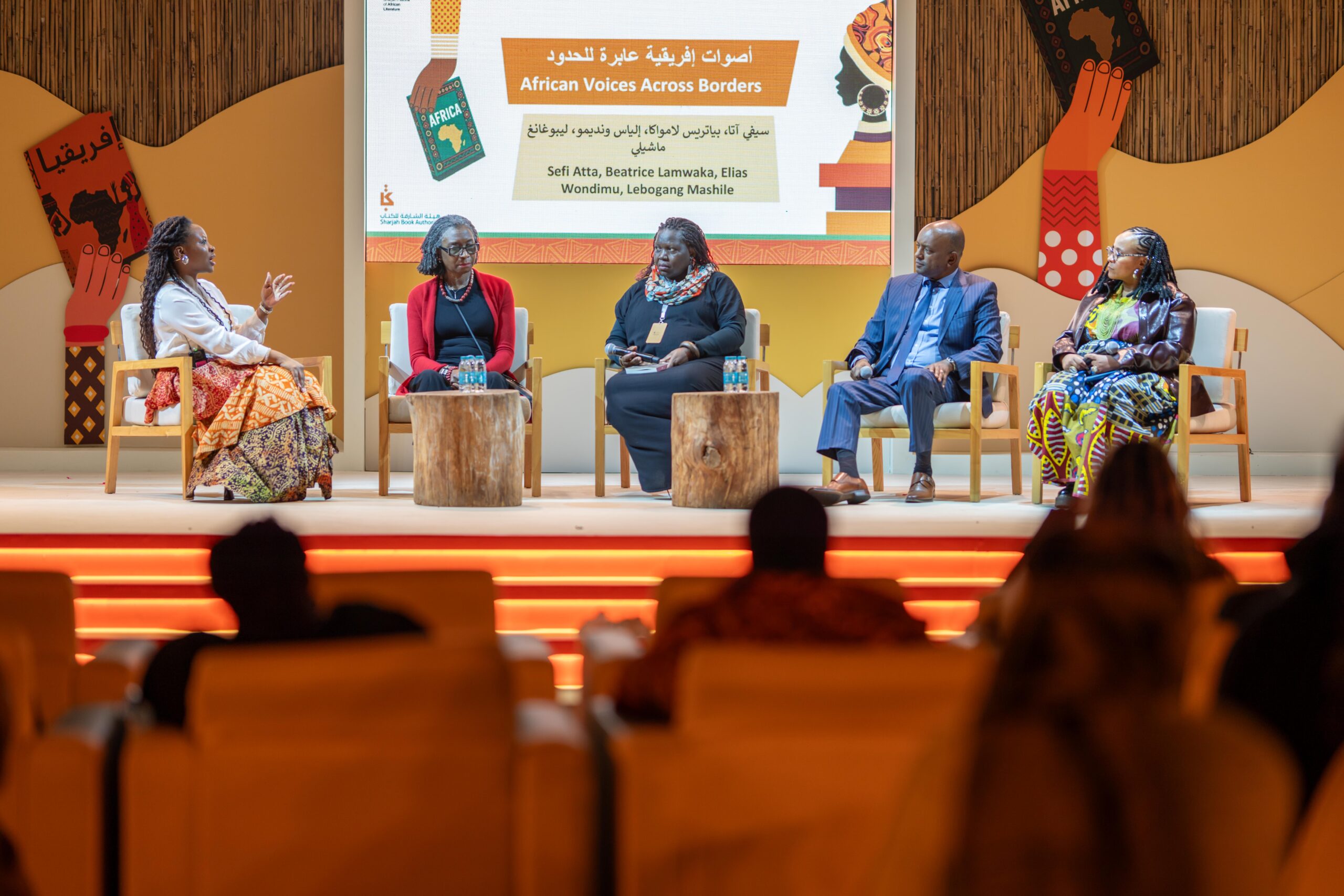
See pictures from the event below:


COMMENTS -
Reader Interactions