

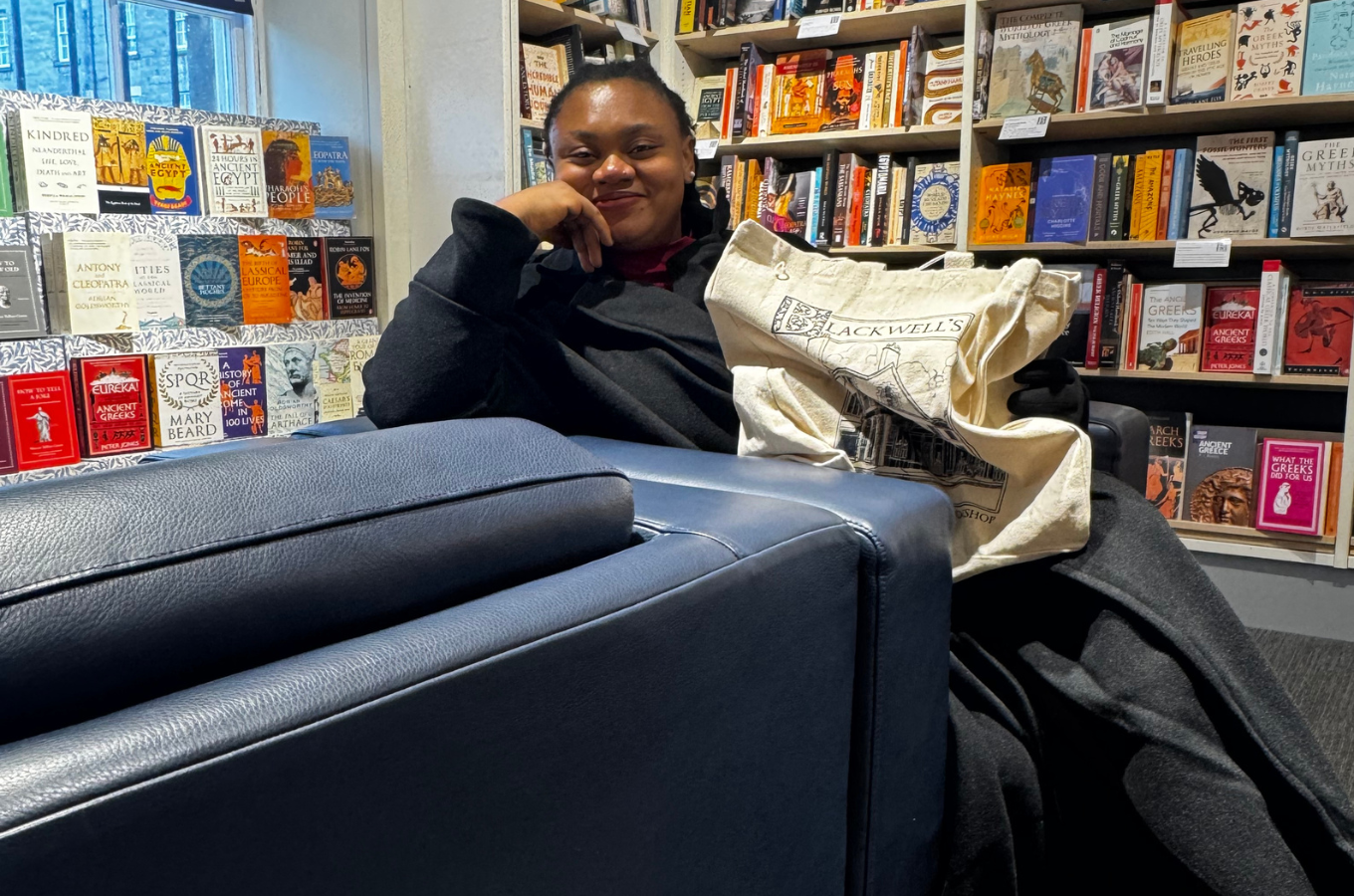
 Erhu Kome writes from a place of deep cultural specificity. She grew up in Benin City, comes from the Urhobo people of Nigeria’s Niger Delta, and has built a body of work that moves across young adult fantasy, bizarro fiction, romance, and magical realism; anchored always in the myths, traditions, and landscapes she calls home. Her debut novel, The Smoke That Thunders, published by Norton Young Readers in 2024, follows sixteen-year-old Naborhi as she is guided by gods and drawn into a continent-spanning quest rooted in Urhobo folklore. The book earned a Junior Library Guild Gold Standard Selection, a Tome Society Book Award, a Children’s Africana Book Awards Honor Book citation, a place on Brittle Paper’s 100 Notable African Books list, and a shortlist nod at the 2025 Nommo Awards — the continent’s premier prize for African speculative fiction. She is also, distinctly, the first Nigerian female author of bizarro fiction to be shortlisted for the Nommo Awards.
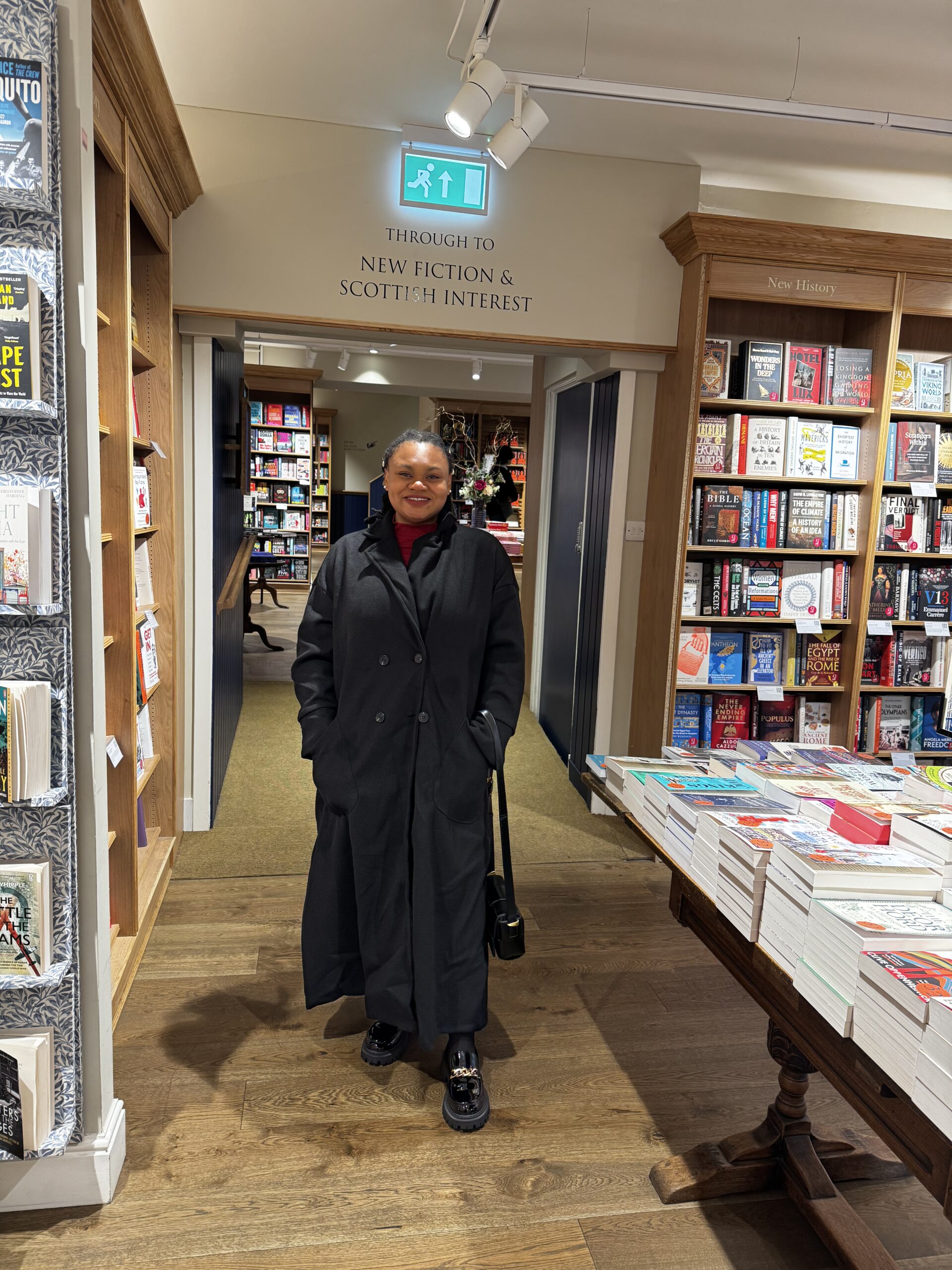
But Kome has never been just a writer. She runs the E.K. Mentorship Program for unpublished female Nigerian children’s writers, organised the inaugural Storytellers Writing Retreat, and has navigated, with characteristic determination, the full gauntlet of publishing models: traditional publishing with Norton, self-publishing, Nigerian editions through Narrative Landscape Press, and a hard-won battle to reclaim the rights to her novella Not Seeing Is a Flower. Now, with a UK Global Talent visa secured and a new chapter beginning in Northumbria, Kome sits down with the Brittle Paper team to talk about late beginnings and early instincts, the strange alchemy of Urhobo mythology and bizarro fiction, what the publishing industry owes African writers and often withholds, and what it means to carry a homeland inside you when home is suddenly an ocean away.
Brittle Paper
Hello Erhu. Congratulations on securing the UK Global Talent visa! That’s a huge achievement. You’re the first Nigerian female author of bizarro fiction to be shortlisted for the Nommo Awards. That’s a distinction worth unpacking. What drew you to bizarro in the first place? And how does it sit alongside the Urhobo folklore and West African mythology that grounds so much of your work?
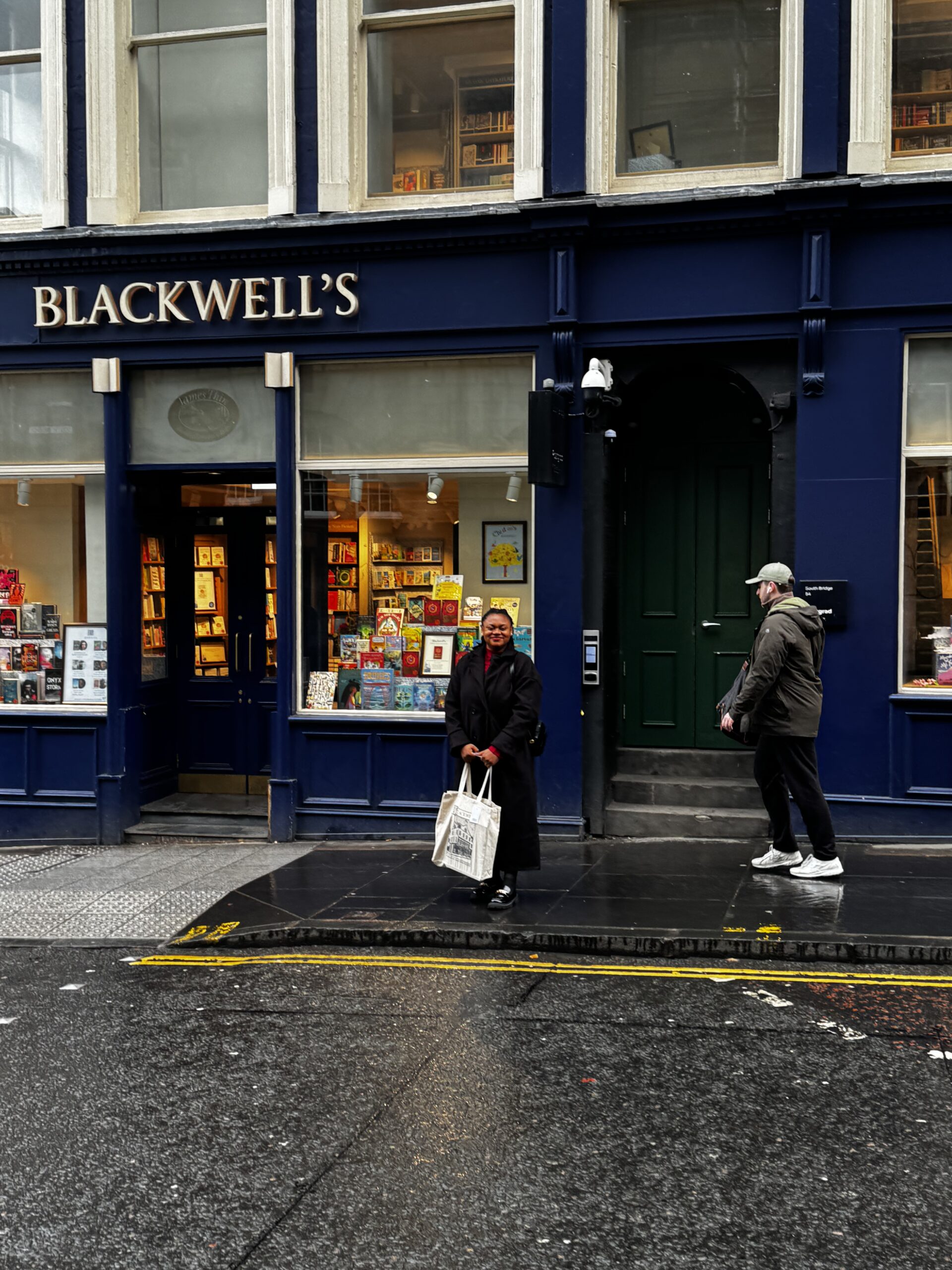
Thank you for chatting with us, Erhu, and congratulations on everything—the new landscape, your recognitions, and all the work still to come. All the best from all of us at Brittle Paper.
Erhu Kome
THANK YOU!





COMMENTS -
Reader Interactions