
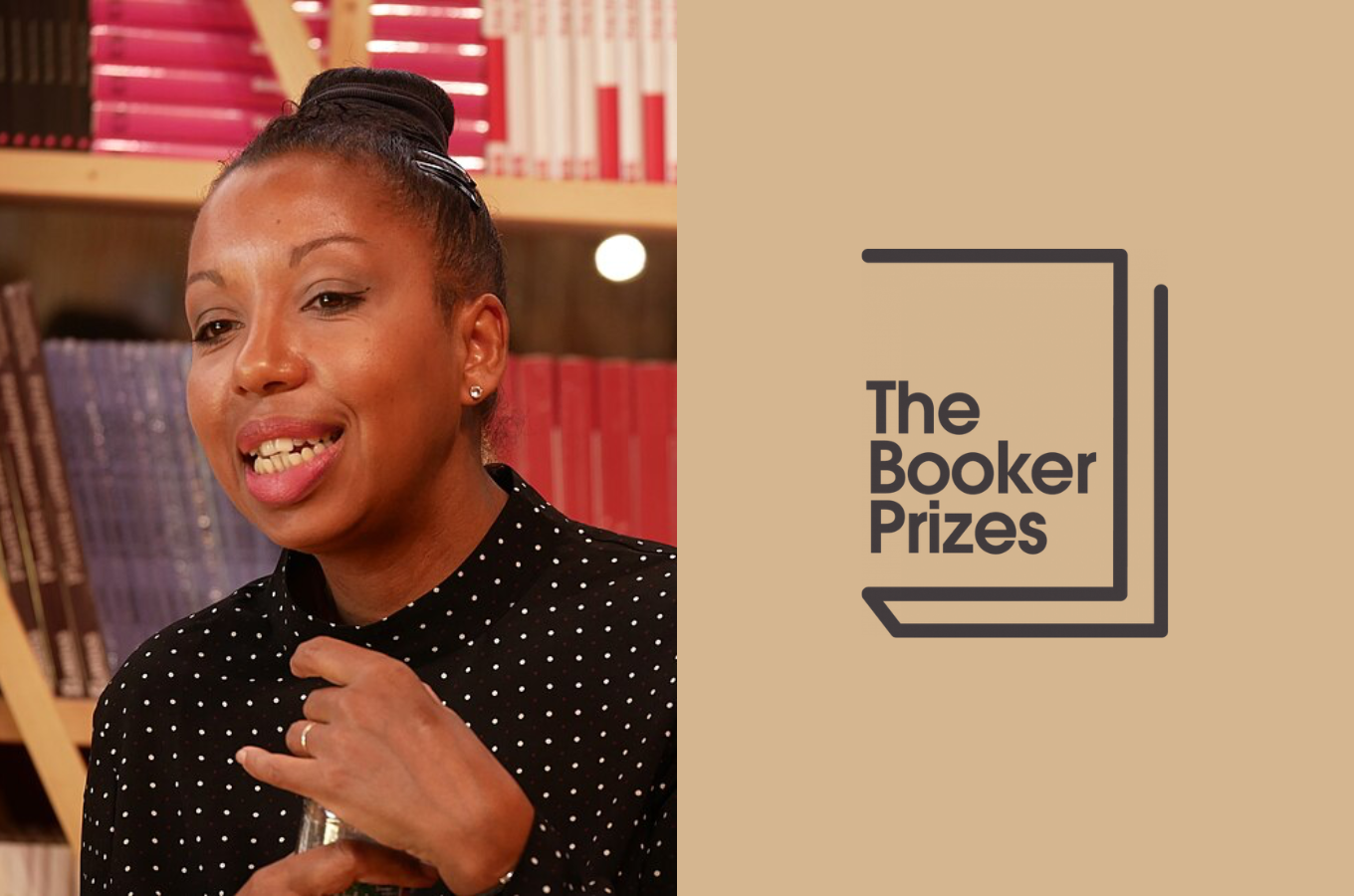
The 2026 International Booker Prize longlist, announced on 24 February, has two African connections worth marking. The first is Marie NDiaye, whose novel The Witch translated from the French by Jordan Stump and published by MacLehose Press, is among the 13 longlisted titles. The second is Troy Onyango, the Kenyan writer, Lolwe editor, and bookseller, who sits on this year’s five-person judging panel.
NDiaye was born in France in 1967 to a Senegalese father and a French mother, and has spent her literary life in the French language and the French literary tradition. She is one of France’s most celebrated writers, winner of the Prix Femina (Rosie Carpe, 2001) and the Prix Goncourt (Three Strong Women, 2009), the latter making her the first Black woman to receive France’s most prestigious literary award. The Witch, first published in French in 1996, follows Lucie, a housewife who initiates her twin daughters into the witchcraft passed down through the women in her family, only to watch their powers quickly eclipse her own. In their citation, the judges described the novel as exquisite in its language: “sentences twist and transform in unexpected ways.” This is NDiaye’s second International Booker Prize longlist nomination; Ladivine, also translated by Jordan Stump, was longlisted in 2016.
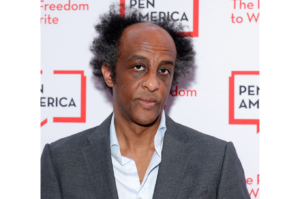
Troy Onyango‘s presence on the jury is significant in its own right. The judging panel is chaired by Natasha Brown and includes writer and broadcaster Marcus du Sautoy, International Booker Prize-shortlisted translator Sophie Hughes, and novelist and columnist Nilanjana S. Roy. Onyango whose short fiction has appeared widely across African and international platforms, and whose work as founder and editor of Lolwe has helped shape the landscape of East African literary publishing, is one of the few African voices to have served on the International Booker Prize jury.
The shortlist of six will be announced on 31 March, with the winner revealed at a ceremony at Tate Modern in London on 19 May 2026. The winning author and translator will share £50,000 equally. This year marks the 10th anniversary of the prize in its current form (in which the prize money is split between author and translator) a structure that has helped double sales of translated fiction in the UK since 2016.




COMMENTS -
Reader Interactions