

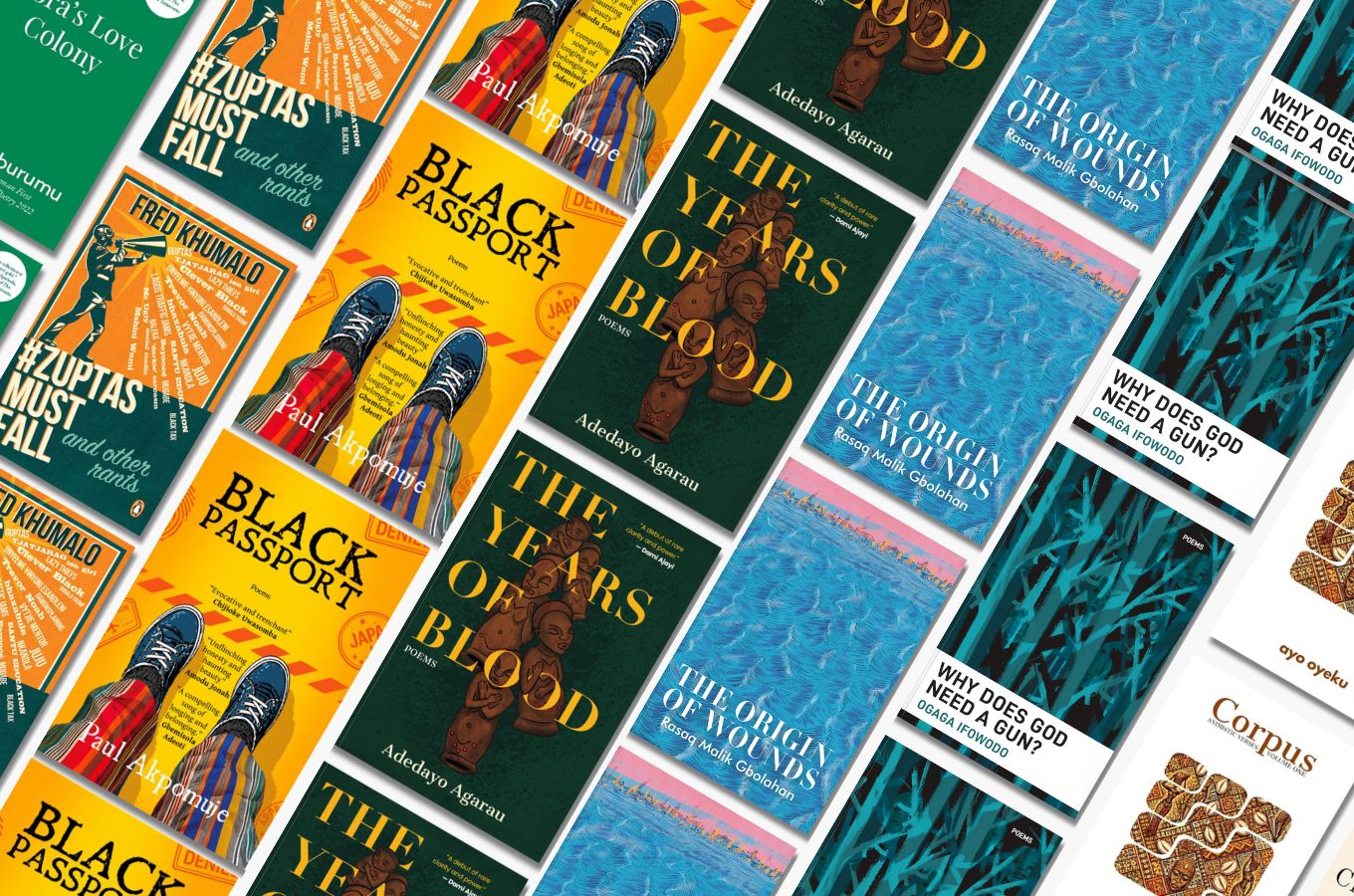
Nigeria LNG Limited (NLNG) has announced the 11-book longlist for the 2026 Nigeria Prize for Literature, bringing together some of the country’s most accomplished and emerging poets in the running for the prestigious $100,000 award.
This year’s prize is dedicated to poetry, in keeping with the award’s rotating format, which alternates annually between prose fiction, poetry, drama and children’s literature. According to the organisers, 223 poetry collections were submitted for consideration before the judges selected the longlist. The Nigeria Prize for Literature remains Africa’s richest literary prize and one of the continent’s most significant recognitions of literary excellence.
The longlisted books are Bakandamiya: An Elegy by Saddiq Dzukogi, Corpus: Animistic Verses by Ayo Oyeku, Adults Love in the Childhood Garden by Tanure Ojaide, 2000 Blacks by Ajibola Tolase, Unbind Me Now by James Ngwu Eze, Flora’s Love Colony by Tares Oburumu, The Years of Blood by Adedayo Agarau, Black Passport by Paul Akpomuje, Why Does God Need a Gun? by Ogaga Ifowodo, The Nameless by Theresa Lola and The Origin of Wounds by Rasaq Malik Gbolahan.
In a statement accompanying the announcement, the organisers described the selected collections as works that invite readers to see familiar experiences differently, adding that each book reflects the experiences, tensions and hopes that shaped its creation. The list also spans multiple generations of Nigerian poets, pairing established voices such as Tanure Ojaide and Ogaga Ifowodo with younger writers whose work has continued to gain local and international recognition.
The announcement comes a year after the prize recognised prose fiction, with Oyin Olugbile winning the 2025 edition for Sanya. This year’s focus on poetry offers a timely reminder of the genre’s place within Nigerian literature. While fiction often attracts wider commercial attention and readership, poetry has remained one of the country’s most dynamic literary forms, producing writers whose work continues to shape conversations both at home and abroad.
The 2026 longlist reflects that range. Across the selected collections are explorations of grief, memory, migration, faith, identity, history and belonging, demonstrating the breadth of concerns occupying contemporary Nigerian poets. It also points to the continued growth of a poetry community whose influence extends beyond the page through festivals, spoken-word performance, independent publishing and international literary recognition.
Beyond identifying a winner, the Nigeria Prize for Literature has increasingly served as a record of the books defining each genre at a particular moment. This year’s longlist offers readers an opportunity to engage with a cross-section of Nigerian poetry, introducing new voices while reaffirming the enduring contributions of established ones.
The longlisted titles will now move to the next stage of adjudication before a shortlist is announced ahead of the final award later this year.




COMMENTS -
Reader Interactions