

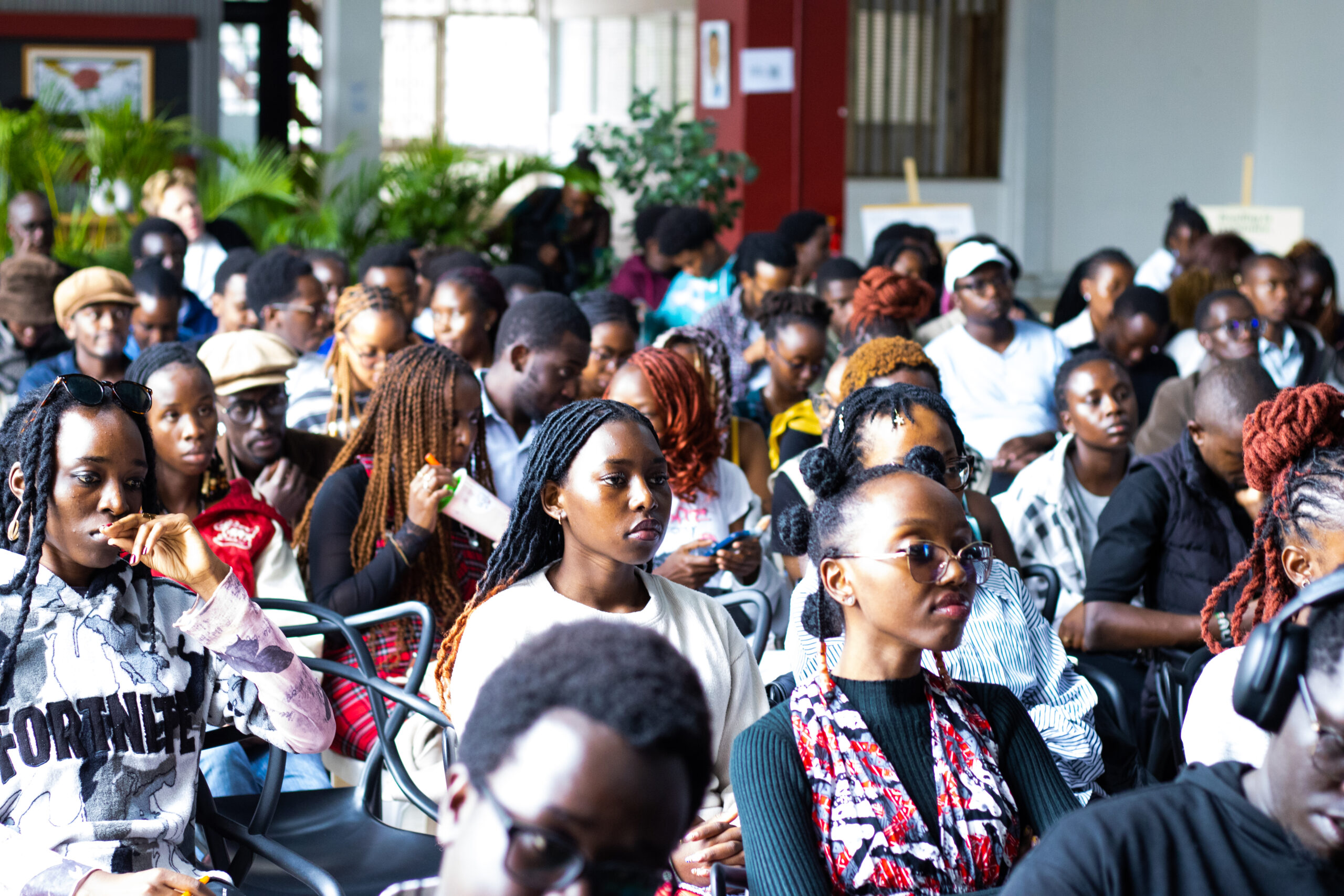
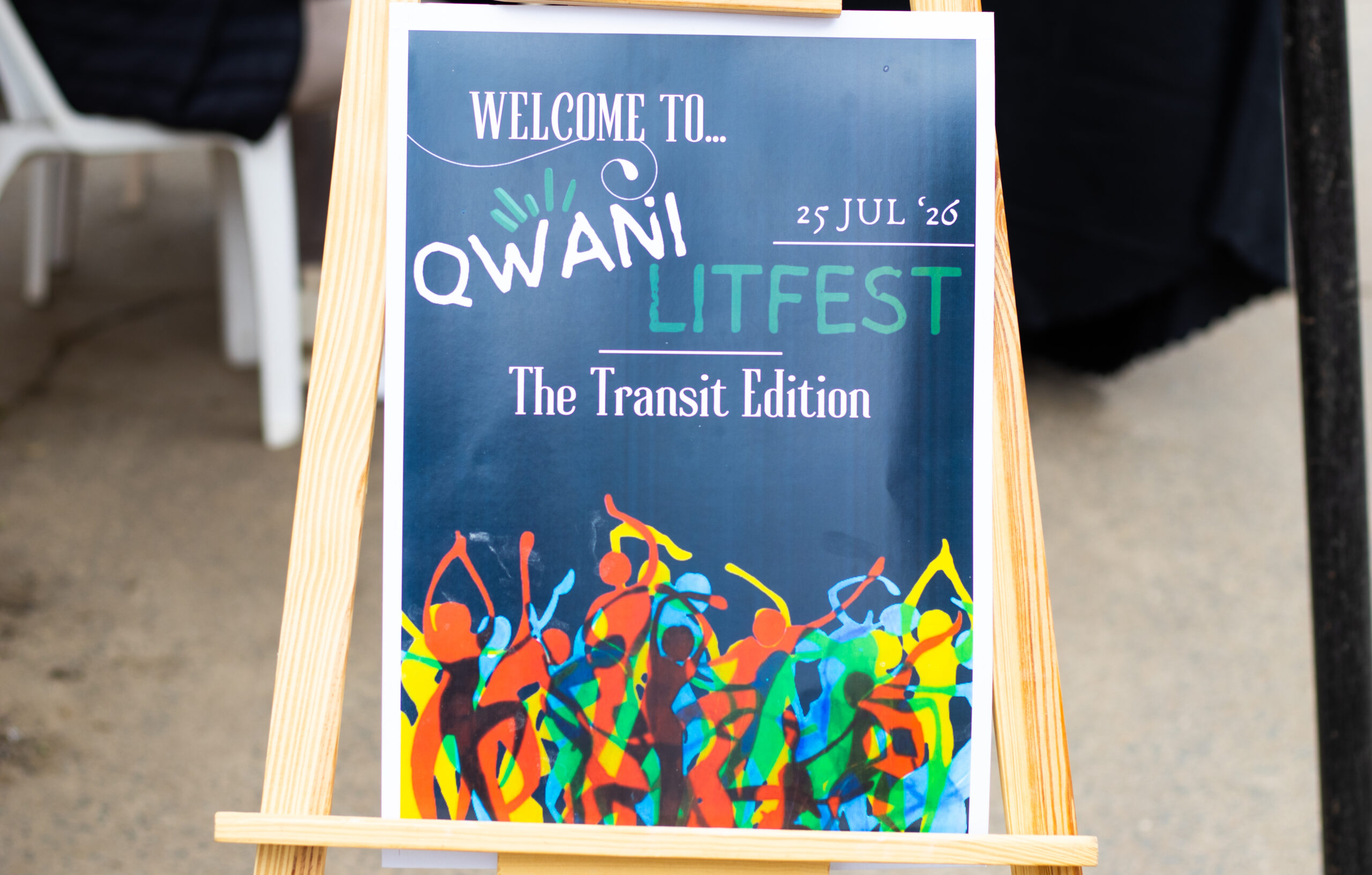
Qwani, the Nairobi-based literary collective, marked its third anniversary with its most ambitious undertaking yet: an inaugural literature festival dubbed “The Transition Edition,” held on Saturday, July 25, 2026, at Baraza Media Lab’s Industrial Area base. Per Writing Africa’s recap of the day, the event drew much of the Qwani sphere to the southern part of Nairobi for a full day of panels, performances, and community.
Founded in 2023, Qwani began as a platform for young writers to publish their work, taking its name as a deliberate nod to Kwani?, the influential literary organization Binyavanga Wainaina and his collaborators launched in the early 2000s. In the years since, the collective has grown well beyond its publishing roots, putting out journals and contributor collections while building a community that now spans writers, artists, musicians, filmmakers, illustrators, and craftspeople.
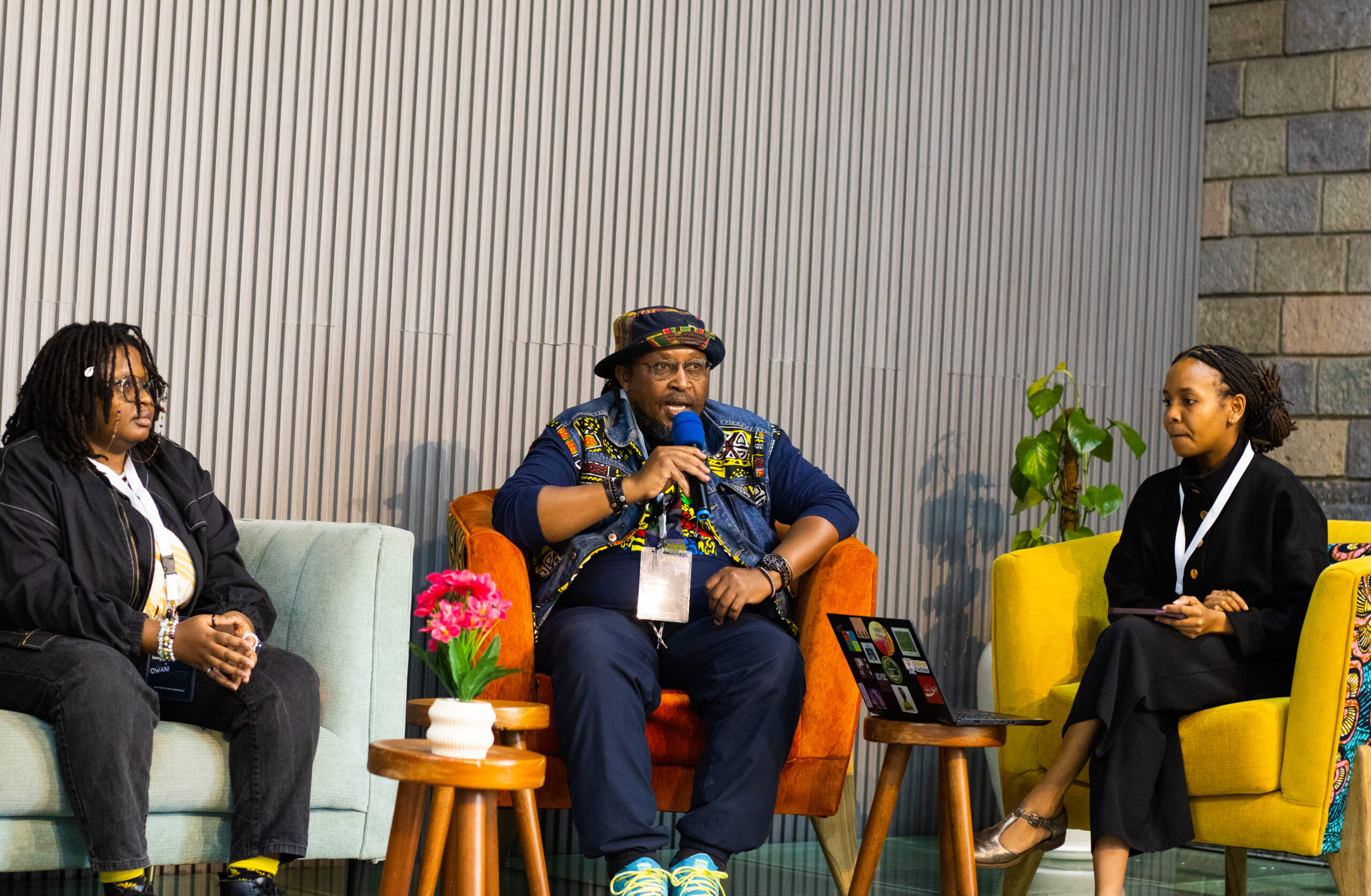
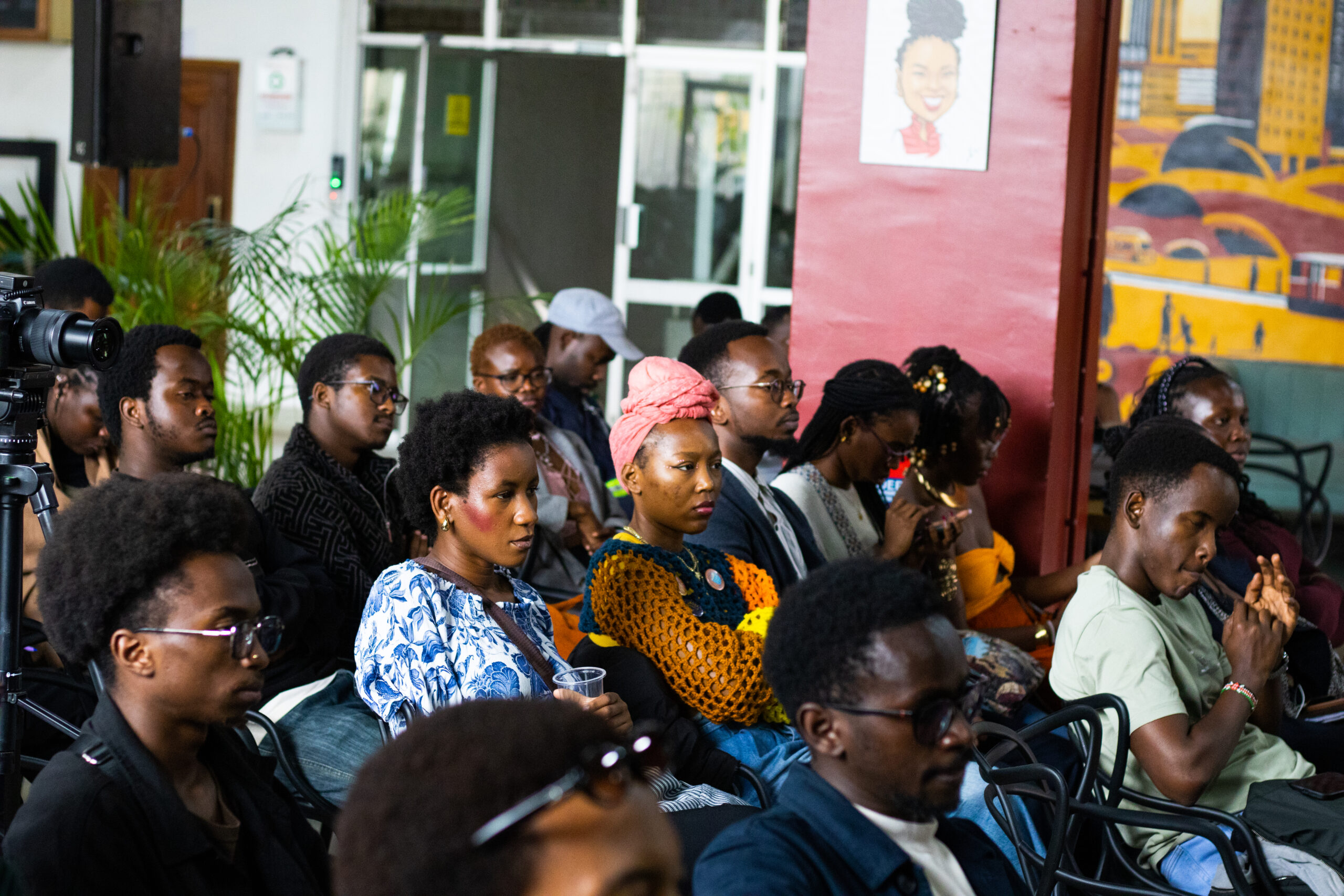
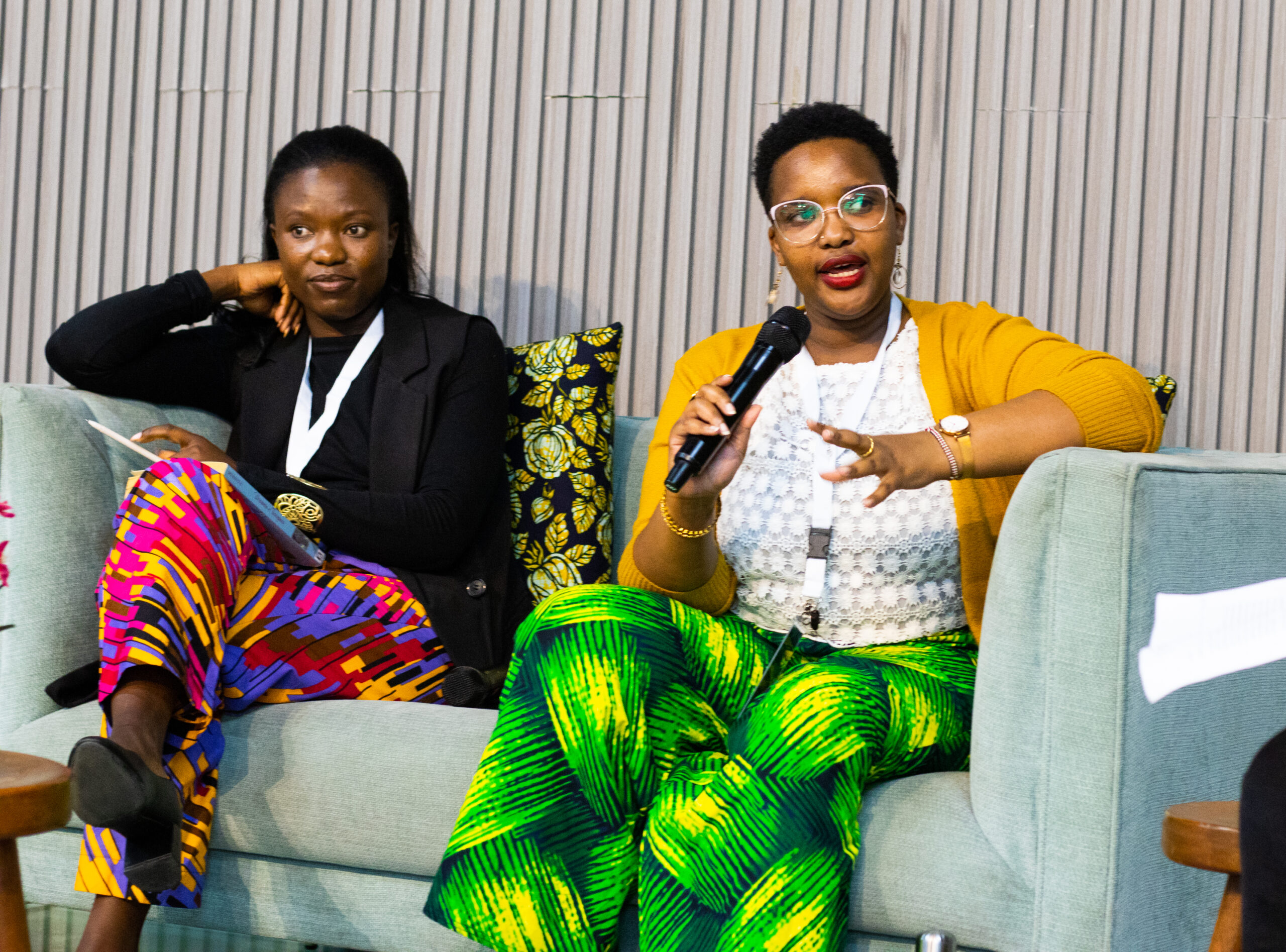
That range was on full display across the festival’s three panels, all drawing strong turnout in a room set up for close to 200 attendees, with Asande Gumbe emceeing the day. The first, “New Themes in Modern Kenyan Writing,” was moderated by Eric Rugara and brought together The Continent editor-in-chief Christine Mungai, Kenyan Readathon founder Lexa Lubanga, and Will This Be A Problem? co-founder Olivia Kidula for a conversation tracing the arc of Kenyan writing from past to present. One notable thread explored the “stickability” of today’s writers against earlier generations, weighed against the far broader opportunities now available to them.
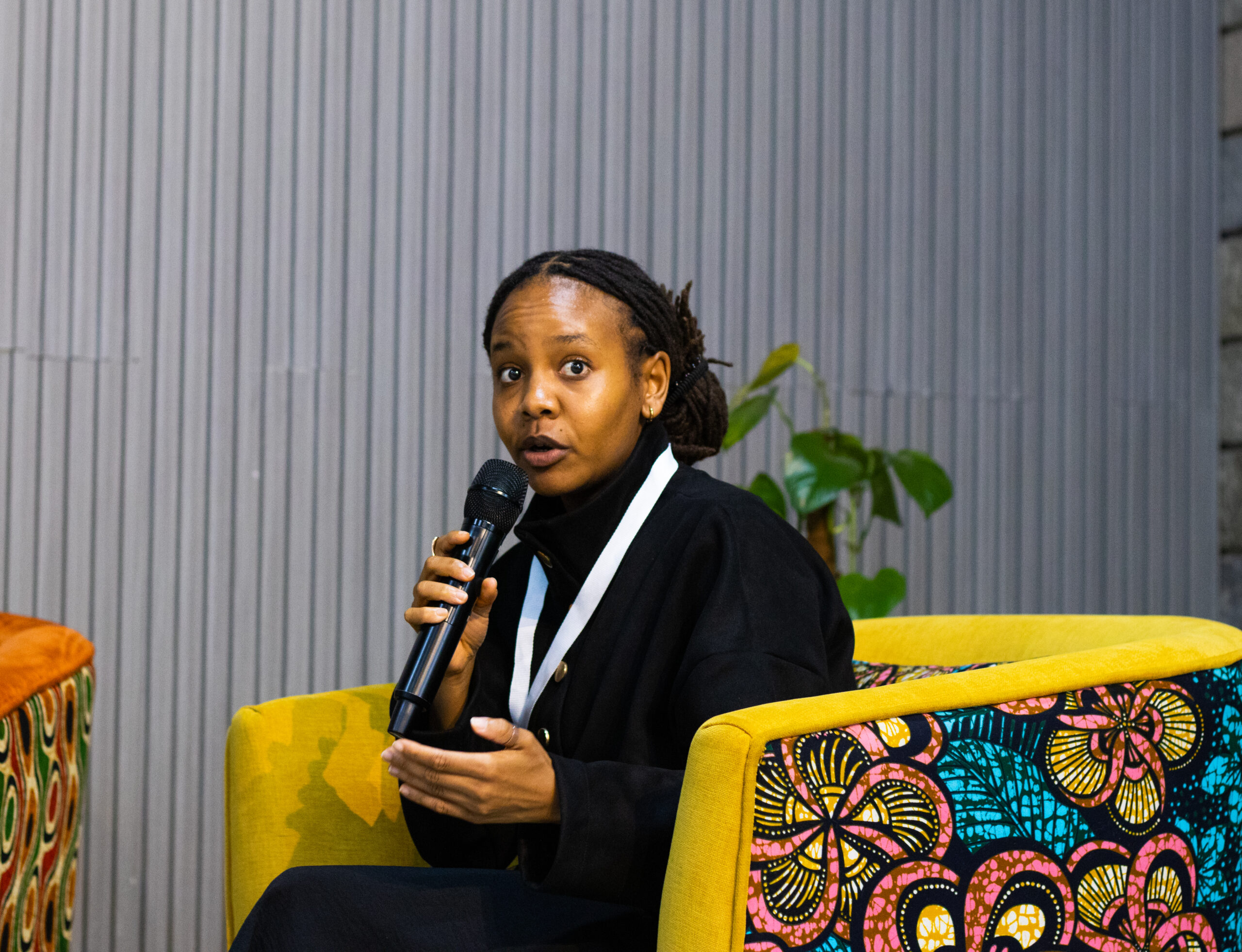
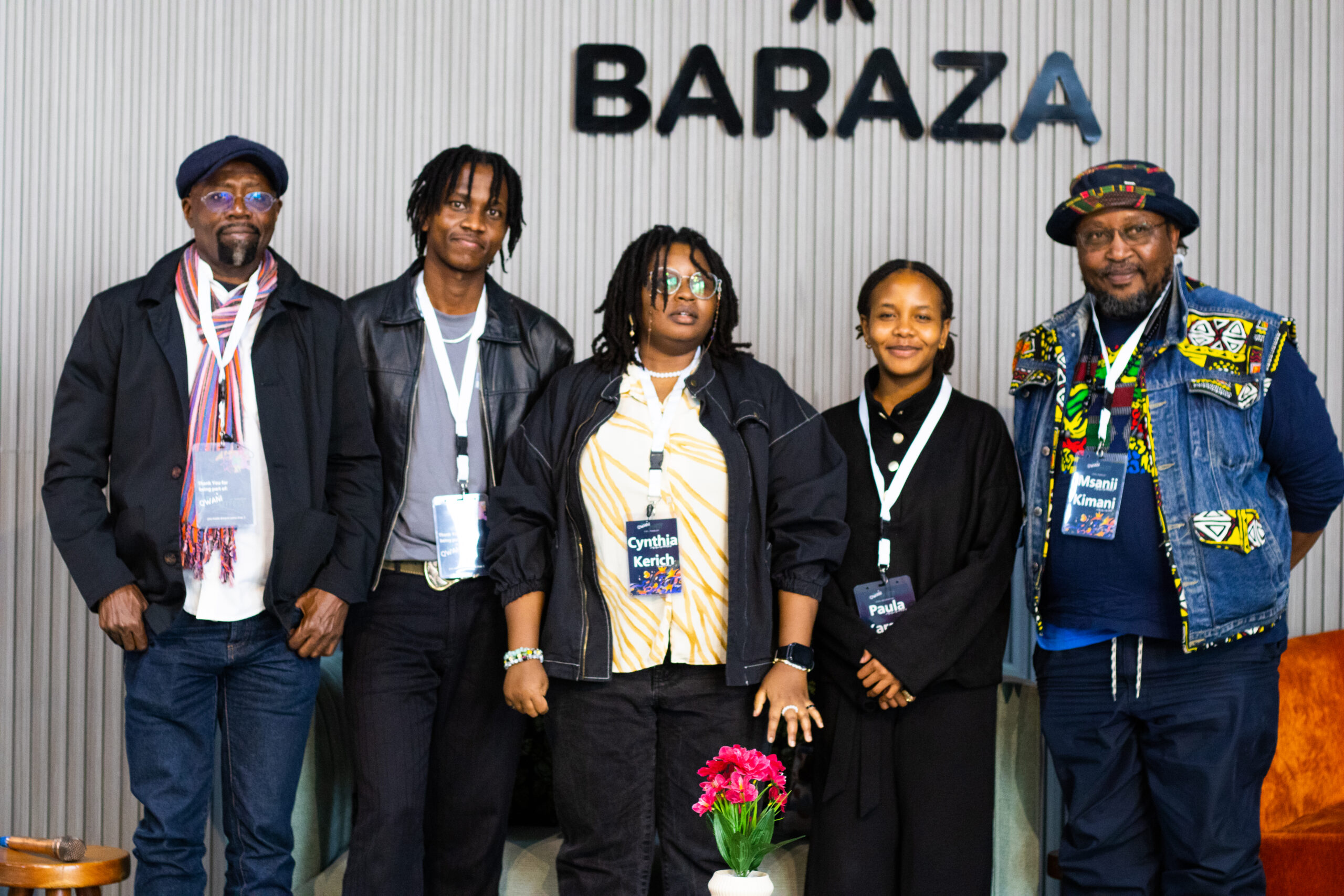
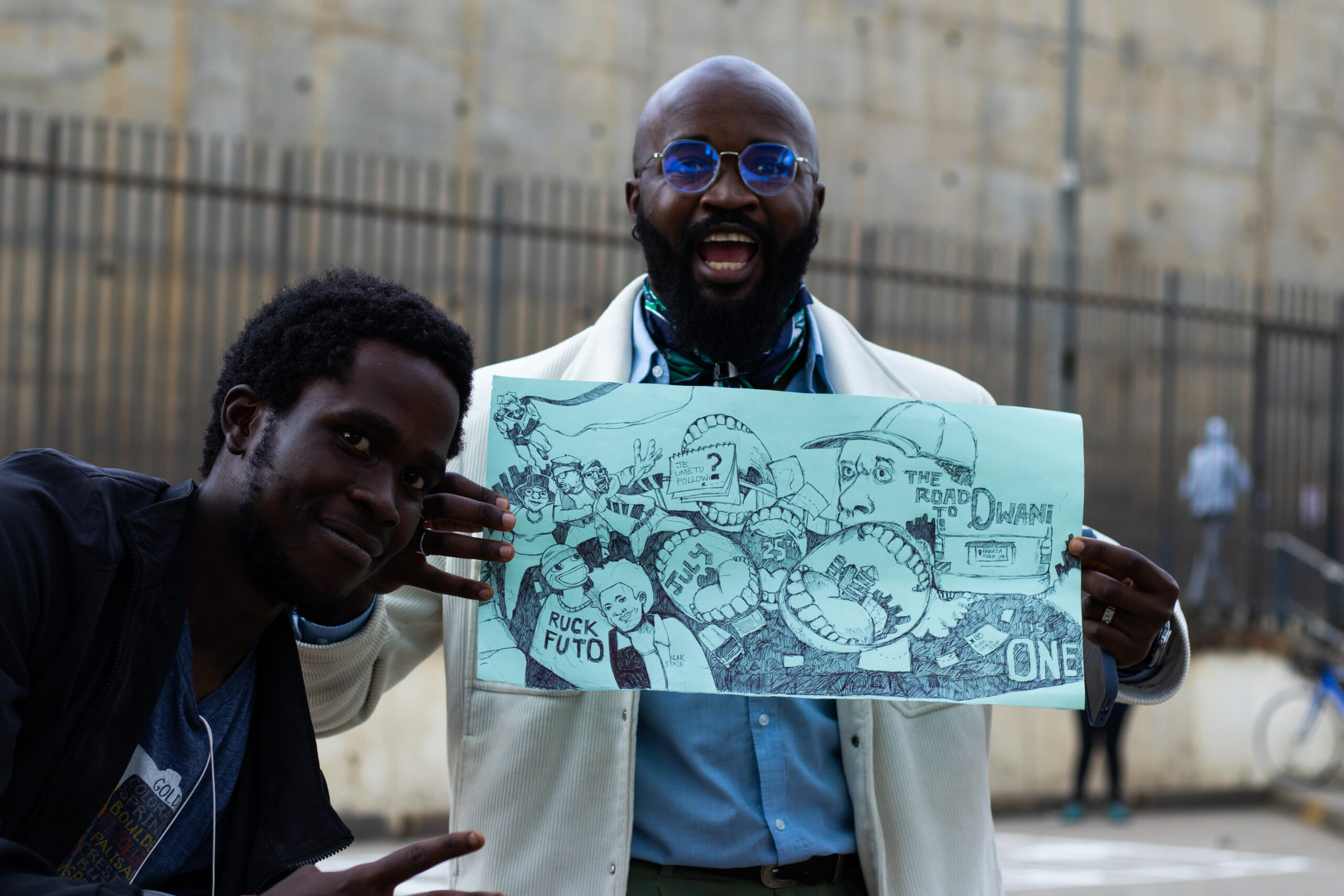
The second panel, “Illustrations as Literature,” moderated by animation filmmaker and lecturer Paula Karanja, paired veteran voices with rising ones — political cartoonist Gado and arts journalist Msanii Kimani wa Wanjiru speaking to the medium’s history, alongside comics artist Cynthia Kerich and illustrator-filmmaker Jamie K. Tindi representing current practice. The day closed with “The Role of the Literary Critic,” moderated by Kisumu-based writer and editor Akal Moha, featuring publisher Michelle Chepchumba Korir, Qwani editor and poet Sheila Ngei, and critic Verah Omwocha. This was reportedly the liveliest session of the day, with panellists sparring over the critic’s true role in both craft and sales, offering a rare glimpse into how some of the field’s sharpest minds actually see their own function.
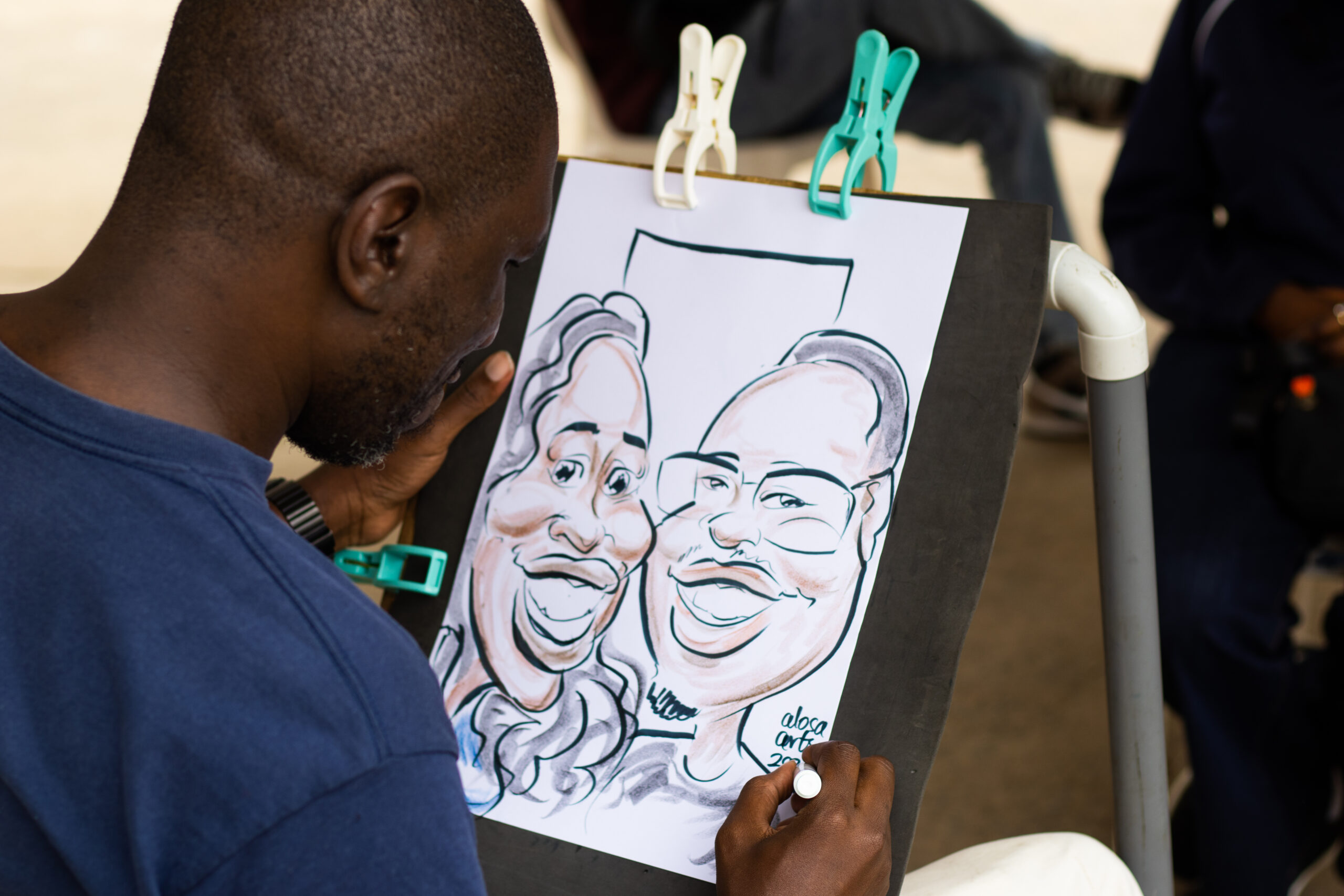
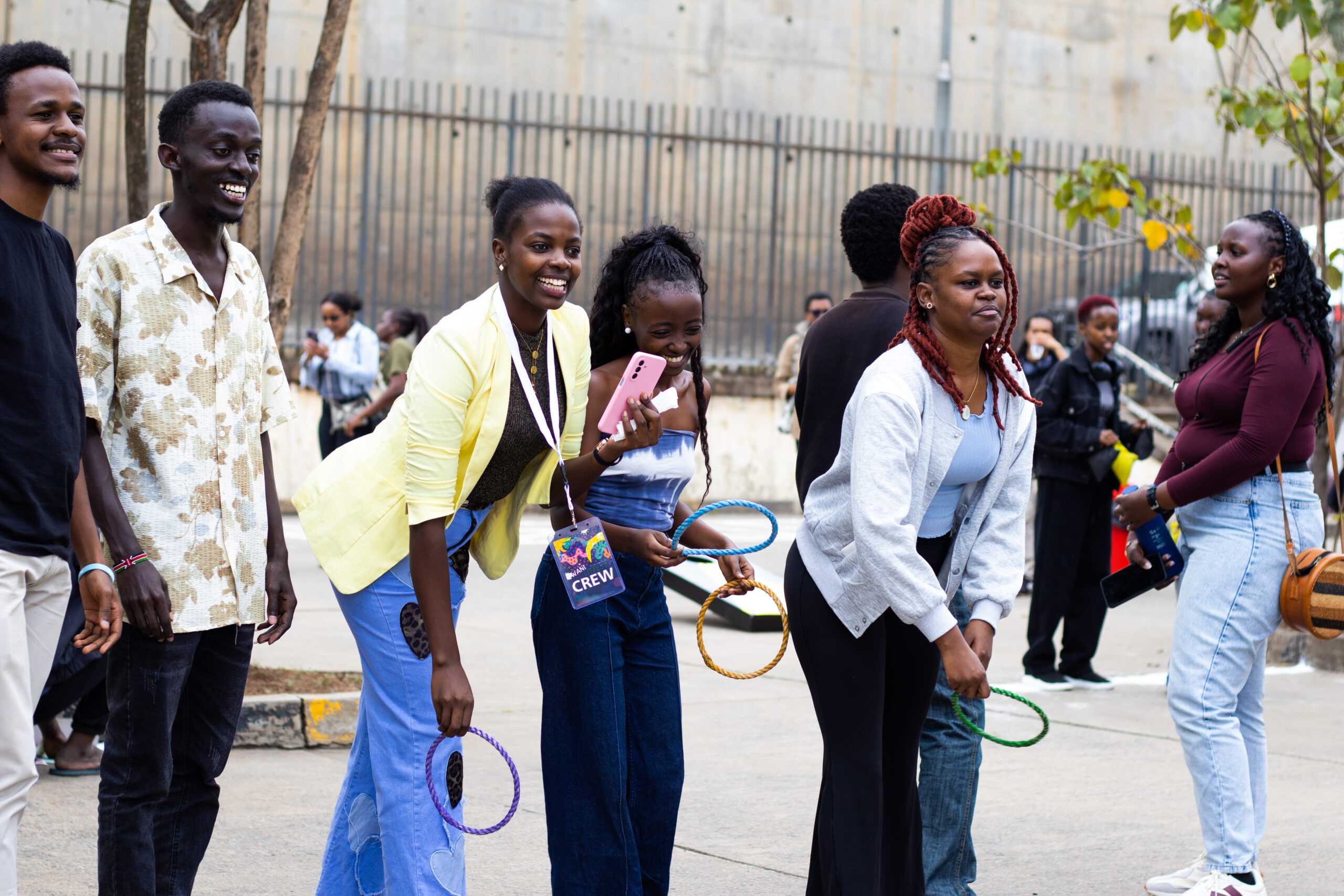
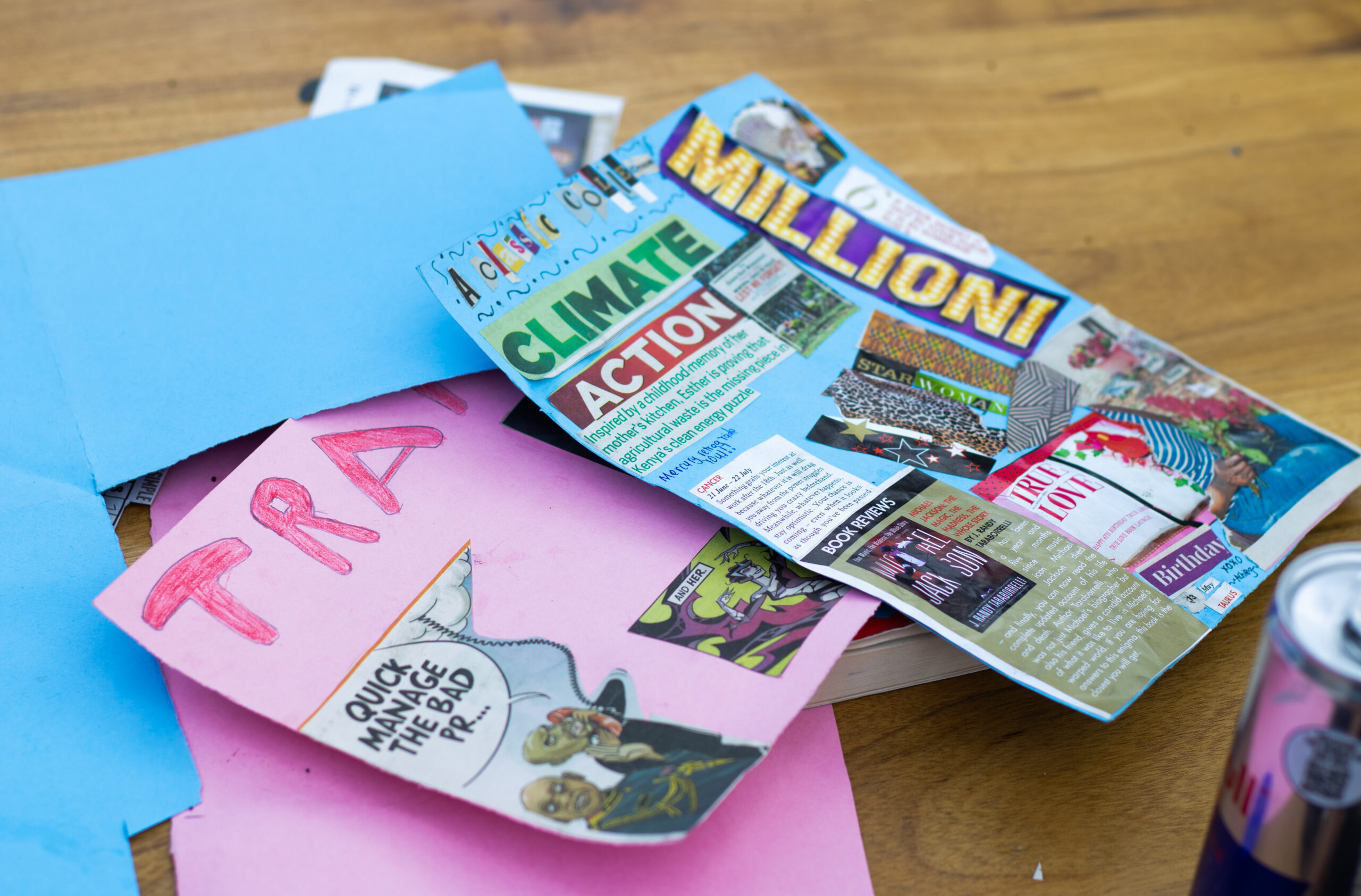
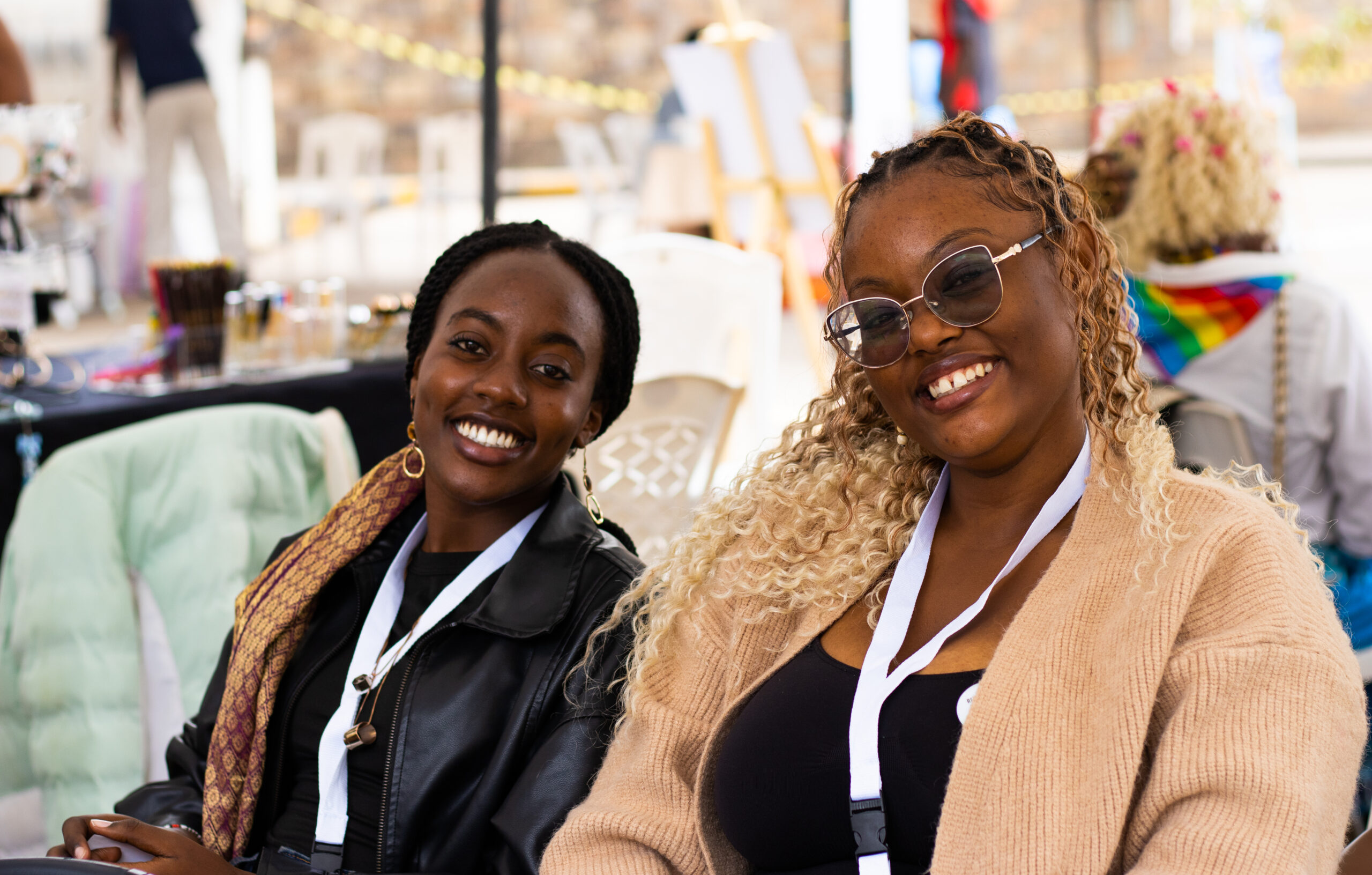
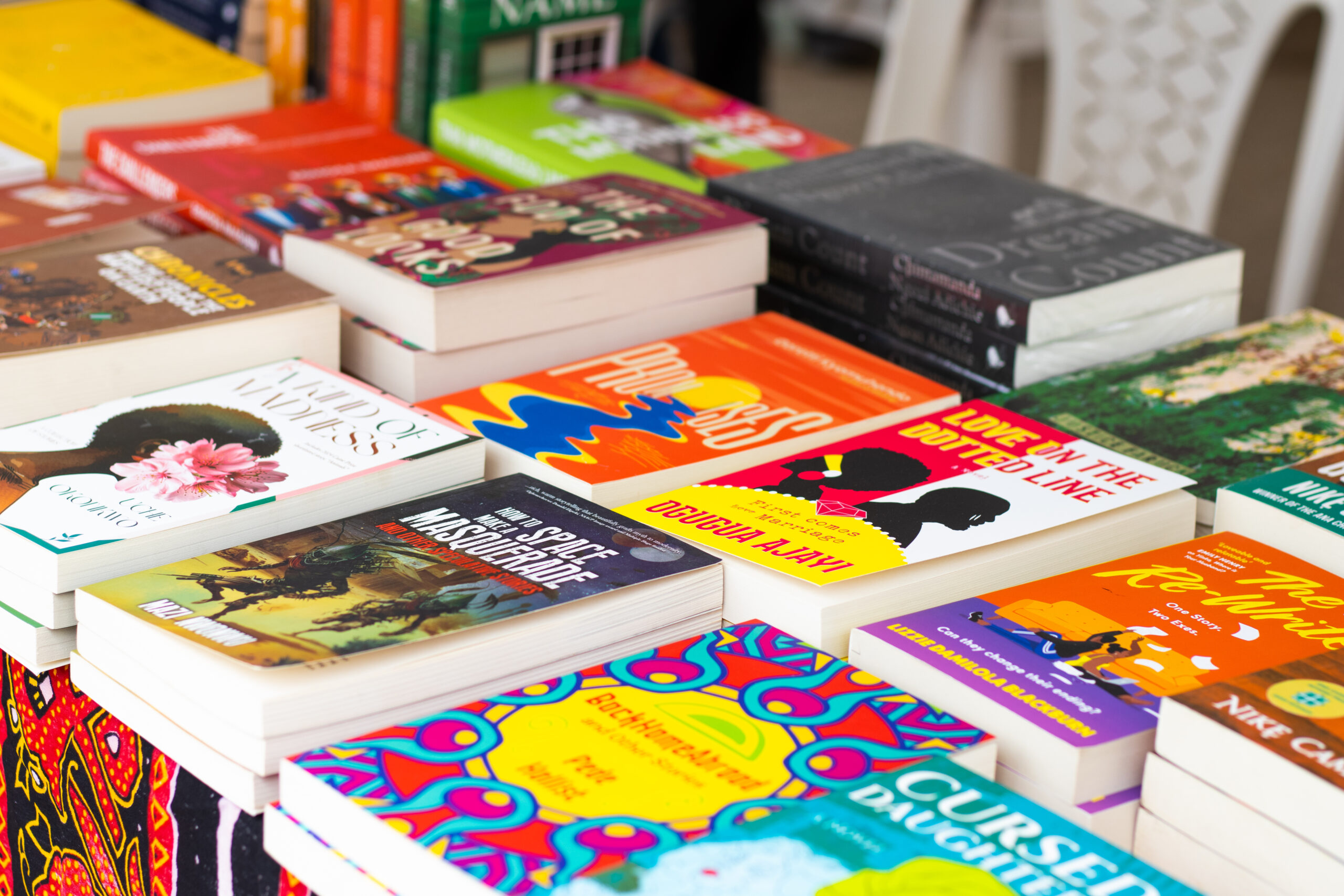
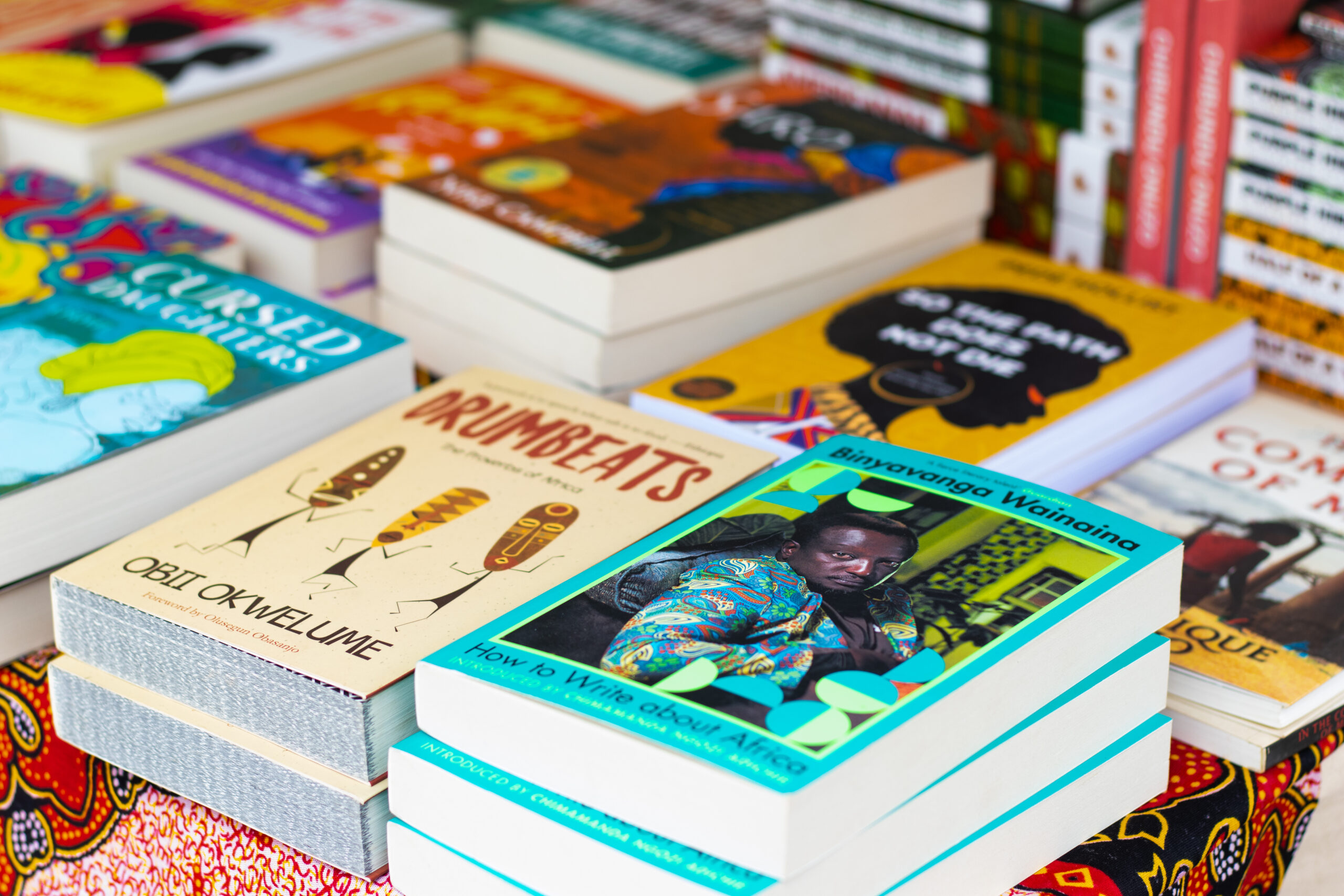
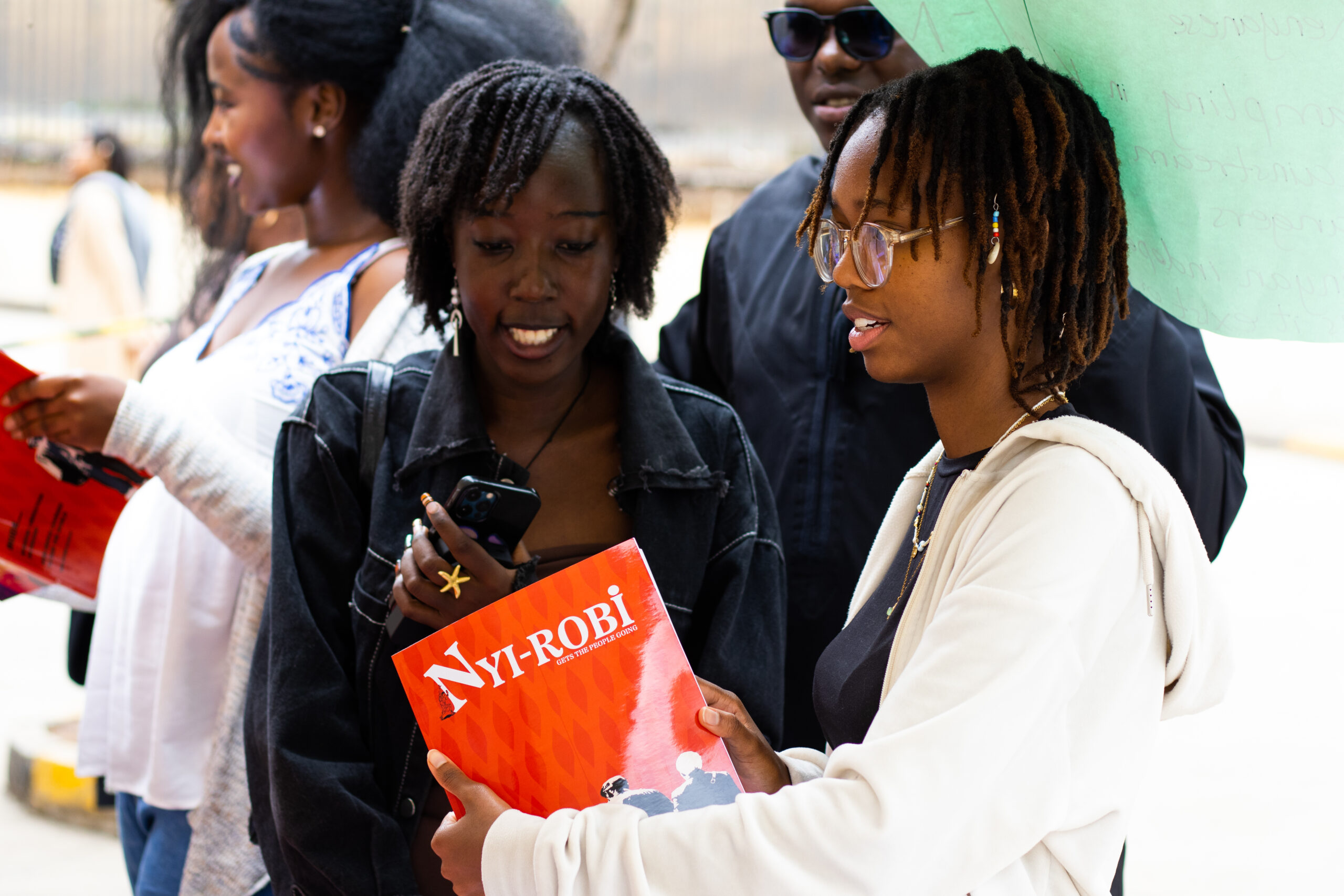
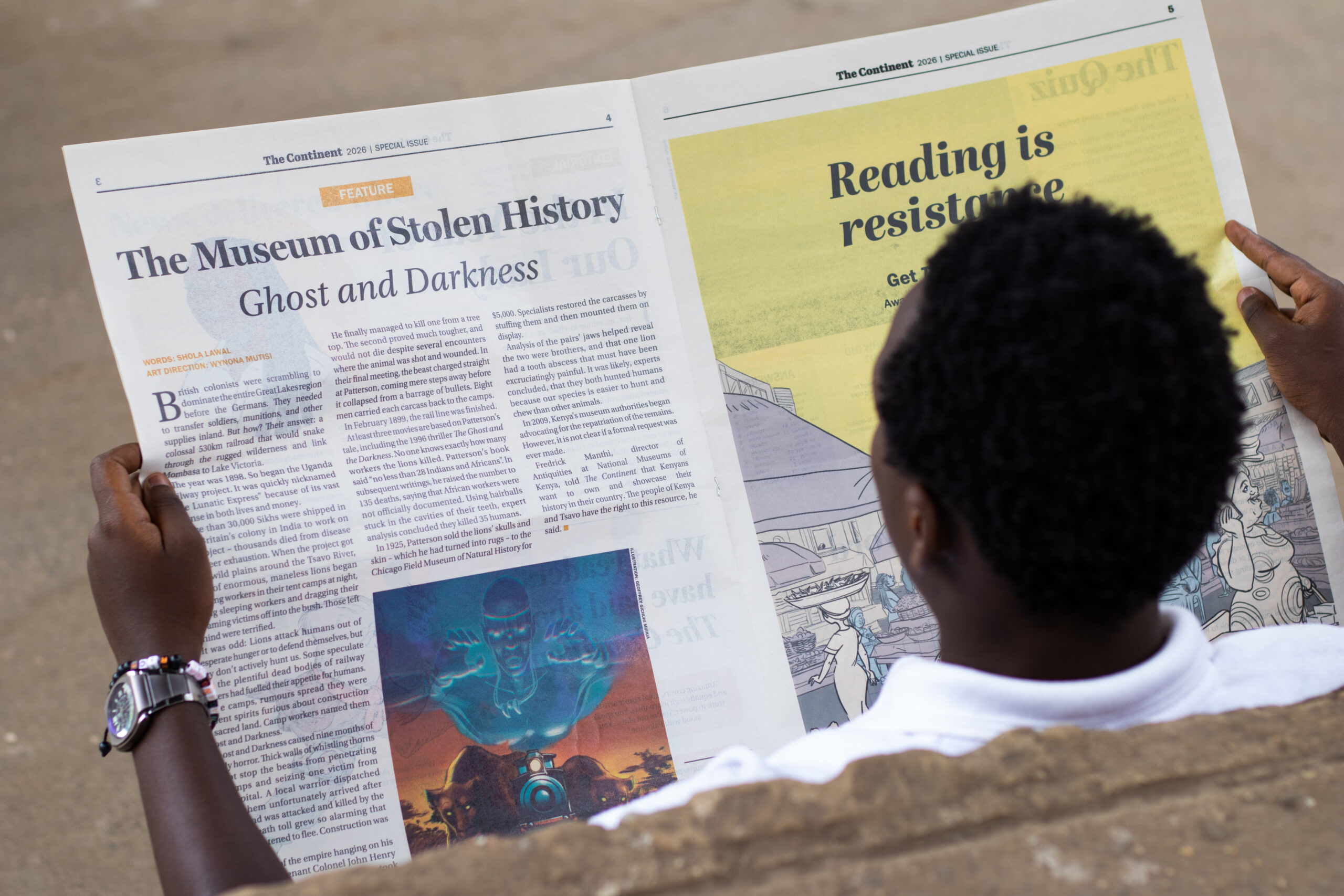
Beyond the panels, the festival made room for performance and play. Poetry, spoken-word, and music sets from Sanchez Marley Ombasa and Mugambi filled out the programme, while the courtyard buzzed with a book sale from Nuria Books, caricature portraits, face painting, a poetry salon, a zine-making station, a reading nook, and a vendors’ market stocked with jewellery, clothing, perfumes, and more.
Full recap via Writing Africa. Scroll down for photos from the day. Photo Credit: Winstone Odhiambo.




COMMENTS -
Reader Interactions