

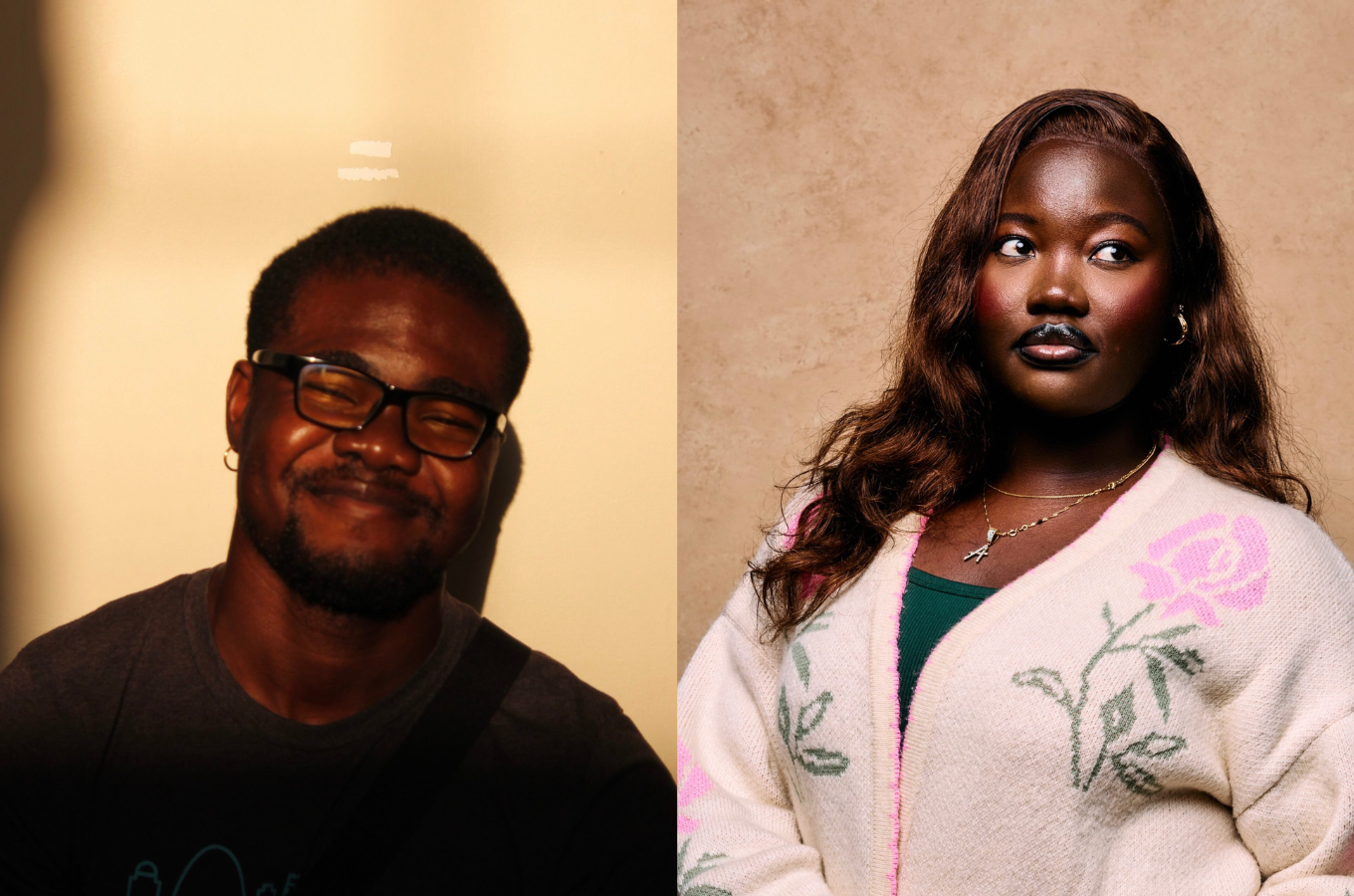
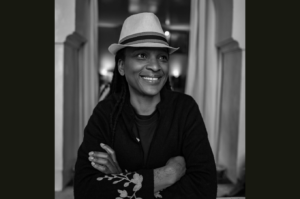
Anyang Kual Ayai and David Emeka are among the ten writers selected for the National Book Critics Circle’s 2026-2027 Emerging Critics class. The one-year fellowship, according to the NBCC, aims to identify, nurture, and support the next generation of book critics.
Ayai is a South Sudanese American writer raised between Nigeria and Tennessee. A Columbia University graduate, she is now a Nonfiction MFA candidate at the Columbia School of the Arts. Her work, per her NBCC bio, interrogates the effects of displacement and transcultural upbringing, and her criticism applies a postcolonial framework to document and theorize the experiences of dislocated diasporic Africans in contemporary culture. She lives in New York City and is working on a collection of essays about African musics.
Emeka is a Nigerian writer and a graduate of the MFA programme at Washington University in St. Louis. His work has been published in Isele, Adroit Journal, Epiphany Magazine, Brittle Paper and Republic Journal, among others, and has received support from Tin House and The Outpost Foundation. He is working on a novel and a story collection.
Founded in 1974 at the Algonquin Hotel in New York by John Leonard, Nona Balakian, and Ivan Sandrof, the NBCC has more than 800 members, from critics and authors to literary bloggers and publishing professionals. It is best known for its annual awards, presented each March in autobiography, biography, criticism, fiction, nonfiction, and poetry, which the organisation describes as the only national literary awards chosen by critics themselves. It also gives the John Leonard Prize for a first book, the Gregg Barrios Book in Translation Prize, the Toni Morrison Achievement Award, and the Ivan Sandrof Lifetime Achievement Award. Its weekly newsletter, Critical Notes, carries member reviews, interviews, and literary events news.
The fellowship is built around mentorship and community. Over the year, fellows receive one-on-one mentorship from NBCC board members, small-group Q&As with board members, and craft and professional development lectures over Zoom. They also get a year of dues-free NBCC membership, admission to its events, and an invitation to its annual reception. The programme describes itself as a cohort model, in which critical thought grows through dialogue among critics with shared interests, and fellows are expected to take part in virtual workshops and gatherings and to stay in regular contact with mentors and peers.
The NBCC says the fellowship seeks to lower financial and geographic barriers and encourages applications from BIPOC and LGBTQIA+ critics, critics with disabilities, and critics from historically resilient communities. Applicants need not be U.S. citizens or permanent residents. The full cohort is listed on the NBCC website.



COMMENTS -
Reader Interactions