

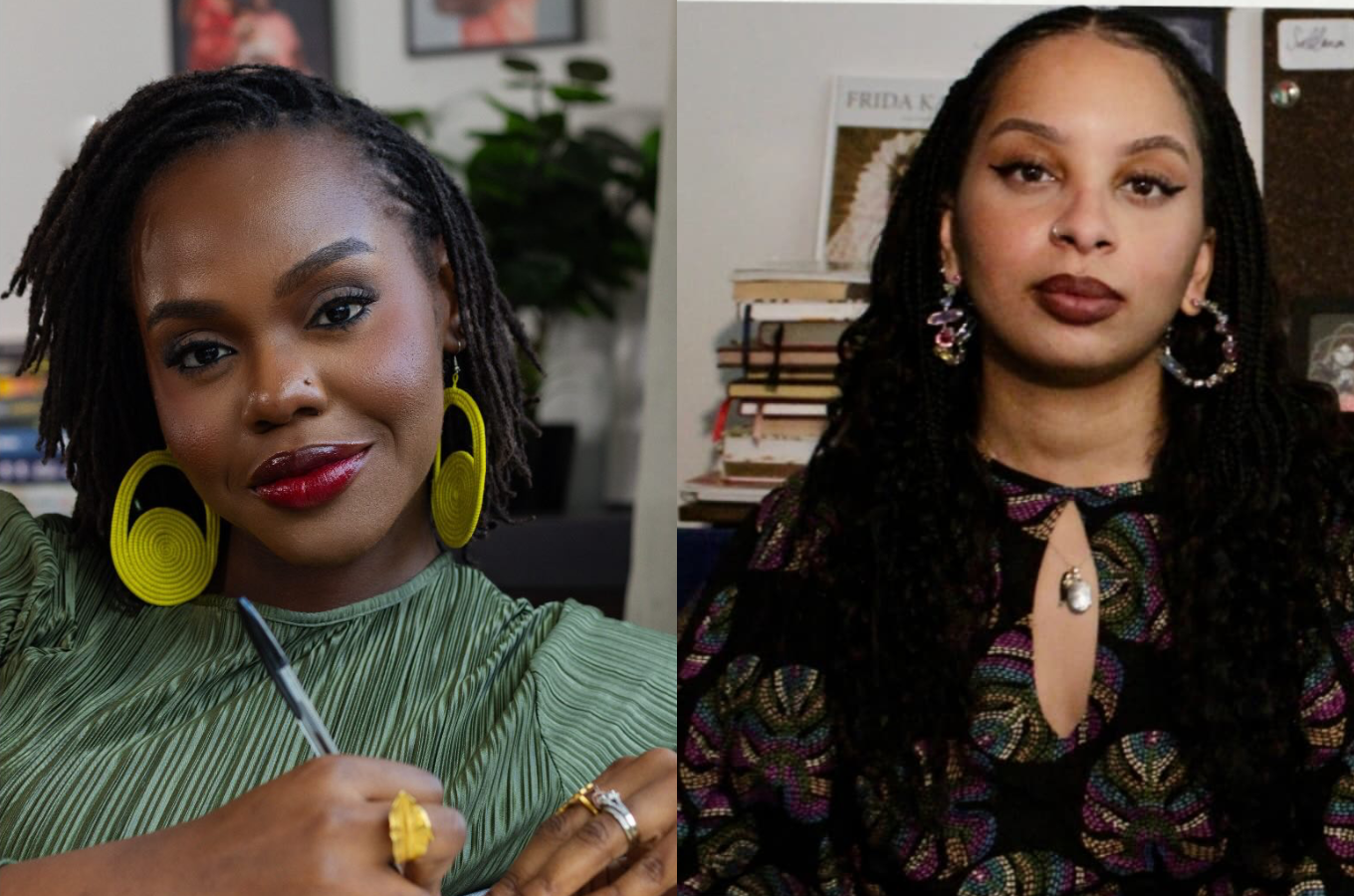
The shortlist for the 2026 4thWrite Prize, which marks its 10th anniversary this year, is out. Run by the publisher 4th Estate in association with the Guardian, the prize is a short story competition for unpublished writers of colour aged 18 and over who live in the UK or Ireland. Two of the six shortlisted writers are Nigerian: Ope Adedeji, shortlisted for “Omugwo,” and Svetlana Chigozie Onye, shortlisted for “London 2060.”
The winner receives £1,000, a one-day publishing workshop at 4th Estate, and publication of their story on the Guardian website. The winner will be announced at a prize ceremony in London in October. The Guardian’s report on the shortlist describes the stories as offering “a whole world in a few pages.”
In Ope Adedeji’s “Omugwo,” Madam Déire is convinced that her newborn granddaughter is the reincarnation of her sister Bétikú, who drowned at Brighton Beach years ago. While caring for the baby, she swings between enjoying the time with Bétikú and fearing history will repeat itself. When she asks her daughter, Lola, to perform traditional rites to keep the baby tethered to this world, Lola refuses, insisting her daughter is not her dead aunt. Madam Déire must find a way, no matter who or what it costs her.
Adedeji is a Nigerian lawyer, editor, and writer based in London. She is also a familiar name to Brittle Paper readers. She won the 2019 Brittle Paper Award for Fiction for her speculative horror story “After the Birds,” and that story went on to be named a finalist for the 2020 US National Magazine Awards. She completed her MA in Creative Writing at the University of East Anglia as a Booker Prize Scholar, was a recipient of the 2022 Miles Morland Scholarship, and has been published in Lolwe, McSweeney’s Quarterly, Inque Magazine, and The Republic.
Svetlana Chigozie Onye’s “London 2060” is set in a Britain transformed by severe heat and drought, where food, water, and medicine are controlled through a national rationing system amid a global resource war. Damien Carthy, a timid Water Ration Officer, spends his days collecting ration chips from civilians who increasingly see officers like him as traitors. After a personal tragedy, he discovers an unregistered family surviving outside the rationing system with the help of a centuries-old diary, and he is forced to ask whether the greatest threat to survival is scarcity or the system built in its name.
Onye is a Nigerian-British writer, journalist, and climate educator. Her work explores memory, belonging, and the relationship between people and the worlds they inherit. She was selected for the Writers on the Rise Programme, supported by the Black British Book Festival and Pan Macmillan, and her poetry was shortlisted for the Heroica Prize. Her journalism has appeared in The Guardian, Carbon Brief, Shado Mag, and SCREENSHOT. She is Interim Executive Director of SustyVibes and leads The Eco-Anxiety Africa Project, which explores the mental health effects of climate change across Africa. She is working on her debut novel.
This year’s judges are Kamila Shamsie, Chanté Joseph, Sanam Mahloudji, Emma Paterson, Kishani Widyaratna, and Ella Creamer, joined by guest judge Gurnaik Johal, a 4thWrite alumnus who was shortlisted in 2018. Previous longlisted and shortlisted writers include Bolu Babalola, author of Love in Colour and Honey & Spice. Last year’s winner was Piyumi Kapugeekiyana for “The Original Is Not Here.”
Congratulations to Ope and Svetlana. We’re rooting for you!



COMMENTS -
Reader Interactions