

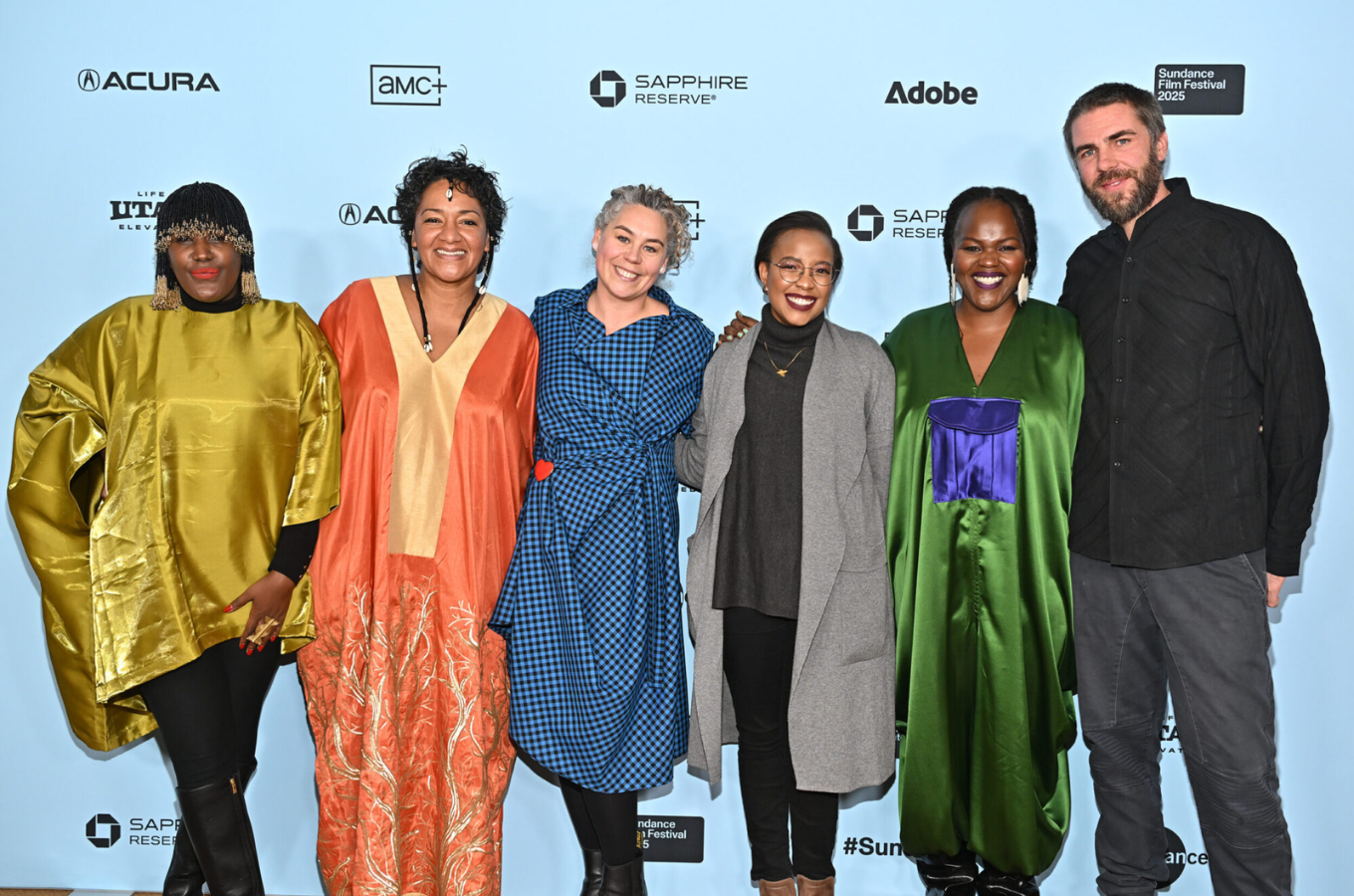
In 2017, author Wanjiru Koinange and publisher Angela Wachuka signed a five-year contract with the Nairobi City County government to restore three historic libraries—the McMillan Memorial Library and its two satellite branches, Makadara and Kaloleni.
It was an audacious proposition: take colonial-era buildings that were whites-only until 1958, strip away decades of neglect and ideological rot, and turn them into the kind of community spaces the city desperately needed. The documentary How to Build a Library, directed by Maia Lekow and Christopher King and filmed over eight years, tracks this project with the clear-eyed attention it deserves. What emerges is a portrait of institutional transformation that refuses to minimize the difficulty of the work.
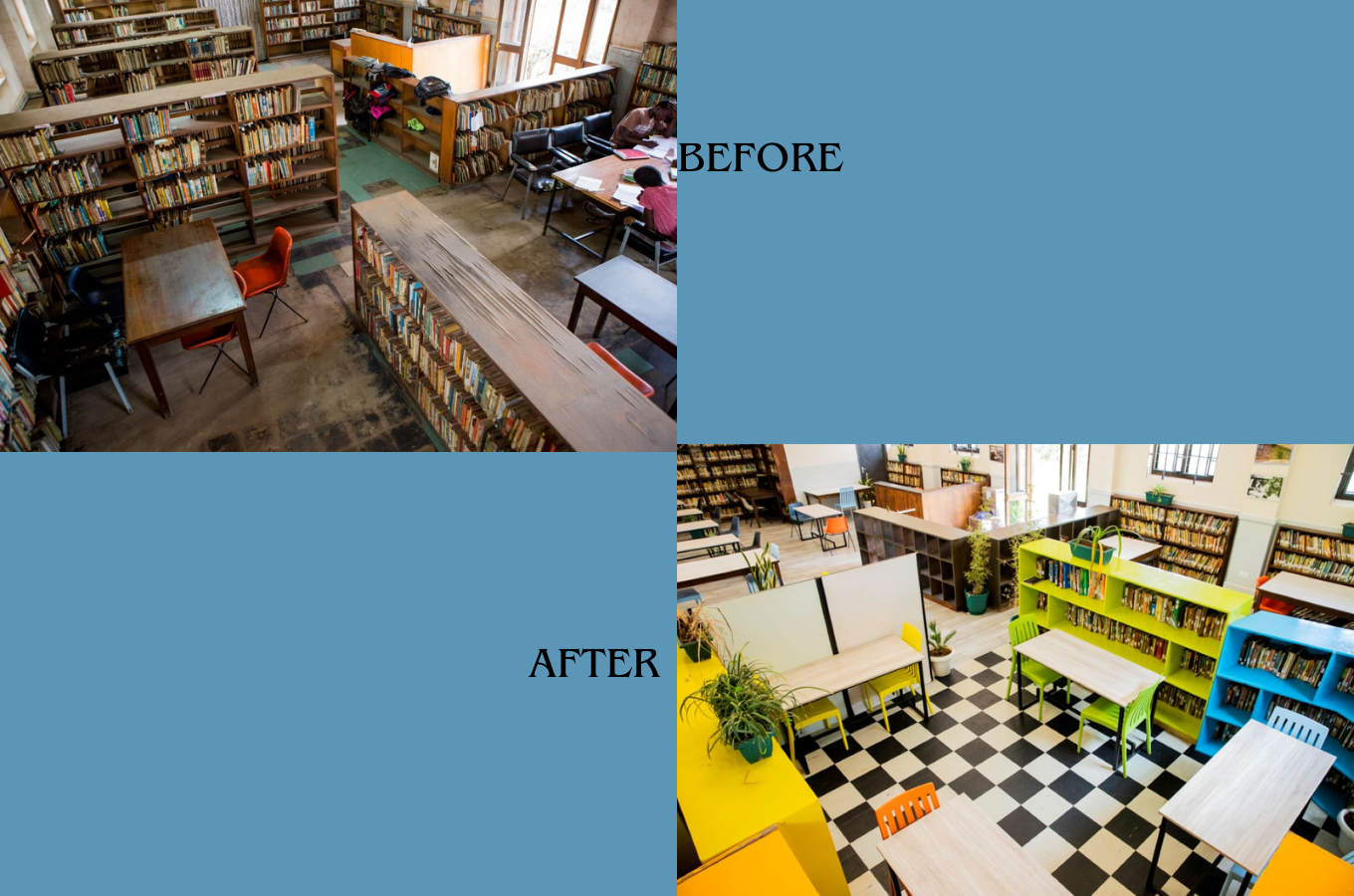
The Kaloleni Library, which opened in the late 1960s and sits at the heart of the Kaloleni neighborhood, presented particular challenges. The building itself dates to the 1800s, constructed by Italian prisoners of war, and had served as a venue where some of Kenya’s founding documents were drafted. By the time Book Bunk, the nonprofit Koinange and Wachuka founded, got involved, the structure was in serious disrepair, the book collection remained dominated by British colonial perspectives, and the Dewey Decimal classification system couldn’t accommodate African languages or literature. Restoration work wrapped in June 2020, turning Kaloleni into a functioning cultural hub with programming shaped by community input, open weekdays and Saturdays, hosting film screenings, storytelling sessions, and arts events in the attached social hall. It’s the smallest of the McMillan branches, serving primarily primary school-age children, but the scope of what was accomplished shouldn’t be understated.
The documentary captures the friction inherent in this kind of institutional overhaul—parents outraged at discovering the colonial book selection, library administrators resistant to changing classification systems, bureaucratic delays with contract approvals and fundraising shortfalls. Koinange and Wachuka weren’t just renovating buildings; they were negotiating what it means to decolonize a public institution while working within government structures that still carry colonial imprints. One of their early battles was with a library administrator who insisted on maintaining the original Dewey Decimal system, which effectively meant maintaining the hierarchies that system encoded. The film doesn’t shy away from showing how exhausting this work is, how progress comes in increments measured against constant resistance.
The Makadara branch (also called Eastlands Library) opened in the late 1960s and serves young adults near government offices and a law court. Restoration completed in July 2021, making it the first of the three libraries to reopen with updated programming and collections. The McMillan Memorial Library itself, built in 1931 as Kenya’s second-oldest library, remains in progress—funding has been partially secured but construction hasn’t begun. Lekow and King’s decision to include politicians in the film was risky, potentially jeopardizing future funding, but it reflects a commitment to documenting the full complexity of civic infrastructure projects rather than producing sanitized promotional material.
How to Build a Library premiered at Sundance Film Festival 2025 and has since collected awards at multiple international festivals, including the Golden Alexander at Thessaloniki Doc Fest and Best Feature Documentary at Wilmington IFF. The film’s festival success matters less than what Koinange, Wachuka, and the Book Bunk team have actually built—three libraries in various stages of operation, serving communities that have been systematically denied access to quality public space and resources. The work continues beyond the documentary’s frame: fundraising for McMillan Memorial is ongoing, programming at Kaloleni and Makadara needs sustained support, and the challenge of maintaining these spaces as genuine community hubs rather than letting them slide back into neglect remains constant. What Book Bunk has proven is that reclaiming colonial infrastructure for public good is possible but never simple, requiring equal parts vision, tenacity, and willingness to fight bureaucracy at every turn. The libraries stand as evidence that transformation happens through sustained institutional labor.

COMMENTS -
Reader Interactions