
 The fluorescent lights flickered overhead, casting an odd, sterile glow over the small, dimly lit hospital ward. The room smelled of antiseptic, sweat, and fear. She lay on the small metal bed, her body tense, clutching the thin, scratchy sheets beneath her.
Her breathing came in shallow gasps, and beads of sweat collected on her brow and slipped down her temples. The ache in her lower back had become fiercer, digging deep into her marrow and refusing to let go. They had told her to breathe, but breathing seemed pointless when the pain took hold of her body in waves. The contractions ripped through her, unrelenting, as if her insides were being wrung out like an old rag. Each one felt like it was pulling her apart from the inside, leaving her trembling and gripping the bed frame.
She tried to focus on the cool metal beneath her fingers, anything to distract from the chaos happening in her abdomen, but it was no use. The pain was too much. The nurses bustled around the maternity ward, rubber-soled shoes squeaking against the cold tile floor. They wore pale blue uniforms and uniform frowns of mild annoyance, like they’d seen this a thousand times before and weren’t particularly impressed by it now. There was no time for that in this small-town hospital, not for the young women who came in, swollen and terrified, and left clutching newborns to their chests with the weight of the world already heavy on their shoulders.
She glanced at the old clock set high up on the wall. Time seemed to move strangely here; sometimes fast, sometimes unbearably slow. Each bastard minute dragged on, yet it felt like the hours were slipping through her fingers, like sand she couldn’t grasp. Her legs were heavy, her stomach tighter than she’d ever known it could be, the tension building and building until she thought she might burst.
“Almost there,” a nurse muttered without looking her in the eye, then turned around and stalked off to spirits knew where. Almost there? What did that even mean? She wanted to laugh at the absurdity of it. Almost where? She had been in this suffocating place for what felt like a lifetime. The walls seemed to close in on her, the sounds of other women’s moans and cries drifting down the ward, reminding her she was not alone in this agony.
She turned her head to the window, where the early morning light filtered through the flimsy government curtains, casting a pale yellow glow across the room. The sun was rising – another day was dawning. A day when everything would change, and nothing would ever be the same again. She felt a wave of panic. Was she ready for this? Was anyone ever ready for this?
The nurse returned, this time with a matron in tow. The matron was older, with greying hair and a gentler scowl than the others. Her hands were quick and clinical. She glanced up, a brief flicker of acknowledgement, before focusing on the matter at hand. “Push,” she said, her voice flat, emotionless. Push? She had nothing left to give. She was exhausted, her limbs felt like lead, and her chest heaved with effort. But she pushed anyway, because there was no other choice, because the pain demanded it, because life was forcing her to.
With every push, the pressure built, a fiery ring that felt like it would never end. Her muscles strained, and her body burned from the effort. She could feel the shift, the movement, the inevitability of what was happening. There was a
strange, animalistic sound in the room, and only after a few moments did she realise it was coming from her.
“Breathe, girl. Keep breathing,” the matron barked, as though breathing was a simple thing. So, she breathed, inhaling ragged gulps then pushing with everything she had. The pain was unbearable, but there was something else there, too, a shift in the room, an anticipation she could almost taste on her tongue. She was on the brink of something monumental, something irreversible.
And then, suddenly, the pressure released. A rush of relief flooded her, but it was short-lived. Then she heard a high-pitched wail, a sound so new, so raw, that it sent a shock through her system. The room fell silent for a moment, but for that wail. The nurse moved with newfound efficiency, and then, without much ceremony, she placed a wriggling, red-faced bundle on her chest. The little body was warm, slippery, fragile. She stared down at the baby, blinking through the haze of exhaustion, and felt the weight of his tiny form settle into her. This was it. This was him. This was the moment that would define everything that came after. Her heart hammered in her chest, and a strange sense of calm began to wash over her, replacing the panic and pain that had gripped her just moments before. The tiny fists flailed, the small mouth opened in another indignant cry, and she couldn’t help but smile through her tears. The overwhelming, bonedeep exhaustion was still there, but something new had arrived as well, something fierce and protective.
The nurse hovered by the bedside, scribbling something on a yellow card on a clipboard, but the rest of the world seemed to fade away. It was just the two of them now, locked in this quiet, intimate moment. She could feel his small and delicate heartbeat against her skin. His cries softened, turning into soft, snuffling sounds as he nestled against her.
She exhaled slowly, letting her head fall back against the thin pillow. The worst was over. What lay ahead, she couldn’t know. But for now, there was a small, fragile life in her arms, and she felt an odd sense of peace for the first time in months.
This little boy, her little boy, had come into the world with a cry, and he would leave his mark on it, that much she knew. She closed her eyes, body sagging with relief, and for a moment, allowed herself to rest, knowing that
everything had changed. The struggle was over now, but a new struggle was just beginning.
—
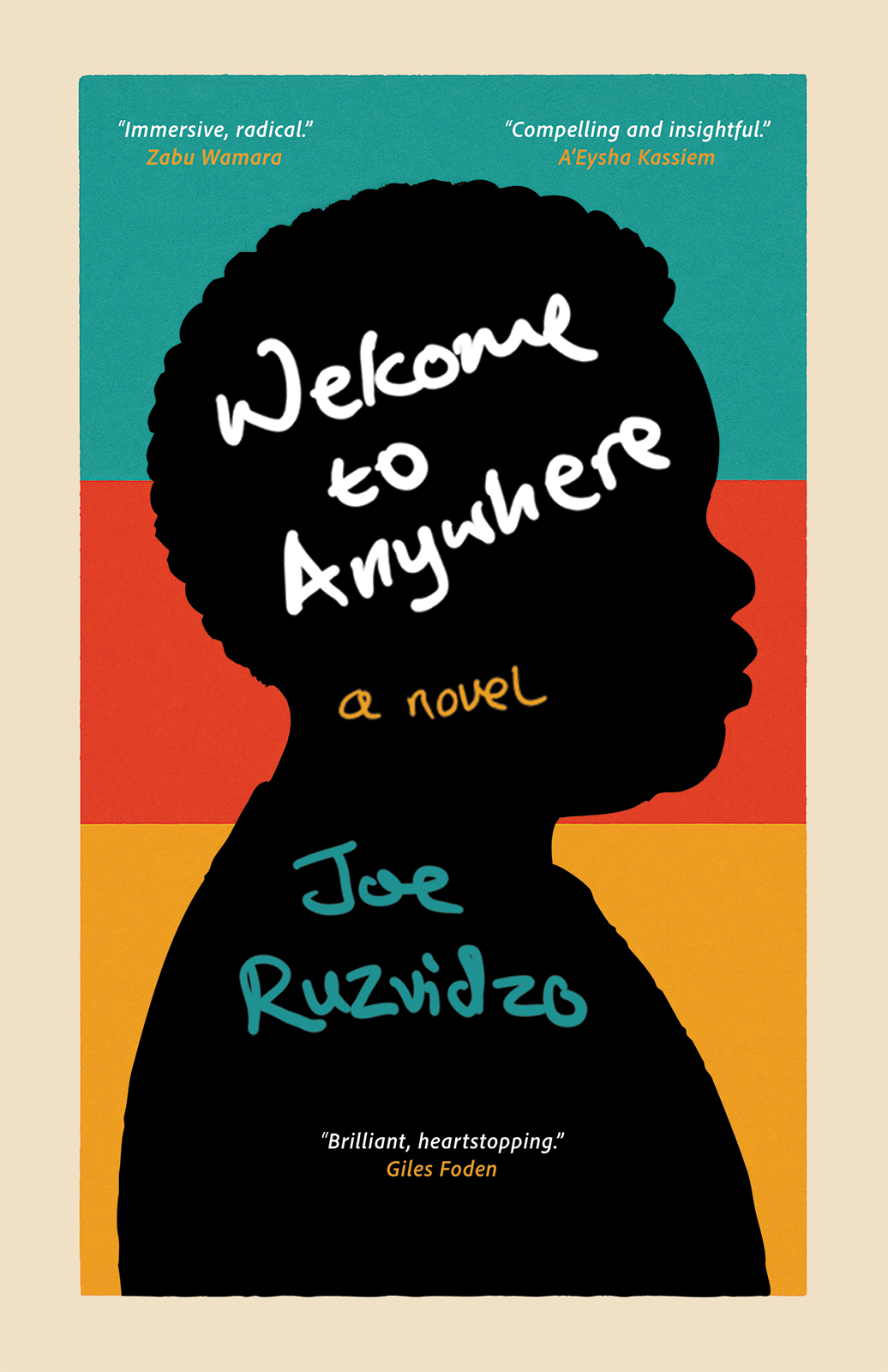
Excerpt from Welcome to Anywhere. Copyright © 2025 by Joe Ruzvidzo.
Order a copy of the book here!



COMMENTS -
Reader Interactions