

“Mobọ́lárìnwá was my big sister,” I begin, my voice barely above a whisper, thick with grief.
“She was apọnbéporé — skin glowing like freshly poured palm oil, eyes the warm brown of roasted kola, eyes from which the sun rose. She was eyínfínjowó — her teeth like the inside of a cracked coconut, neat, white, untouched. Her hair, long and black like tiro, always braided into her favourite ṣùkú alágbagbà. Her waist beads sounded like ṣẹ̀kẹ̀rẹ̀ as she walked. I remember her voice — soft as ripe pawpaw — as we sang ere òṣùpá. I remember how the moon rose in her eyes each time she heard the gan-gan. I remember her dancing to the dùndún, her body wriggling like it was born of rhythm. Her forehead shimmered like the night sky as she showed me how to beat the bàrá. Her lips — God, her lips — were shaped like the heart of joy itself. Her body… her body was art carved by the gods.”
“Miss, please… we need you to censor that. This will air on television.”
I turn to the reporter. Her face looks like a careless mistake. The woman beside her? Like the bumpy back of a soursop. The man behind them with eczema? The short one clinging to a camera bag? None of them — none of them — could have stood beside Bọ́lárìnwá’s oval face and not turned to dust. Her legs were long, shaped like palm trees; her steps, royalty. That one — the one with pale, powdery skin — he was the one Bọ́lárìnwá couldn’t stand. “He looks like death,” she once said. “White like the very thing that enslaved us.” She was right. She always was.
I scan the people around me. Jackets, hats, big English, foreign perfumes. Òyìnbó leftovers wrapped in Nigerian mouths. What do they know about Bọ́lárìnwá? They never saw her cry over white-man food that made her sick. They never listened when she warned that we were being eaten from the inside out — by technology, by fast food, by fashion, by all the things we were told made us ‘better.’ I used to laugh at her — primary four dropout, I thought. But now… now I know she saw clearer than all of us.
“Say something, please. It’ll help the project — #JusticeForBọ́lárìnwá.”
Help? I laugh inside. I look at the woman who started the project. Pink hair. Pierced nose. Crop top that exposes her scarred body like she’s proud of pain. Tattooed arm like graffiti on a broken wall. I feel sick. She’s not fighting for Bọ́lárìnwá. She’s feeding off her death. When the white man’s medicine failed us, where was she? When Bọ́lárìnwá screamed at night, who heard her? Not them. Not the donors. Not the online sympathizers sending “support money.” No one saw her eyes, bloodshot and bulging. No one heard her ask me to rip her waist beads off because the pain made music unbearable. She danced for the gods. But her last dance… her last dance was a shaking mess of pain.
“I’m her father.”
I look at the man who dares to call himself that. Bald. Sunken eyes. Shirt buttoned like his thoughts — crooked. Slippers that scream neglect. A ghost of a man. Our father left us nine years ago. Now he’s back — because there’s money. Because of the project. Because of public sympathy. He was never there — not when we begged for food, not when Bọ́lárìnwá cleaned offices for ₦20,000 and her dignity, her body. Not when the bullet hit her, not when she collapsed beside me, coughing blood, whispering my name.
He was supposed to protect us. Fathers are supposed to shield. Where was his shield when stray bullets from police sliced through her body? Where was he when she begged the sky to hold her one more night?
“It’s not my fault, that’s hospital policy.”
The doctor. The one with the square face, narrow eyes, and a mouth that only opens for money. He looked at her dying and asked for payment. ₦250,000. We had ₦20,000. Twenty thousand naira. The cost of her blood, sweat, humiliation. The money gotten for mockery for not dressing ‘modern,’ for not speaking English well. Money that came with insults and blisters just to keep us breathing. They turned us away. I begged on my knees. I held the doctor’s legs. Her blood touched his white coat. Still, he walked away. As we walked out, a nurse whispered, “Thank God she’s leaving — more space for paying patients.” I heard her. I will never forget.
“I’m her best friend.”
Lies. Her “friend” once stole all we had. Bọ́lárìnwá never trusted anyone again. And now she stands here, shedding crocodile tears, hoping to be seen. But where was she when Bọ́lárìnwá groaned on our mat, when she said the floor was too hard? Where was she when I stuffed our only clothes beneath her, made her a bed of rags? Where was she when Bọ́lárìnwá’s lips cracked and her voice broke into silence?
My mother called last night. “Come live with me,” she said. Now she remembers safety. But she forgot it when she married a man who hated us. She forgot it when she walked away and never looked back. I don’t want your safety now. I don’t want your apologies wrapped in shame. I don’t want your tears soaked in guilt. I don’t want to live where I have no voice. No, thank you. Mother, I used to love you. I used to think Bọ́lárìnwa’s name meant you believed she came with wealth. Now I wonder — did you ever love us? Or were we just the weight you carried until something richer came along?
I look around. At the Facebook Live. At the reporters. At the fraud who claims to be our father. At the liar who calls herself friend. At the activist in her òyìnbó shoes.
They don’t know Bolarinwa. They didn’t know her laughter, her dance, her fire. They didn’t hold her hand when she whispered, “I don’t want to die.”
She was 19. A child. A dreamer.
True justice for Bolarinwa?
It would not be hashtags. It would not be Facebook Lives.
It would be fire. And blood. And reckoning.
Because they — all of them — killed her.
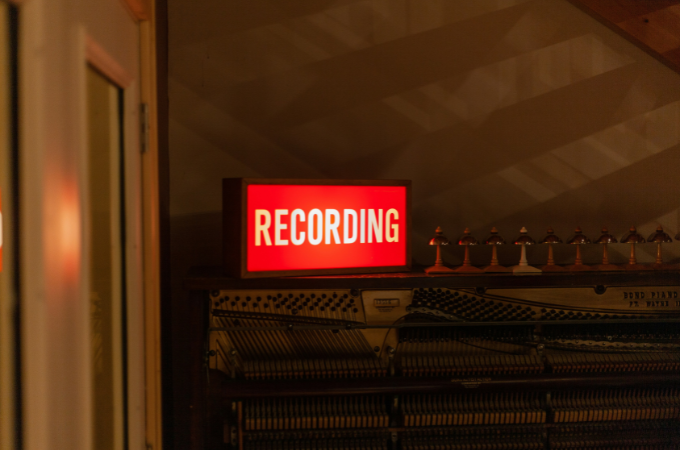
Photo by Lucas Alexander on Unsplash


Naomi Abidemi April 22, 2026 15:58
Thank you, Tómi!