

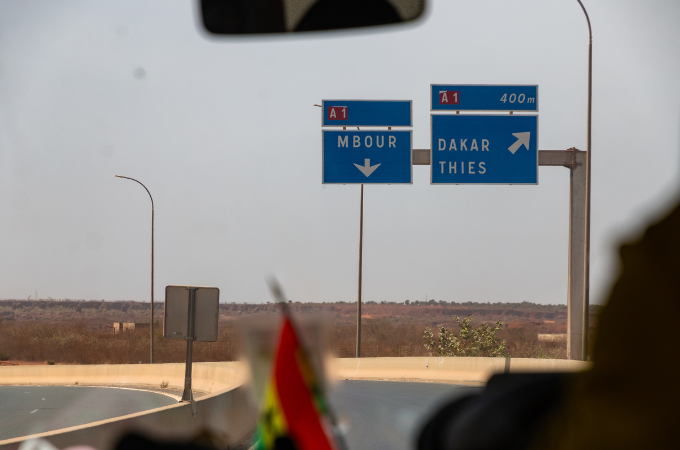
I. The Crossing
From the acacia trees to the scorching heat.
The neem leaves remind me of home.
The masjids and the adhan.
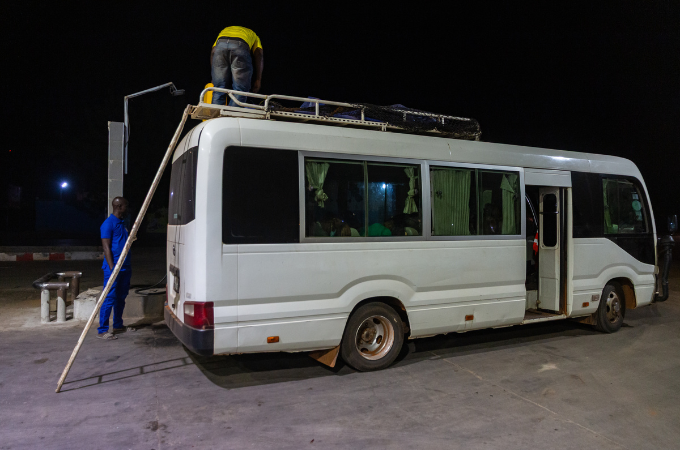
We crossed from Koundara in Guinea into Senegal not with fanfare, but with a slow, quiet exhale. The border post was dusty and patient. The air changed, saltier now, carrying the breath of the Atlantic long before the sea appeared. My lungs recognised something ancient. Even the ocean breathes.
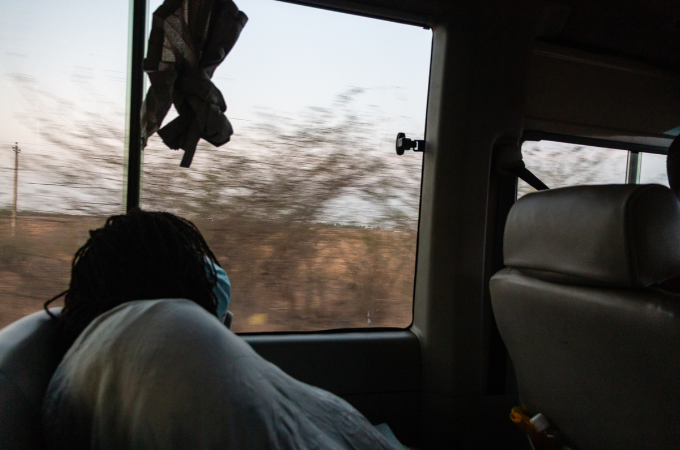
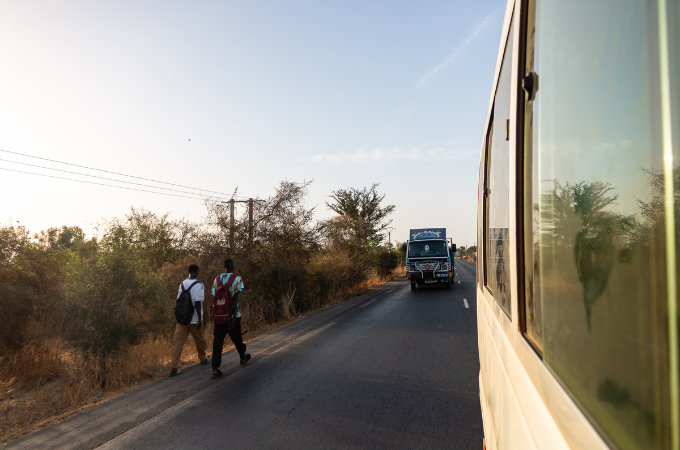
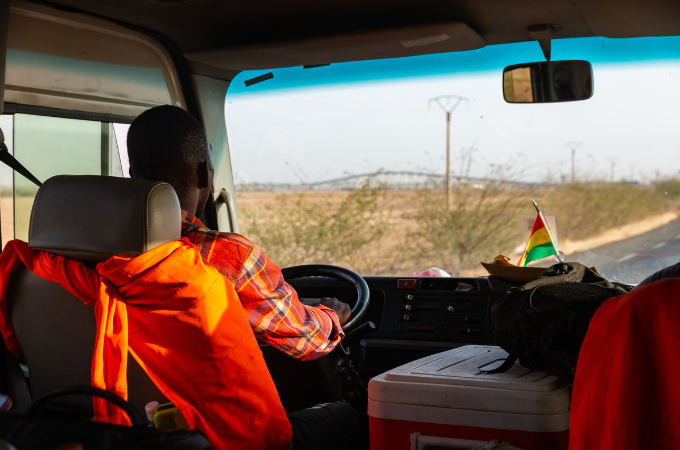
We had spent the entire day travelling. This time we could not stop to rest at night, so we drove through the darkness. Or rather, the drivers drove while we slept.
A meeting had been scheduled with renowned author Ayi Kwei Armah in Popenguine. Seth’s excitement filled the bus. This was the man who had chosen Senegal over Ghana, who dared to question even Kwame Nkrumah. I was curious how one writer could carry so much history in his bones.
II. Tattaguine and Sessene: First Taste of Home
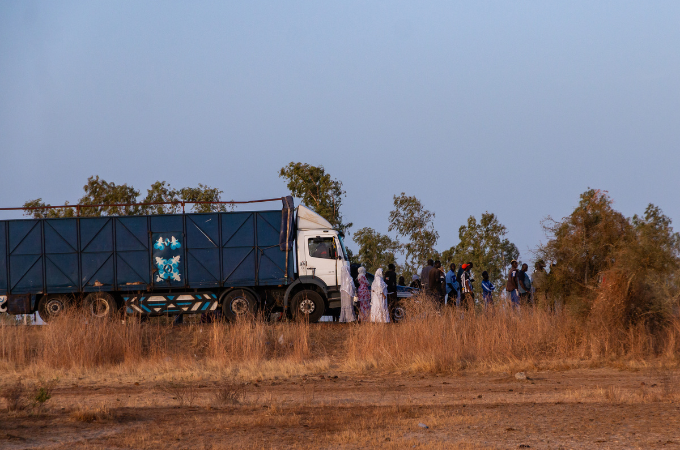
Tattaguine was the first commune that caught my eye. Then Sessene, where the neem trees stood green and full. I stepped out and touched their leaves. They felt like the ones back in Kebbi: dry roots, but leaves full of life. A perfect symbol of our forefathers, giving everything so we could stand.
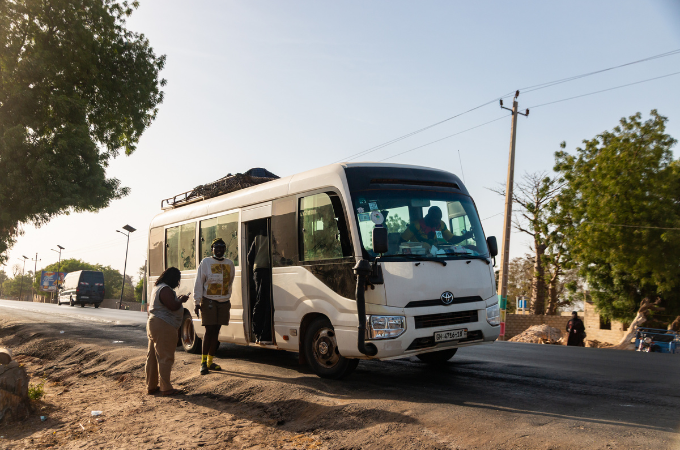
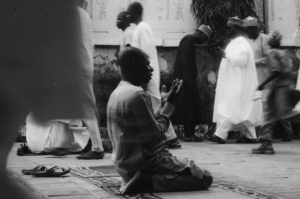
I knocked on random doors. Made the prayer sign with my hands. They understood without a single shared word. Someone brought a kettle for ablution. Someone else spread a mat. They showed me the Qiblah. No suspicion. No questions. Just open doors and open hearts.
In Sessene, prayer needed no translator.
III. Popenguine: Meeting Prof. Armah
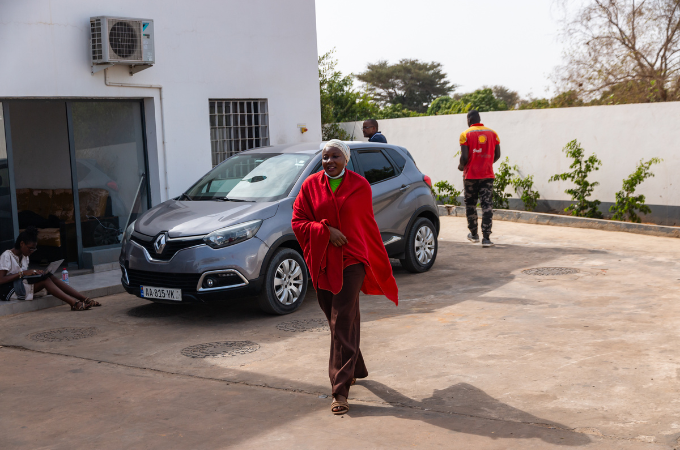
We continued through Sindia to Popenguine. Meeting Prof. Ayi Kwei Armah in Popenguine felt like sitting with living memory. His home was simple yet filled with books and quiet power. His portrait and several of his works, including the classic The Beautiful Ones Are Not Yet Born, were proudly displayed in the LOATAD library we visited earlier. Seeing them there reminded me how deeply his ideas have shaped African thought.
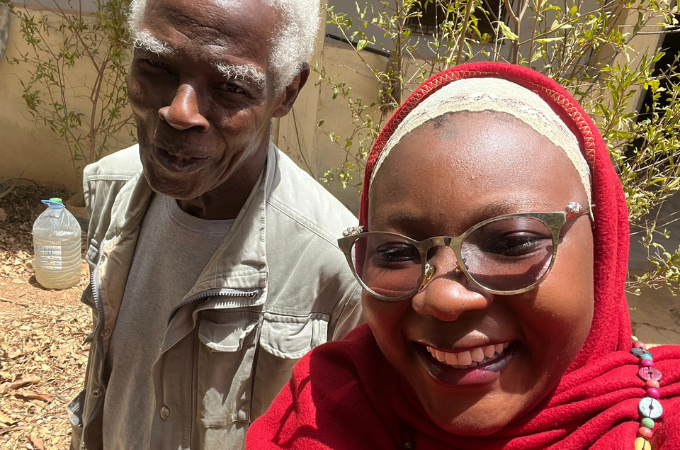
He spoke about African history long before the slave trade. He emphasised that Pan-Africanism did not begin with colonialism. It is older, rooted in our shared myths, epics, and oral traditions. He encouraged us to study African history collectively, to find what unites our different traditions rather than what divides us. He spoke about Cheik Anta Diop, who studied African history up to predynastic Egypt, a society that lived with a philosophy of equity, unity, and productivity. He recommended Wole Soyinka’s Myth, Literature and the African World for background on African history. He said creativity comes from understanding the oldest resources around myth.
His words landed heavily on me. Here was a man who left Ghana because he believed true Pan-Africanism required honest critique, even of icons like Kwame Nkrumah. He chose Senegal as his home, showing that Pan-Africanism is not about blind loyalty to borders or leaders, but about a deeper commitment to African dignity and truth.
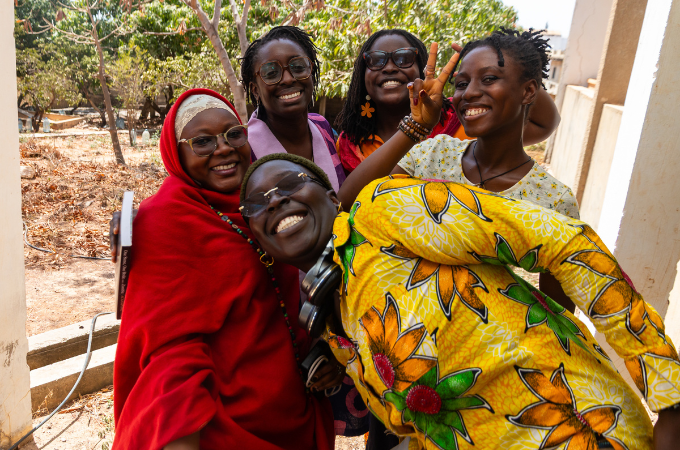
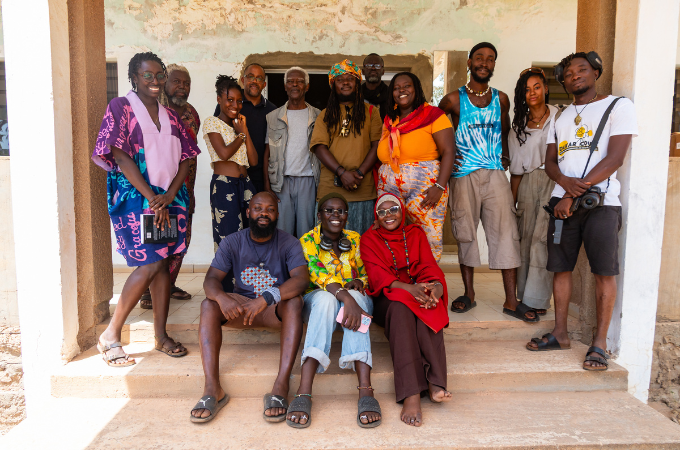
For our road residency, this meeting was profound. We were literally living Pan-Africanism: eight residents from different countries, faiths, and backgrounds travelling together by road, facing dust, boundaries, and discomfort. Armah’s insistence on studying our shared past, and critiquing what needs critiquing gave deeper meaning to our journey. It reminded me that true unity is not uniformity. It is the courage to disagree, to question, and still choose to build bridges. His life and work validated why we were on the road: to experience Africa beyond maps, to listen, to learn, and to carry the stories home.
IV. The Night Songs and Avocados
By the time we reached Barra (North Bank Division), it was around 10 pm. Bodzo Badzaa and T-Ben started singing “We have been on the road”. One by one, everyone joined. Badji sang in beautiful French and ended with an ululation that made us scream. Professor Kehinde sang songs of freedom.
Then the spotlight turned to me.
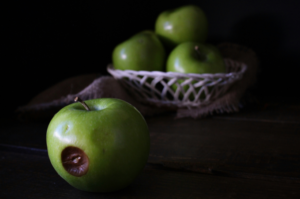
I froze. I am not a music person. After all those hot lines, what could I possibly offer? The only thing that came out of my mouth was “avocados.”
Yes, avocados.
The only food my body trusted on that long road. I am severely allergic to cassava. One wrong bite and I break out in blisters and inflammation. So I hunted avocados the whole journey. I did not explain to everyone. I just kept going. Omoo, it was a lot.
V. What Remains
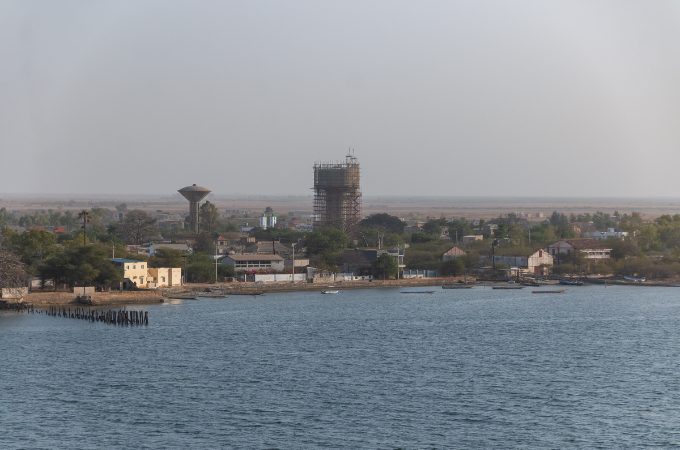
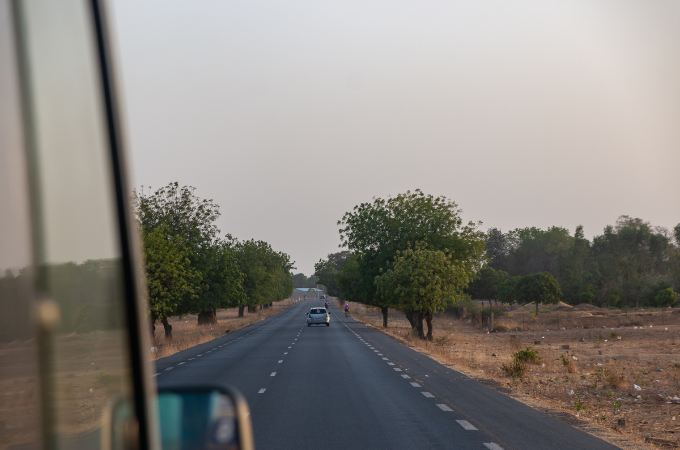
I picked moringa leaves from a random tree on the Dakar highway and pressed them into my notebook. That is what I carried home from Senegal: not just Armah’s wisdom or the mosques that opened without question, but leaves drying between pages. Proof that I was there. Proof that home is not one place.
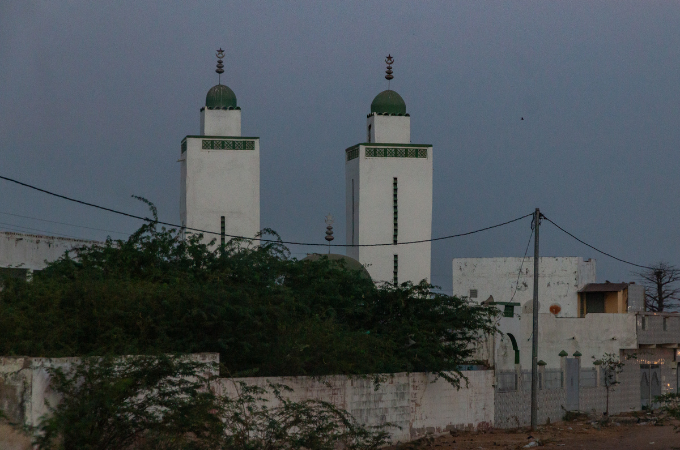
Senegal looked like home.
It smelled like home.
The neem trees whispered in a language my body already understood.
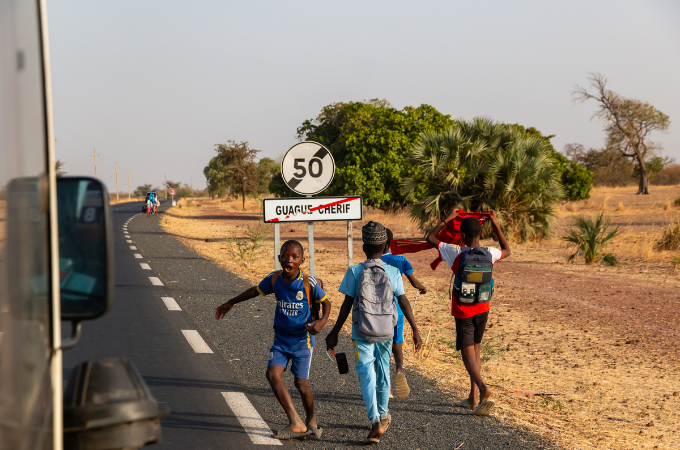
But more than that, Senegal taught me that home is not where you come from.
It is where they open the door before you speak.
It is where a stranger becomes a pillow.
It is where a customs officer buys you slippers.
It is where you learn to say no to protect your breath, and still leave loving the land.
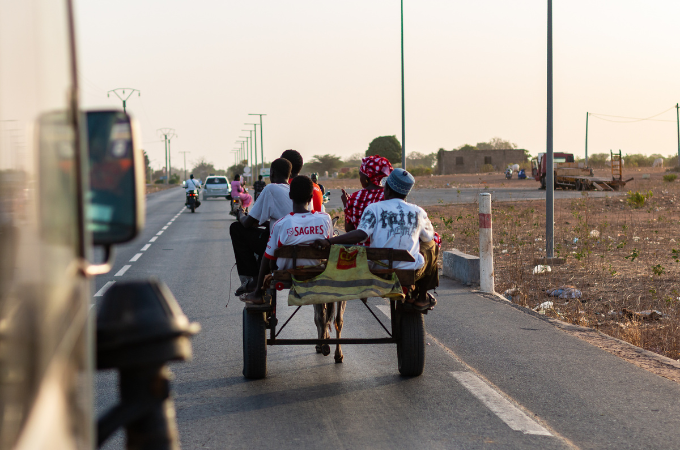
VI. Small Mercies
At the border into The Gambia, one customs officer lent me his phone charger. Another, Abdullah, saw that my shoes were damaged and quietly bought me a new pair of slippers. Small acts. Big meaning.
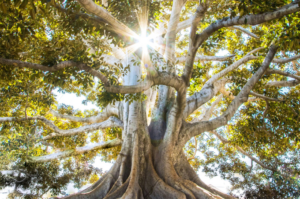
A beautiful tree stood cut in half on the roadside. Beautiful. Yet chopped down. That image stayed with me.
We are writing our own stories now.
And the road feels lighter when we walk it together.

Tololwa Mollel August 13, 2026 10:36
I enjoyed the article. When did this road trip take place?