
The city had become a ghost of itself. Streets I once roamed with careless laughter were now empty avenues, the echoes of my own footsteps mixing with the distant rumble of armored vehicles. Soldiers marched past, their boots striking the cracked pavement, and with each sound I felt the shadow of fear creeping closer, whispering the same question over and over. Where will I go this time?
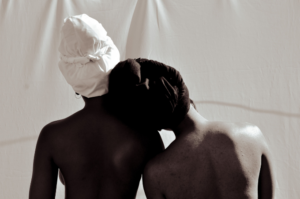
Hamed came to me one last time. The memory of his embrace is etched in my mind—the warmth, the desperation, the certainty in his eyes. “I’ll return,” he said softly, almost pleading. “We will meet again, if God wills it. But I must fight. I am not alone; there are others with me.”
He handed me a small bag, nothing extraordinary at first glance, yet it carried the weight of our shared past. Inside were a few photographs of us—smiling awkwardly at the camera—a watch, a small dried rose, and a modest sum of money. I took off my own necklace, a simple string of beads threaded with a verse from the Koran, Ayat al-Kursi, and placed it into his hand. “Keep this,” I whispered. “It will protect you, God willing.”
That bag, a collection of fragile objects, became the last tangible thread to the life we had before the city fell silent.
The war was no longer a distant rumble; it had arrived at our doorstep. I knew I had to leave, but first, I went to the hospital. The corridors overflowed with wounded bodies. Every room was filled with cries, groans, and the metallic tang of blood. Faces twisted in pain, hands trembling, eyes hollow yet imploring. I tried to help where I could, washing wounds, fetching water, offering what little comfort I could. Yet even amidst this suffering, Hamed’s absence pressed on my chest like a stone.
It was then that the director of the organization I volunteered with approached me. Her presence was steady, unyielding. “You must leave immediately,” she said, her voice calm but commanding. I asked if it was safe, if there was truly a way out. She only nodded, “I will handle everything. Just prepare yourself.”
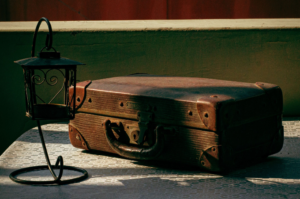
The next morning, I packed my belongings. Hamed’s bag came with me—the last fragment of our shared life. I stepped into the back of the car, the city shrinking behind me, each corner and alleyway retreating into memory. The faint rustle of leaves under the tires and the distant hum of traffic were the soundtrack of my departure, punctuated by the ghosts of what had been lost.
We arrived at a city fifty kilometers north, one of the largest in the region. It was alive with movement, a cacophony of voices, footsteps, and the constant shuffle of lives in transit. Refugees from every corner of the war-torn land had poured in, each carrying their own weight of loss and hope. The organization had arranged a modest room for me, and I was assigned as an assistant, helping to distribute aid and volunteer wherever I could. Here, my days were consumed by faces, stories, and the quiet desperation of survival. I photographed everyone I could, hoping that each image might reach someone searching for a lost loved one. I asked soldiers about Hamed, but no one had seen him.
Each unanswered question hollowed me further, yet I pressed on, channeling my grief into action.
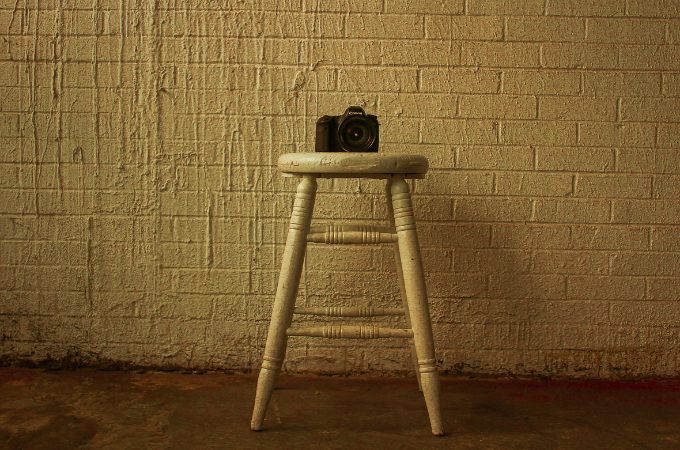
Photo by Jennifer Marquez on Unsplash


COMMENTS -
Reader Interactions